Setting the Scene at the Home of Racing
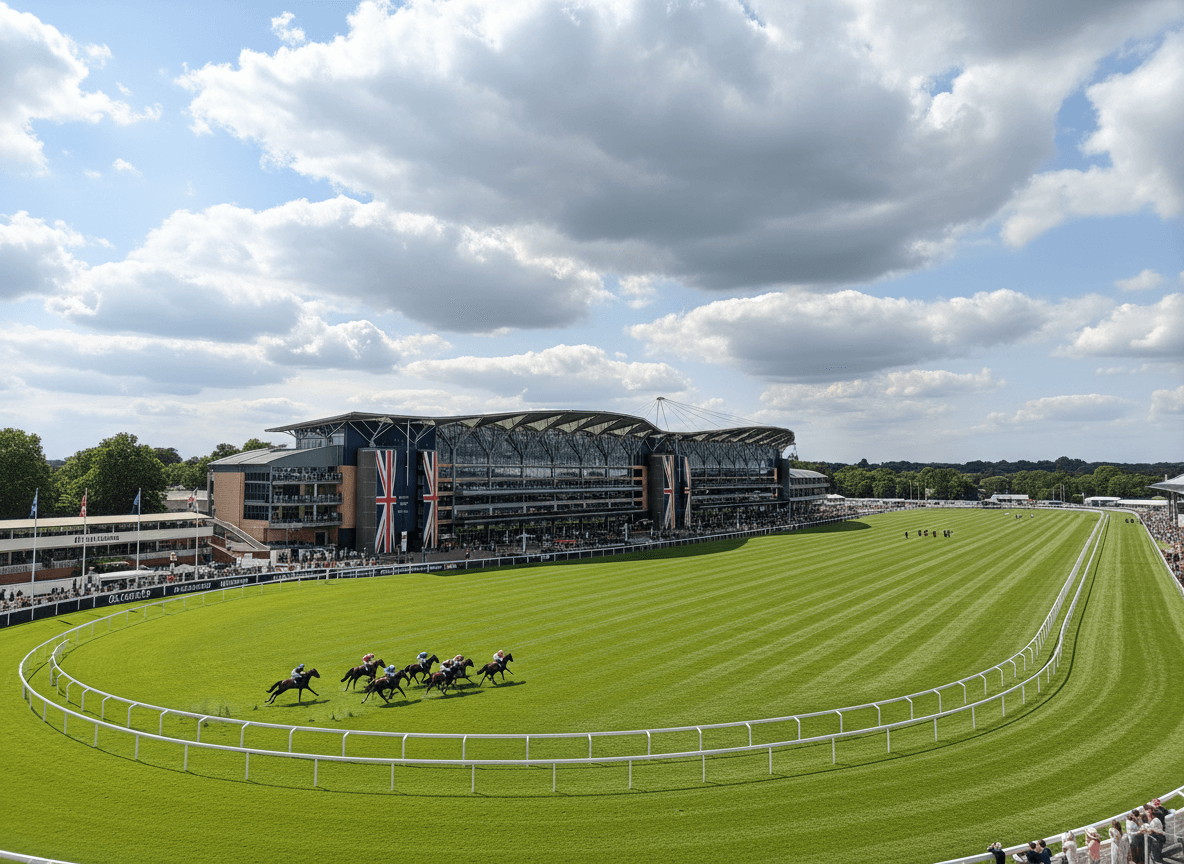
Now, I know what you're thinking — what's a jumps man doing poking his nose into a flat fillies' handicap at Ascot? Fair point, fair point. But even this old National Hunt hound can appreciate a quality mile contest on a Saturday afternoon, especially when there's £40,000 on the line and ten genuinely interesting fillies ready to sort themselves out. The Download the tote App British EBF Premier Fillies' Handicap is one of those late-summer mile contests that can throw up a smart sort — a filly who's been quietly improving through the season and is ready to announce herself on a big stage. Ascot in September has a wonderful way of separating the pretenders from the real deal, and with the ground riding Good to Good to Firm in places following those track renovations, there are a few extra variables to chew on before we commit our hard-earned to the tote. Let's get stuck in.
Going and Draw — The Devil in the Detail
Right, before we talk horses, let's talk ground. The track has had renovations since the last meeting and, by all accounts, recovery has been a little slow. There are patches of young grass with a less dense sward — and that, my friends, is the sort of detail that separates the shrewd punter from the mug. Young grass can be unpredictable underfoot; it may ride quicker than the official Good to Firm description suggests in places, and it can also cut up unevenly as the day goes on. Fillies with any sensitivity to fast ground want watching carefully here.
As for the draw over one mile at Ascot — it's a straight mile, and historically there's no overwhelming bias, though in drier conditions a low draw can occasionally help a horse get cover early. With a field of ten, it's not a massive concern, but I'd note that stall one (Electrifarhh) and stall two (Seren Star) give those fillies the option of sitting handy without burning unnecessary petrol. Stall ten (Rosa Inglesa) is the widest draw in the field — worth a slight note, though it's far from a dealbreaker on the straight mile.
The Main Contenders — Who's Got a Right to Win This?
Orion's Belt (Draw 6, Rating 95)
Top of the weights among the three-year-olds and rated 95, Orion's Belt is the one the market will likely gravitate toward. Richard Hannon has been in fine fettle this season and Pat Dobbs is a shrewd booking — he doesn't take rides for the fun of it. The filly carries 9-7 and is the highest-rated runner in the field. She's clearly got ability, but at the top of the handicap, she needs to be spot-on, and I'd want to know she handles this ground on what sounds like an inconsistent surface. Respect, but not love.
Tryst (Draw 4, Rating 93)
George Boughey's three-year-old Tryst is an intriguing sort. Rated 93 and drawn four — a nice, central berth — with Jack Callan in the saddle. Boughey has been one of the trainers of the season in recent years and he doesn't run fillies in Class 2 contests without believing they're ready. No form flags to shout about here in terms of course or distance form, which is a slight concern, but the rating suggests she's been running well consistently. One to watch in the market.
Nanino Niyati (Draw 3, Rating 92)
Owen Burrows sends out the top weight at 9-11, and David Probert takes the ride. Burrows is a trainer who knows his horses inside out — he doesn't overcook them — and Nanino Niyati has clearly earned her lofty rating. The concern here is the weight. Carrying 9-11 in a competitive fillies' handicap on ground that might ride a touch quicker than ideal is a tough ask. She'd need to be well ahead of her mark to overcome that burden. Probert is a solid jockey and will give her every chance, but I'm not rushing to back her at what will likely be a short price.
Seren Star (Draw 2, Rating 91)
Now here's one that catches the eye. William Haggas — William Haggas — doesn't send a filly to Ascot in a £40,000 handicap without a plan. Seren Star is a four-year-old, rated 91, wearing a tongue tie, and — crucially — she's a distance winner. She's proven she gets the mile, she's drawn low in stall two which suits on the straight course, and Cieren Fallon is a jockey who's been riding with real confidence this season. The tongue tie is a small flag — it suggests she might have been finding a little off the bridle — but Haggas wouldn't run her if he didn't think it would help. She's firmly in the mix.
Rosa Inglesa (Draw 10, Rating 90)
Right, here's my girl. Charlie Fellowes saddles the five-year-old — sorry, the three-year-old — Rosa Inglesa, and she brings two form flags that I absolutely adore in a race like this: course winner and distance winner. She's won at Ascot. She's won over a mile. On ground that's going to be a little different from the norm today, give me the filly who already knows how to win here. Lewis Edmunds takes the ride — he's a capable jockey who won't panic — and at 9-4, she's carrying a manageable weight. The wide draw in stall ten is the one thing that'll keep her price up, and that's exactly where the value lives. Fellowes is a trainer who picks his spots carefully, and this looks like a race he's targeted.
Value Picks and Dangers
Beyond the main contenders, a couple of others deserve a mention:
- Luna Celeste (Tom Clover, Saffie Osborne) — a distance winner and Clover has been training with real confidence. Saffie Osborne is a jockey on the up. If the market ignores her, she could run into a place at least.
- Date Line (Charlie Johnston, Callum Shepherd) — Johnston's yard has been ticking over nicely and Date Line at 8-13 has a light weight to exploit if she's improved since her last run. Dark horse material.
- Electrifarhh — drawn in stall one, proven over the distance, and Ed Walker is no mug. At the bottom of the older horses' ratings (83), she'd need a big run but the draw and distance form give her a squeak.
The danger to my selection? Seren Star, honestly. If Haggas has her spot-on and Fallon produces a well-timed challenge, she could be too good. Orion's Belt, if the market is right about her, is also a legitimate threat.
Tom's Tip — Rosa Inglesa Each Way
I'm going Rosa Inglesa each way and I'm not apologising for it. Course winner. Distance winner. Trainer who picks his spots. A jockey who won't freeze on the big occasion. The wide draw will drift her price and that's where we get our edge. In a race where the ground is slightly unknown due to those renovations, I want a filly who's already won at this track — she knows the place, she knows the mile, and Charlie Fellowes clearly believes in her enough to take on a strong field. Each way at what should be a double-figure price? That's a bet I'm very happy to have.
Selection: Rosa Inglesa — Each Way
Check out the full Ascot racecard for all the latest market moves and declarations before you head to the window. Good luck — and may the going be in your favour.
Who Is the Favourite for the British EBF Premier Fillies' Handicap at Ascot?
At the time of writing, Orion's Belt (Richard Hannon, Pat Dobbs) is likely to head the market given her top rating of 95 in the field. However, Nanino Niyati and Tryst are also expected to be well-supported. Markets can shift significantly on the morning of the race, so keep an eye on the Ascot racecard for the latest prices.
Does the Draw Matter in the British EBF Premier Fillies' Handicap at Ascot?
The race is run over the straight mile at Ascot, where draw bias is generally less pronounced than on some other flat tracks. With only ten runners, stall position is unlikely to be decisive, though lower draws (stalls one and two) can offer the benefit of cover and a clean run in smaller fields. The widest draw today belongs to Rosa Inglesa in stall ten — it's a minor negative but shouldn't be a dealbreaker, and it should keep her price attractively long.
How Will the Going Affect the British EBF Premier Fillies' Handicap?
The official going is Good, Good to Firm in places, but the track has undergone renovations and the recovery of the new grass has been slower than expected. Patches of young, less dense grass could ride unpredictably — potentially quicker in places — and may suit horses who have previously shown they handle faster ground well. Proven course and distance form, as Rosa Inglesa possesses, becomes even more valuable when the surface has a slightly unknown quality to it.