Setting the Scene: Why This Race Matters
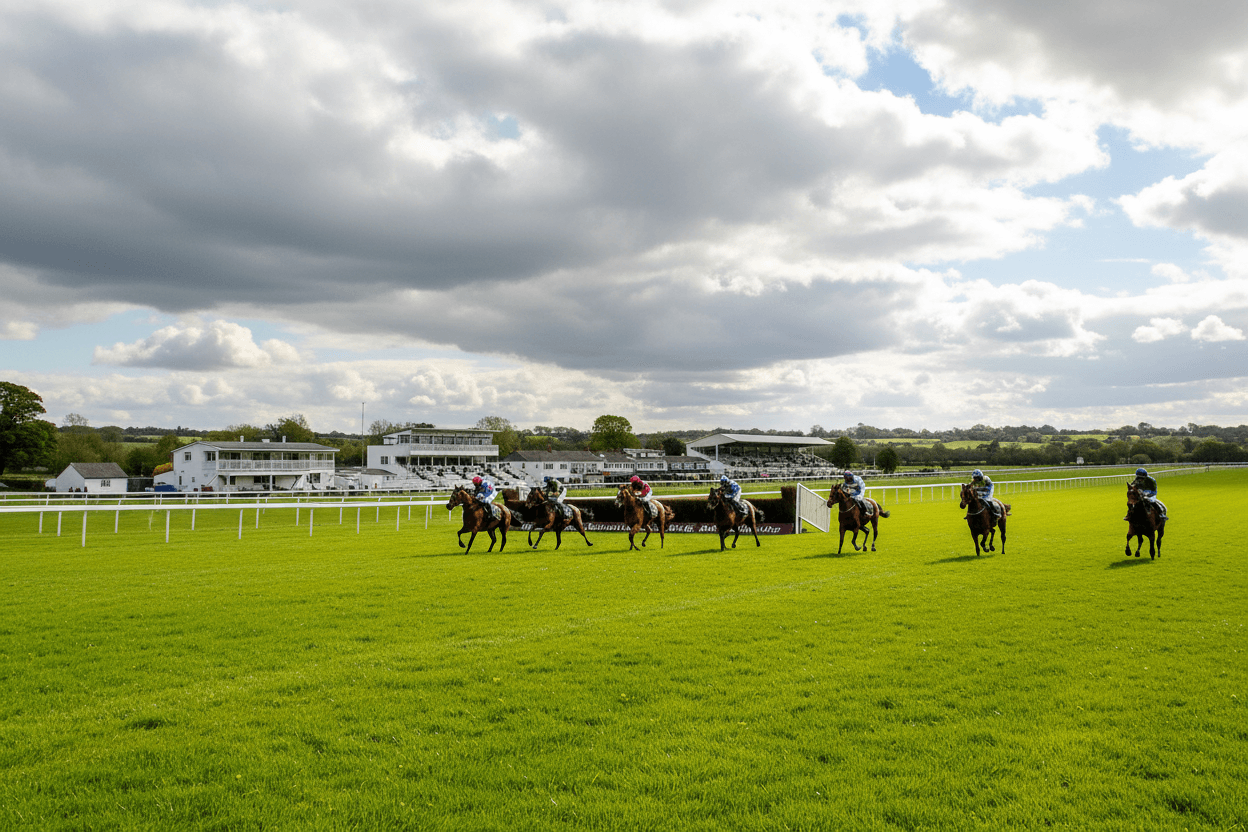
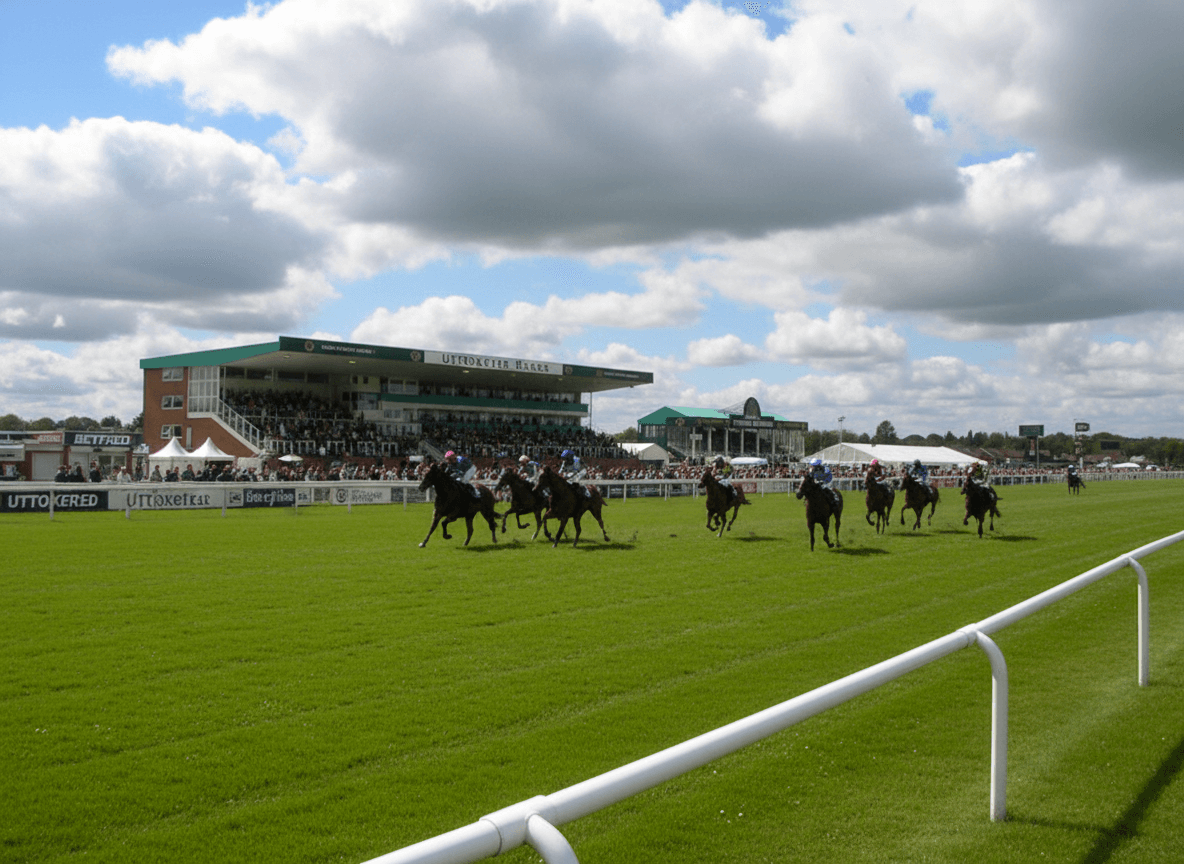
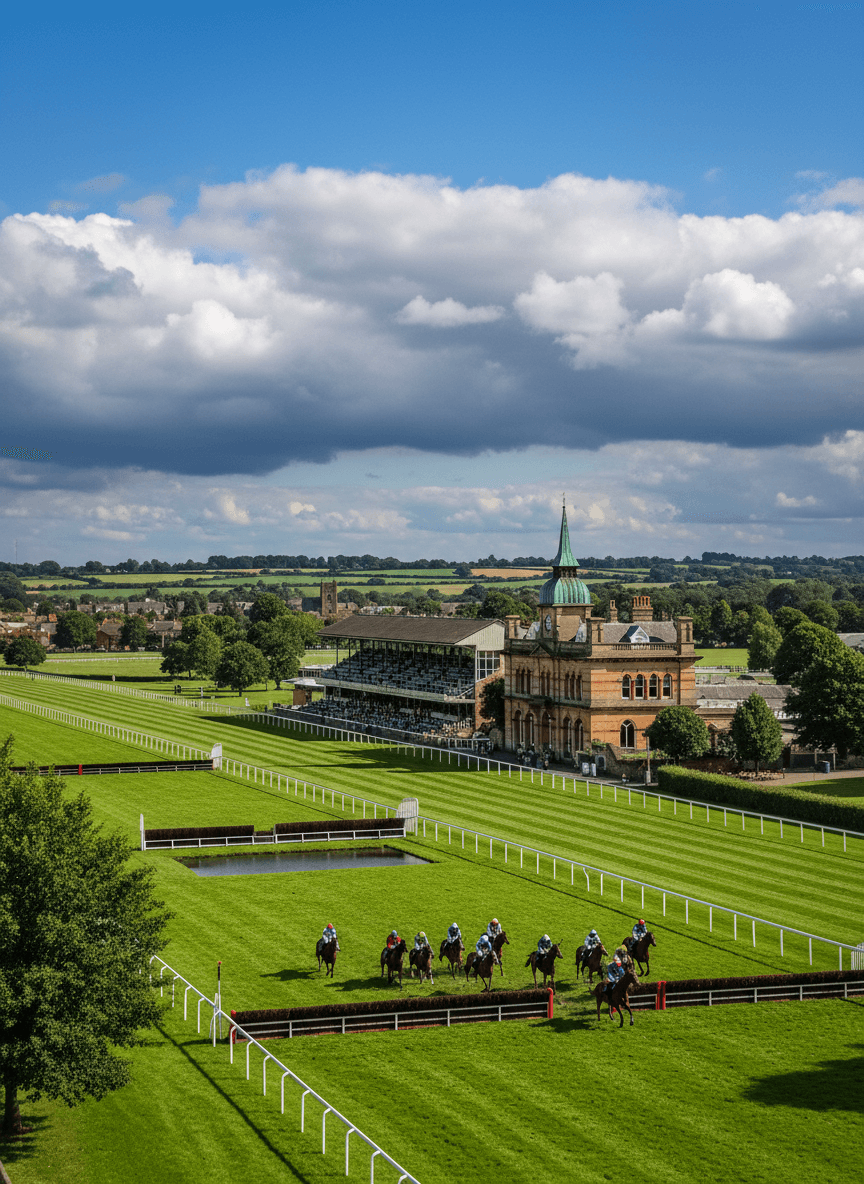
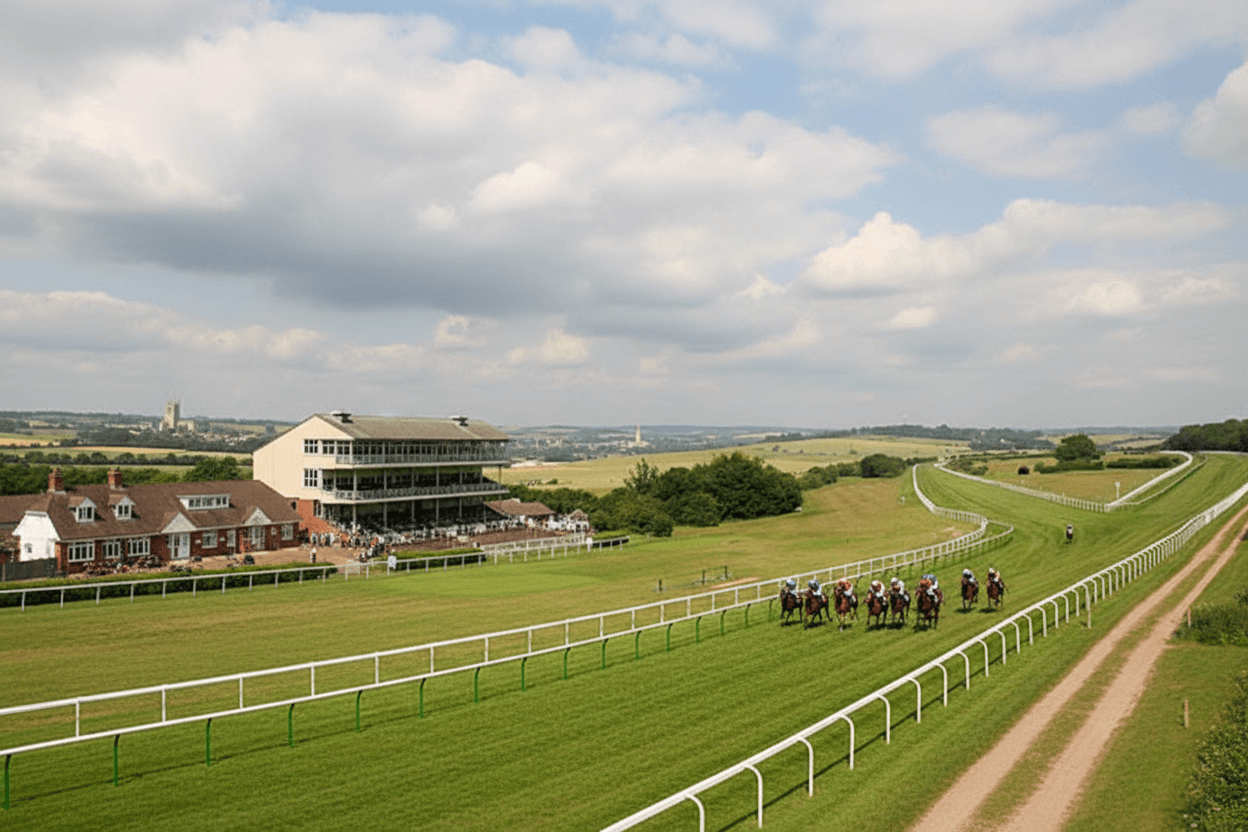
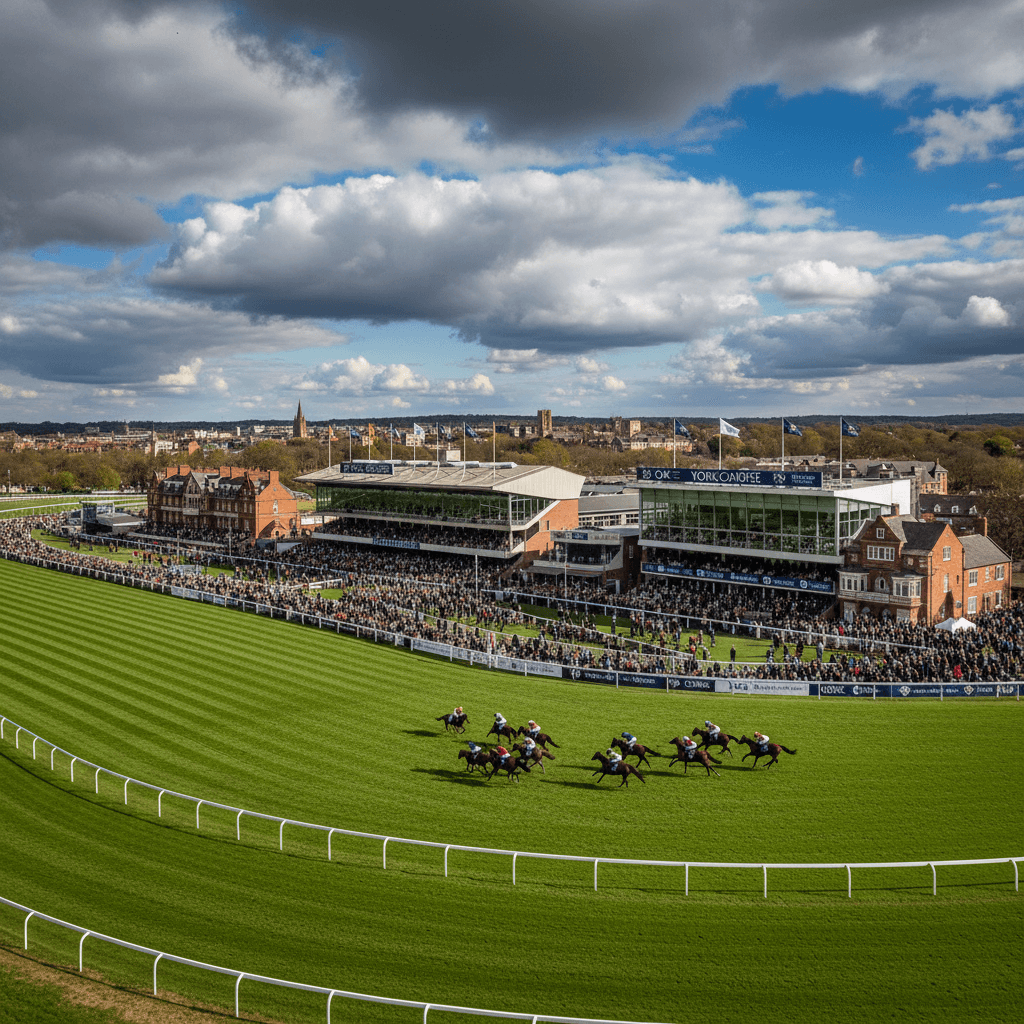
There's something about a quality juvenile fillies' novice at York in July that gets the blood pumping. The Knavesmire in midsummer is flat racing at its most honest — fast ground, a straight six furlongs, and nowhere to hide. For two-year-old fillies stepping out for the first or second time, this is the kind of race that separates the ones with a future from the ones that need a gentle introduction.
The Irish Thoroughbred Marketing EBF Fillies' Novice Stakes at 15:20 on Friday 10 July carries £30,000 in prize money and GBB Race status, which means breeders with eligible mares are watching closely. That GBB tag matters — it adds a financial incentive that tends to attract trainers sending out their better-bred juveniles rather than using the race as a learning exercise. Expect intent from the majority of these yards.
The going is Good to Firm, Good in places with a moisture metre reading of 33% and the whole course terra spiked since the last meeting. That's a surface that will reward sharp, athletic types who travel well into their bridle. Soft-ground plodders need not apply. Check the full York racecard for the complete Friday card.
Contender-by-Contender Breakdown
Naval Cop (Draw: 6) — Andrew Balding / James Doyle
Start here. Andrew Balding has a strong record with well-bred juvenile fillies on fast ground, and the decision to put James Doyle up is the kind of booking that tells you everything you need to know about stable confidence. Doyle doesn't travel north for fun. Naval Cop carries 9-2 from stall six, which is a perfectly workable draw on the straight six at York — not wide enough to be inconvenienced, not tight enough to get crowded early. If she's been showing Balding anything at home, this is a serious player.
Gladys Pugh (Draw: 7) — Kevin Ryan / Kevin Stott
Kevin Ryan knows this track as well as anyone training in the north, and Kevin Stott is the perfect partner for a filly that might need a confident, positive ride. Stall seven on the straight six at York is actually a decent draw — you can slot in and travel without burning unnecessary energy. Ryan tends to place his juveniles shrewdly and rarely runs them before they're ready. The 9-2 weight is standard for the field, and if she's got any ability at all, the combination of trainer, jockey and track knowledge makes her dangerous.
Lady Titania (Draw: 4) — K. R. Burke / Sam James
Karl Burke is one of the shrewdest operators in the north with two-year-olds, full stop. He consistently gets his juveniles to peak early and has a particular knack on fast ground at York. Stall four is a solid draw — right in the heart of the field, able to go either way. Sam James rides with good judgement and won't panic. If Burke has sent this one here with purpose, Lady Titania could easily outrun any big price she might open at.
Bear Lee (Draw: 2) — Michael & David Easterby / Billy Garritty
The Easterby yard have two runners here, which is worth noting. Bear Lee carries a 4lb penalty at 9-6, which immediately tells you she's already won — and that's significant in a field of unraced or lightly raced rivals. Billy Garritty takes the ride from stall two, which is a low draw on the straight six. At York, the low draws on the straight course can be slightly disadvantageous in big fields as the pace tends to develop centrally, but with only nine runners this is far less of a concern. The penalty makes life harder, but a winner already on the board commands respect.
Kirton Angel (Draw: 1) — Richard & Peter Fahey / Oisin Orr
The Fahey yard send two runners, and Kirton Angel draws stall one with Oisin Orr in the saddle. Orr is a smart jockey who knows how to manage a low draw — he'll likely look to get across and find a good position early rather than being trapped on the rail and shuffled back. The Fahey operation has strong form with juvenile fillies and the fact they've supplemented a second runner suggests they hold both in reasonable regard. Keep an eye on the market to see which of their pair is preferred.
Elevating (Draw: 9) — Richard Hannon / Joe Leavy
Richard Hannon sends Elevating up from the south with Joe Leavy aboard from the widest draw of all — stall nine. On a straight six with nine runners, stall nine isn't a disaster, but it does mean Leavy will need to work slightly harder to find his position. Hannon is prolific with juveniles and rarely wastes a trip to York. Worth including in exotics at least.
Going and Draw: What the Conditions Tell Us
Good to Firm with a moisture reading of 33% and terra spiking throughout means this surface will be consistent and quick. There won't be any dead patches or jarring ground — the spiking ensures even drainage and cushion. Athletic, scopey fillies with a low, efficient action will thrive. Any filly that's shown a tendency to pull hard or waste energy in the early stages will find the fast ground punishing in the final furlong.
On the straight six at York, the draw is less of a lottery than on some courses, but with a small field the middle-to-high draws (stalls 4-7) are generally considered marginally preferable as the pace tends to develop in that part of the track. That gives Lady Titania, Striking Force, Naval Cop and Gladys Pugh a subtle edge. Bear Lee and Kirton Angel from the low draws will need their jockeys to be proactive.
Value Picks and Dangers
- Naval Cop — The Doyle booking is a significant pointer. If she's priced generously, she's the one to be on.
- Lady Titania — Burke's juvenile record at York is outstanding. Don't let her drift unbacked.
- Gladys Pugh — Ryan and Stott is a formidable local combination. Likely to be well supported.
- Bear Lee — The penalty is a hurdle, but a winner already on her CV in a field of unknowns is never irrelevant.
My Selection
Naval Cop (e/w) is my pick for the 15:20 at York. The Balding-Doyle combination is the standout pointer in a race where form lines are thin on the ground. Doyle's presence strongly suggests the filly has shown something at home, and stall six on fast ground at York is a workable position. Balding's yard produces well-balanced juveniles who handle quick ground with ease, and the GBB status of this race means connections will have targeted it deliberately.
Each-way cover is sensible given the unknown quantities in the field — but if Naval Cop is sent off at a fair price, the win bet deserves serious consideration. Lady Titania is my each-way saver. Burke rarely misses at York with his two-year-olds, and stall four puts her in the ideal position to deliver a late challenge.
Who is the favourite for the Irish Thoroughbred Marketing EBF Fillies' Novice Stakes?
With all runners unrated or making their debut, there's no official market leader yet at time of writing. However, the booking of James Doyle for Naval Cop (Andrew Balding) is the strongest stable confidence signal in the race, and she's likely to open as a short-priced favourite once markets are formed. Bear Lee, the only runner carrying a penalty for a previous win, will also attract significant support. Watch the market moves in the hour before the off — in juvenile races, early money is often informed money.
Is the draw important in the EBF Fillies' Novice Stakes at York?
On the straight six furlongs at York, the draw is a factor but not a defining one — particularly with only nine runners declared. The middle draws (stalls 4-7) are generally considered slightly advantageous as the track tends to ride best in the centre, especially on Good to Firm ground. Stalls 1 and 2 (Kirton Angel and Bear Lee) are the least desirable, though experienced jockeys like Oisin Orr and Billy Garritty will be well aware of that and will look to compensate with positive early positioning.
What does GBB Race status mean for the EBF Fillies' Novice Stakes?
GBB stands for the Great British Bonus scheme, which offers additional prize money to owners and breeders of horses that win qualifying races and were bred in Britain. In practical terms for punters, GBB status tends to attract higher-quality, better-bred juveniles because connections have a financial incentive beyond the standard prize fund. It's a reliable indicator that the trainers in this field are running their fillies with genuine intent rather than simply giving them a racecourse education. That makes the race more competitive — but it also means the winner is more likely to go on and frank the form.