
Race Overview: A Proper Juvenile Showpiece
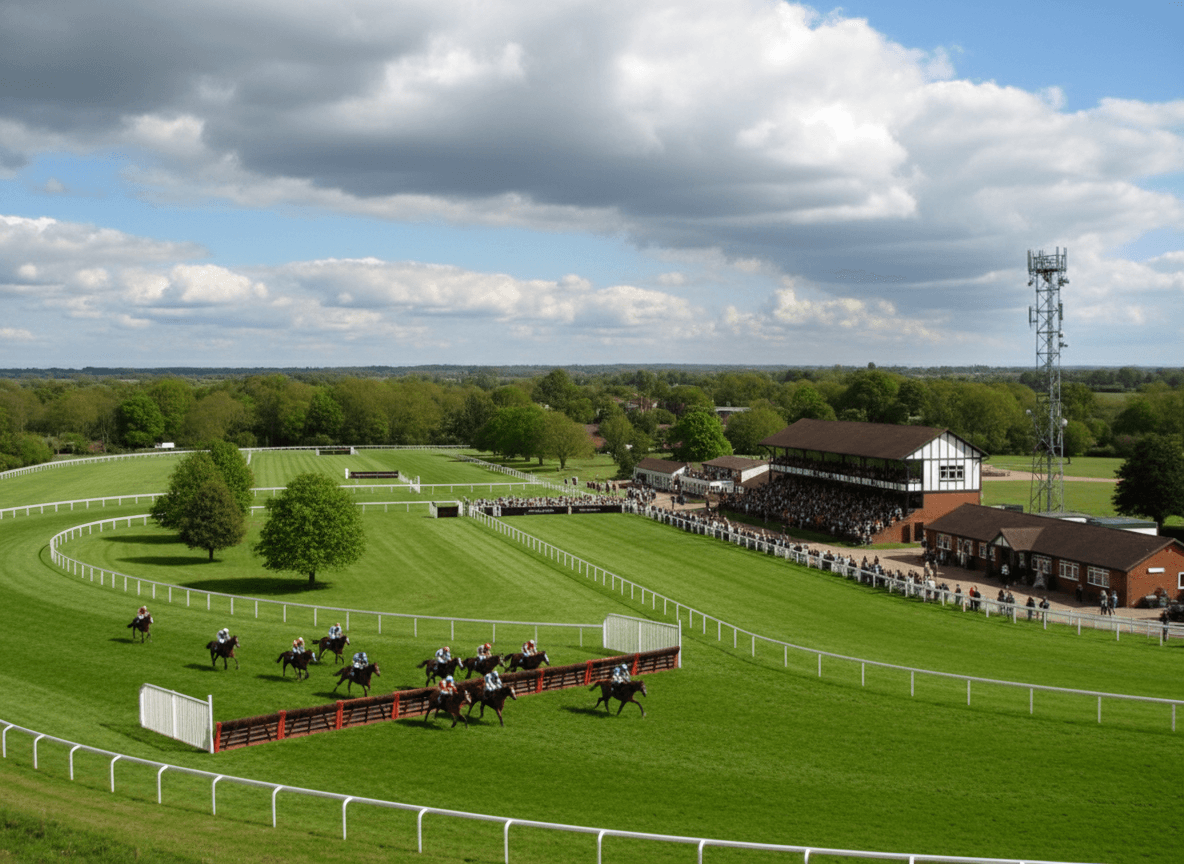
Series finals have a habit of throwing up informative results, and the Molton Brown Luxury Fragrance Hamilton Park 2-Y-O Series Final Nursery Handicap Stakes at Fontwell Park on Wednesday evening is no exception. With £40,000 in prize money and a Class 2 tag, this is as meaningful as juvenile handicap racing gets at this stage of the season. Eight two-year-olds, all battle-hardened from earlier qualifying legs, converge over six furlongs and six yards on what promises to be testing soft ground. That going is going to be the great leveller here — and it'll expose any horse that's been flattered on faster surfaces.
I've watched a few of these series finals over the years and the pattern is fairly consistent: horses that have already proven themselves at the course or distance tend to outperform their ratings on the day. The market will tell its own story, but let me walk you through the key players on the Fontwell Park racecard before you part with any cash.
Contender-by-Contender Breakdown
Battle Fever (Draw 1, Rating 88)
The top weight and the obvious form pick on paper. Kevin Ryan's colt carries 9-9 and heads the field on ratings by a clear ten pounds over the next best. Kevin Stott takes the ride, and he's a jockey who tends to get the best out of Ryan's juveniles — sharp, confident, doesn't mess about in the early stages. The stall-one draw on soft ground at Fontwell isn't a disaster for a front-runner or prominent racer, but the weight burden is significant in a nursery of this nature. Giving lumps of weight away to rivals who've already shown course or distance form is a tough ask. Battle Fever is clearly the classiest animal in the field, but at a price that's likely to be short, the risk-reward needs careful thought. If he's at his best and the ground doesn't inconvenience him, he wins. But soft ground can be a great equaliser.
Harley (Draw 7, Rating 78)
This is the horse that catches my eye most. Edward Bethell has been operating at a high strike rate with his juveniles this season, and Harley arrives here with both course and distance form flags — that combination on soft ground is worth its weight in gold at this level. Daniel Tudhope is a top-drawer jockey, someone who reads a race beautifully and doesn't panic. The draw in stall seven isn't ideal on a tight track, but Tudhope will find a way to slot in. Carrying 8-13 off a mark of 78 means he's got a workable weight and a handicapper's mark that still looks exploitable. Bethell doesn't run horses in series finals for the fun of it — there's intent here.
Wild Terrain (Draw 3, Rating 74)
Hugo Palmer's gelding is another with course and distance credentials, and those twin form flags mean he simply cannot be ignored. The headgear combination of blinkers and tongue tie (B T) suggests Palmer has been working hard to find the key to this one, and sometimes that extra gear in a big-field nursery on soft ground is exactly what you need. Jack Nicholls rides, a capable northern claimer who knows his way around tight tracks. Stall three is a decent enough draw. Off just 74, Wild Terrain is attractively weighted if the blinkers sharpen him up. One to watch in the market — if there's money for him, take note.
Trumpety Trump (Draw 2, Rating 75)
Jim Goldie has a knack for finding races that suit, and stall two on the inside is a handy draw for a horse that needs to travel prominently. Lauren Young takes the ride — she's a rider who's been making real strides and handles soft ground tracks well. Off 75, the weight is manageable. I don't have course or distance form flags to lean on here, which makes this a slightly harder case to build, but Goldie's runners in series finals often run their race. Could sneak into the frame at a price.
Sea Mirage (Draw 6, Rating 71)
Kevin Ryan's second string, ridden by Shay Farmer. When a trainer runs two in a race, it's usually the lesser-fancied one that causes the upset — but Sea Mirage has no course or distance form to lean on and is drawn in stall six. Off 71, the weight is light, but I'd want to see market confidence before committing. Farmer is a capable rider who won't waste the opportunity if the horse travels well, but this looks like the second-best option in the Ryan yard today.
Going and Draw: The Soft Ground Factor
Soft ground at Fontwell over six furlongs changes the complexion of this race considerably. Stamina becomes a premium, and horses that have shown they can handle cut in the ground will have a clear edge. Any horse that has only ever produced its best form on good to firm or faster should be viewed with scepticism, regardless of rating.
On the draw, Fontwell's six-furlong trip doesn't have a pronounced draw bias as extreme as some flat tracks, but low draws do tend to have a marginal advantage on soft going — they get the better ground and can dictate from the front. Battle Fever in stall one and Trumpety Trump in stall two are both well positioned from that perspective. Stall seven for Harley is the widest of the fancied runners, but with Tudhope in the saddle, I'm not overly concerned — he'll have a plan.
Value Picks and Dangers
The danger to my selection is obviously Battle Fever. Top of the weights, top jockey, top trainer — if Kevin Ryan has him tuned up for this, the class advantage could simply overwhelm the field. But ten pounds is a lot to give away in a competitive nursery on soft ground, and the market will price him accordingly short.
Wild Terrain is the each-way danger I'd respect most. The headgear change, the course and distance form, and a mark of 74 — if those blinkers work, Hugo Palmer could be celebrating. Keep him onside for the places at minimum.
- Battle Fever — class act, but weight and going are questions
- Wild Terrain — headgear change could unlock improvement
- Trumpety Trump — each-way at bigger prices if Goldie has him ready
My Selection: Harley Each-Way
I'm going with Harley as my main selection, each-way. The course and distance form is the foundation — he's already shown he handles this track and this trip, and that matters enormously on soft ground where you need horses that are comfortable rather than just talented. Edward Bethell is a trainer who targets these series finals with purpose, and Daniel Tudhope is the kind of jockey who makes the right decisions at the right moments. Off a mark of 78, he's got weight on his side relative to the top weight, and if the draw in seven doesn't cost him too much ground early, I think he's the one most likely to outrun his odds.
In a race where the top weight has to give away chunks of weight to proven course-and-distance performers on testing ground, backing the horse with the track knowledge, a top pilot, and a trainer in form makes plenty of sense to me. I've been caught before backing the obvious market leader in these series finals — more often than not, the race throws up a result that rewards those who've done their homework on conditions and form.
My Tip: Harley (Each-Way)
Who Is the Favourite for the Hamilton Park 2-Y-O Series Final Nursery Handicap Stakes?
Based on ratings and form, Battle Fever is the likely market favourite heading into this race. Kevin Ryan's colt carries top weight of 9-9 off a rating of 88, which puts him a clear ten pounds clear of the next-best-rated runner. With Kevin Stott in the saddle and Ryan's excellent record with juveniles, Battle Fever will attract plenty of support. However, the combination of soft ground and a significant weight burden means he may not offer great value at the prices he's likely to start at.
Does the Draw Matter at Fontwell Park Over Six Furlongs?
Draw bias at Fontwell Park over six furlongs is less extreme than at some flat tracks, but on soft ground, low draws do carry a marginal advantage. Horses drawn in the lower stalls can access better ground and are better positioned to dictate the early pace. Battle Fever (stall 1) and Trumpety Trump (stall 2) are the best-placed runners from a draw perspective, though an experienced jockey like Daniel Tudhope on Harley (stall 7) will compensate with smart race-reading.
Why Does Soft Ground Make Such a Difference in Juvenile Nurseries?
Two-year-old handicaps on soft ground are genuinely tricky to assess because many juveniles at this stage of their careers have only raced on faster surfaces. Soft ground demands stamina and a willingness to dig in — qualities that aren't always visible until a horse encounters genuine cut. It also narrows the gap between high-rated and lower-rated runners, because raw ability counts for less when the ground is testing. That's precisely why course-and-distance form flags — like those held by Harley and Wild Terrain — carry extra weight in a race like this one.


