A Course Unlike Any Other
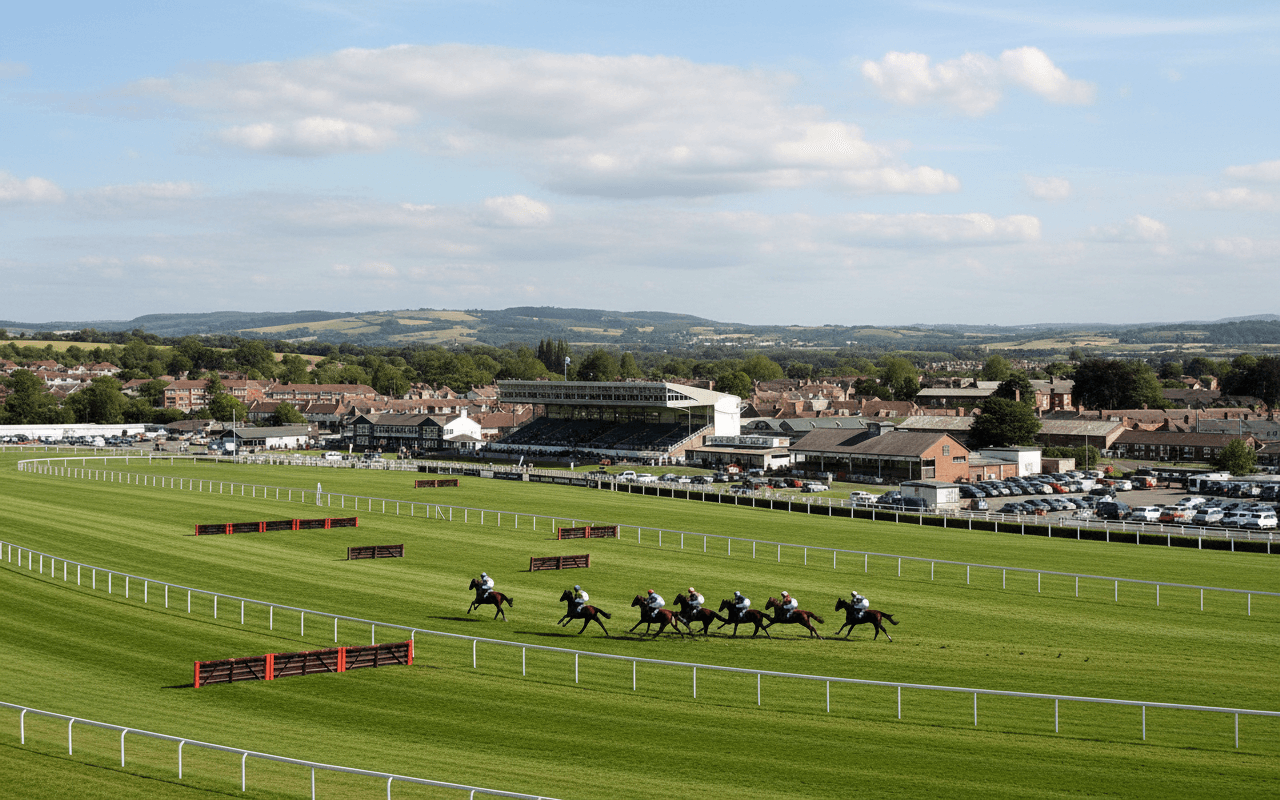
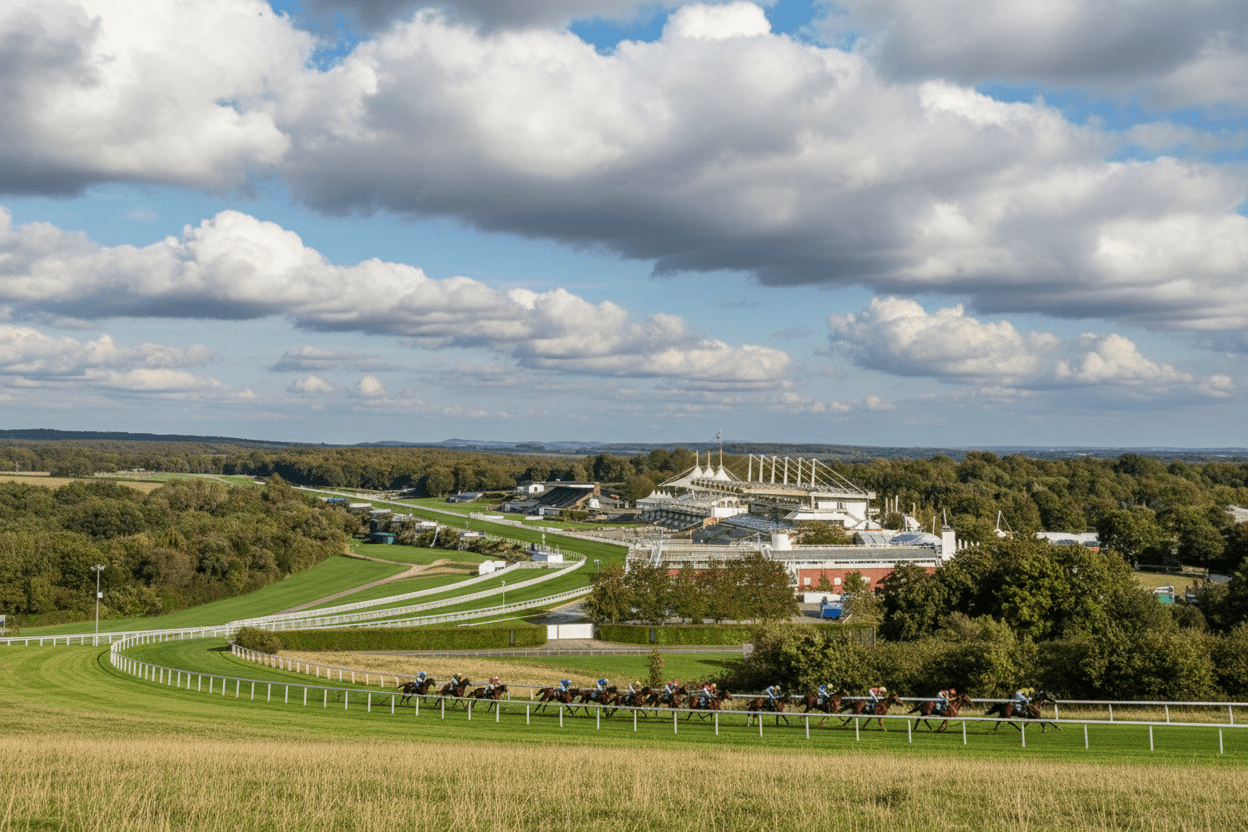
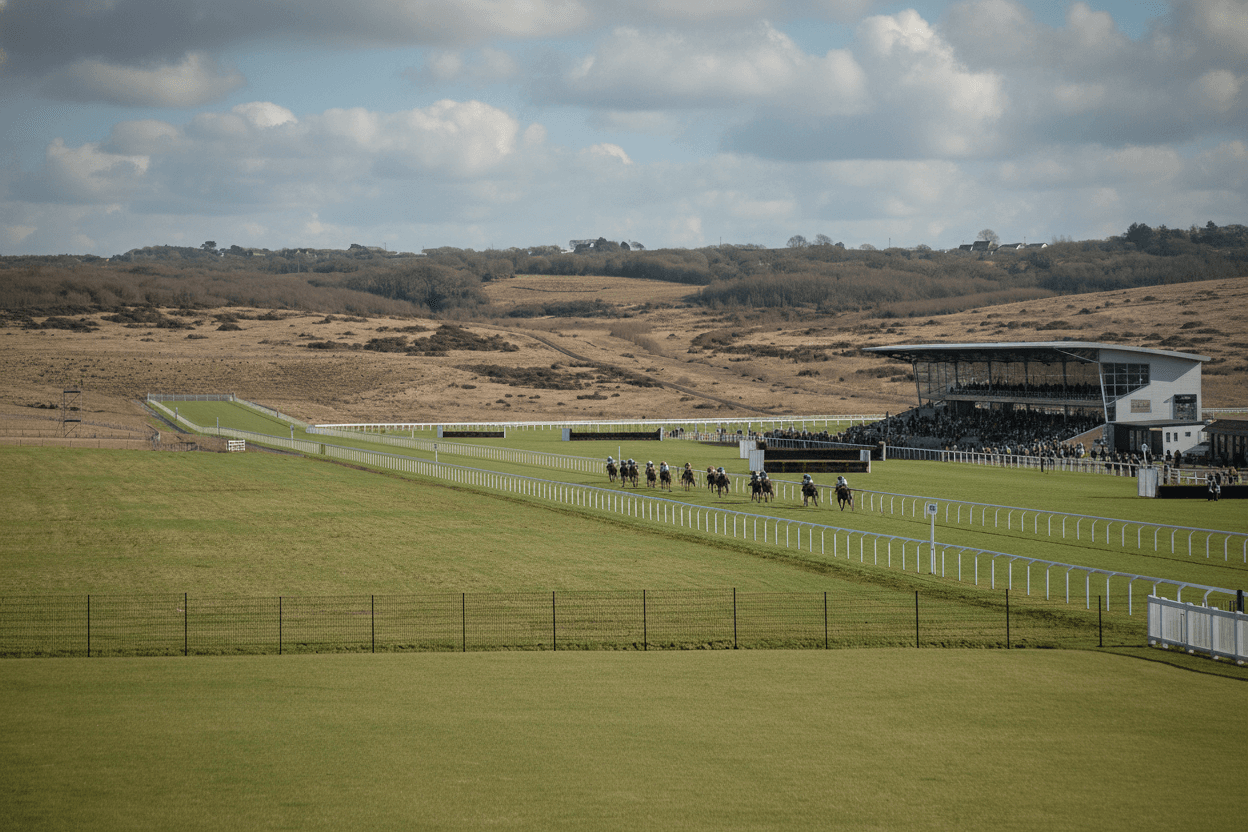
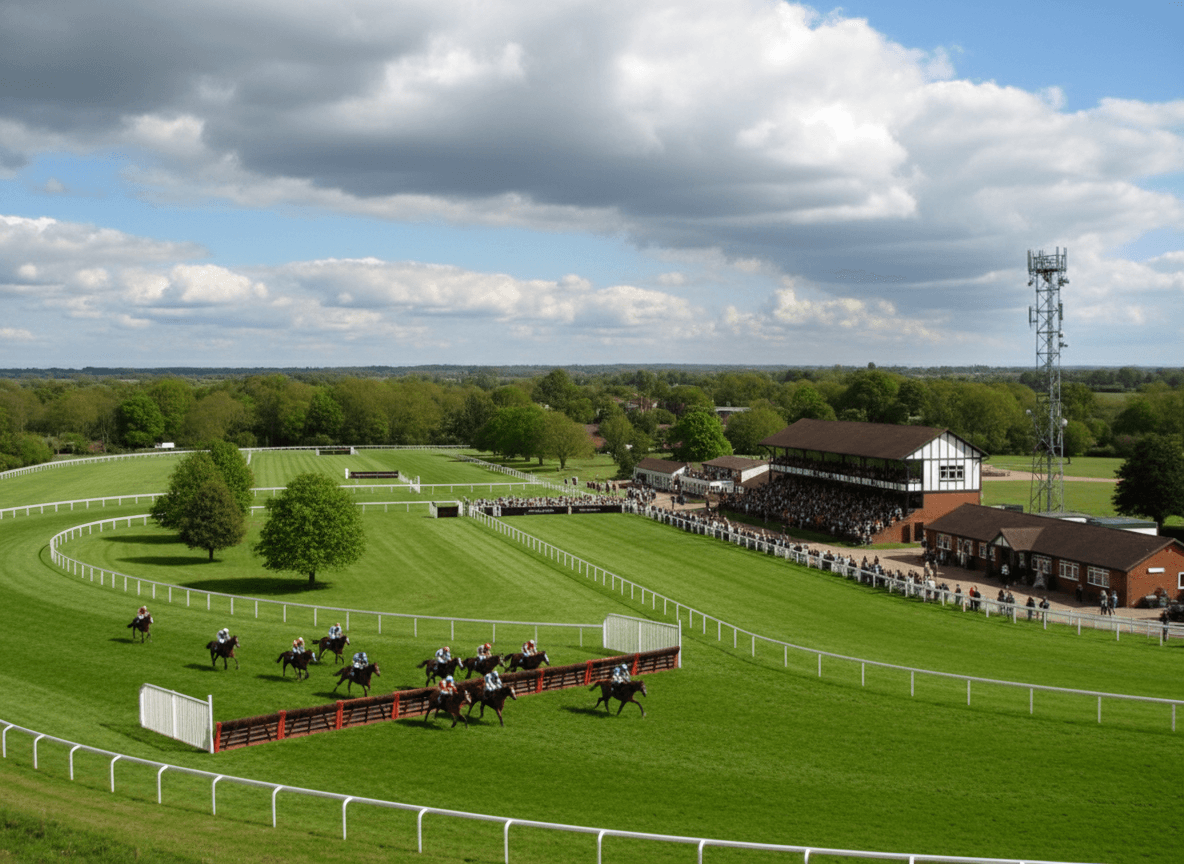
There are courses you visit and forget, and there are courses that stay with you. Fontwell Park belongs firmly in the latter category. Tucked into the gentle folds of West Sussex countryside, it has been drawing racegoers through its gates since Alfred Day opened the track in 1924, and in all that time it has never quite lost the feeling of a well-kept secret — a place where those who know, know.
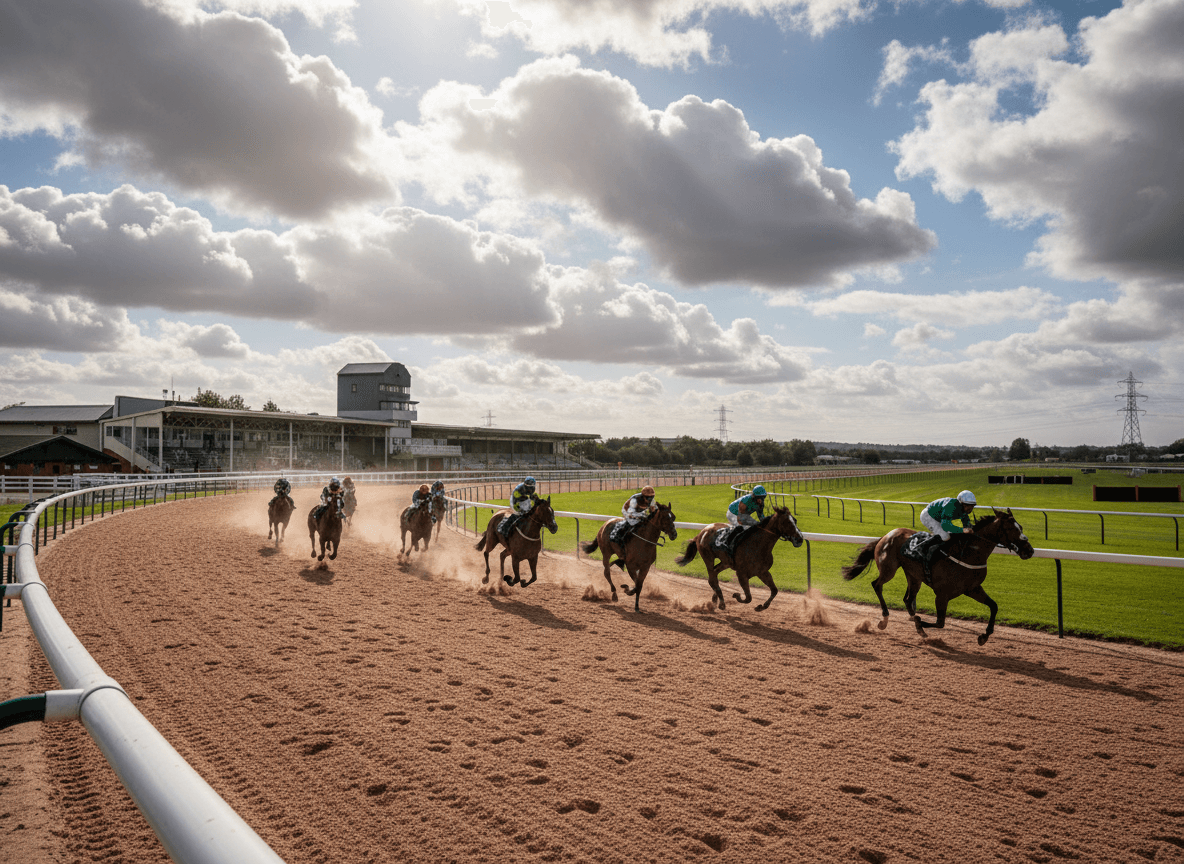
What makes Fontwell immediately, irreducibly distinctive is its layout. The figure-of-eight configuration is a rarity in British racing, and watching horses cross paths mid-race — two streams of movement briefly converging before diverging again — is one of those small spectacles that never quite loses its novelty. It sounds like a curiosity, and it is, but it is also a genuine test. The tight bends, the undulating ground, the demand for balance and precision at every obstacle: Fontwell asks questions that not every horse can answer.
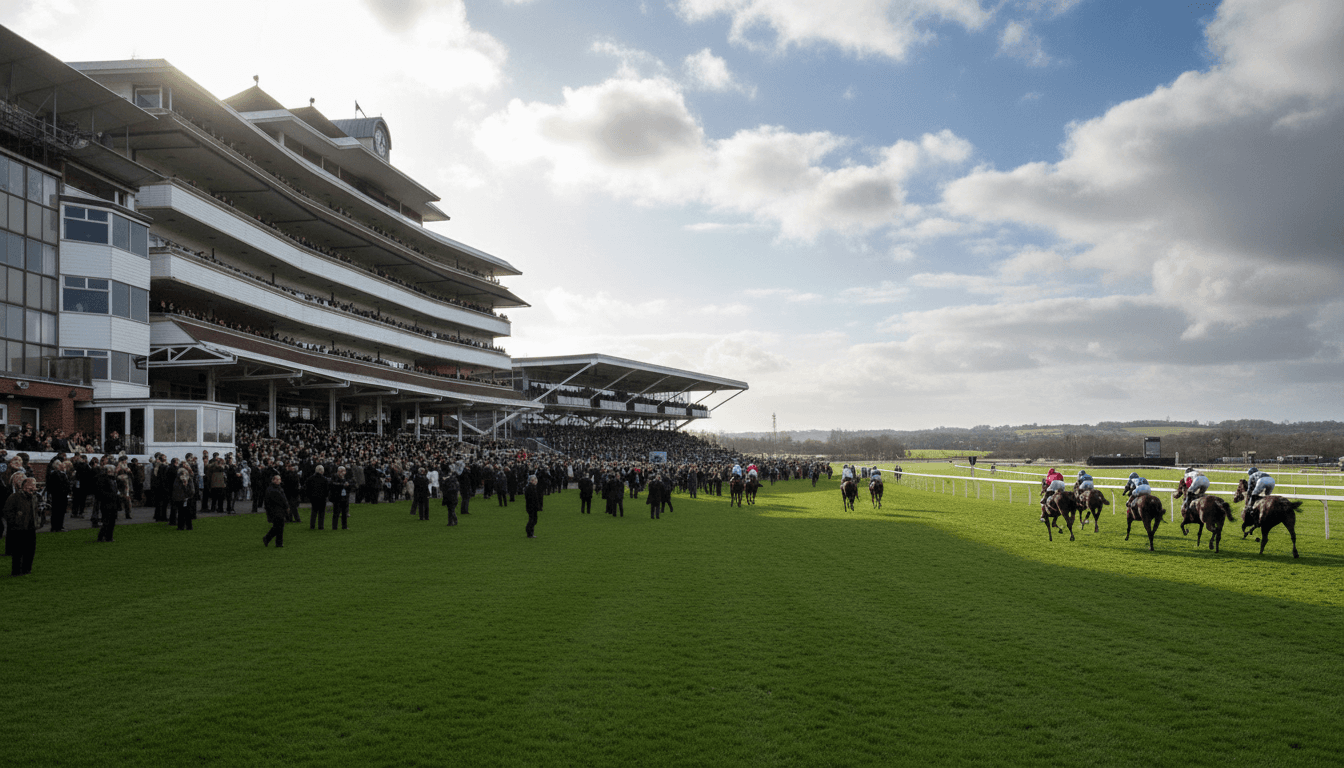
The atmosphere, too, has a quality of its own. Friendly, unhurried, intimate in the way that only a smaller course can be. You are close to the action here, close enough to hear the thud of hooves on turf and the rhythmic grunt of a horse meeting a fence right. It is the kind of racing that reminds you why you fell for this sport in the first place.
This Week's Fixtures: What's On
Fontwell hosts two afternoon fixtures this week, on Sunday, 20 September and Monday, 21 September 2026, each card carrying seven races. Both days are National Hunt cards — hurdles and chases across the track's characteristic distances — and both are set to be run on soft ground.
That going description deserves a moment's consideration. Soft at Fontwell in late September is not unusual; the West Sussex location and the nature of the undulating track mean moisture tends to linger, particularly through the bends and at the lower-lying sections of the circuit. After any meaningful rainfall, the ground here can become genuinely testing, and soft should be taken at face value rather than as a polite euphemism for good-to-soft.
You can find the full racecard for Fontwell Park Sunday, 20 September 2026 and the Fontwell Park Monday, 21 September 2026 card on site. Both afternoons offer solid competitive jump racing, and with the season still finding its early rhythm, there is always the chance of a well-prepared horse arriving with a point to prove.
Reading the Track: What Fontwell Rewards
The figure-of-eight layout creates a course that is, in effect, two separate circuits joined at a crossing point. The chase course and the hurdle course have slightly different characteristics, but both share the same fundamental demands: agility, balance, and the ability to jump accurately under pressure.
The bends at Fontwell are sharp enough to punish any horse that doesn't travel through them fluently. A big, long-striding galloper who needs time and space to find his rhythm can find himself in all sorts of trouble here, particularly in the closing stages when the field tightens and every yard of ground matters. Conversely, a compact, nippy jumper who can switch off behind horses, travel comfortably on the turns, and quicken when asked — that is the Fontwell prototype.
Pace scenarios are worth thinking through carefully. Because the track is relatively short and tight, races here can develop quickly, and the pace is rarely truly honest in the way it might be over a more galloping circuit. Horses who can travel smoothly in mid-division and produce a measured late effort often have the edge over those who front-run and find themselves emptying on the final bend.
The Chase Course
The fences at Fontwell are fair but unforgiving of sloppiness. The figure-of-eight layout means horses must jump on both reins, which places a premium on genuine, well-schooled jumping technique rather than raw boldness. A horse who tends to jump left or right can find the geometry of the track working against him at certain fences. Watch for horses with clean, straight jumping records — they tend to handle Fontwell more comfortably than their more exuberant but less precise rivals.
The Hurdle Course
Over hurdles, the emphasis shifts slightly toward pace and fluency. The tight circuit rewards horses who can maintain rhythm through the bends without losing momentum, and the soft ground this week will further favour those with an efficient, economical action. Horses who bash through hurdles rather than flicking over them neatly will find the going takes more out of them than they might expect.
The Type of Horse That Wins Here
If you are building a profile of the ideal Fontwell performer, it looks something like this:
- Compact and well-balanced — not necessarily small, but proportioned to handle tight turns without losing fluency
- A clean, accurate jumper — one who meets his obstacles well and doesn't waste energy correcting errors
- Effective on soft ground — particularly relevant this week; horses with proven form in testing conditions hold a clear edge
- Course form — Fontwell regulars often know the track well, and previous winners here deserve extra weight in your assessment
- Patient handlers — horses trained to settle and travel, rather than those who need to dominate from the front, tend to be better suited to the tactical nature of racing here
It is also worth noting that the soft ground this week will stretch the stamina of some horses who might look capable on paper. A horse whose form reads well on faster ground but who has never been tested in genuinely testing conditions should be approached with care, regardless of how attractive the price might appear.
Practical Tips for Racegoers and Punters
For those making the trip to West Sussex this weekend, Fontwell is an easy course to enjoy. The viewing is excellent — the figure-of-eight layout means you are rarely far from the action, and the crossing point offers one of the more unusual vantage points in British racing. Arrive early enough to walk the course if you can; the undulations are more pronounced in person than they appear on a racecard, and seeing the ground conditions for yourself before the first race is always worthwhile.
From a betting perspective, a few principles apply particularly well at Fontwell:
- Prioritise course form — it matters more here than at most tracks
- Treat soft ground form as a genuine filter, not a secondary consideration
- Be cautious of short-priced favourites who have never encountered a tight, turning track; the market doesn't always price in the stylistic demands of this course
- Watch the market moves carefully — trainers who know Fontwell well tend to target it deliberately, and support for a well-prepared horse often shows up in the ring before the off
A Final Word
Fontwell Park is not a course that announces itself loudly. It doesn't need to. Its figure-of-eight layout, its intimate atmosphere, its honest demands on horse and jockey — these things have been drawing people back for over a century, and they will continue to do so long after this week's cards have been run and the results filed away.
Whether you are heading to West Sussex in person or following the action from home, both days offer the kind of compact, closely-contested jump racing that Fontwell does better than almost anywhere. Check the full details on the Fontwell Park course page, study the form carefully, and give the soft ground the respect it deserves. The horses who handle these conditions well will tell you everything you need to know.