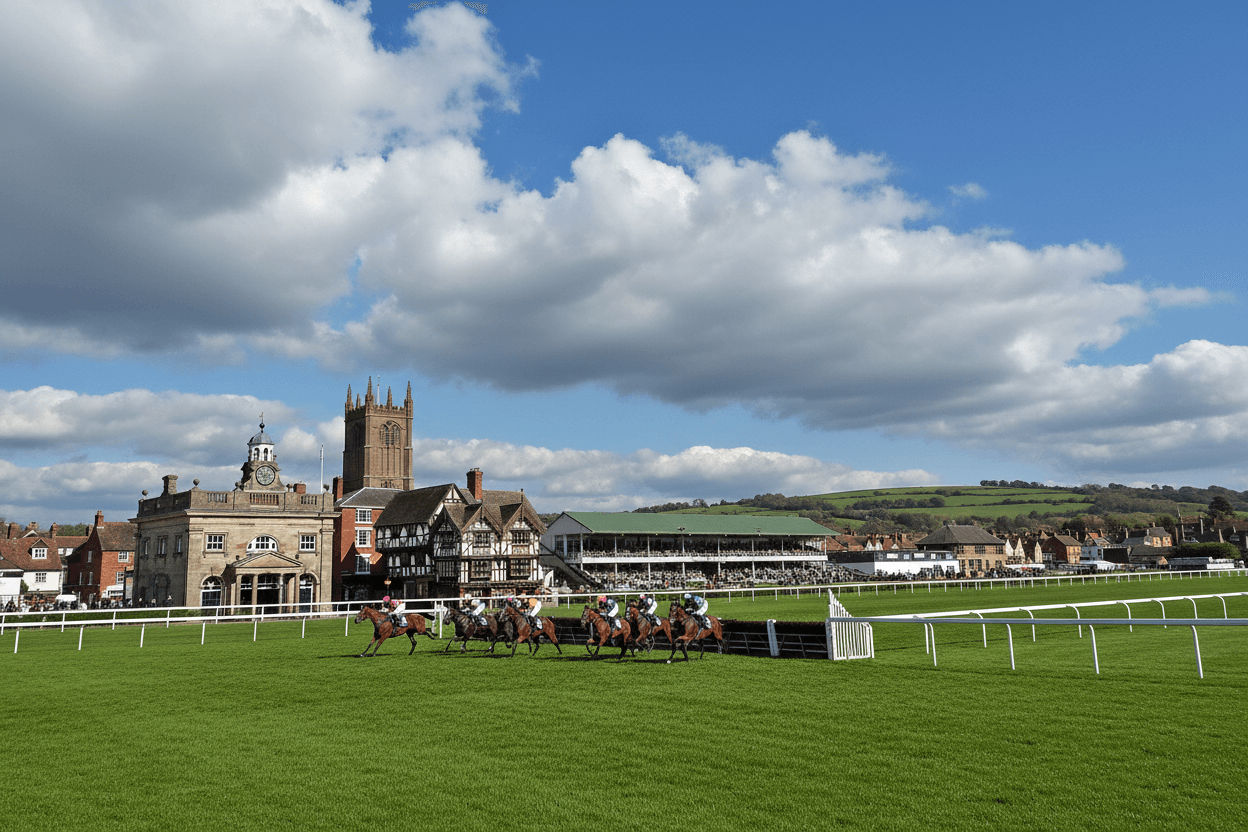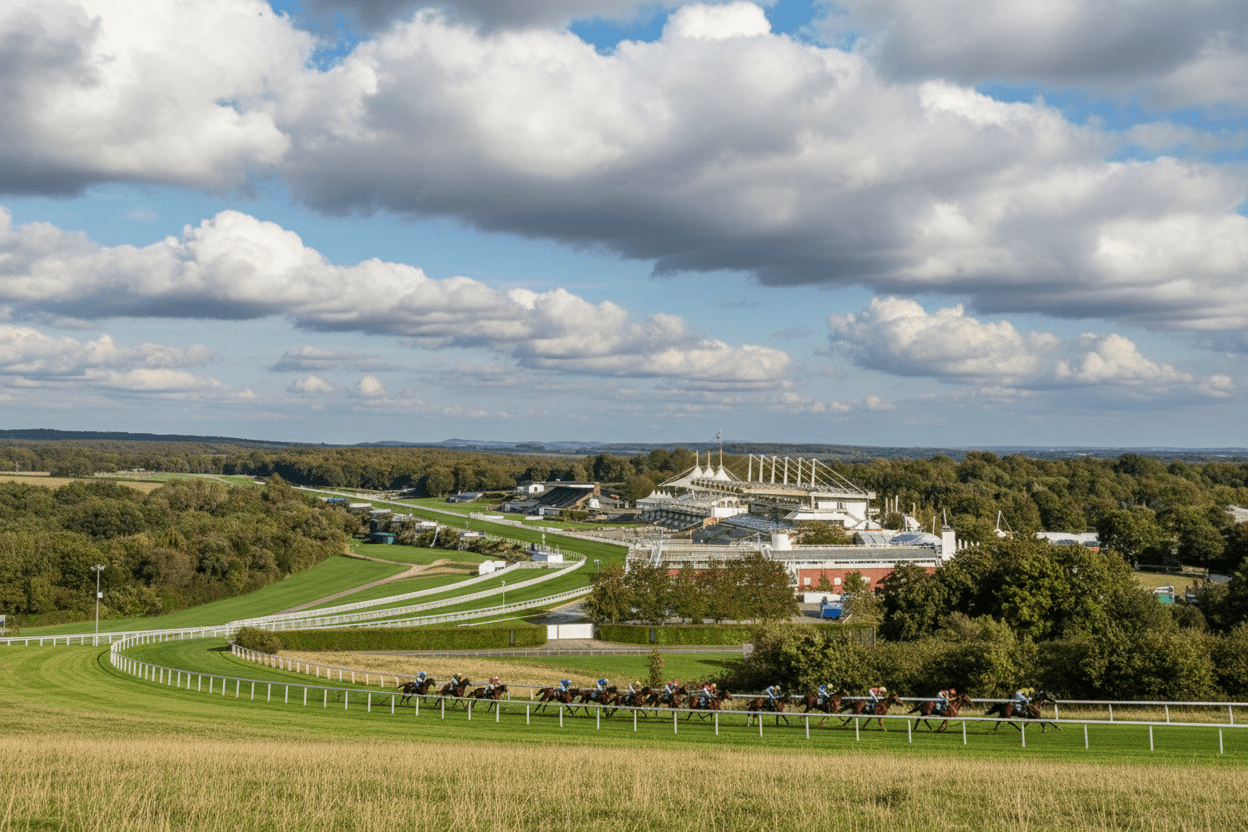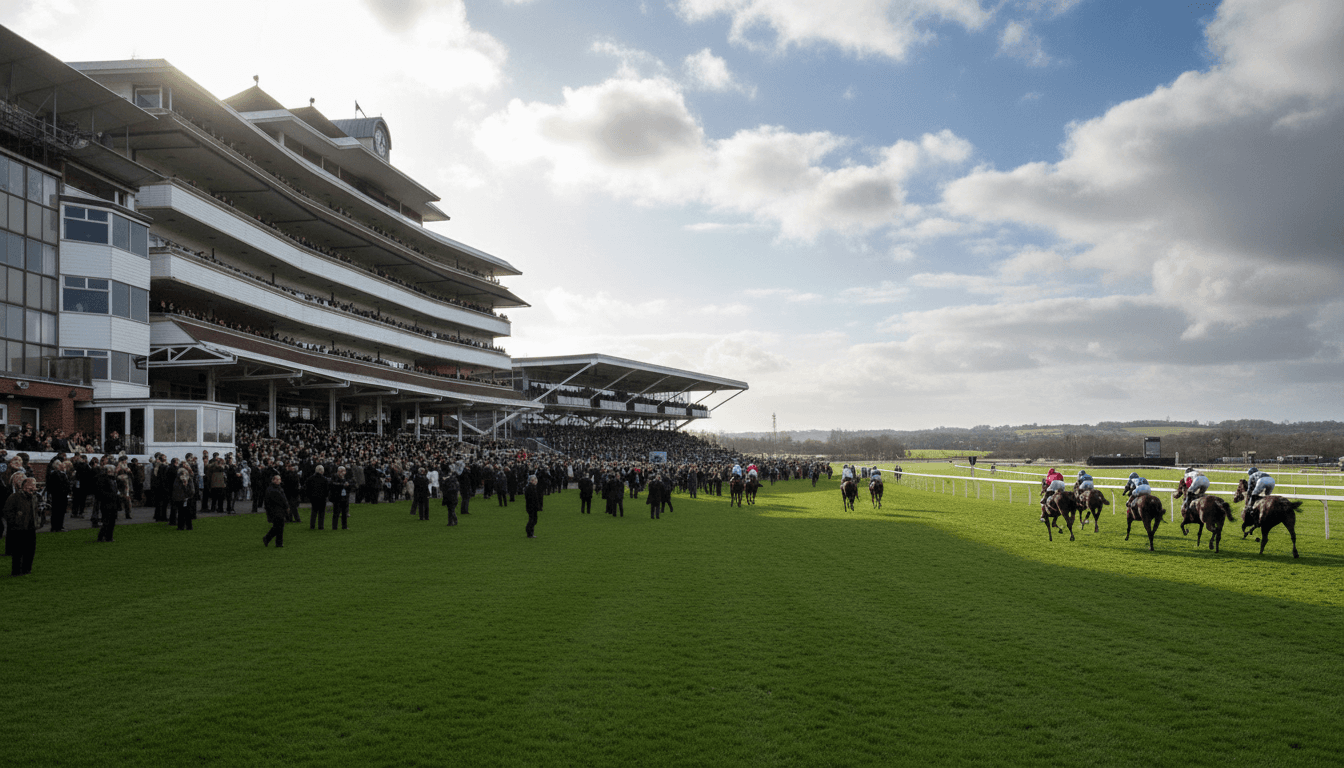
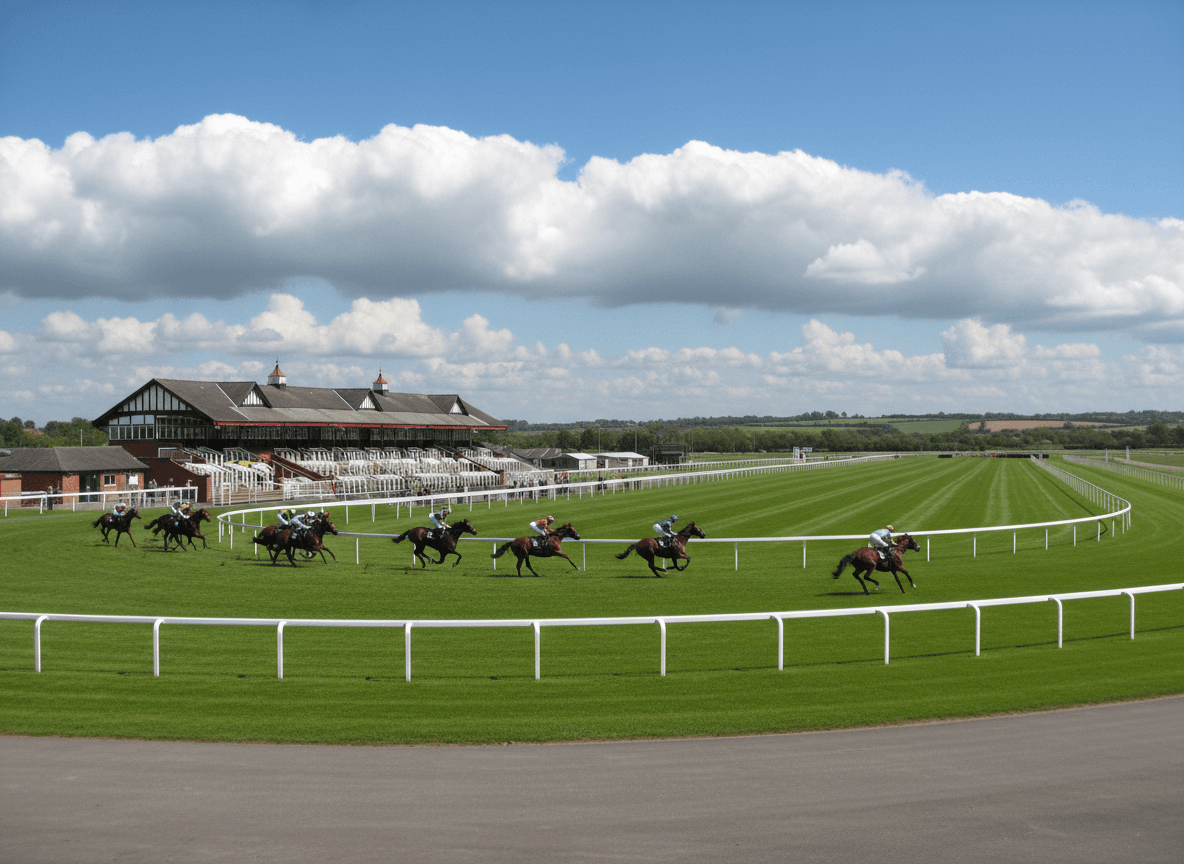
Setting the Scene at Pontefract
Now, I'll be straight with you — when most people think of the big Saturday sprint handicaps in late September, their eyes drift towards Ascot or Newmarket. But don't be fooled, because Pontefract has a habit of serving up cracking competitive handicaps that deserve far more attention than they get. The Ripon Cathedral City of the Dales Handicap Stakes — a Class 2 affair over six furlongs worth fifty grand to the winner — is exactly the kind of race that separates the men from the boys. Twelve declared runners, a rating band of 86 to 105, and Good ground underfoot. This is proper sprint handicap racing, and I am absolutely here for it.
The Pontefract racecard on the 26th of September shapes up as a genuine test of a sprinter's quality. The track at Pontefract is no walk in the park — it's an undulating, turning circuit that puts a premium on course experience and horses that handle the unique camber and geography of the place. You can't just roll up here with raw ability and expect to waltz home. This track bites back, and the draw matters more here than at most venues.
Draw and Going Analysis
Let's get the draw sorted first because on Good ground over six furlongs at Pontefract, it is absolutely a conversation worth having. The track bends left-handed and the run from the stalls to the first turn is relatively short, which means low draws can be advantageous — horses drawn high have to work harder to get a position without burning energy. With twelve runners, stalls one through six have a natural edge, and that's a factor I'm weighting heavily today.
The Good ground suits most of this field, but it's the kind of surface that rewards horses with a bit of class and a clean action — it won't be stopping anyone, but it won't be forgiving any technical flaws either. Horses wearing headgear for the first time or returning to form with a new piece of kit deserve a second look, and we've got a few of those in here.
Contender-by-Contender Breakdown
Dark Thirty (Draw 3, 10-0, Rating 99)
Dark Thirty is the top-rated horse in the field at 99 and carries 10 stone for the John & Sean Quinn yard. Jake Dickson takes the ride, and the horse has a distance winning form flag to his name. At six years of age, he's a seasoned campaigner and the Quinns are no strangers to placing a horse to maximum effect. The concern here is the weight — ten stone in a competitive Class 2 sprint is a serious burden, and you'd need a very good horse to overcome it. He's drawn three which is a decent enough pitch, but I'd want to see his recent form before getting too excited. He's the one to beat on ratings, but the handicapper has made life difficult.
Trefor (Draw 5, 9-10, Rating 95)
Trefor is trained by Charles Hills and comes into this with both course and distance winning form — that's a significant tick in the box at a track as idiosyncratic as Pontefract. Oisin Orr is in the saddle, and he's a rider who knows his way around a sprint handicap. Draw five is ideal — right in the heart of the low-to-middle pack. At 9-10, the weight is manageable, and the combination of proven course form and a top-class jockey makes him a very serious contender. Hills has been in fine fettle and this looks like a yard that means business.
Dark Cloud Rising (Draw 8, 9-7, Rating 92)
Dark Cloud Rising is the David O'Meara runner wearing a visor, and he's got course and distance form to his name. Mark Winn takes the ride, and he's a jockey who rides for O'Meara regularly — that stable confidence matters. The visor is interesting; it suggests O'Meara is trying to sharpen him up mentally, and that can be the difference between a placed horse and a winner. Draw eight is a touch wide for my liking, but not a dealbreaker. He's definitely in the mix.
Indian Run (Draw 12, 9-6, Rating 91)
Indian Run is trained by Julie Camacho and handled by Ryan Sexton. The distance form is there, but draw twelve at Pontefract over six furlongs is a right pain in the neck. Camacho is a fine trainer and knows this track well, but that wide draw is going to cost him ground and energy early. He'd need to be significantly better than his rating suggests to overcome that disadvantage today. I'll leave him alone.
I'm Next (Draw 2, 9-4, Rating 89)
I'm Next is Tim Easterby's first string here, with David Allan in the irons. No course or distance form on the card, which is a mild concern, but draw two is an absolute gift at this track. Easterby trains plenty of winners around here and Allan knows Pontefract inside out. At 9-4 and drawn on the fence effectively, if this horse has been quietly laid out for a race like this, don't be surprised to see him go well at a decent price. He's my each-way interest.
Schrodinger's Cat (Draw 6, 9-4, Rating 91)
Schrodinger's Cat — and what a name, God love him — is Grant Tuer's three-year-old, drawn six and carrying 9-4 off a mark of 91. No form flags to speak of, but the three-year-old age allowance means he's effectively rated competitively, and Tuer is a trainer who doesn't run horses for the good of their health. Draw six is fine. If this lad has been showing something at home, he could be the surprise package at a big price.
Value Picks and Dangers
The dangers to my selection come from a few quarters. Another Baar wears a tongue tie and has both course and distance form — Adrian Keatley's horse is drawn eleven which is wide, but the tongue tie suggests there's been a breathing issue addressed, and that can unlock a horse. Beaujolais Nouveau is the sole filly in the race and has course and distance form — fillies can surprise in these mixed sprint handicaps, and Ben Haslam is a trainer who finds winners in competitive fields. U Sure Do wears both a blinker and tongue tie and has course and distance form — drawn four, that's a lovely pitch, and double headgear changes can be potent. Keep an eye on the market for that one.
Tom's Verdict: The Selection
Right, cards on the table. My selection is Trefor at whatever price the bookmakers are kind enough to offer. Course winner, distance winner, drawn five, top jockey in Oisin Orr, and a trainer in Charles Hills who doesn't send horses to Pontefract for a day out. He's got everything you want in a sprint handicap at this track — proven form, a manageable weight, and a draw that lets him race without drama. Dark Thirty is the danger if he handles the weight, but I'll take the 9-10 over the 10-0 all day long.
Each-way interest falls on I'm Next — that draw two with David Allan is too good to ignore, and Easterby knows how to place a horse for a big Saturday pot.
Get yourself on the Pontefract racecard and enjoy every furlong of it. Sláinte!
Who is the Favourite for the Ripon Cathedral City of the Dales Handicap Stakes?
On ratings alone, Dark Thirty heads the market as the top-rated runner at 99, but the ten-stone burden makes him a tricky proposition. Expect Trefor to be strongly fancied in the betting given his course and distance winning form, the assistance of Oisin Orr, and a more manageable weight of 9-10. Check the market as race time approaches, as these things can shift significantly in a twelve-runner Class 2 handicap.
Does the Draw Matter at Pontefract Over 6 Furlongs?
Absolutely it does. Pontefract is a left-handed, undulating track where the run to the first bend over six furlongs is relatively short. Low draws — particularly stalls one through six — carry a natural advantage as horses avoid having to cross the track to find a position. High draws such as eleven and twelve face a tougher task and need either a fast start or a very strong gallop to compensate. It's a factor that should influence your betting decisions today.
Which Trainers are Best to Follow at Pontefract?
David O'Meara is the standout trainer to follow at Pontefract — he's based locally in North Yorkshire and his runners here consistently outperform their odds. Tim Easterby is another trainer with a superb record at the track. Julie Camacho and the Quinn yard also know the course well. Charles Hills, while based further south, has shown he can place a horse to win at tracks outside his usual southern stomping ground, and Trefor's course form speaks for itself.