Fixture Abandoned Due to Track Concerns
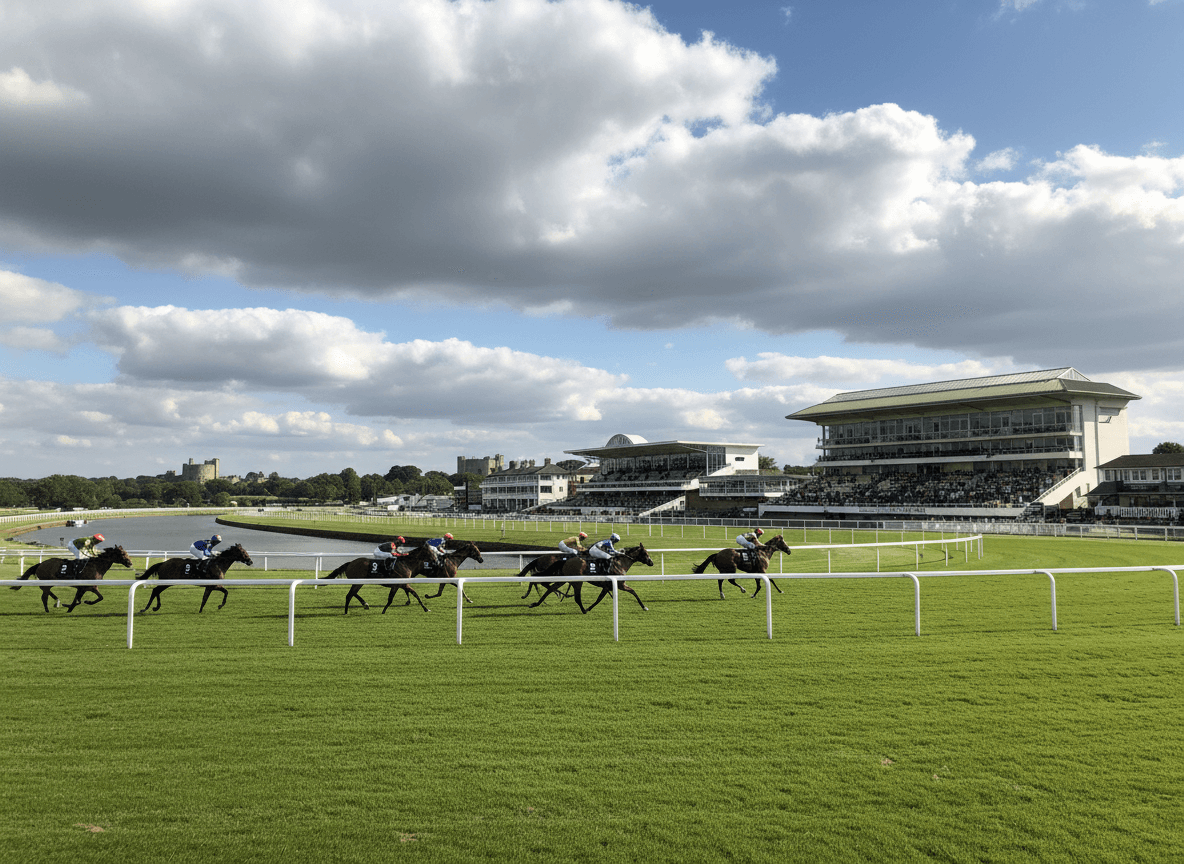
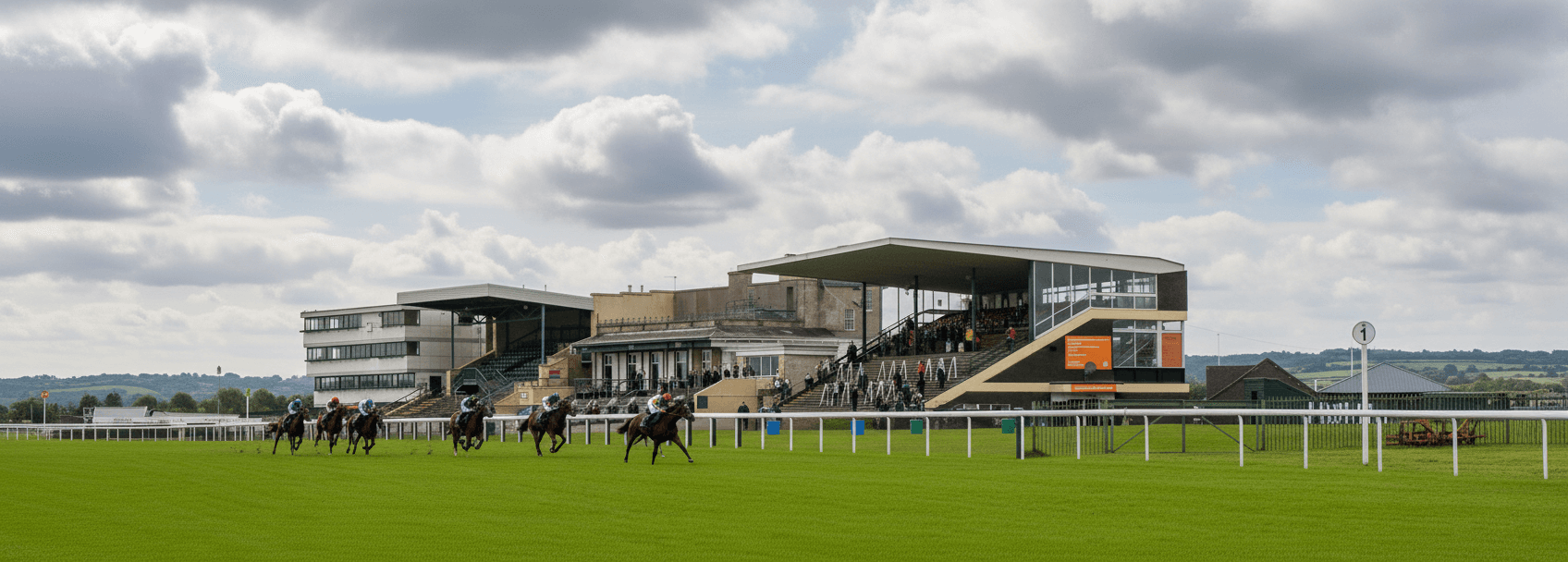
Thursday evening's racing at Bath has been abandoned following an inspection that revealed localised track damage requiring immediate attention. The decision, taken with full support from the BHA Inspector, sees the entire six-race fixture transferred to Windsor to ensure continuity for connections and punters alike.
The abandonment marks a rare occurrence at the Somerset venue, which has built a reputation for consistent racing surfaces throughout its season. The track damage, described as localised but significant enough to warrant abandonment, will now receive the necessary remedial work without the pressure of an imminent fixture.
Windsor Steps In for Emergency Transfer
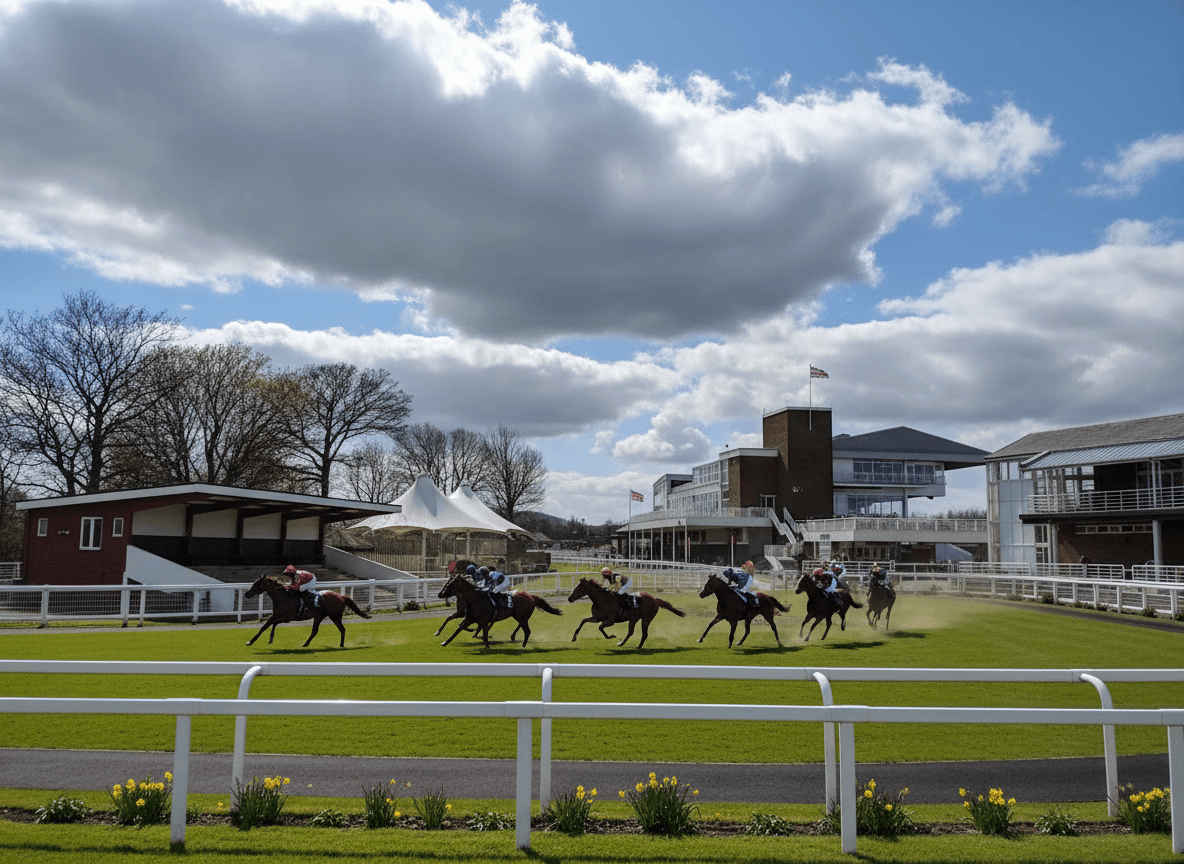
The Bath racecard will now run at Windsor, with the unusual start time of 22:00 reflecting the logistical challenges of such a transfer. The six races, ranging from Class 4 to Class 6 contests, will retain their original conditions and prize money allocations, ensuring minimal disruption to the competitive structure.
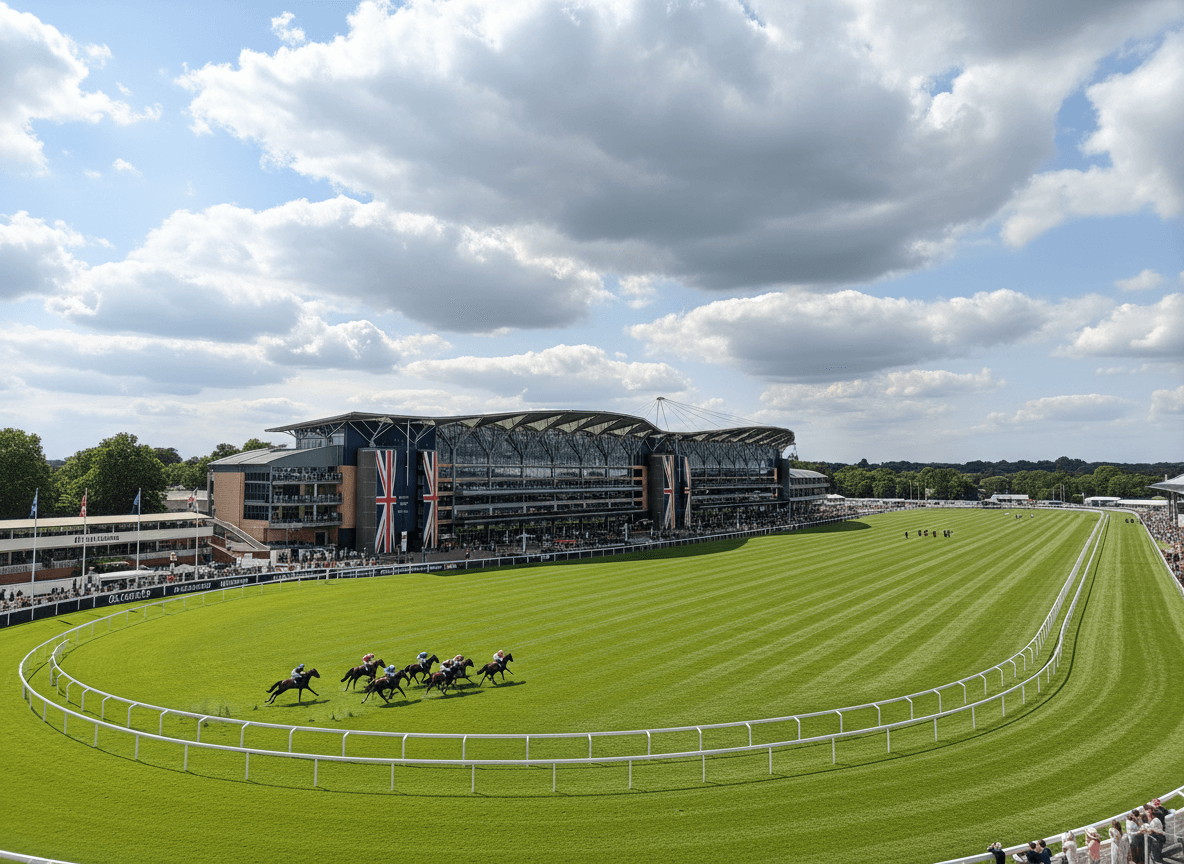
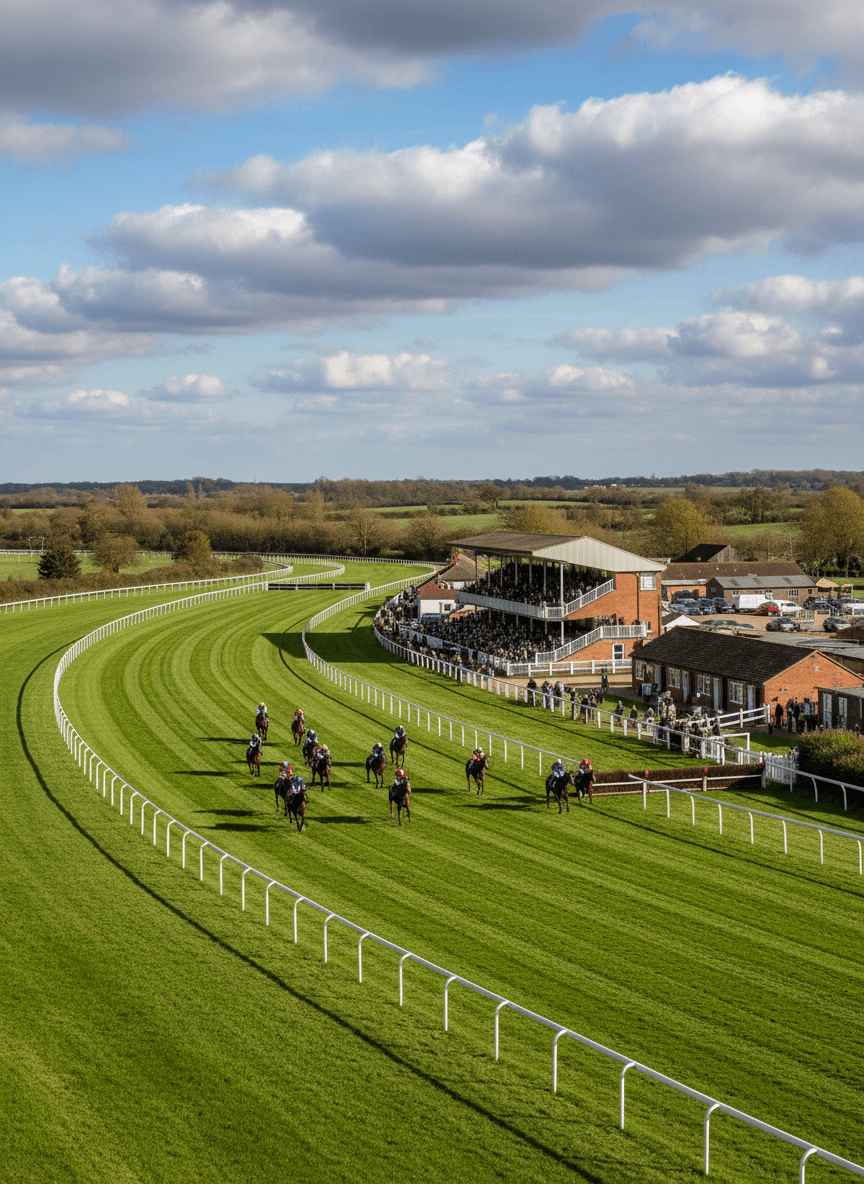
Windsor's all-weather surface provides a stark contrast to Bath's turf track, fundamentally altering the dynamics that would have shaped Thursday's contests. The figure-of-eight layout at Windsor, with its unique camber and testing climb to the finish, will present entirely different tactical considerations compared to Bath's more conventional left-handed oval.
Distance Variations and Course Characteristics
The transferred races span distances from five furlongs to the extended mile-and-three-furlong trip, each presenting distinct challenges on Windsor's polytrack surface. The shorter sprints will benefit from Windsor's straight five-furlong course, while the longer contests will navigate the track's distinctive undulations and testing finish.
Bath's renowned draw bias, particularly significant over the shorter distances, becomes irrelevant in this transfer. Windsor's different configuration and surface composition will reset the tactical calculations that trainers and jockeys had prepared for the original venue.
Prize Money and Classification Maintained
Despite the venue change, the fixture retains its original prize money structure, with the feature contest being the Class 4 maiden stakes worth £10,000. This Great British Bonus scheme race over six furlongs and 210 yards would have suited Bath's characteristics perfectly, but the transfer to Windsor's polytrack introduces new variables for the three-year-old-plus field.
The evening's other highlights include a Brighton Summer Sprint Series qualifier, adding seasonal context to what becomes an unusual chapter in the qualification process. The Class 6 sprint, originally scheduled over Bath's five furlongs and 215 yards, will now test competitors over Windsor's straight five-furlong course.
Going Conditions Reset
The transfer eliminates the going considerations that would have influenced selection at Bath. Windsor's consistent polytrack surface provides a level playing field, though one that may not suit all horses that were targeted at Bath's turf.
Trainers who specifically entered horses based on Bath's characteristics must now recalibrate their expectations. The all-weather surface typically favours different types of horses, often suiting those with a more mechanical action over the flowing stride patterns that excel on turf.
Implications for Connections and Punters
The venue change creates both opportunities and challenges for connections. Horses with proven all-weather form suddenly gain significant advantages, while those specifically targeted at Bath's unique characteristics may find themselves disadvantaged.
The late evening start time, necessitated by the emergency transfer, adds another layer of complexity. Some horses perform differently under floodlights, and the unusual timing may affect both horse and human participants.
For punters, the transfer essentially creates six new races with familiar names but entirely different dynamics. Previous course form becomes irrelevant, and the focus shifts to all-weather performance and adaptability to Windsor's specific challenges.
Recovery Process at Bath
The abandonment allows Bath's groundstaff to address the track damage without the time pressure of an imminent fixture. The nature of the damage, while significant enough to warrant abandonment, appears to be localised rather than systemic, suggesting a relatively swift resolution.
The course's commitment to safety and racing integrity, demonstrated by the proactive abandonment decision, reinforces its reputation for responsible track management. The willingness to abandon rather than risk horse or jockey safety reflects modern racing's evolved approach to surface conditions.
Looking Ahead
While Thursday's abandonment disrupts the immediate racing schedule, the swift arrangement of the Windsor transfer demonstrates the sport's adaptability in challenging circumstances. The unusual evening will provide valuable data about emergency fixture transfers and their practical implications.
For Bath, the focus now shifts to remedial work and preparation for future fixtures. The track's established reputation suggests a swift return to normal operations once the localised damage receives appropriate attention.
The transferred fixture, while presenting entirely different challenges than originally anticipated, maintains the competitive structure that connections and punters expect. Windsor's role as emergency host showcases the collaborative nature of British racing when circumstances demand flexibility and quick thinking.