
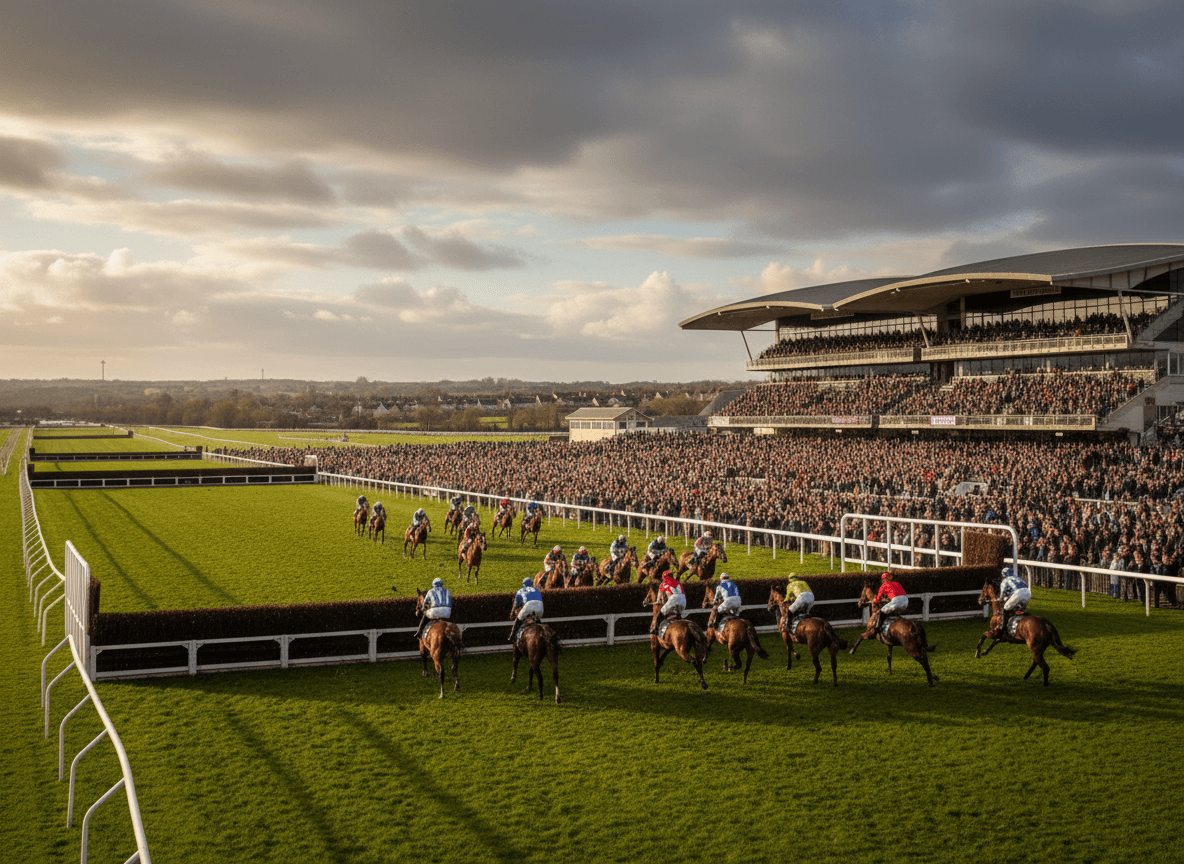
With the 2026 Grand National looming on Saturday 11th April, the world's most famous steeplechase is already capturing the imagination of racing fans worldwide. While final declarations remain months away, seasoned National watchers know that identifying potential winners requires understanding the historical patterns and preparation methods that separate the also-rans from the champions.
The Grand National tips and previews will intensify as we approach Aintree, but early preparation is key to spotting value before the bookmakers catch on.
The Winning Profile: What History Teaches Us
Statistical analysis of Grand National winners reveals a remarkably consistent profile that punters ignore at their peril. The age sweet spot remains firmly between 8-10 years old, with horses in this bracket accounting for over 70% of winners in the past two decades. Younger horses often lack the experience to navigate Aintree's unique challenges, while older campaigners frequently struggle with the handicapper's burden.
Weight allocation proves equally crucial. Horses carrying under 11 stone have dominated recent renewals, with the handicapper's art ensuring that lightly-weighted runners often possess the stamina reserves necessary for the gruelling four-and-a-half-mile test. The last horse to win carrying more than 11st 5lbs was Many Clouds in 2015, highlighting how punitive top weights have become.
Stamina credentials are non-negotiable. Proven form over three miles plus, ideally with multiple completions at the distance, separates genuine contenders from pretenders. The National's unique demands mean that pure speed rarely trumps staying power, particularly in testing ground conditions that frequently prevail in April.
Previous Aintree experience cannot be understated. The Aintree racecourse guide reveals why familiarity with the track's undulations and unique fence construction provides significant advantages. Horses with prior course experience, whether successful or not, demonstrate measurably better completion rates than Aintree debutants.
Trainers to Follow: The National Specialists
Certain training operations consistently excel in National preparation, understanding the delicate balance between peak fitness and preserving a horse's jumping confidence. The big Irish yards have dominated recent years, with trainers like Gordon Elliott, Willie Mullins, and Henry de Bromhead possessing both the quality of horse and tactical acumen necessary for National success.
Elliott's methodical approach particularly stands out, with his runners typically showing progressive form through the winter before peaking in April. His understanding of when to run horses hard and when to preserve them has yielded multiple National victories, making any Elliott-trained runner worthy of serious consideration.
Among British trainers, those with proven National Hunt credentials rather than dual-purpose operations tend to excel. Trainers who understand the unique demands of staying chases and aren't afraid to give their horses searching preparation runs often see their patience rewarded at Aintree.
The key identifier is trainers who specifically target the National rather than stumbling into it. Those who map out campaigns months in advance, using specific prep races and timing their horse's peak, consistently outperform those taking opportunistic approaches with horses not specifically prepared for the unique Aintree test.
Trial Races That Matter Most
The Becher Chase in December represents the gold standard of National preparation races. Run over the same fences at Aintree, it provides invaluable course experience while revealing which horses possess the tactical speed and jumping ability to handle the unique obstacles. Becher Chase runners consistently outperform the field average in the subsequent National.
Haydock's Grand National Trial in February offers another crucial pointer, particularly for horses needing to prove their stamina credentials. The race's timing allows for one final serious preparation run, while its competitive nature ensures only genuine stayers prevail.
The Irish Grand National at Fairyhouse provides perhaps the most reliable guide to National prospects. The race's similar demands and competitive nature make it an ideal stepping stone, with Irish National winners and placed horses showing exceptional National records. The race also identifies horses capable of handling big-field handicaps under pressure.
Cheltenham's Ultima Handicap Chase, while shorter than ideal, often highlights horses with the class and tactical speed to be competitive in top-level handicaps. The race's position during the Festival also reveals which horses retain their enthusiasm after hard races, a crucial factor for National success.
Why Outsiders Can Win: The Great Leveller
The National's unique nature as both a test of stamina and jumping creates opportunities for outsiders that simply don't exist in conventional races. The sheer distance means that early pace becomes irrelevant, allowing horses with superior staying power to gradually work their way into contention regardless of their starting position.
The handicapping system works particularly effectively over the National's extreme distance, with weight differences becoming magnified over four and a half miles. A horse carrying 7lbs less than the topweight gains a significant advantage that compounds with every fence jumped and every furlong covered.
Field size also works in outsiders' favour. With 40 runners creating inevitable traffic problems and jumping errors, luck in running becomes crucial. Well-handicapped horses finding clear passages can suddenly find themselves in winning positions, explaining why 25/1 shots regularly feature in the finish.
The fences themselves act as levellers, with superior jumping technique often more valuable than pure class. Horses that might struggle in Grade 1 company can excel at Aintree if they possess the jumping ability and stamina to stay competitive when others tire or make mistakes.
What Should You Look for When Entries Are Released?
Official ratings between 140-155 represent the sweet spot for National contenders. Horses rated significantly higher often carry prohibitive weights, while those rated lower typically lack the class necessary to be competitive in such a valuable handicap. This rating band has produced the vast majority of recent National winners.
Form figures over three miles and beyond are essential, but pay particular attention to completion rates rather than just winning form. Horses that consistently finish their races, even when beaten, demonstrate the reliability necessary for National success. A horse that pulls up regularly, regardless of ability, represents poor National value.
Jumping statistics require careful analysis. Look for horses with clean jumping records in competitive handicaps, particularly those who have never fallen in a race. While unseating incidents can be forgiven, horses with multiple falling incidents rarely possess the careful jumping technique necessary for Aintree success.
Ground versatility proves crucial given April's unpredictable weather. Horses with proven form on Good to Soft ground or softer provide insurance against testing conditions, while those dependent on fast ground represent significant risks given Aintree's typical spring conditions.
How Important Are Jockey Bookings in the National?
Last-minute jockey changes often provide crucial intelligence about connections' confidence levels. When top jockeys switch mounts close to the race, it usually indicates that they've identified a horse with superior winning chances, making such moves worth following.
Experienced National jockeys possess invaluable course knowledge that can prove decisive in such a tactical race. Riders who understand when to be patient and when to make their moves often extract superior performances from their mounts, making jockey form at Aintree as important as the horses themselves.
Which Horses Have the Best Chance of Completing the Course?
Completion rates correlate strongly with previous Aintree experience and proven stamina over extended distances. Horses with multiple course appearances, regardless of finishing positions, demonstrate significantly higher completion rates than course debutants. Combined with proven form over three miles plus, these factors provide the most reliable predictor of which horses will be involved in the business end of the race.
When Should You Place Your National Bets for Best Value?
Early betting often provides superior value, particularly for horses from unfashionable connections that may be overlooked by casual punters. However, the period immediately after the weights are published typically offers the best balance between value and information, allowing informed punters to identify well-handicapped horses before public opinion fully forms.
As we build towards the 2026 renewal, these historical patterns and preparation methods will once again separate the serious contenders from the hopeful outsiders. Understanding these factors provides the foundation for successful National punting, whether you're seeking the winner at long odds or simply hoping to identify horses capable of providing each-way value in racing's ultimate lottery.
For comprehensive coverage as the race approaches, our Grand National betting guide will provide detailed analysis of all the key contenders once the final field is confirmed.