What Is the Grand National?
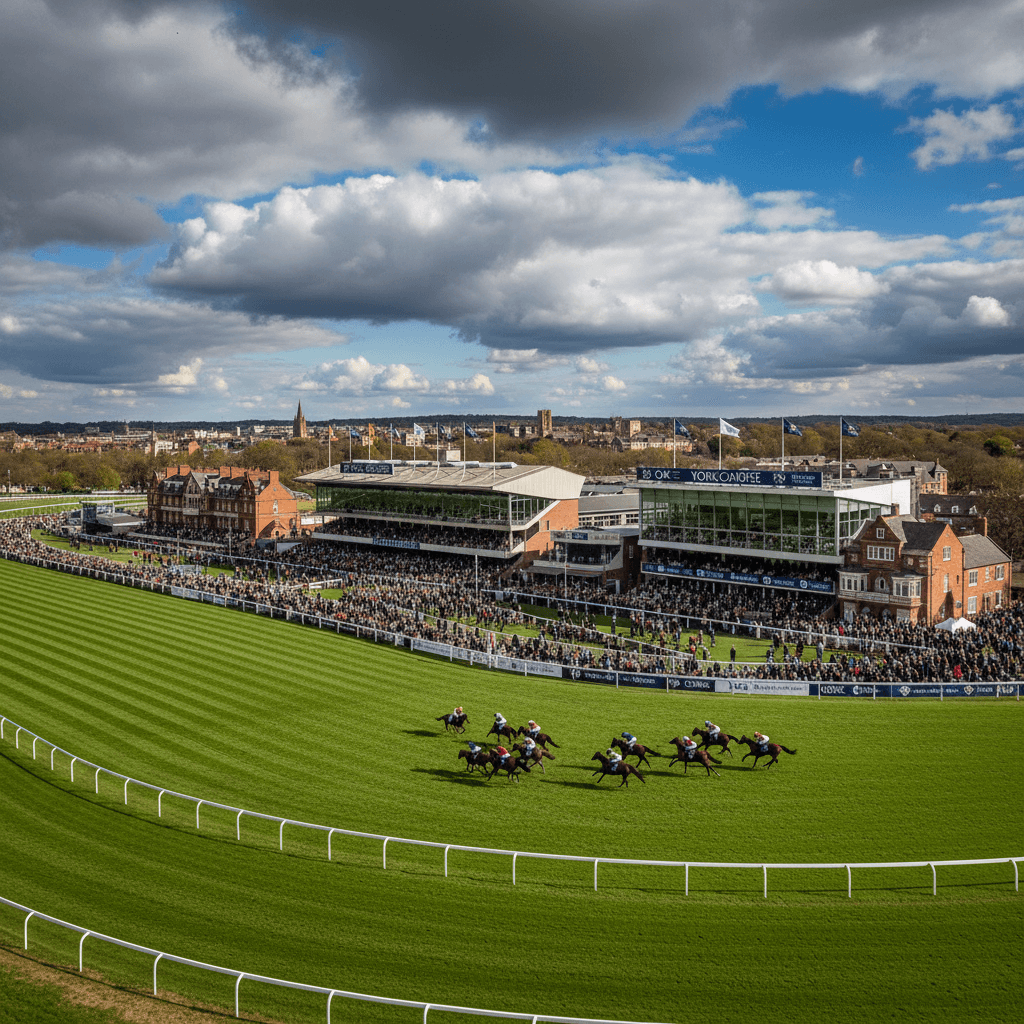
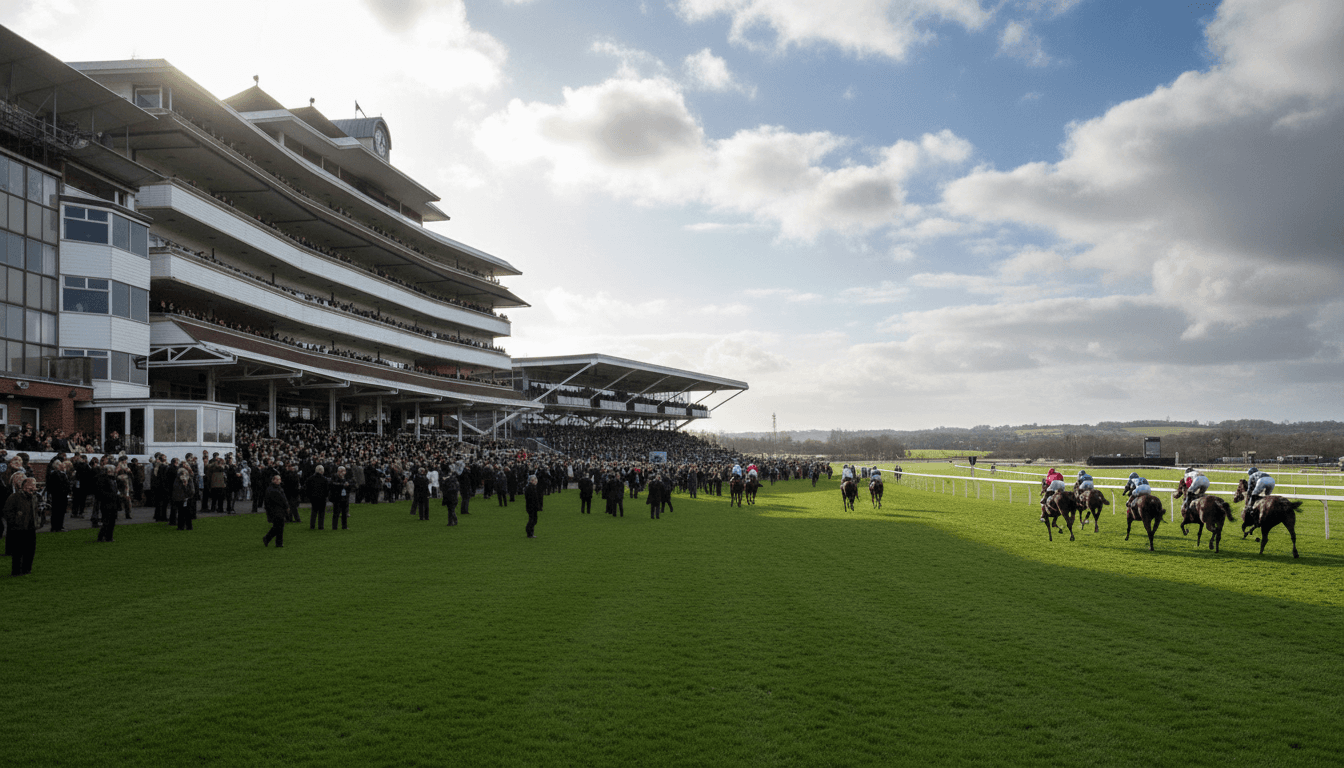
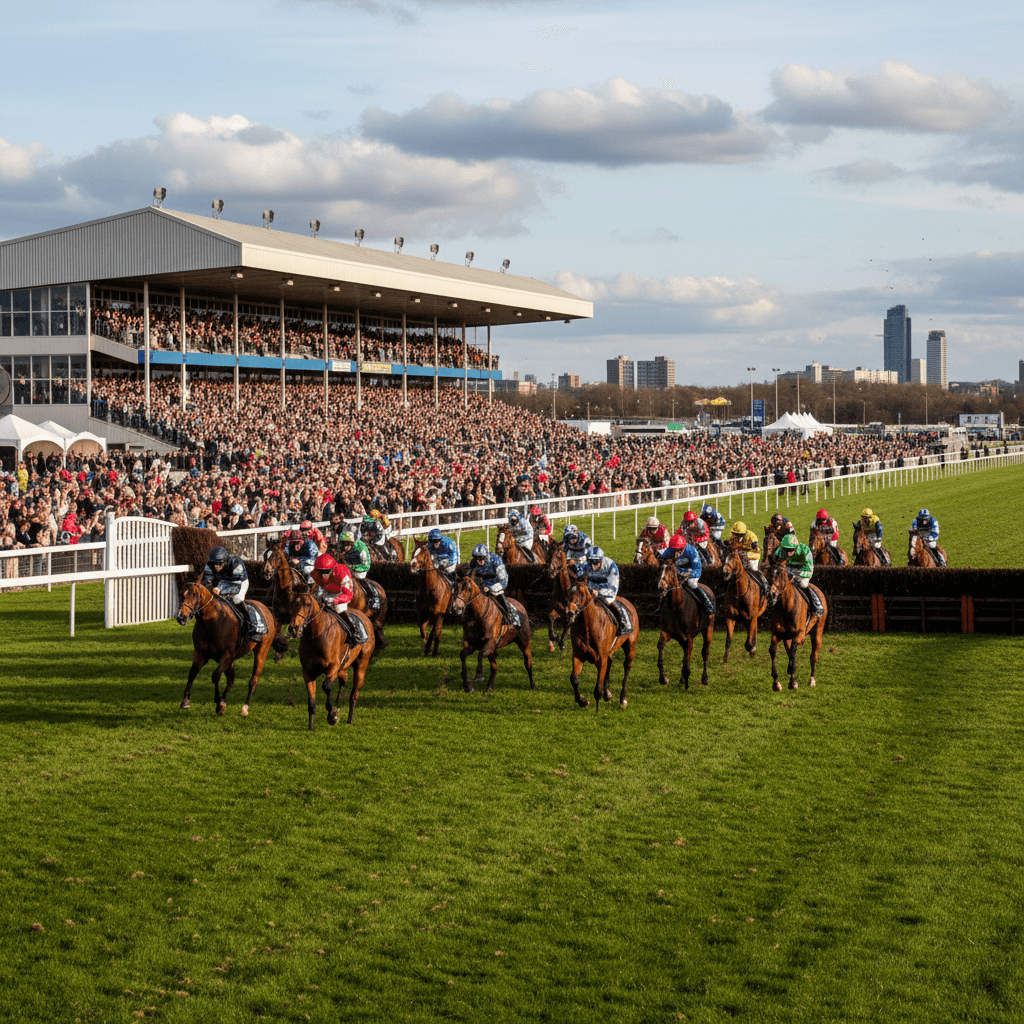
The Randox Grand National is the most famous horse race in the world. Run over 4 miles 2½ furlongs at Aintree Racecourse in Liverpool each April, it features up to 40 runners jumping 30 unique fences over two circuits. It is watched by an estimated 600 million people in 140 countries and attracts more casual bettors in a single afternoon than almost any other sporting event.
Its appeal lies in its unique combination of drama, danger, and democracy. A 100/1 outsider can win — and often does. The Grand National is the great leveller of horse racing.
When Is the Grand National?
The Grand National is run on the Saturday of the Aintree Grand National Festival — typically the first or second weekend in April. In 2026, the race takes place on Saturday 11 April.
The Aintree Course and Fences
The Grand National course is unlike any other in jump racing. The fences are unique to Aintree and present challenges not found elsewhere:
- Becher's Brook — The most famous fence in racing. Features a significant drop on the landing side that can catch horses and jockeys by surprise.
- The Chair — The tallest fence on the course, 5ft 2in high with a 6ft ditch in front. Jumped only once, on the first circuit.
- The Water Jump — Located in front of the stands, the only non-jumping fence on the course.
- Canal Turn — Requires a sharp left turn immediately after jumping, testing horsemanship and agility.
- Valentine's Brook — Another fence featuring a brook on the landing side.
Grand National Betting
The Grand National is unique in the betting market. With 40 runners and unpredictable outcomes, the field is spread across a wide range of odds from 4/1 down to 100/1 or bigger for some runners.
Key betting strategies
- Each-way is essential — Bookmakers pay five places each-way for the Grand National, usually at 1/4 odds. A horse returning 20/1 or bigger has huge each-way value.
- Handicap ratings matter — The ideal Grand National horse runs off a mark between 140 and 160. Too high, and the horse carries too much weight over four miles. Too low, and it may not be good enough.
- Experience counts — Horses that have run at Aintree before, especially over the National fences, have a significant advantage.
- Stamina is everything — Four miles over 30 fences is an extraordinary test. Any doubt over a horse's stamina should be taken seriously.
- The weight draw matters — Horses drawn in the middle of the field tend to avoid trouble better than those on the wide outside.
Famous Grand National Winners
The National has produced some of racing's most iconic moments:
- Red Rum — Three-time winner (1973, 1974, 1977), the most famous racehorse in British history
- Foinavon — Won at 100/1 in 1967, clearing the famous pile-up at fence 23 that brought down most of the field
- Tiger Roll — Back-to-back winner in 2018 and 2019
- Minella Times — Won in 2021, ridden by Rachael Blackmore who became the first female jockey to win the race
Frequently Asked Questions
How many fences are in the Grand National?
There are 30 fences in total — 16 unique fences jumped on the first circuit, with 14 repeated on the second (The Chair and Water Jump are only jumped once).
How long is the Grand National?
4 miles 2½ furlongs — approximately 6.9 kilometres. It typically takes the winner around 9 minutes to complete the course.
How many runners are in the Grand National?
Up to 40 horses can run, making it the largest field of any major jump race in Britain.