Weekend Jump Racing Returns North of the Border
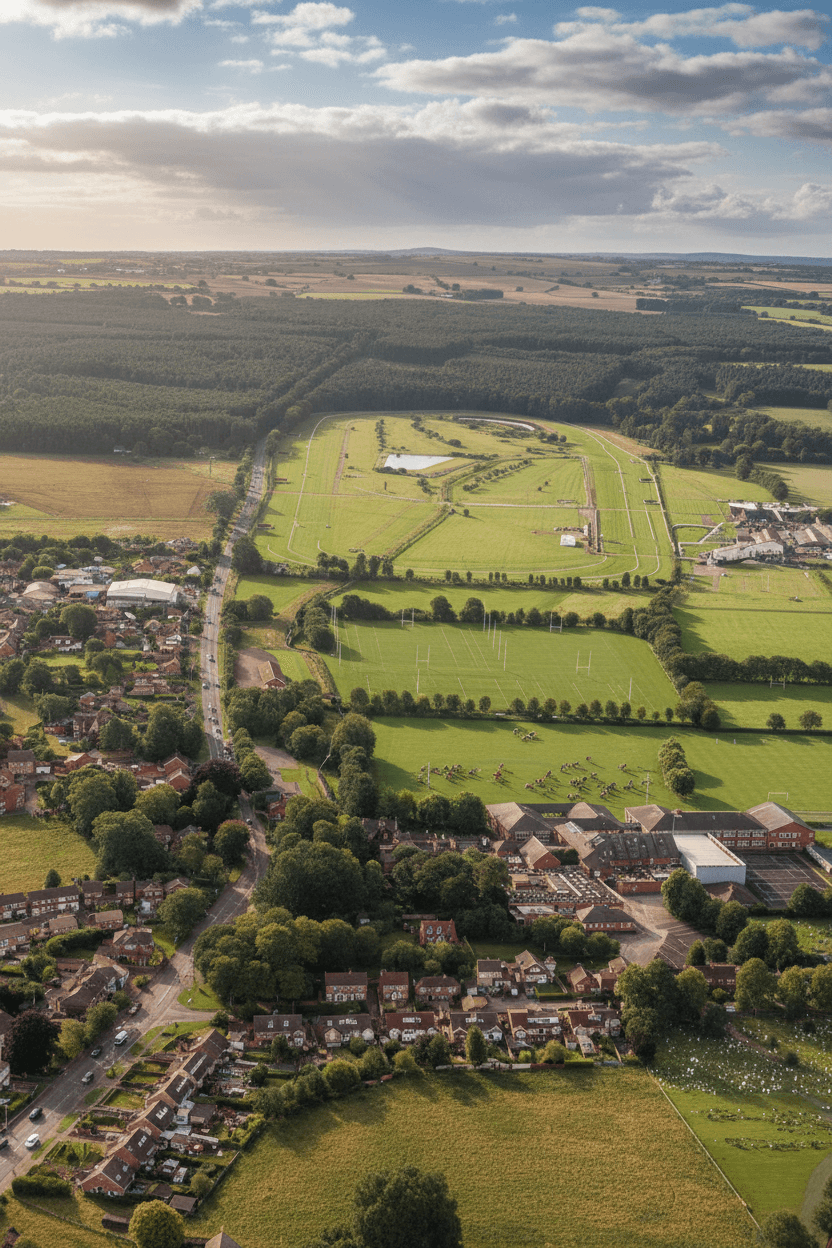
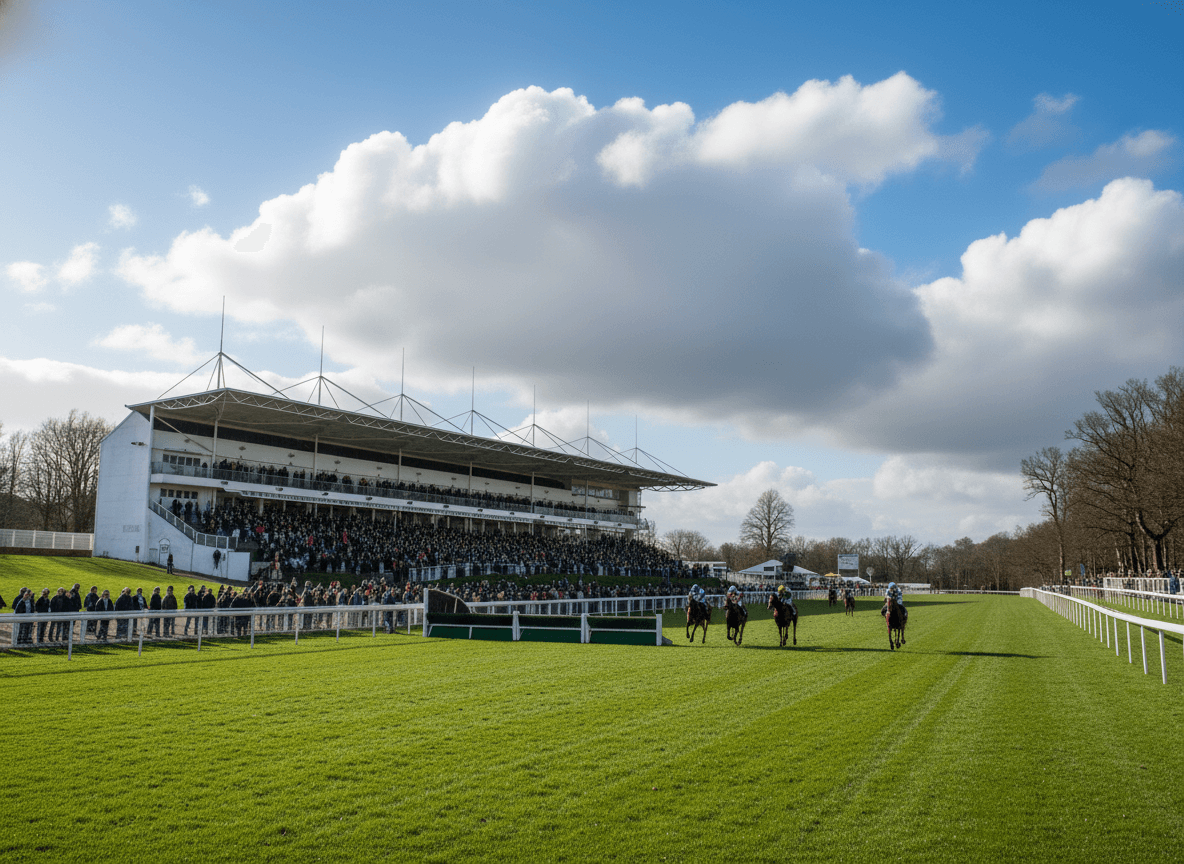
Saturday's six-race National Hunt card at Hamilton Park serves up a proper afternoon's jumping on good going. The Lanarkshire track is showing well after recent dry weather, and connections will be pleased to see that reliable surface description.
I've walked this course more times than I care to remember, and Hamilton on good going rewards horses that can travel and jump with fluency. The undulating nature means stamina comes into play, particularly over the longer trips we're seeing today.
The feature contest is the £12.7k Hexham Racecourse Holiday Home & Caravan Park Handicap Chase over three miles - a proper staying test that should sort the wheat from the chaff. But there's competitive handicapping throughout the card, with prize money ranging from £9.1k to £12.7k across the six races.
Feature Race Analysis: The Three-Mile Chase Test
The 18:10 handicap chase over three miles and 41 yards represents the day's feature, and rightly so. This distance at Hamilton is no joke - it's a genuine stamina test that exposes any weakness in jumping or fitness.
On good going, I'd expect the pace to be honest from the start. The track's configuration means there's nowhere to hide, and over this trip, tactical speed becomes crucial in the closing stages. Horses that have shown they can quicken off a strong gallop will hold significant advantages.
The £12.7k prize fund reflects the competitive nature of this Class 4 contest. At this level, small margins separate the field, and course experience often proves decisive. Any runner with a solid Hamilton Park racecard record deserves serious consideration.
Juvenile Hurdle Provides Early Interest
The 17:05 "Most Important 3-Year-Old Race Today" Juvenile Hurdle catches the eye as a potential pointer for the season ahead. These early-season juvenile contests often throw up future stars, and the £10k prize money suggests connections are taking it seriously.
Two miles on good going suits most three-year-olds making their hurdling debut. The key is finding those with the right blend of flat speed and jumping aptitude. In my experience, horses that have shown a turn of foot on the level often adapt quickest to the hurdling game.
The GBB Race status adds extra incentive for owners and trainers. These bonus scheme races typically attract well-regarded sorts, making the form more reliable for future reference.
Handicap Hurdles Dominate the Card
Three handicap hurdles spread across the afternoon provide the bread and butter of the card. The Memorial contests - both the Marjorie Thompsett and Tricia Hughes races - add a personal touch that reflects racing's community spirit.
The amateur riders' handicap hurdle at 16:30 opens proceedings over two miles and four furlongs. These amateur events often produce surprising results, as the claiming allowances can significantly alter the handicapping dynamics. The good going will suit those amateur jockeys who prefer to let their horses stride on.
Later, the ogledigital.co.uk sponsored hurdle at 18:43 returns to two miles. That cheeky race title - "Google Ads Tailed Off Too?" - suggests someone at Hamilton has a sense of humour about modern marketing challenges. The shorter trip should produce a more tactical affair, with positioning crucial in the home straight.
Going Conditions Shape the Day
Good going changes everything at Hamilton Park. The track rides faster, jumps come up quicker, and stamina becomes more important over the longer distances. I've seen too many horses caught out by the pace on faster ground here.
For the three-mile chase, good going favours those with proven stamina reserves. The galloping nature of the track means horses need to maintain their jumping efficiency when the pace lifts in the straight. Any runner with question marks over their staying ability faces a stern examination.
The hurdle races benefit from the surface conditions differently. Over two miles, good going allows tactical speed to come into play. Over the extended trips, it becomes about maintaining rhythm and jumping fluency when others begin to tire.
Trainers will have planned their campaigns around these conditions. Those who've specifically targeted this meeting will hold advantages over horses taking their chance on the back of different ground conditions elsewhere.
Ones to Watch and Final Thoughts
Without specific runners declared, the focus shifts to race dynamics and what type of horse should excel. Course winners always merit respect at Hamilton - the track has its own characteristics that some horses handle better than others.
In the feature chase, look for proven stayers with solid chase records over similar distances. The three-mile trip is unforgiving, and previous experience at the distance proves crucial.
For the juvenile hurdle, horses with smart flat form who've been specifically prepared for this hurdling debut often outclass their rivals. The good going will suit those with natural speed looking to transfer their ability over obstacles.
The handicap hurdles require different approaches depending on trip and field size. Course form, recent runs on similar going, and trainer strike rates all factor into the equation. Amateur riders' races add another variable, with claiming allowances potentially turning the handicap on its head.
Hamilton Park on good going provides an honest test of jumping ability and stamina. The track rewards horses that can gallop and jump with equal proficiency - exactly what National Hunt racing should deliver on a Saturday afternoon.