A Week of Sustained Activity
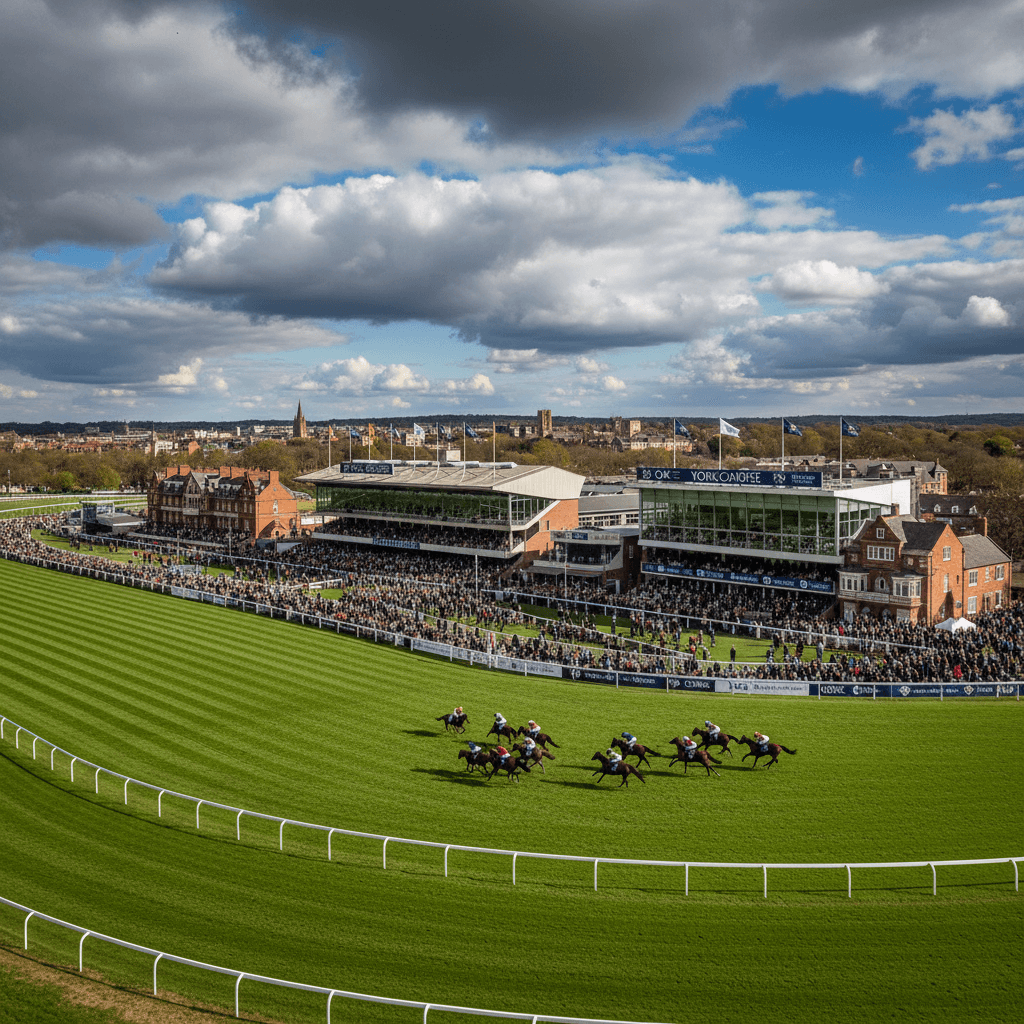
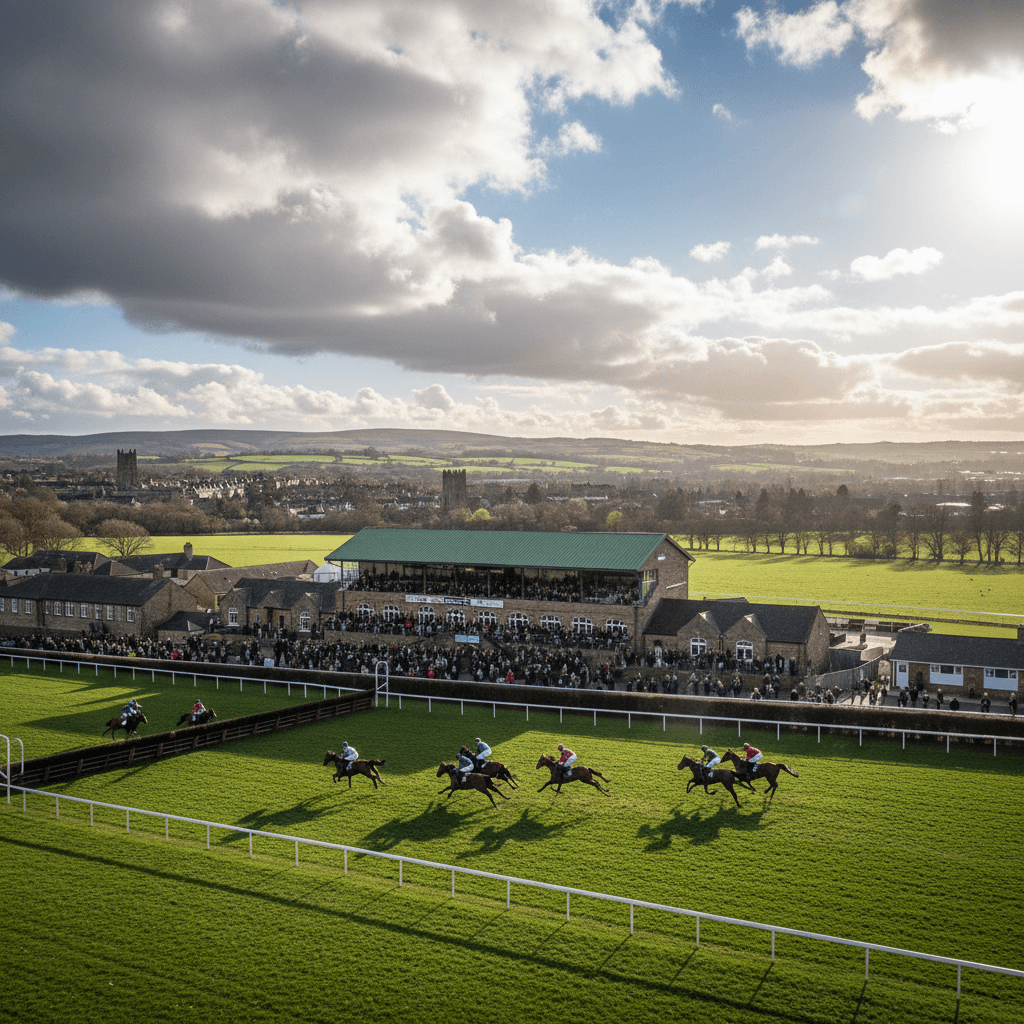
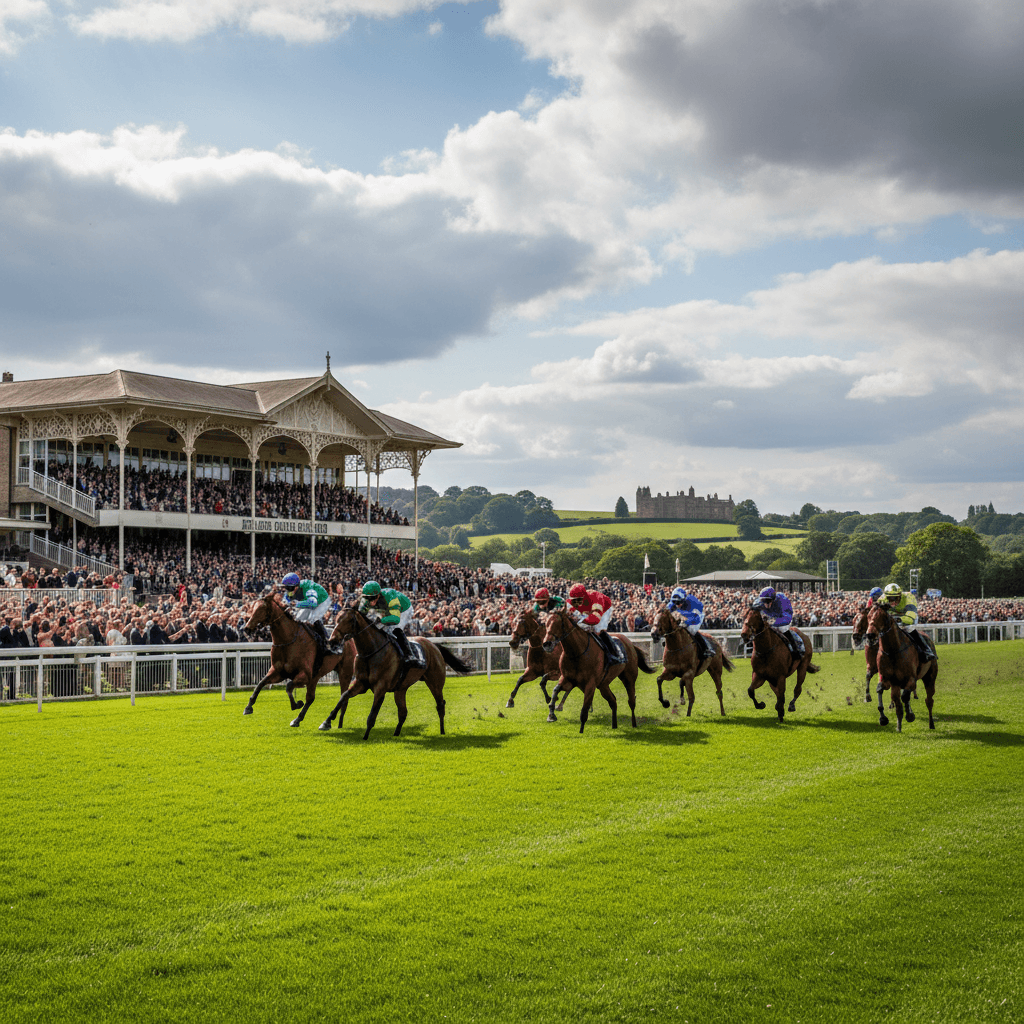
The seven days from 26 April to 3 May delivered racing in its most concentrated form, with 37 fixtures generating 2,196 rides across Britain's varied circuit. From Newmarket's Guineas trials to the seasonal returns at York and Chester's May meeting, the week showcased both quality and quantity. The geographical spread—encompassing everything from Hexham's undulating National Hunt track to Epsom's unique contours—provided a comprehensive test of versatility for both jockeys and trainers.
What emerges from the data is a picture of sustained commitment from the sport's leading lights, with several riders exceeding 30 mounts and trainers deploying runners with tactical precision across multiple venues. The numbers tell their own story of ambition and opportunity in equal measure.
The Riding Elite: Volume Meets Quality
Rossa Ryan topped the riding charts with 51 mounts, a figure that speaks to both his current standing and the confidence placed in him by a diverse range of connections. His presence at Newmarket for three separate cards, combined with forays to Ayr and Ascot, demonstrates the geographical reach now expected of top-tier jockeys. Ryan's ability to secure quality rides across multiple venues suggests a rider whose reputation extends well beyond any single stable's requirements.
Hollie Doyle maintained her relentless pace with 40 rides, her schedule encompassing seven different courses from Newmarket's premier turf to Redcar's more modest offerings. Doyle's consistency in securing substantial books reflects her established position within the sport's hierarchy, while her presence at both Epsom and Newbury indicates continued access to better-class opportunities.
Tom Marquand recorded 38 rides with a notably selective approach, focusing his efforts on just five venues including York and Epsom Downs. This concentration suggests a more targeted strategy, prioritising quality over pure volume—a approach that often yields superior strike rates when executed with precision.
Billy Loughnane and David Probert completed the top five with 36 and 35 rides respectively, both demonstrating the breadth of support that characterises successful modern jockeys. Loughnane's presence at York's May meeting alongside his all-weather commitments shows an adaptability that serves him well, while Probert's seven-course schedule reflects his status as a reliable choice across varied conditions.
Training Operations: Scale and Strategy
Andrew Balding emerged as the week's most prolific trainer with 51 runners distributed across 13 different venues, a deployment that speaks to both the size of his string and his tactical acumen. The Kingsclere handler's ability to place horses effectively from Fontwell Park to Newmarket demonstrates the kind of strategic thinking that separates elite operations from their peers. His runners appeared at both codes, suggesting a yard comfortable with diverse challenges.
Charlie Johnston matched Balding's ambition with 50 runners across an even broader 15-course spread, indicating a training philosophy built around maximum opportunity exploitation. The Johnston operation's willingness to travel—evident in their representation at venues from Perth to Plumpton—reflects modern training's increasingly national scope.
Tim Easterby's 43 runners across ten courses maintained his reputation for prolific campaigning, while his presence at both Chester and Newmarket within the same week demonstrates the kind of dual-purpose approach that maximises each horse's potential. The Malton trainer's consistent representation across varied venues suggests a deep understanding of placement strategy.
David O'Meara and Jim Goldie completed the top five, with O'Meara's 42 runners spanning eleven courses showing typical northern efficiency, while Goldie's concentration at Doncaster and Fontwell Park suggests a more focused tactical approach yielding impressive numerical results.
Partnerships Worth Following
The data reveals several jockey-trainer combinations operating with notable frequency. Ryan's presence across multiple Balding runners suggests a partnership worth monitoring, particularly given both parties' current momentum. Similarly, Doyle's continued association with various handlers indicates her value as a tactical choice rather than stable-specific appointment.
Marquand's selective approach, when combined with his presence at premium venues, suggests his mounts warrant closer inspection regardless of trainer. The quality-over-quantity philosophy often yields superior returns for followers willing to be similarly selective.
The northern axis of O'Meara, Easterby, and their regular partners continues to provide consistent opportunities, particularly at venues where local knowledge proves advantageous. Their combined understanding of northern tracks creates value for those prepared to look beyond the obvious choices.
Value Propositions and Forward Planning
From a betting perspective, the sheer volume handled by Ryan and Doyle creates natural value opportunities, particularly when their mounts drift in pre-race markets despite their current hot streaks. Both jockeys demonstrate the kind of form that tends to be self-perpetuating, as confidence breeds better rides and better rides breed further confidence.
Balding and Johnston's willingness to travel extensively suggests horses trained by both operations warrant respect regardless of venue, particularly when they appear at tracks where the stable enjoys less obvious advantages. The data indicates both trainers possess the depth of string necessary to maintain quality across multiple fronts.
The week's patterns suggest that following the leading protagonists blindly would have provided consistent opportunities, though selective backing of their better-fancied runners likely offers superior long-term value. The combination of volume and quality evident in these operations creates the kind of sustainable edge that rewards patient observation.