The Thames-side Theatre
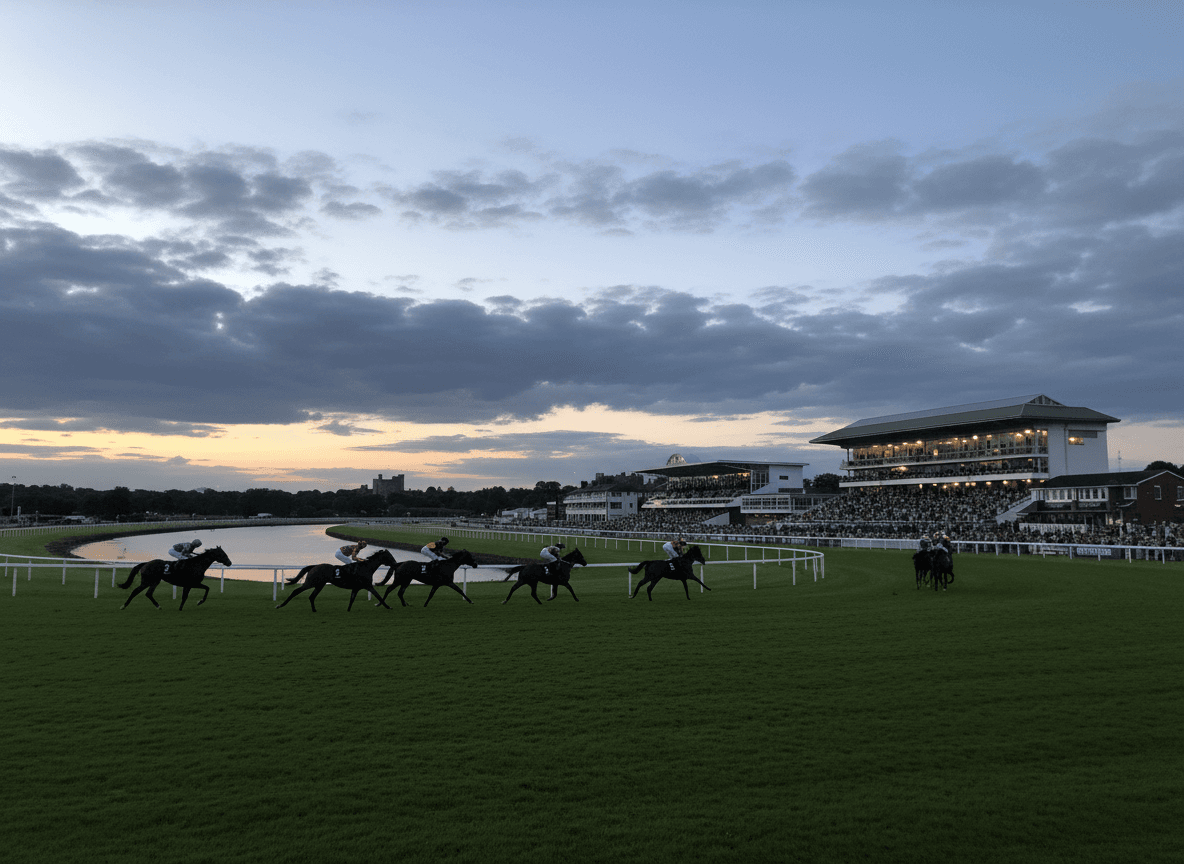
There is something almost theatrical about Windsor on a summer evening, when the low sun catches the River Thames and the ancient castle looms over one of flat racing's most distinctive stages. Since 1897, this Berkshire venue has offered something genuinely different—a figure-eight configuration that remains unique among Britain's major tracks, creating challenges and opportunities that reward both tactical acumen and raw ability in equal measure.
The atmosphere here transcends the ordinary. Monday nights at Windsor have become institution, but the Tuesday and Friday fixtures this week promise their own particular magic. There's an intimacy to the place, a sense that you're witnessing racing in its most authentic form, where the proximity of the crowd and the quirks of the track combine to create moments that linger long after the last race has been run.
This Week's Canvas
Two evening fixtures await this week, each offering its own narrative possibilities. Tuesday's six-race card provides the perfect midweek escape, while Friday's expanded seven-race programme promises to extend the entertainment as the weekend beckons. Both meetings will unfold on standard going, that reliable surface which allows the track's inherent characteristics to shine through without the complicating factor of testing conditions.
Evening racing at Windsor possesses a rhythm all its own. The first race typically goes off around 5:30pm, allowing the card to unfold as the light softens and the temperature cools. It's racing at its most civilised, where the urgency of the action contrasts beautifully with the unhurried pace of the evening itself. The standard going should ensure we see the track at its most representative, neither favouring the mudlarks nor penalising those who prefer a sounder surface.
Decoding the Figure-Eight
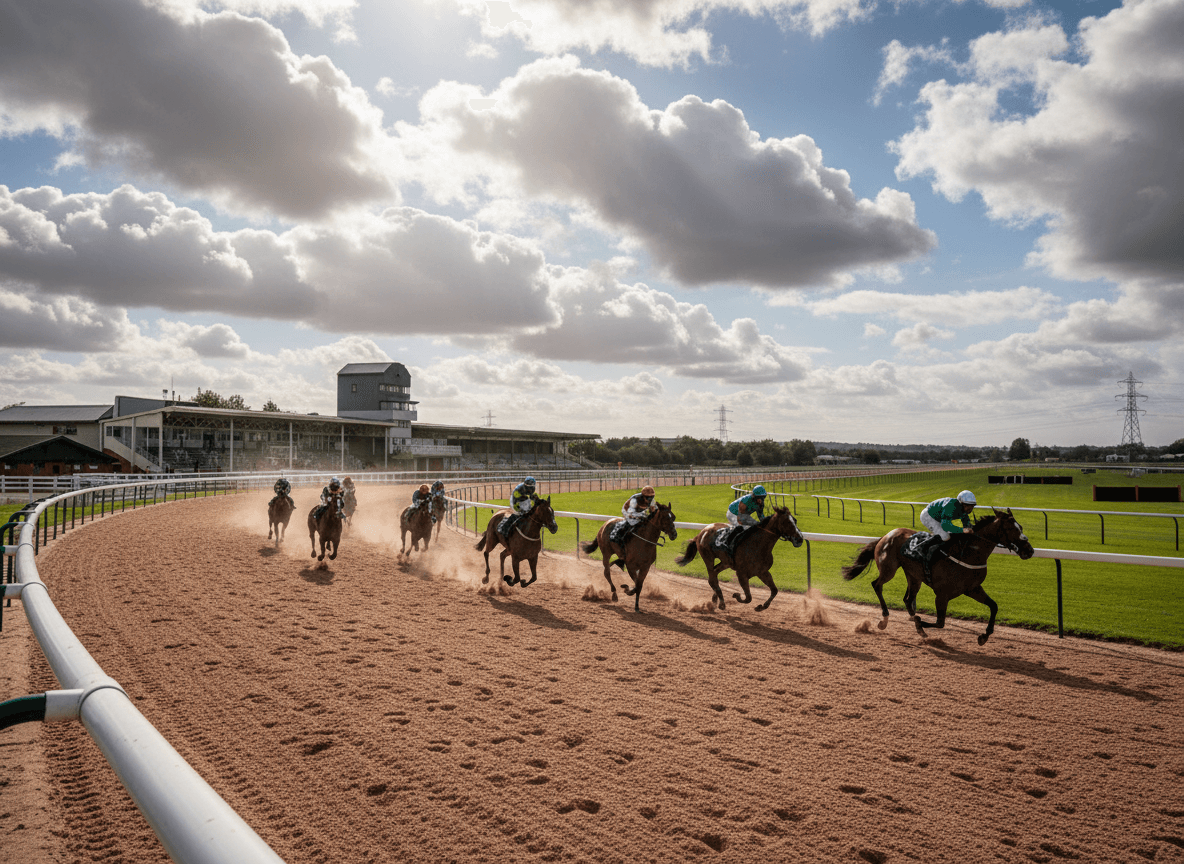
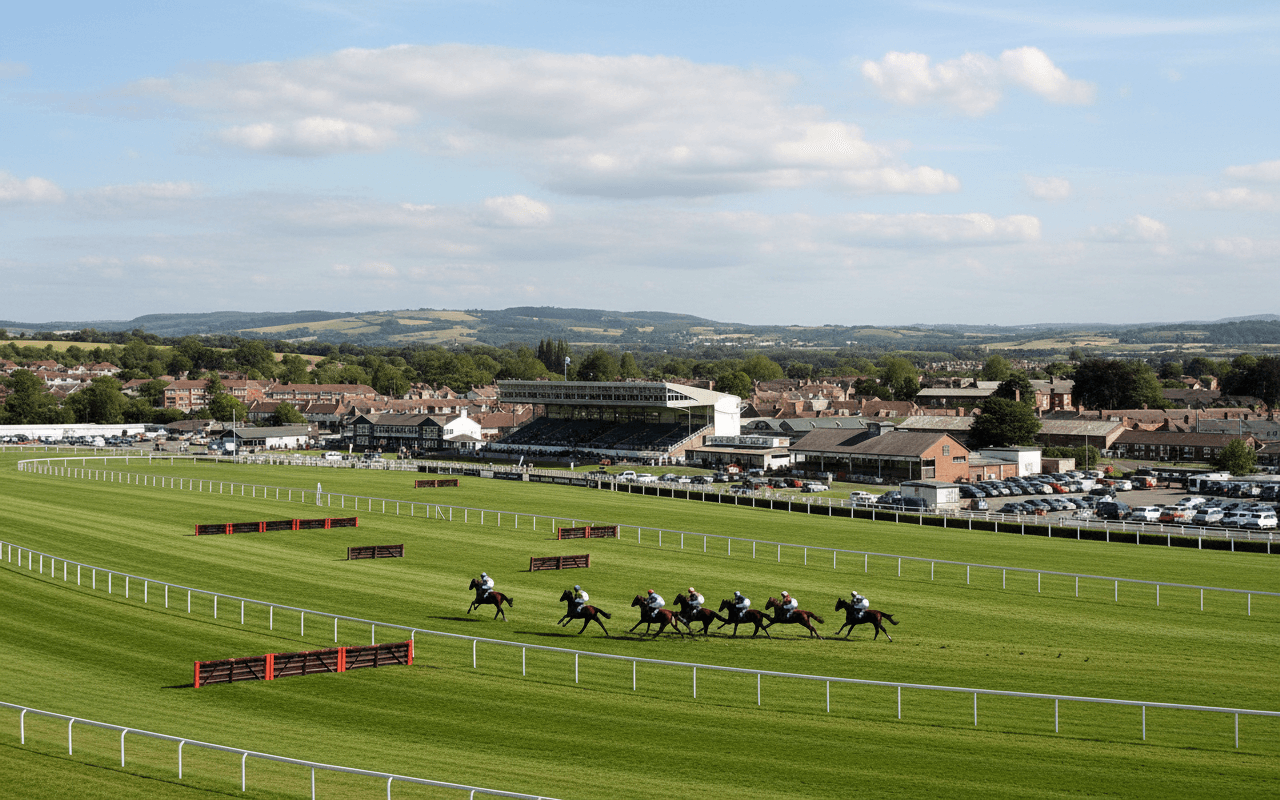
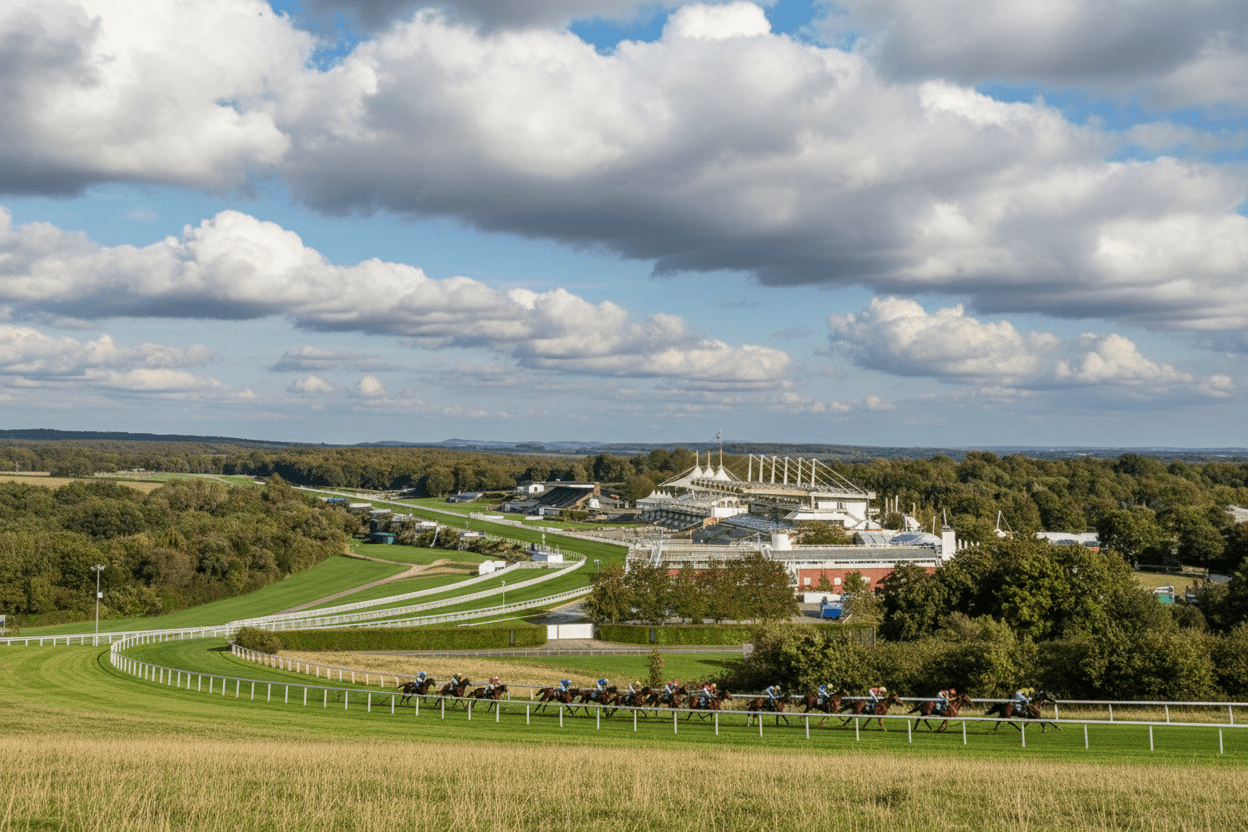
Windsor's layout demands respect and understanding. The figure-eight configuration means horses cross their own path during longer races, creating a unique tactical dimension that separates this venue from every other flat track in the country. The course is predominantly flat—hence its classification—but subtle undulations and the sweeping nature of the bends create their own challenges.
The five-furlong course is perhaps the most straightforward, running from the back straight to the winning post without encountering the crossover. Here, early pace is paramount, and those drawn high often find themselves with a marginal advantage, able to press forward on the outside without interference. The six-furlong trip introduces the first real tactical complexity, requiring horses to navigate the bend with judgment and balance.
It's at a mile and beyond where Windsor truly reveals its character. The crossover point becomes a crucial consideration, and jockeys must time their moves with precision. Those who understand the track's rhythms—the veteran campaigners and the shrewd trainers who return here repeatedly—often hold significant advantages over newcomers still learning the venue's particular language.
The Draw Dynamics
Draw bias at Windsor operates on a more subtle level than at some tracks, but patterns emerge for those who look closely. Over five furlongs, higher draws often prove advantageous, particularly when the field is sizeable and early positioning becomes crucial. The ability to press forward on the outside, avoiding the inevitable squeeze for position, frequently proves decisive.
At six furlongs and a mile, the picture becomes more nuanced. Middle to high draws retain a slight edge, but tactical speed and positioning matter more than the starting stall number. It's over the longer distances where draw becomes less significant, as the extended trip allows time for positions to be taken up naturally, though those drawn wide still face the challenge of covering extra ground on the sweeping bends.
The Windsor Profile
Certain types of horse thrive at this Thames-side venue. Tactical speed proves invaluable—not necessarily the ability to lead from the start, but the capacity to position prominently and respond when the tempo quickens. The galloping nature of the track suits horses with a long, raking stride, while the figure-eight configuration rewards those with balance and agility.
Horses who handle a bit of hustle and bustle often excel here. The crossover in longer races, the proximity of the crowd, and the general liveliness of the atmosphere can unsettle the more fragile types. Conversely, genuine, honest horses who relish their racing often find Windsor's unique challenges stimulating rather than problematic.
Experience at the track carries particular weight. Trainers like John Gosden, William Haggas, and Charlie Appleby have long understood Windsor's nuances, and their runners often arrive with specific tactical plans tailored to the venue's demands. Similarly, jockeys who ride here regularly—those who understand when to commit and when to wait—frequently outperform their less familiar colleagues.
Pace Scenarios and Timing
Windsor's evening fixtures often produce fascinating pace scenarios. The relaxed atmosphere can sometimes lead to steadily-run races, where the emphasis falls on finishing speed rather than early positioning. However, the track's configuration means that when the pace is strong, it tends to be genuinely testing, creating opportunities for hold-up horses with the right turn of foot.
The key lies in reading each race individually. Competitive handicaps often develop into tactical affairs, where the ability to quicken decisively proves more valuable than sustained speed. Pattern races and conditions events, meanwhile, typically see more straightforward pace scenarios, allowing class to tell its own story.
Practical Wisdom
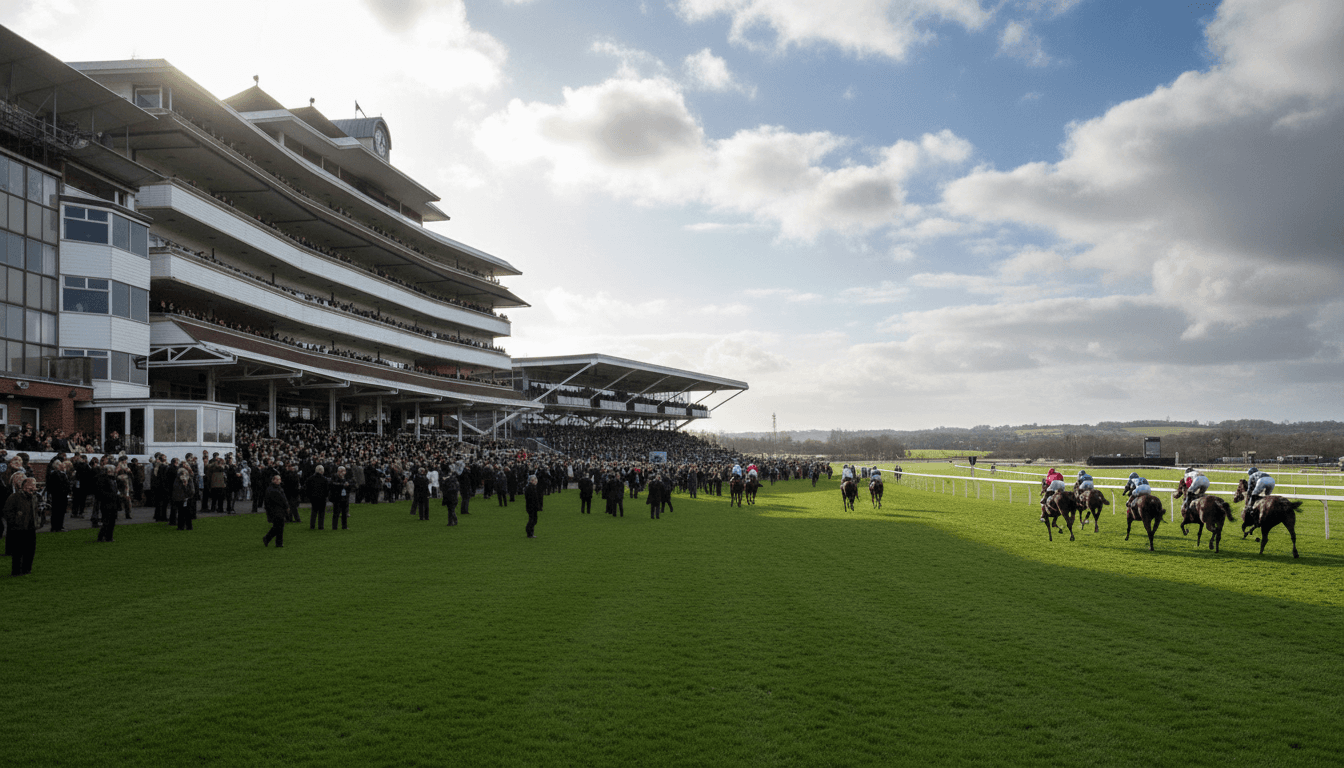
For those planning to attend either of this week's fixtures, arrive early enough to soak in the atmosphere and study the course. The parade ring sits close to the track, offering excellent opportunities to assess the horses before they take their chance. The viewing areas provide clear sightlines of the entire circuit, including the crucial crossover point that adds such character to the longer races.
From a betting perspective, Windsor rewards careful analysis over bold gestures. The track's quirks mean that form often needs interpreting rather than simply reading, and those who take time to understand the specific demands of each race distance will find themselves better equipped to identify value. Pay particular attention to horses who have shown their form at similar galloping tracks—Newmarket's July Course, Sandown, or Ascot—as the skills often transfer effectively.
Weather conditions, while forecast to remain benign this week, can significantly impact the racing at Windsor. Evening fixtures are particularly susceptible to changes in wind direction, which can affect the back straight and influence tactical decisions. The proximity to the Thames also means that humidity levels can vary, occasionally creating a more testing atmosphere than the official going might suggest.
The Enduring Appeal
As another week of evening racing approaches at this most characterful of venues, it's worth reflecting on what makes Windsor so enduringly appealing. Perhaps it's the combination of heritage and accessibility, the way this historic track continues to provide top-class racing while retaining its welcoming atmosphere. Or maybe it's the simple pleasure of watching horses and jockeys grapple with challenges found nowhere else in the racing calendar.
This week's fixtures offer the perfect opportunity to experience Windsor at its finest—evening racing on reliable ground, where skill and understanding matter as much as raw ability. Whether you're planning to attend in person or follow the action from afar, remember that this is a track where the details matter, where patience is often rewarded, and where the unique figure-eight layout continues to provide its own distinctive brand of racing theatre beside the Thames.