The Heartland of Jump Racing
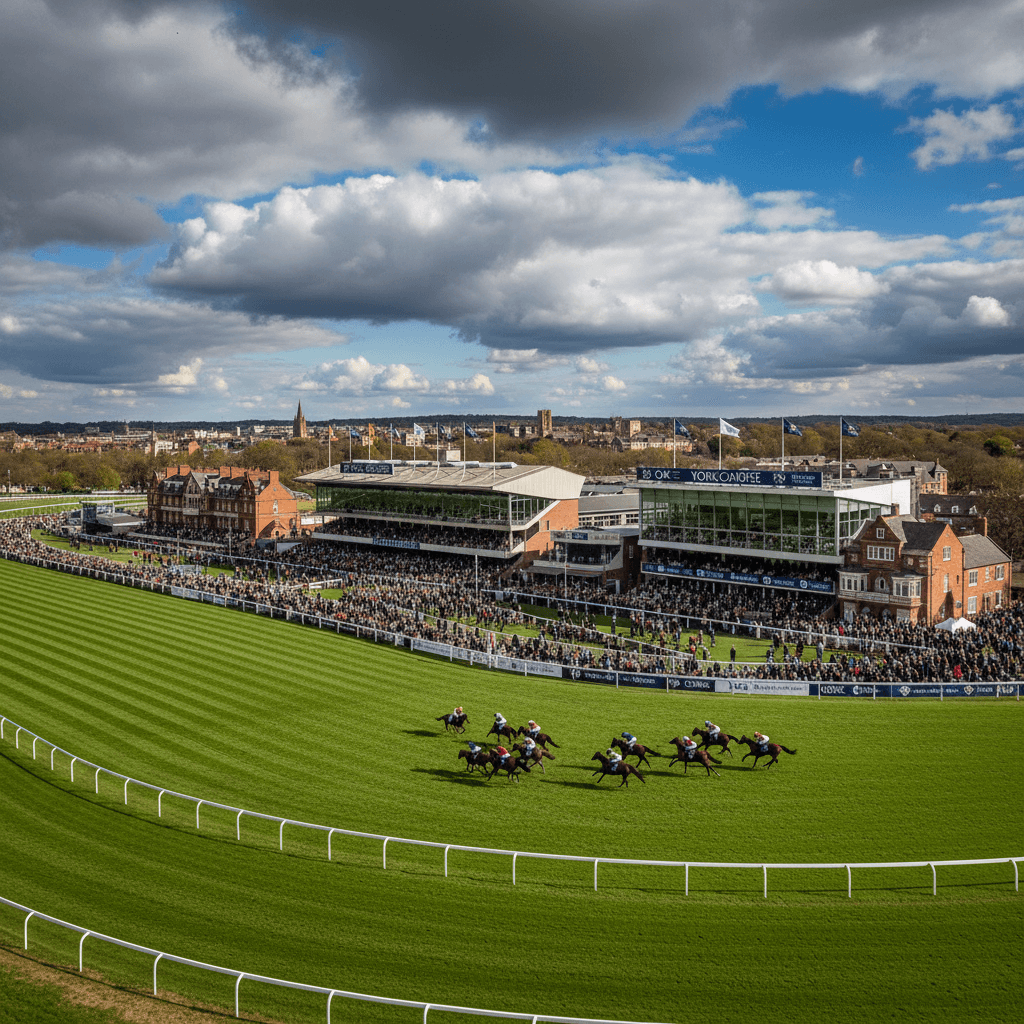
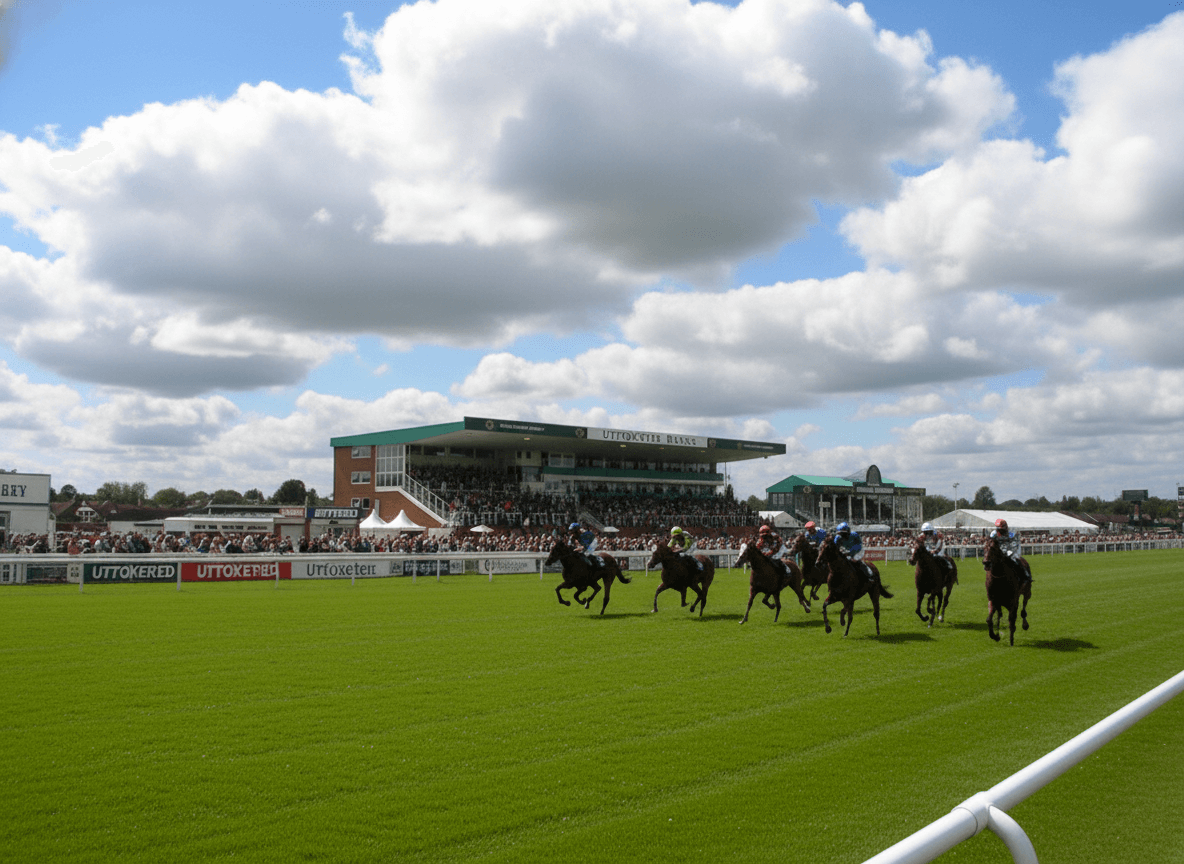
There's something profoundly reassuring about Uttoxeter that transcends the mere mechanics of horse racing. Perhaps it's the way this Staffordshire gem has weathered nearly 120 years of history with such quiet dignity, or how its undulating paddocks seem to roll seamlessly into the surrounding countryside, creating an almost pastoral setting for the thunder of hooves and the roar of crowds. Since opening its gates in 1907, Uttoxeter has embodied everything we cherish about National Hunt racing: genuine sporting challenge, unwavering tradition, and that indefinable sense of community that makes British jump racing so special.
The course's survival through two World Wars speaks to something deeper than mere commercial viability – it represents the enduring bond between racing and the communities it serves. Walking through the parade ring here, watching connections prepare their charges with the same meticulous care their predecessors showed a century ago, one can't help but feel part of something larger than the individual races unfolding before us.
This Week's Racing Programme
Uttoxeter presents us with two distinctly different racing experiences this week, each offering its own particular pleasures. Monday's afternoon card provides the perfect antidote to weekend racing fatigue, with six races scheduled to unfold under what promises to be ideal conditions on good ground. There's something wonderfully civilised about afternoon jump racing on a Monday – it allows both horses and connections to showcase their talents without the sometimes frenzied atmosphere of weekend meetings.
The week culminates with Saturday's evening fixture, where the lengthening days of early May create an almost magical backdrop for six races under the gradually dimming sky. Evening racing at Uttoxeter possesses a particular charm, as the setting sun casts long shadows across the undulating track, emphasising every rise and fall of this challenging circuit.
The good ground conditions forecast for both meetings should provide the perfect canvas for horses to express their true abilities, particularly important given Uttoxeter's demanding topography that can prove unforgiving when the surface becomes testing.
Reading Uttoxeter's Unique Character
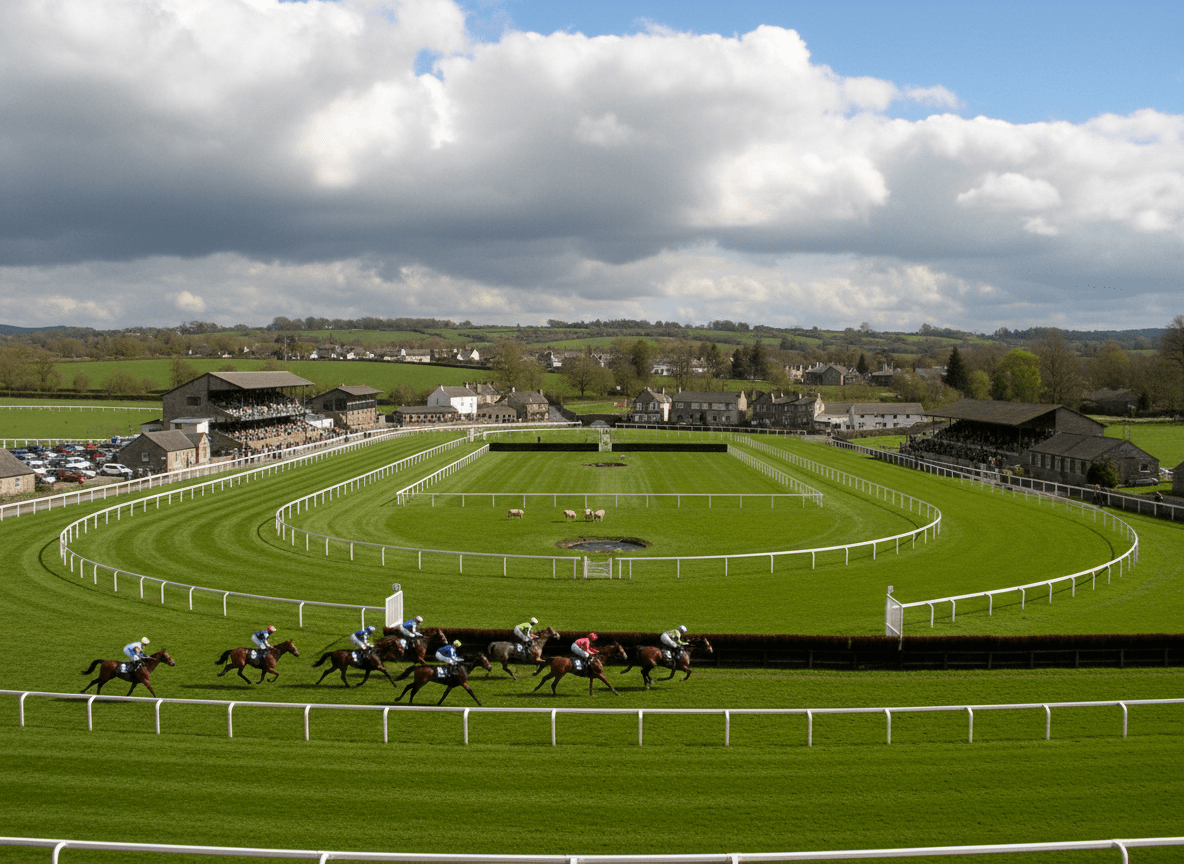
Understanding Uttoxeter requires appreciating its fundamental honesty as a racing venue – this is a track that rewards genuine ability and punishes pretenders with almost ruthless efficiency. The left-handed oval circuit, stretching approximately one mile and two furlongs, presents a series of challenges that test every aspect of a horse's jumping education and physical conditioning.
The undulating terrain creates natural pressure points throughout each race, with horses required to negotiate not just the obstacles themselves but the constantly changing gradients that can sap stamina and expose weaknesses in jumping technique. The long, uphill run-in from the final fence serves as the ultimate arbiter, often transforming seemingly comfortable leads into nail-biting finishes where stamina and determination prove decisive.
What makes Uttoxeter particularly fascinating from a welfare perspective is how the track's natural challenges encourage trainers to present only genuinely well-prepared horses. The course simply doesn't flatter the unprepared, which means connections tend to arrive with horses ready for the specific demands they'll face. This self-selecting process contributes to the consistently competitive nature of racing here.
Tactical Considerations
The pace dynamics at Uttoxeter often differ markedly from flatter tracks, with the undulations naturally creating points where races compress and stretch like an accordion. Jockeys who understand these rhythms – knowing when to conserve energy on the climbs and when to press home advantages on the descents – often find themselves with significant tactical advantages.
The positioning of fences in relation to the track's topography adds another layer of complexity, requiring horses to jump accurately while adjusting to changing gradients. This combination of challenges explains why Uttoxeter has earned such respect among jump racing professionals.
The Uttoxeter Horse: Stamina Meets Versatility
Successful Uttoxeter performers tend to share certain characteristics that reflect the track's demanding nature. Stamina remains paramount, but it must be the right kind of stamina – not just the ability to stay long distances, but the physical and mental resilience to handle the constant undulations and maintain jumping accuracy under pressure.
The horses who excel here often possess what might be termed 'intelligent stamina' – the ability to conserve energy when possible while responding to pressure when required. This quality transcends simple breeding patterns, though horses with proven staying bloodlines certainly enjoy advantages when the track's stamina-sapping qualities come into play during those crucial final furlongs.
From a welfare standpoint, it's encouraging to observe how Uttoxeter's challenges tend to favour horses who genuinely enjoy their racing. The track's honest nature means that reluctant or unwilling horses rarely prosper, while those who embrace the jumping game often produce their career-best performances here. This natural selection process contributes to the consistently high standard of racing we witness at the venue.
Trainer and Jockey Considerations
Certain trainers have developed particular expertise with Uttoxeter's demands, understanding how to prepare horses for the specific challenges they'll encounter. These connections often target the track when their horses reach peak fitness, knowing that the venue will provide a fair test of their preparation.
Similarly, jockeys who regularly ride at Uttoxeter develop an intuitive understanding of the track's rhythms, knowing when to commit and when to wait. This local knowledge can prove invaluable, particularly in competitive handicaps where tactical awareness often separates winners from also-rans.
Practical Wisdom for Uttoxeter Enthusiasts
For those planning to experience Uttoxeter's unique atmosphere firsthand, arriving early provides the opportunity to appreciate the course's natural beauty and observe the meticulous preparation that goes into each race meeting. The parade ring offers excellent viewing opportunities, allowing racegoers to assess each horse's condition and demeanour before making their selections.
From a betting perspective, Uttoxeter rewards those who prioritise recent form over historical achievements, as the track's demands mean that horses must be genuinely well at the time of racing to produce their best efforts. Pay particular attention to horses returning from brief breaks who show signs of freshness, as the track's stamina requirements often favour those approaching peak fitness.
Weather conditions can significantly impact racing at Uttoxeter, with the undulating terrain either enhancing or diminishing depending on the ground conditions. The good ground forecast for both this week's meetings should provide ideal conditions for assessing true form, making these fixtures particularly valuable for future reference.
Celebrating Uttoxeter's Continuing Legacy
As we look forward to another week of quality National Hunt racing at Uttoxeter, it's worth reflecting on what makes this venue so enduringly special. In an era of rapid change within racing, Uttoxeter represents continuity – a place where traditional values of horsemanship, sportsmanship, and genuine competition remain paramount.
The track's ability to consistently produce memorable racing while maintaining the highest standards of horse welfare exemplifies everything positive about modern jump racing. Each meeting here serves as a reminder that racing at its best combines athletic excellence with deep respect for the magnificent animals who make it all possible.
Whether you're planning to attend in person or follow the action from afar, this week's racing at Uttoxeter promises to showcase the very best of National Hunt sport in a setting that has been nurturing champions and creating memories for well over a century.