A Phoenix From Industrial Ashes
There's something profoundly moving about watching thoroughbreds thunder across the Welsh countryside at Ffos Las, knowing that beneath their hooves lies the transformed remnant of an industrial past. This remarkable venue in Carmarthenshire stands as perhaps the most inspiring example of regeneration in British racing – a testament to vision, environmental stewardship, and the enduring power of our sport to breathe new life into forgotten landscapes.
When Ffos Las opened its gates in 2009, it wasn't just welcoming racegoers to Wales' newest dual-purpose facility; it was celebrating the resurrection of land that had been scarred by decades of open-cast coal mining. The transformation from industrial wasteland to pristine racing surface represents everything admirable about modern course development – respectful of the environment, mindful of the community, and designed with equine welfare at its very heart.
The achievement becomes even more remarkable when you consider that this was the first new National Hunt course to open in Britain for eight decades. In an era when we've seen too many beloved tracks close their doors, Ffos Las stands as a beacon of hope, proving that with careful planning and genuine commitment to the sport's values, new chapters can still be written in racing's long story.
This Week's Jump Action
The coming days showcase exactly why Ffos Las has become such a valued addition to the jumping calendar, with two quality meetings that promise to deliver the kind of competitive, fair racing that has become this venue's hallmark. Tuesday's afternoon card presents six races on going described as good, good to firm in places, with the soil moisture reading of 40 suggesting ideal conditions for horses to show their true ability without undue stress on limbs or lungs.
The prospect of Wednesday evening's fixtures adds an extra dimension to the week, with the soil moisture having risen to 48, indicating a more uniform good surface that should provide consistent footing throughout the card. Evening racing at Ffos Las possesses a particular magic – there's something about the way the Welsh light plays across those rolling hills that transforms an already beautiful setting into something approaching the sublime.
These conditions represent exactly what trainers hope for when they target this venue. The excellent drainage that was built into the course's design means that even when moisture levels fluctuate, the racing surface remains safe and fair, allowing horses to express their natural ability without fighting the ground beneath them.
Reading The Ffos Las Puzzle
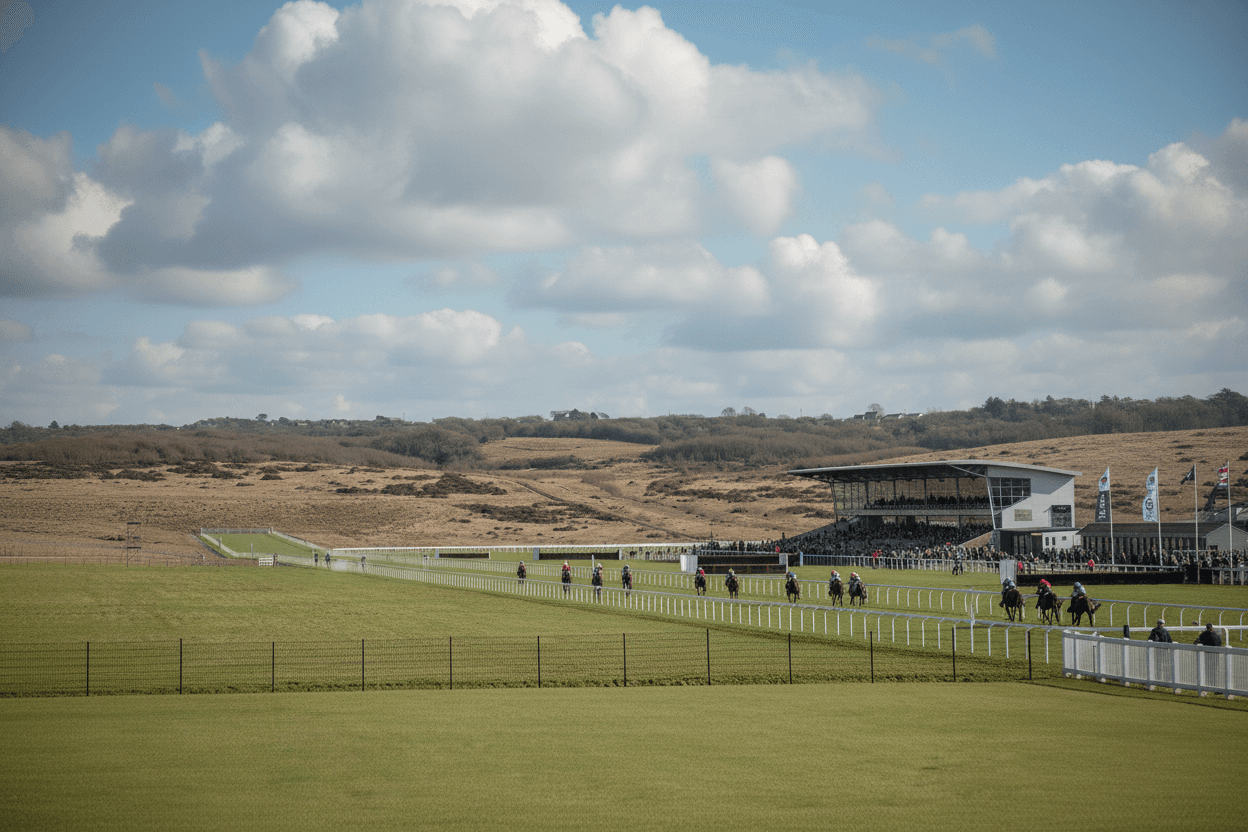
Understanding what makes horses successful at Ffos Las requires appreciating the unique characteristics of this left-handed, galloping circuit that stretches approximately one mile and four furlongs per lap. The track's most distinctive feature – that generous four-furlong home straight – creates opportunities for patient, tactical riding that might not exist on tighter, more demanding circuits.
The flat terrain works in favour of horses who can sustain their effort rather than those who rely on quick acceleration, while the long straight rewards animals with genuine stamina and the temperament to handle a prolonged battle. This isn't a course where races are won and lost on sharp turns or sudden changes of pace; instead, it's a venue where class and conditioning tend to rise to the surface over the final two furlongs.
For jump racing specifically, the fences are well-constructed and fairly positioned, encouraging fluent jumping rather than penalising minor errors. Trainers often speak approvingly of how their horses jump here – there's something about the approach and landing areas that seems to give horses confidence, leading to the kind of rhythmic, efficient jumping that reduces injury risk while maintaining competitive integrity.
The left-handed nature of the track does create some tactical considerations, particularly in larger fields where positioning can become crucial. Horses who travel kindly and can be placed handy without being bustled early often find themselves with more options as races develop, while those who need to be held up require jockeys with the patience to wait for the gaps that inevitably come in that extended home straight.
The Ffos Las Horse
Seventeen years of racing has begun to establish clear patterns in terms of which types of horses tend to flourish at this Welsh venue. The galloping nature of the track, combined with its fair fences and good ground bias, creates ideal conditions for horses with a particular profile – those who combine genuine ability with sound jumping technique and the physical robustness to handle a demanding finish.
Trainers targeting Ffos Las often speak of looking for horses who 'stay every yard' of their trips, and this philosophy makes perfect sense when you consider how races typically develop here. The pace tends to be honest rather than frantic, but the long straight ensures that only horses with genuine stamina reserves can sustain their effort when the pressure intensifies.
From a welfare perspective, it's encouraging to note how many horses seem to improve for their Ffos Las experiences. The fair nature of the track, combined with fences that encourage confident jumping, often helps horses develop both technically and mentally. Younger chasers, in particular, seem to benefit from the confidence-building nature of the obstacles, while veteran handicappers appreciate ground conditions that rarely jar or punish.
The course's reputation for safety has made it increasingly popular with trainers who prioritise their horses' long-term wellbeing. The modern design incorporates lessons learned from decades of racing elsewhere, with particular attention paid to fence construction, ground maintenance, and veterinary facilities that reflect current best practice in equine care.
Making The Most of Your Ffos Las Experience
Whether you're planning to attend in person or following the action from afar, understanding Ffos Las's rhythms can significantly enhance your appreciation of the racing on offer. The course's design means that races often develop gradually, with the real action frequently delayed until horses turn for home – patience is definitely a virtue when watching here.
For those making the journey to Carmarthenshire, the facilities reflect the same thoughtful approach that characterises the racing surface itself. The modern grandstand provides excellent views of the entire circuit, while the paddock area allows racegoers to get genuinely close to the horses and connections. There's a warmth to the atmosphere that reflects both Welsh hospitality and the genuine pride the local community takes in their remarkable racecourse.
From a punting perspective, it's worth noting that Ffos Las often produces results that reflect true form rather than track specialists or quirky winners. The fair nature of the test means that homework and careful analysis tend to be rewarded, while the good ground bias makes it easier to assess horses' previous performances on similar surfaces.
A Course For The Future
As we look ahead to this week's action, it's impossible not to feel optimistic about what Ffos Las represents for British racing's future. Here is a venue that proves new development can be done sensitively and successfully, creating opportunities for both human and equine athletes while respecting the environment and serving the local community.
The quality of this week's fields, combined with ideal ground conditions, promises to showcase everything that makes Ffos Las special. These are the kind of competitive, fair contests that remind us why we fell in love with jump racing in the first place – honest horses, skilled jockeys, and a track that allows both to show their best qualities without unnecessary risk or artificial advantage.
In a sport sometimes criticised for being stuck in the past, Ffos Las stands as proof that innovation and tradition can work hand in hand, creating something that honours racing's heritage while embracing its future. This week's meetings offer the perfect opportunity to celebrate not just great racing, but a venue that represents everything we hope our sport can become.