A Thoughtful Card at Racing's Headquarters
Thursday's afternoon racing at Newmarket presents a carefully constructed six-race programme that exemplifies the measured approach we often see at headquarters during the quieter midweek periods. While the prize money may not reach the heights of weekend Group action, today's card offers something equally valuable – an opportunity to observe how trainers are nurturing their charges through the crucial developmental phases of their careers, particularly evident in the novice contests that bookend the afternoon's entertainment.
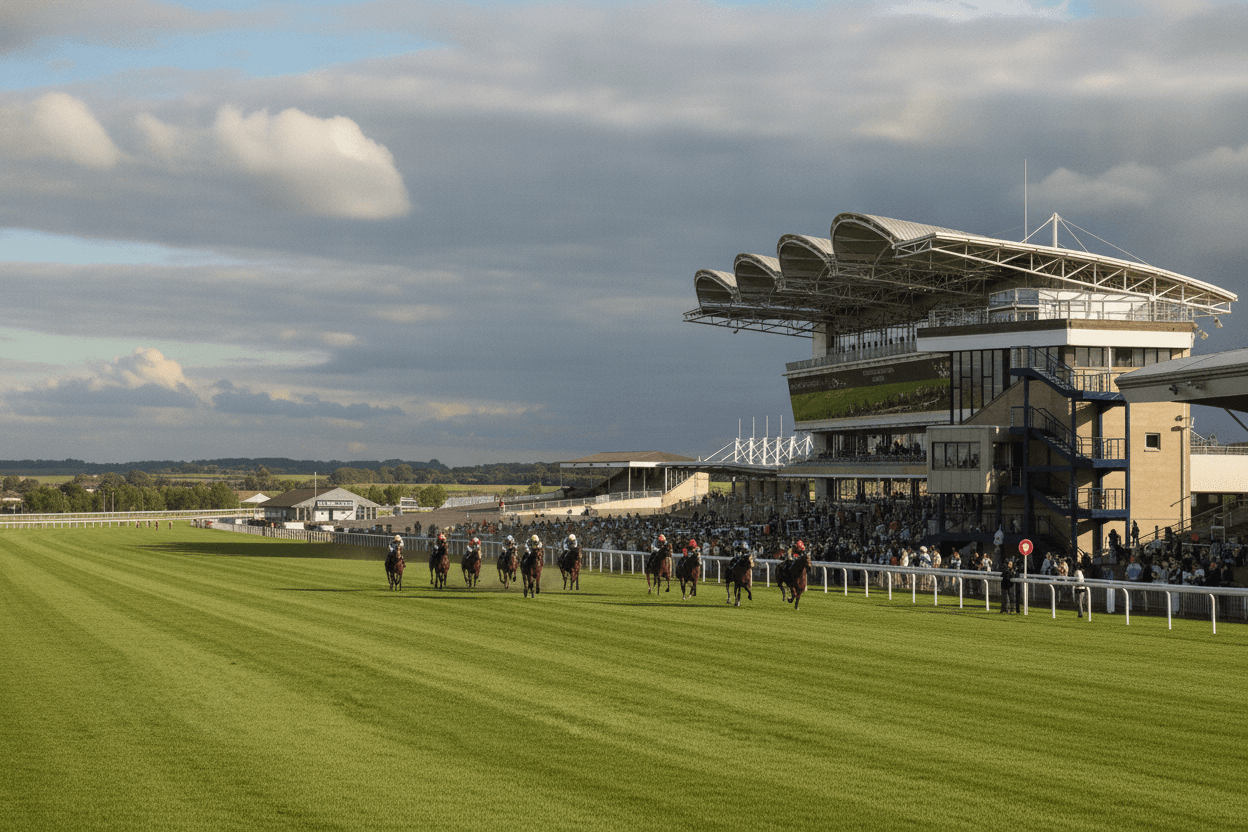
The going remains to be declared, though the recent settled weather patterns suggest we're likely to encounter good to firm conditions on the famous Rowley Mile. This will be a crucial factor in determining which connections choose to run, as the welfare-conscious approach that has become increasingly prevalent among Newmarket's training community means horses unsuited to firmer ground may be withdrawn in favour of more suitable opportunities.
Feature Race Focus: The Wildwest Beer Festival Handicap
The afternoon's feature contest, The Wildwest Beer Festival 5th July Handicap Stakes, carries the day's highest prize fund of £12,000 and represents the sort of competitive Class 4 handicap that often produces compelling narratives. Contested over the testing distance of one mile and 75 yards, this race will demand both tactical acumen from the jockeys and careful preparation from the training teams.
The extended mile trip on Newmarket's undulating terrain has historically favoured horses with proven stamina reserves, and the tactical nature of handicap racing means we're likely to see a fascinating chess match unfold. The absence of confirmed runners at this stage reflects the modern approach to declarations, where trainers increasingly wait until the final moment to assess ground conditions and their horses' wellbeing before committing to a run.
Developmental Opportunities in the Novice Contests
The two novice stakes on the card – the EBF Restricted event for two-year-olds and the longer novice contest for older horses – represent crucial stepping stones in equine development. The EBF Restricted Novice Stakes, contested over five furlongs and eight yards, will provide valuable experience for juveniles taking their first steps in competitive racing, while the restricted nature of the contest ensures a more level playing field for horses from smaller operations.
The emphasis on European Breeding Fund support and Great British Bonus eligibility across multiple races demonstrates the ongoing commitment to supporting domestic breeding and ownership. This financial framework not only provides additional incentives for connections but also helps ensure that horses are placed appropriately according to their ability and development stage, rather than being rushed into unsuitable contests.
For the older novices tackling the mile distance, we're likely to see a mixture of late-developing types and horses returning from injury layoffs. The patient approach required to bring such horses to peak fitness aligns perfectly with the welfare-first mentality that has become increasingly prominent in modern training methods.
Handicap Challenges Across the Card
Beyond the feature race, the remaining handicap contests offer their own distinct challenges and opportunities. The Watch On RacingTV Handicap over one mile and six furlongs represents a true test of stamina, particularly if the ground rides on the quicker side. This distance often suits horses with proven staying ability, and the Class 6 nature of the contest suggests we may see some improving types stepping up in trip.
The sprint handicaps, including The Dine In Sherwoods Restaurant Classified Stakes over six furlongs and The Events At Nottingham Racecourse Handicap over the minimum trip, will provide contrasting tactical scenarios. The longer sprint distance often produces the most competitive finishes, as it allows for multiple tactical approaches, while the five-furlong contest will likely favour horses with natural early pace and the ability to sustain their effort to the line.
Going Conditions and Welfare Considerations
The yet-to-be-declared going will play a pivotal role in shaping the final composition of each field. Newmarket's excellent drainage means the track typically rides well even after rain, but trainers have become increasingly selective about ground conditions, particularly for younger horses whose long-term soundness remains the primary concern.
This thoughtful approach to ground selection reflects the broader evolution in training philosophy, where short-term results are balanced against long-term welfare considerations. We're likely to see several trainers making late assessments of their horses' suitability for the prevailing conditions, with some potentially opting to wait for more favourable opportunities rather than risk their charges on unsuitable terrain.
The timing of today's card, during a relatively quiet period in the racing calendar, also allows trainers to give valuable experience to horses without the pressure of major targets looming. This relaxed atmosphere often produces the most genuine running, as connections can focus purely on their horses' education and development rather than immediate results.
Ones to Watch and Final Thoughts
While the final fields remain to be confirmed, today's Newmarket racecard promises to deliver the sort of honest, competitive racing that forms the backbone of the sport. The variety of distances and age groups represented ensures something for every type of racing enthusiast, from those who appreciate the raw speed of juvenile sprinters to fans of tactical staying contests.
The emphasis on developmental opportunities and appropriate placement of horses according to ability rather than purely commercial considerations reflects the sport's growing maturity in balancing competitive integrity with welfare priorities. As we await the final declarations and going report, the stage is set for an afternoon that celebrates both the competitive spirit and the careful stewardship that defines modern horse racing at its best.
Keep a close eye on any late market movements, as these often provide valuable insights into stable confidence, and remember that on days like these, where the focus is on development rather than headline results, we often witness the early steps of future stars making their mark on racing's most historic stage.