The Knavesmire Awaits
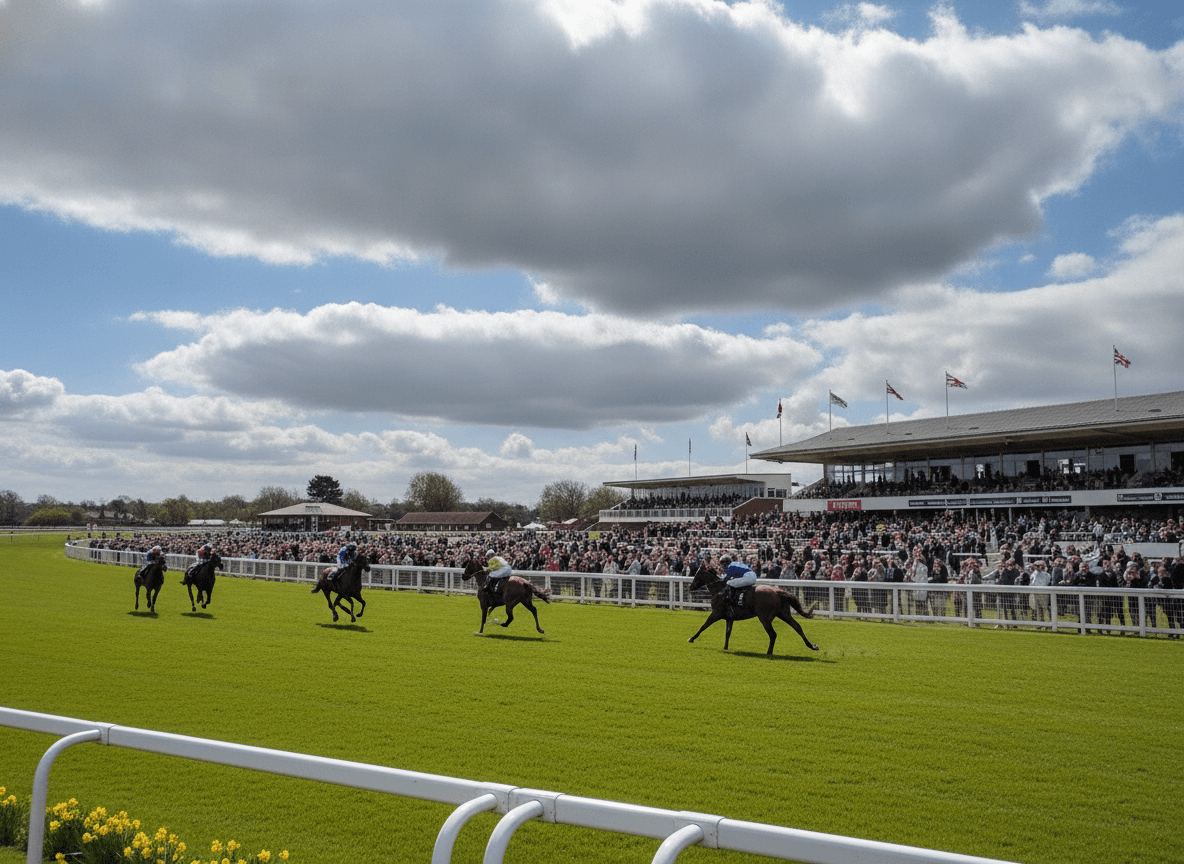
Thursday's seven-race programme at York presents a fascinating study in contrasts, with distances ranging from the minimum trip of five furlongs to the stamina-sapping mile and three-quarter contests that close proceedings. The going description of good to firm, good in places, comes with the significant caveat that the middle of the straight has been vertidrained—a detail that could prove crucial in the sprint contests where every inch of ground matters.
The York racecard offers modest prize money but no shortage of tactical intrigue. With Class 4 contests representing the day's feature events, this is very much a working Thursday rather than a showcase afternoon, yet the Knavesmire's unique characteristics ensure that form students will find plenty to dissect.
Going Conditions and Course Impact
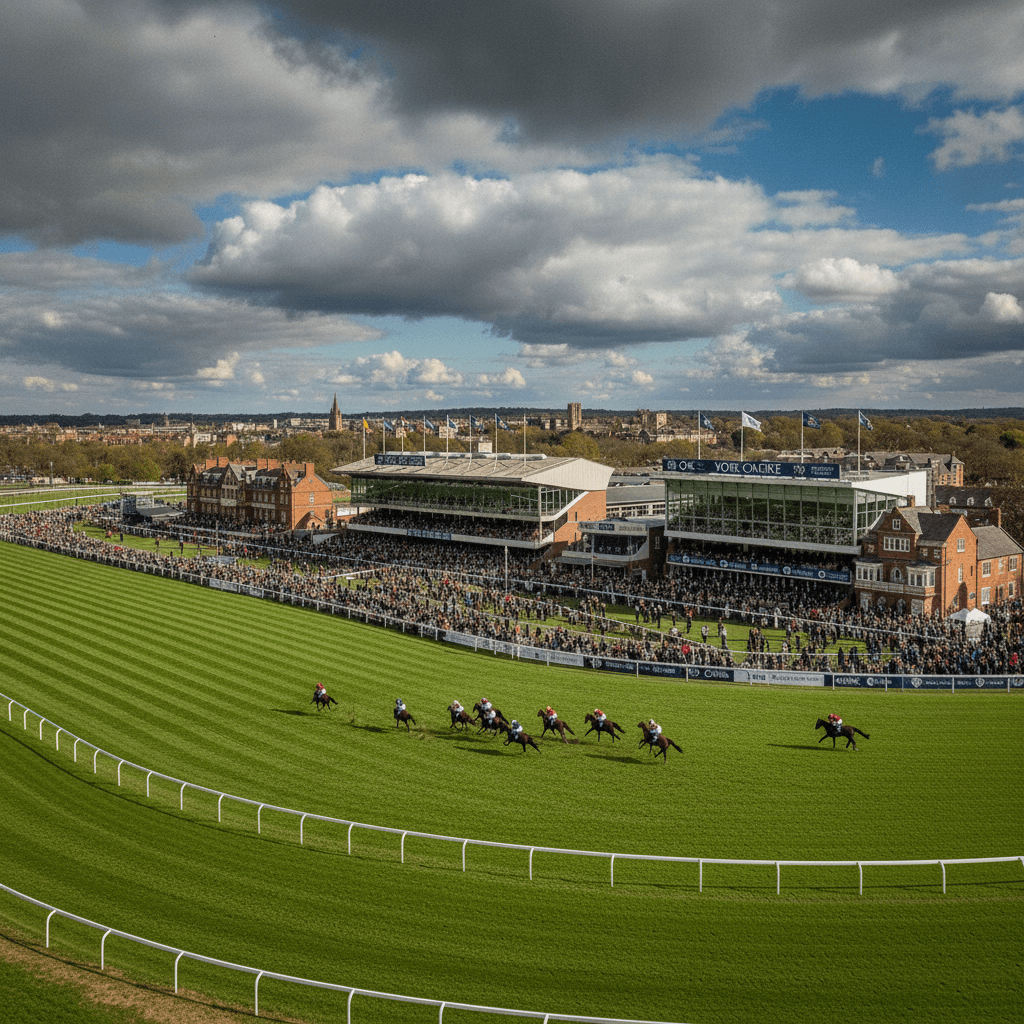
York's left-handed configuration has always demanded respect, but today's ground conditions add an extra layer of complexity. The good to firm surface will suit those with a high cruising speed, while the vertidrained section in the straight's middle could catch out horses who drift off the rail in the closing stages of sprint contests.
The drainage work typically creates a slightly softer strip where the machinery has been at work, potentially offering an advantage to those who can secure a position on the stands' rail or far side. In the longer contests, where the field has more time to spread out, this factor becomes less pronounced, though pace positioning remains paramount on York's galloping track.
Sprint Dynamics
The 15:20 contest over five furlongs and 42 yards will provide the afternoon's most compelling tactical battle. York's sprint course favours horses who can secure an early position without expending excessive energy, as the long run to the line can expose those who go too hard too early. The recent drainage work in the straight's centre could see riders gravitating towards the rail or stands' side, creating potential traffic problems for those drawn in the middle.
Feature Race Analysis
The Paul Corrigan Memorial Novice Stakes at 14:45 stands as the afternoon's premier contest, a Class 4 event over six furlongs that often reveals future stars. The race's positioning early on the card suggests connections are confident in their charges' ability to handle the track's demands fresh.
York's six-furlong trip from the round course requires tactical acumen. The sweeping turn into the straight can catch out inexperienced runners, while the long straight demands both speed and stamina in equal measure. Horses with previous course experience hold a significant advantage, as do those who have shown the ability to quicken from off the pace.
The good to firm ground will suit those with a turn of foot, though the recent drainage work means jockeys must be alert to changing ground conditions as they navigate the straight. Early pace will be crucial—too fast and the leaders may pay late, too slow and they may prove impossible to catch on ground that favours front-runners.
Distance Specialists and Staying Tests
The afternoon's two contests over a mile and three-quarters present a different challenge entirely. York's stamina tests are among the most searching in the country, with the long back straight allowing the pace to develop naturally before the sustained climb from the turn presents the ultimate examination.
The 16:28 QuinnBet Handicap Stakes represents the day's richest prize at £10,800, attracting a field that will need to combine stamina with tactical nous. The good to firm ground will suit those who can travel smoothly through the race, conserving energy for the inevitable battle up the straight.
Pace Scenarios
In staying handicaps at York, early positioning matters less than in sprint contests, but the ability to secure a smooth passage remains crucial. The wide, galloping track allows for patient tactics, though horses who get too far back can find the task insurmountable when the pace quickens approaching the two-furlong marker.
The evening's finale at 17:35, restricted to three-year-olds, could provide the most competitive finish of the day. The age restriction ensures a relatively level playing field in terms of experience, while the distance demands both physical and mental maturity.
Tactical Considerations
York's unique characteristics come into sharp focus when assessing today's varied programme. The track's left-handed configuration and long straight favour horses who can settle and quicken, rather than those who rely on sustained pace. The recent drainage work adds another variable, potentially creating a bias towards the rail or stands' side in the straight contests.
Draw analysis becomes particularly relevant in the sprint contests, where a poor position can prove fatal. Middle draws may find themselves caught on the vertidrained ground, while low numbers should gravitate towards the rail where the surface remains untouched. High draws may benefit from the stands' side, though this depends on where the field gravitates in the early stages.
The afternoon's handicaps present their own challenges, with York's searching nature often exposing horses who are not fully wound up. The good to firm ground will suit those at peak fitness, while the track's undulations can find out horses who are feeling the effects of a hard campaign.
Ones to Watch
While specific runners remain under wraps until declarations, several trends emerge from today's programme. Course and distance winners command enormous respect at York, where track knowledge often proves decisive. The Knavesmire's unique characteristics mean that horses who have shown their best form here possess a significant edge over newcomers to the track.
In the staying contests, look for horses who have shown the ability to quicken from off the pace, particularly those with form over similar distances at tracks like Newmarket or Doncaster. The good to firm ground will suit those with a high cruising speed, while the recent drainage work means tactical speed may prove more valuable than raw pace.
The sprint contests favour horses who can secure early position without expending excessive energy, while the novice event over six furlongs could provide the day's most informative result for future reference. With modest prize money on offer, trainers may use this card as a stepping stone to bigger targets, making form assessment crucial for future betting opportunities.