Racing Abandoned at Nottingham Following Disease Outbreak
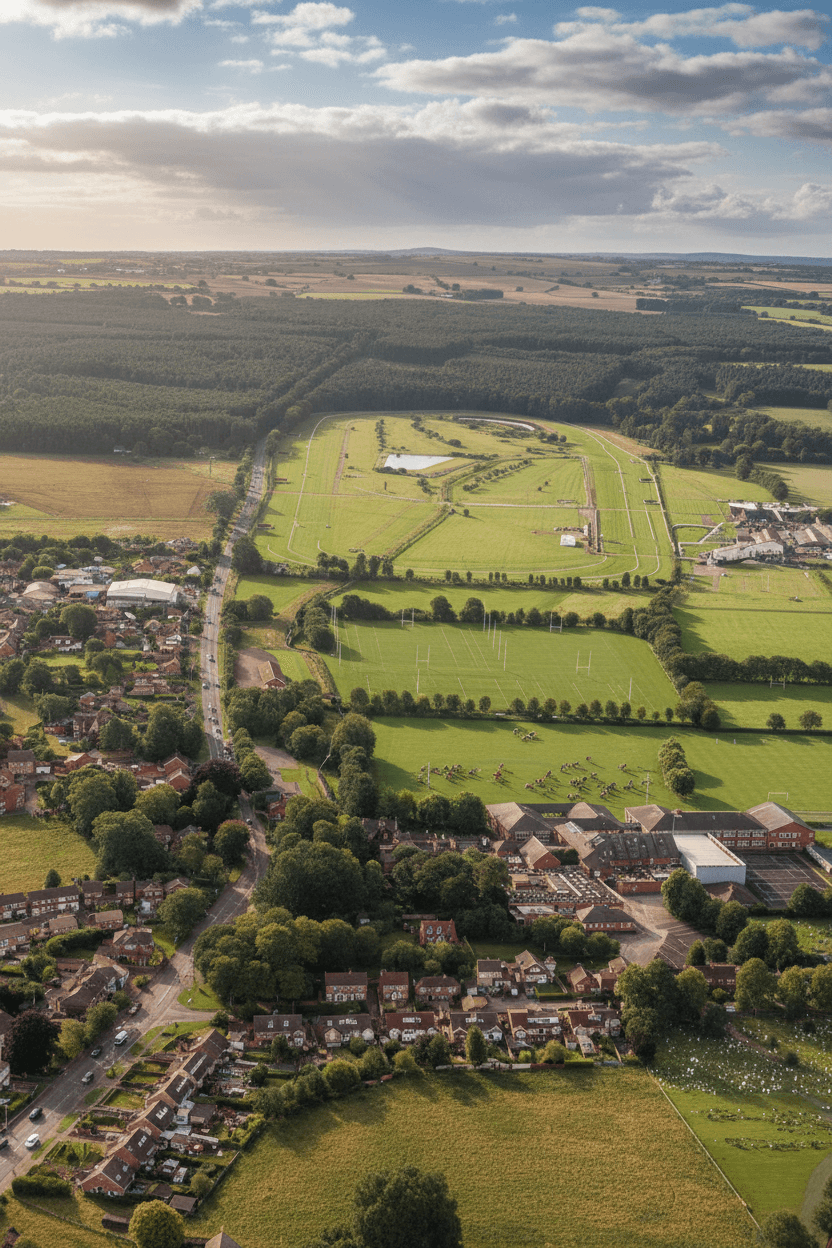
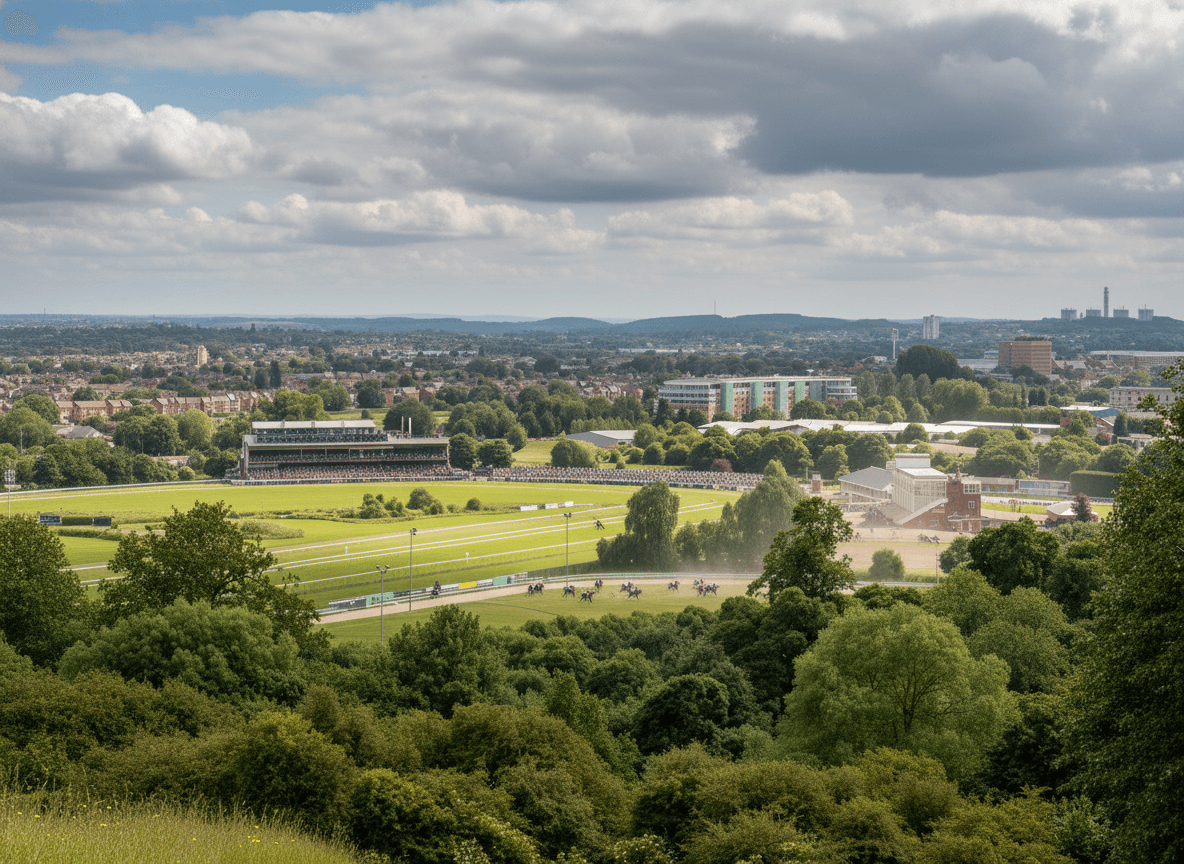
Sunday's seven-race National Hunt card at Nottingham has been abandoned with 48 hours' notice after confirmed cases of Equine Influenza and EHV-4 were detected in an unvaccinated non-thoroughbred horse at a livery yard adjacent to Colwick Park racecourse.
It's a frustrating blow for connections and punters alike, particularly given the quality of racing that was scheduled. The Nottingham racecard featured seven competitive contests with over £70,000 in prize money on offer, headlined by the £14,000 Johnnies Back In The Saddle Handicap Chase.
I've seen plenty of abandonments in my time, but disease outbreaks always carry that extra sting of disappointment. Unlike waterlogged tracks or frozen ground, there's no rescheduling when the veterinary authorities step in.
Understanding the Abandonment Decision
The decision to abandon racing wasn't taken lightly. Equine Influenza and Equine Herpesvirus-4 (EHV-4) are highly contagious respiratory diseases that spread rapidly through horse populations. The proximity of the affected livery yard to the racecourse created an unacceptable biosecurity risk.
What's particularly concerning is that the infected horse was unvaccinated. While vaccination doesn't guarantee complete protection, it significantly reduces transmission rates and severity of symptoms. The racing industry learned harsh lessons from the 2019 equine flu outbreak that shut down racing for six days.
The British Horseracing Authority's swift action here demonstrates how seriously these threats are taken. Better to disappoint racegoers for one afternoon than risk a widespread outbreak that could affect racing nationwide.
What We've Lost: The Day's Feature Races
The abandoned card was shaping up nicely, with the £14,000 Johnnies Back In The Saddle Handicap Chase (4:52) as the afternoon's centrepiece. This Class 4 contest over two miles and two furlongs typically attracts a competitive field of seasoned chasers.
The J H Builders Conditional Jockeys' Training Series finale (4:17) was another highlight, offering young riders valuable experience in a £11,500 prize pot. These conditional jockey series have become increasingly important for developing talent, and missing the finale is particularly galling for those involved.
The Julie Brown Memorial Handicap Hurdle (3:42) over three miles would have provided a stern stamina test, while the opening Mansell McTaggart Mane Event Maiden Hurdle (1:57) was set to showcase some promising novices making their hurdling debuts.
Impact on Connections and the Racing Calendar
Abandonments hit small trainers hardest. While the big yards can easily find alternative opportunities, those with just a handful of horses often plan their entire campaign around specific fixtures. A Sunday afternoon at Nottingham might represent weeks of preparation and significant travel expenses with no return.
Jockeys face similar frustrations, particularly the conditionals who rely on regular rides to claim their valuable weight allowances. Missing seven potential rides in one afternoon can seriously disrupt their momentum.
The timing is especially unfortunate given we're in the heart of the spring jumping season. With Aintree behind us and Punchestown on the horizon, these mid-tier fixtures provide crucial opportunities for horses to either build on seasonal progress or tune up for summer targets.
Biosecurity Lessons and Looking Forward
This outbreak serves as a stark reminder of how vulnerable our sport remains to disease threats. The fact that an unvaccinated horse at a nearby livery yard could derail an entire race meeting highlights the interconnected nature of the equine industry.
Racing's vaccination protocols for thoroughbreds are stringent, but we can't control what happens in the wider horse community. Livery yards, riding schools, and private owners all share the same airspace and, sometimes, the same consequences.
The 48-hour notice period, while disappointing, actually demonstrates the system working as intended. Early detection and swift action prevent much worse scenarios. Those of us old enough to remember the 2001 foot-and-mouth crisis know how much worse things can get when disease takes hold.
For punters who'd already done their homework on today's card, the homework isn't entirely wasted. Many of these horses will reappear at similar venues in the coming weeks, and the form study remains relevant.
The Road Ahead
Nottingham will be back, probably sooner rather than later. The course has an excellent track record of working with the authorities to ensure safe racing, and this abandonment reflects responsible management rather than any systemic failure.
For those who'd planned a day at the races, it's worth remembering that abandoned meetings often lead to bumper fields when racing resumes. Trainers who missed today's opportunities will be keen to run elsewhere, creating competitive betting heats in the process.
The equine flu situation will be monitored closely over the coming days. If contained quickly, we should see normal service resumed without further disruption. If not, we might be looking at a broader shutdown while the authorities get on top of the outbreak.
Sometimes racing reminds us that, for all our careful planning and analysis, we're dealing with living, breathing animals in an unpredictable world. Today's abandonment is frustrating, but it's also a necessary reminder of the responsibilities that come with our sport.