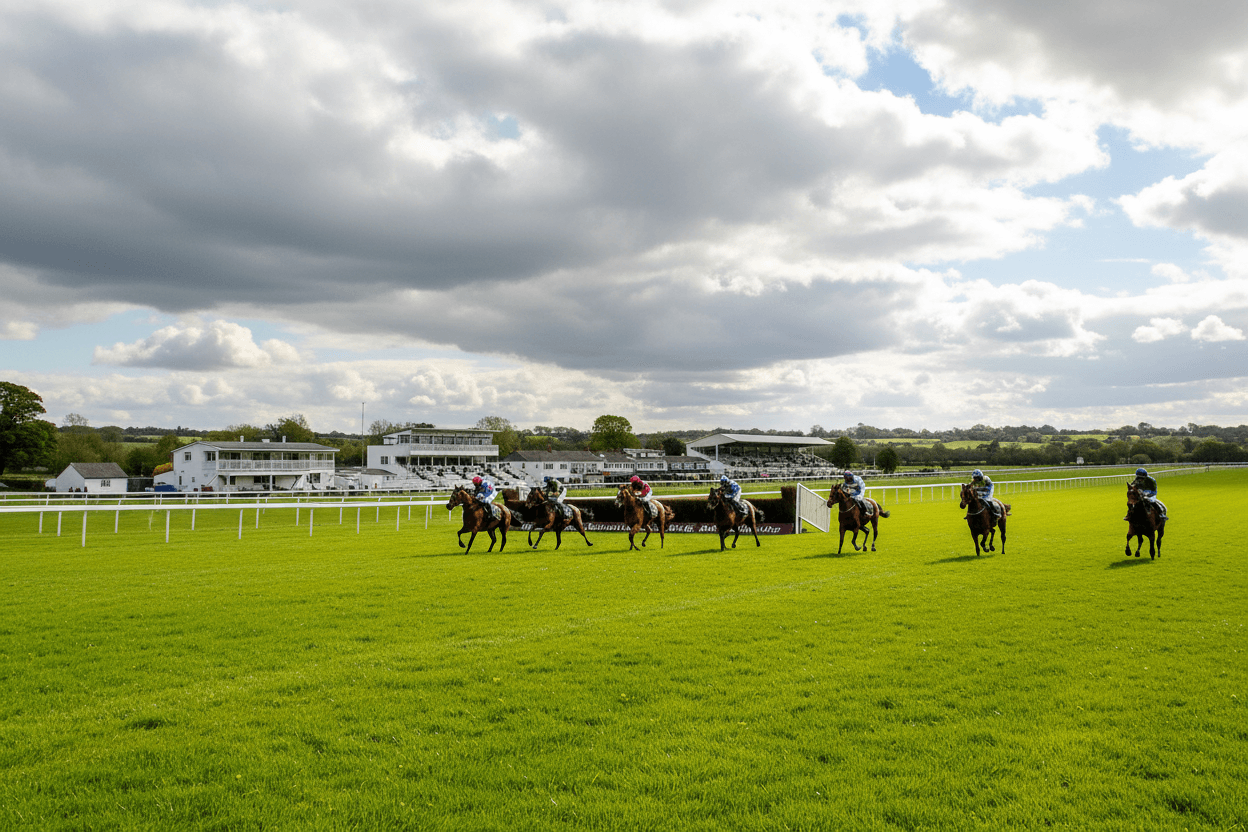
A Course Unlike Any Other
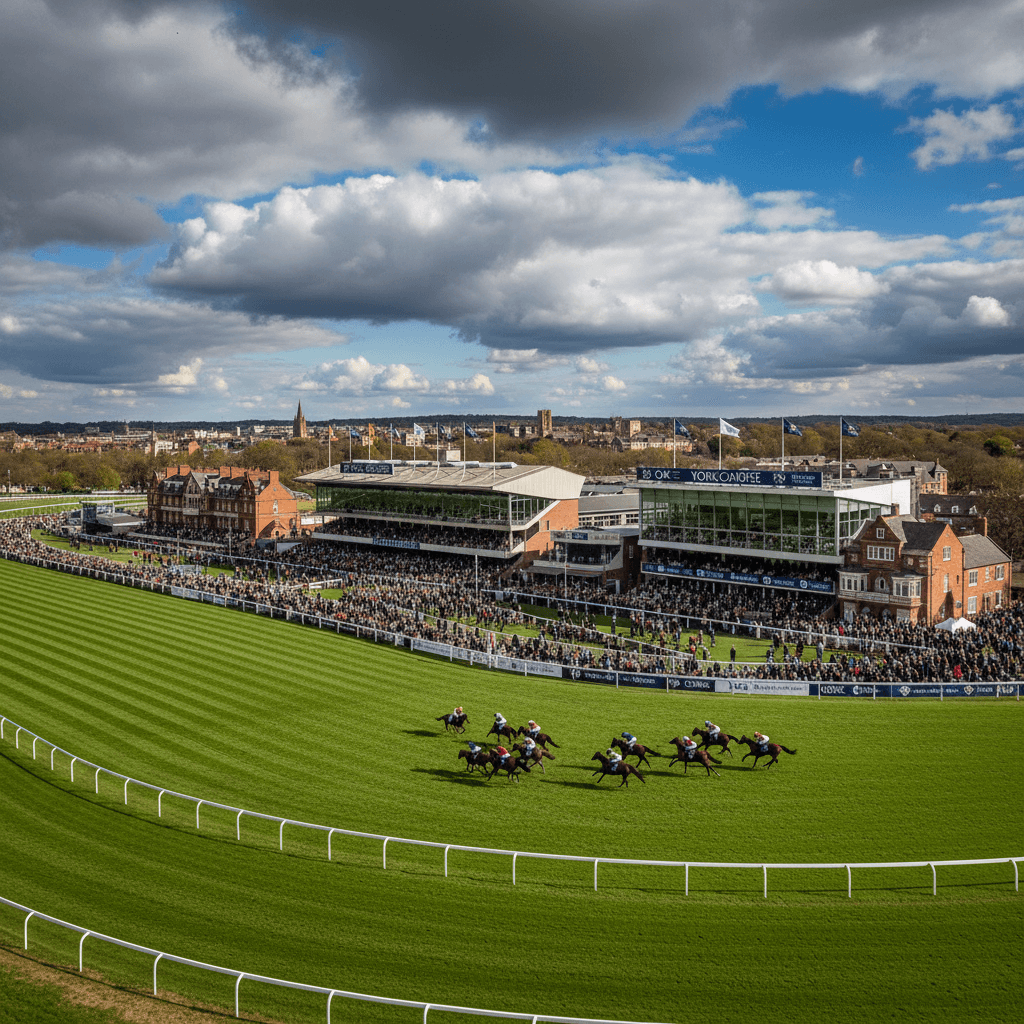
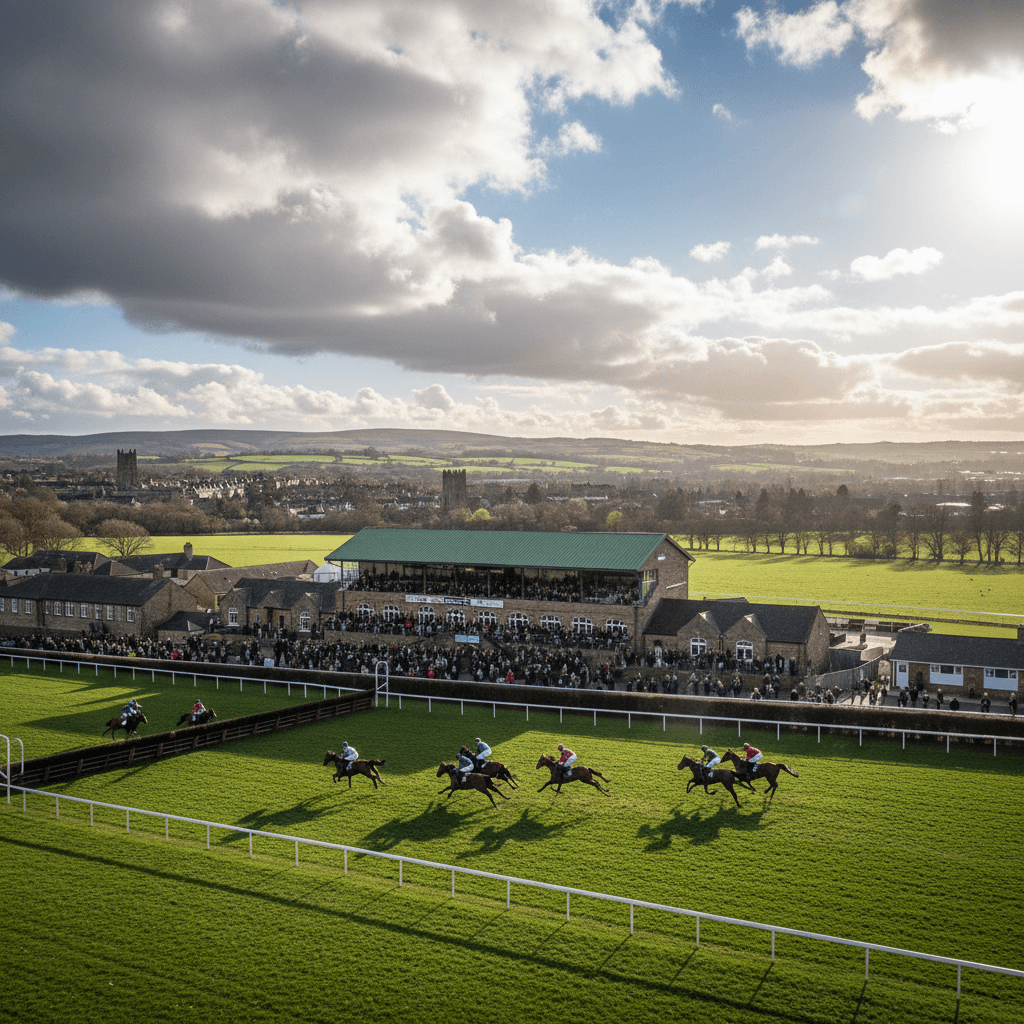
There are racecourses that impress with their grandstands, their parade rings, their corporate suites and their sweeping vistas of manicured turf. And then there is Bangor-on-Dee. Tucked into a gentle bend of the River Dee in Wrexham, Wales, this is a place that earns its affection through quieter means — through the smell of the grass on a warm afternoon, the closeness of the crowd to the action, and a sense that racing here has always been, and will always remain, something essentially human in scale.
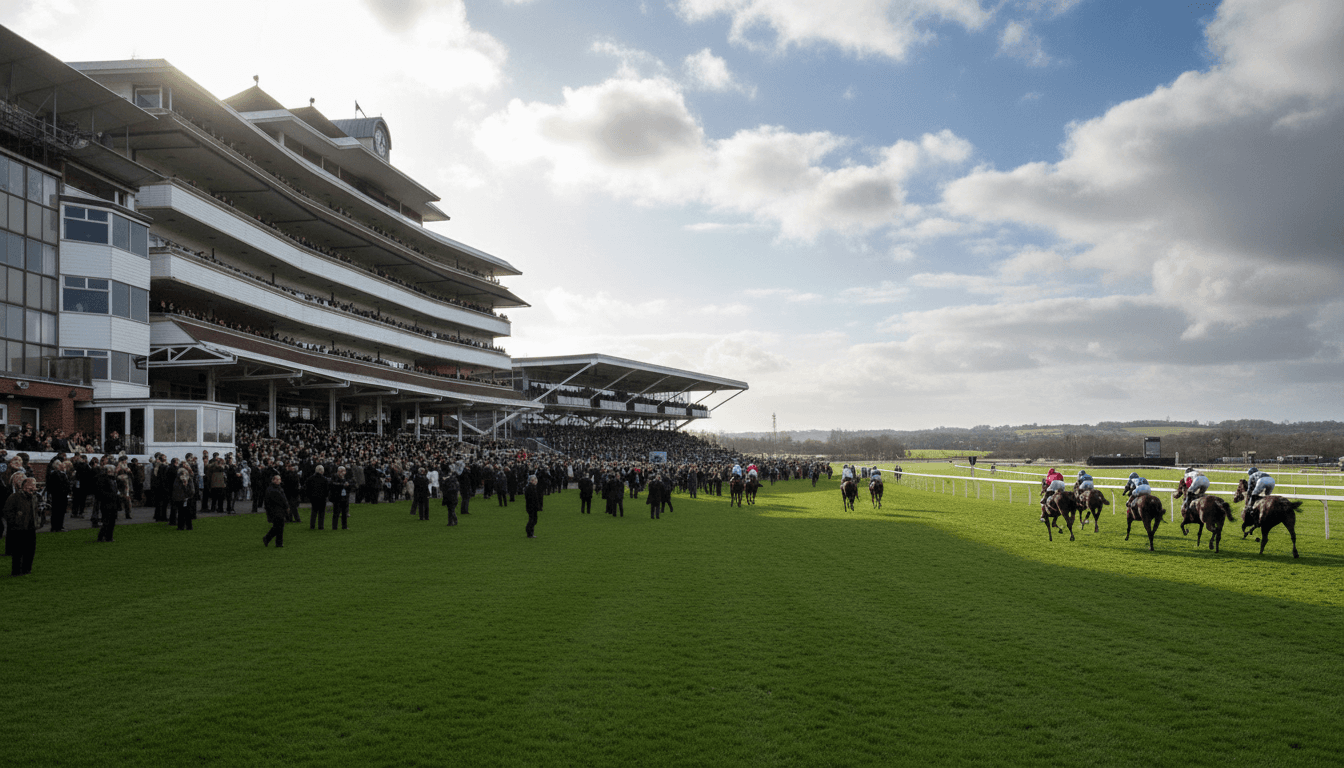
Founded in 1859, Bangor-on-Dee holds a distinction that no marketing department could have dreamed up: it is the only racecourse in the United Kingdom without a traditional grandstand. Racegoers watch from the natural bankside, pressed close to the rails, near enough to hear a jockey's instruction or catch the rhythm of hooves on turf. It is, in the truest sense, racing as it was meant to be experienced — unmediated, immediate, and quietly thrilling.
Though the course is best known as a National Hunt venue — its figure-of-eight chase layout remains one of the most technically demanding in the country — it turns its face to the summer sun this week for two afternoons of Flat racing, and the setting loses none of its charm in the transition.
This Week's Fixtures: Wednesday and Thursday
Bangor-on-Dee stages back-to-back afternoon cards on Wednesday, 12 August and Thursday, 13 August 2026, each offering six races on the Flat. The going is currently described as Good to Firm, Good in places on both days — a surface that rewards horses with a degree of class and athleticism, and one that should produce fair, honest racing throughout.
Summer ground at Bangor tends to ride true. The course sits in a natural river valley and the turf, while not immune to the pressures of a dry spell, generally retains enough give to prevent the ground becoming unforgivingly quick. Good to Firm here is not the same as Good to Firm on a baked, sun-cracked track elsewhere. There is usually a little more kindness underfoot than the description alone might suggest.
Both cards are afternoon fixtures, making them ideal for a midweek visit. The Welsh Marches in August can be genuinely beautiful — warm enough to enjoy, rarely oppressive — and the bankside setting means you are never far from a pleasant vantage point. Full details for each day can be found on the Bangor-on-Dee Wednesday, 12 August 2026 and Bangor-on-Dee Thursday, 13 August 2026 racecards.
Track Characteristics and What to Watch For
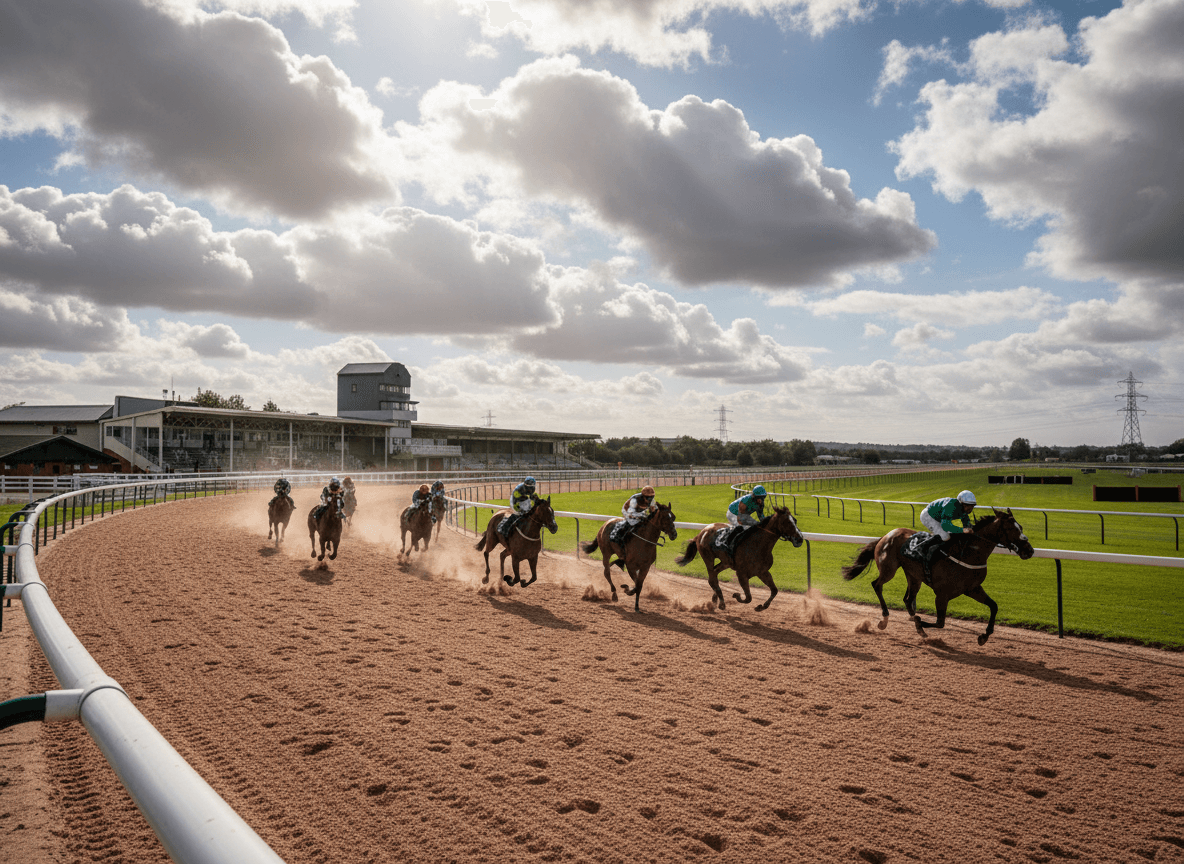
Bangor-on-Dee's Flat track is a left-handed, undulating oval of approximately ten furlongs in circumference. It is not a course that flatters the idle or the one-paced. The turns are tighter than they appear on paper, and the undulations — subtle but persistent — mean that horses must be balanced throughout rather than simply running on autopilot between the straights.
Draw Bias
On a course of this configuration, draw bias is a meaningful consideration, particularly in sprint distances and races run over shorter trips where horses do not have the time or the room to overcome an unfavourable starting position. On the round course, low draws tend to carry an advantage in races up to around a mile, as runners on the inside rail face less ground to cover through the turns. In fields of ten or more, this can be worth a length or more over the course of a race.
That said, Bangor's going plays a role here too. On Good to Firm ground, the rail is often the best ground, which amplifies the advantage for low-drawn runners. If the ground softens slightly toward the inside after rainfall, the picture can shift — but this week's conditions suggest the low draw will be the place to be.
Pace and Tactics
Bangor rewards prominent racers more often than not. The tight left-handed turns make it difficult for horses held up at the back to find a clean run at the right moment, and there is rarely the long, sweeping straight that allows a closer to wind up gradually. Horses that travel well within themselves and can be produced to challenge from the two-furlong pole tend to hold an edge over those relying on a late burst from off the pace.
Watch the early pace carefully. On a sharp track like this, a race that goes off too quickly can compress dramatically in the straight, leaving closers with nowhere to go. Conversely, a slowly-run affair can see the front-runner coast home without ever being seriously tested.
The Type of Horse That Thrives at Bangor-on-Dee
If you are building a profile of the ideal Bangor-on-Dee Flat performer, it looks something like this: a horse with a good action, comfortable on a sound surface, that races handily and handles a turning track. Previous course form is worth more here than at many venues — the combination of tight bends, undulation, and the unique atmosphere of the bankside crowd creates conditions that some horses simply take to and others never quite master.
Horses that have run well at tracks like Catterick, Carlisle, or Chester — all left-handed, all with their own quirks — often translate that form well to Bangor. Equally, horses dropping in from bigger, galloping tracks may find the course a touch sharper than they prefer, particularly if they need time to find their stride.
Trainer form is also worth monitoring. Certain stables have a clear affinity for Bangor, returning season after season with horses that are fit, ready, and suited to the conditions. A trainer with a strong strike rate at the course is not a coincidence — it is a pattern worth respecting.
Practical Tips for Racegoers and Punters
- Arrive early. Parking and access at Bangor-on-Dee can be limited, and the intimate nature of the course means the best viewing spots are claimed quickly. Give yourself time to settle in before the first race.
- Watch the going reports closely. Good to Firm can shift subtly between Wednesday and Thursday, especially if there is any overnight dew or light rain. Check the morning going reports on both days before committing to selections.
- Respect the draw. In fields of eight or more, particularly at sprint distances, low-drawn runners deserve a closer look even if their odds don't fully reflect the advantage.
- Back prominent racers. As noted, horses that race handily and can be produced to challenge turning into the straight have a structural advantage on this track.
- Trust course form. A horse that has won or run well at Bangor before is not simply repeating a fluke. The course has a character, and horses that suit it tend to keep suiting it.
A Final Word
There is something quietly restorative about a day at Bangor-on-Dee. It does not ask you to be dazzled. It does not compete for your attention with vast screens or relentless tannoy commentary. It simply offers you racing — good, honest, competitive Flat racing this week — in one of the most genuinely pleasant settings the sport has to offer.
Two afternoons, twelve races, Good to Firm ground, and the River Dee sliding past in the background. There are worse ways to spend a Wednesday and Thursday in August. Check the full cards on the Bangor-on-Dee course page, study your draw positions, and back a horse that wants to be prominent. The rest, as they say, is racing.