England's Oldest Stage
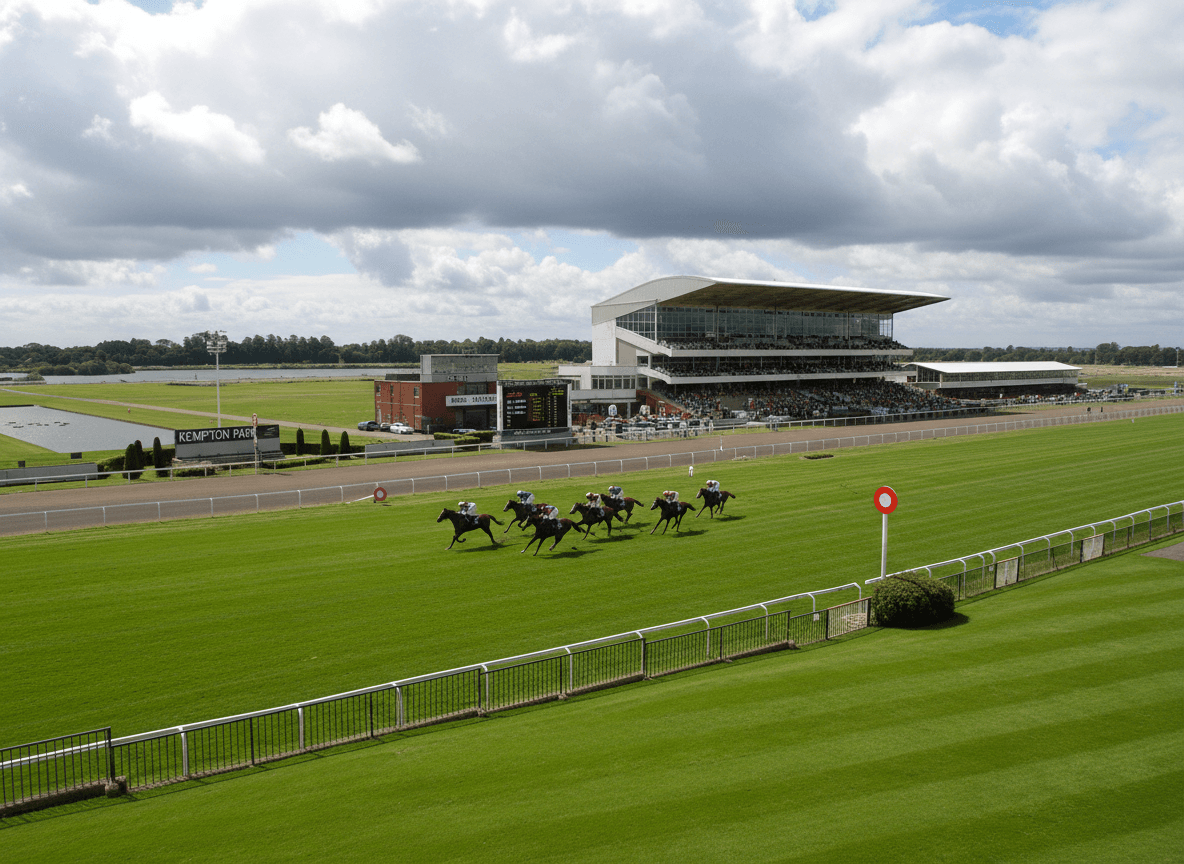
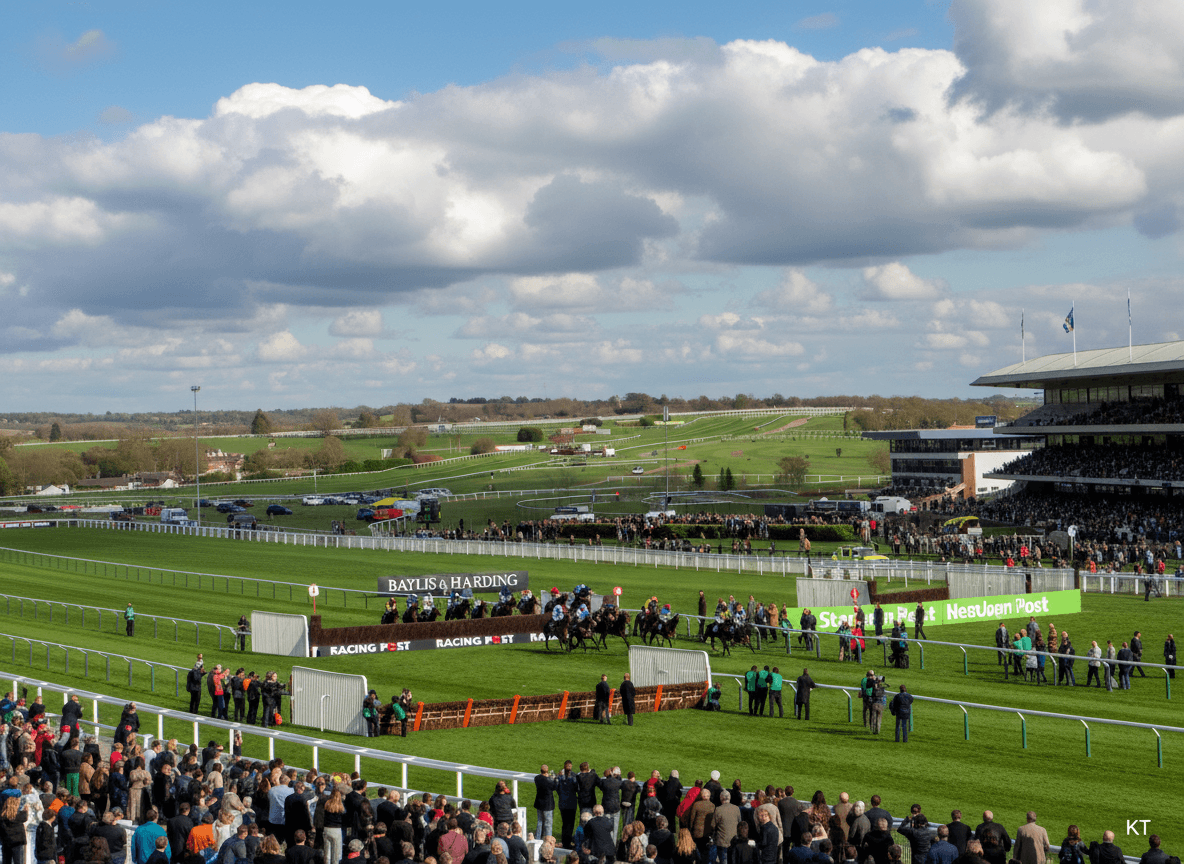
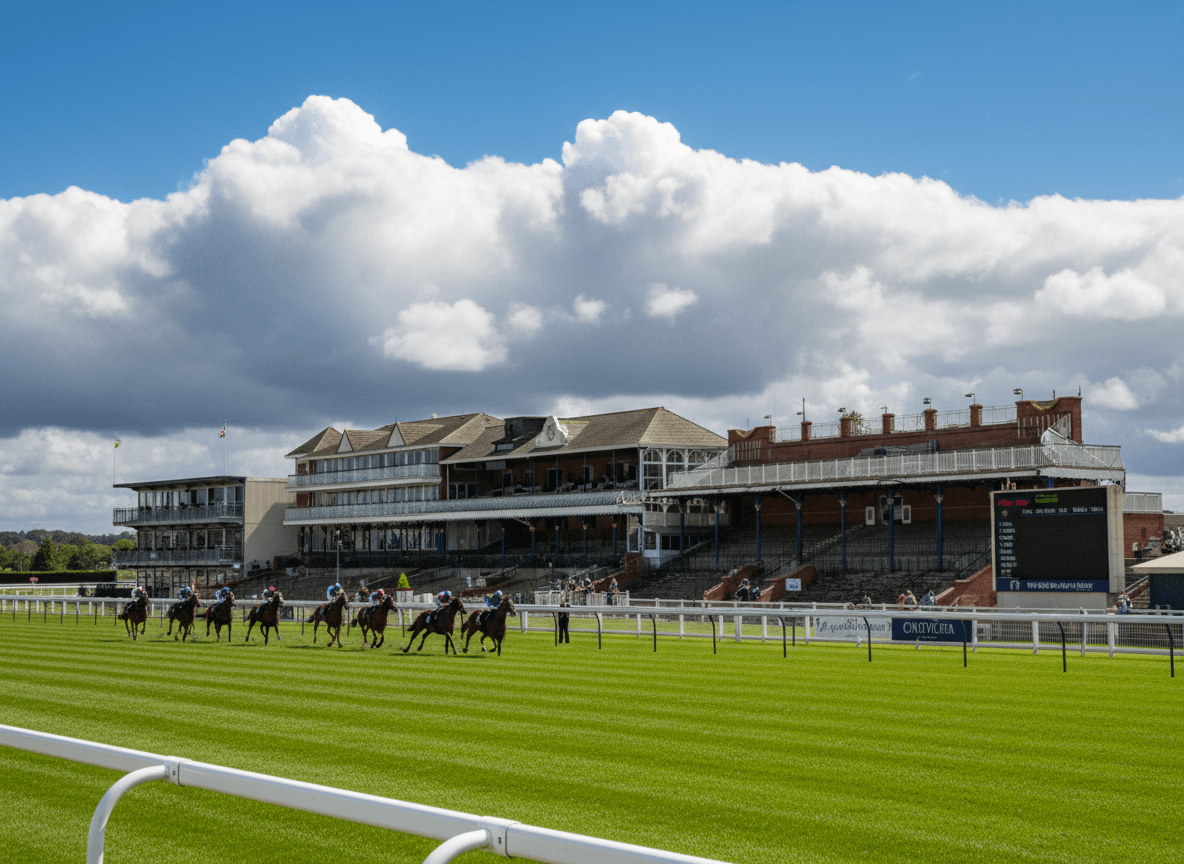
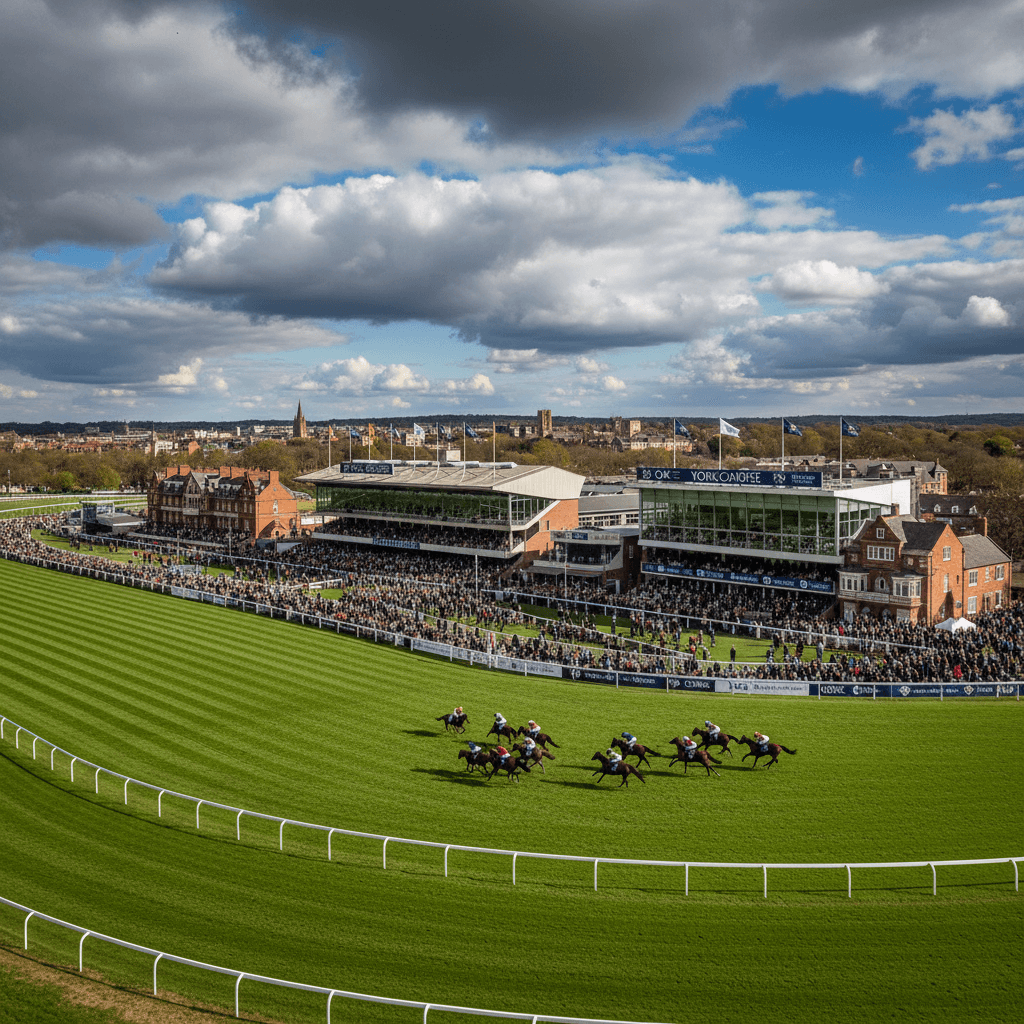
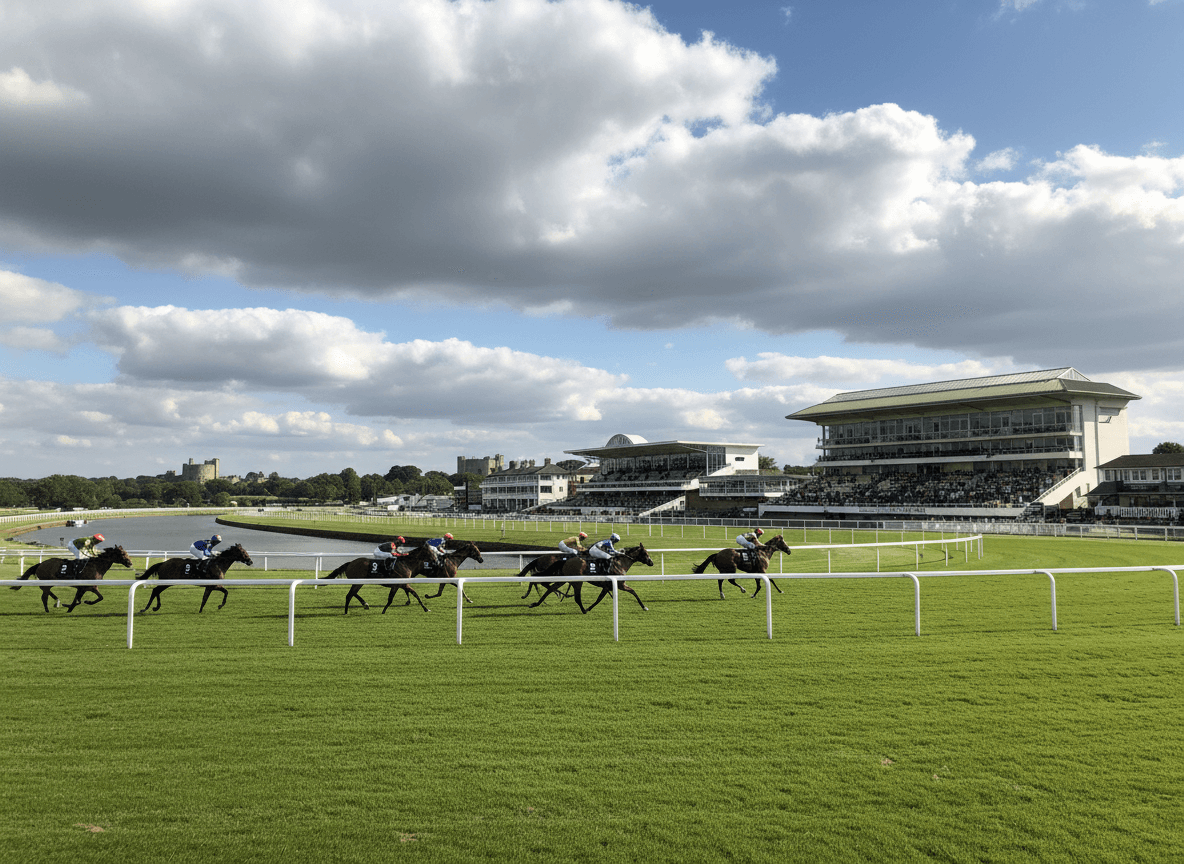
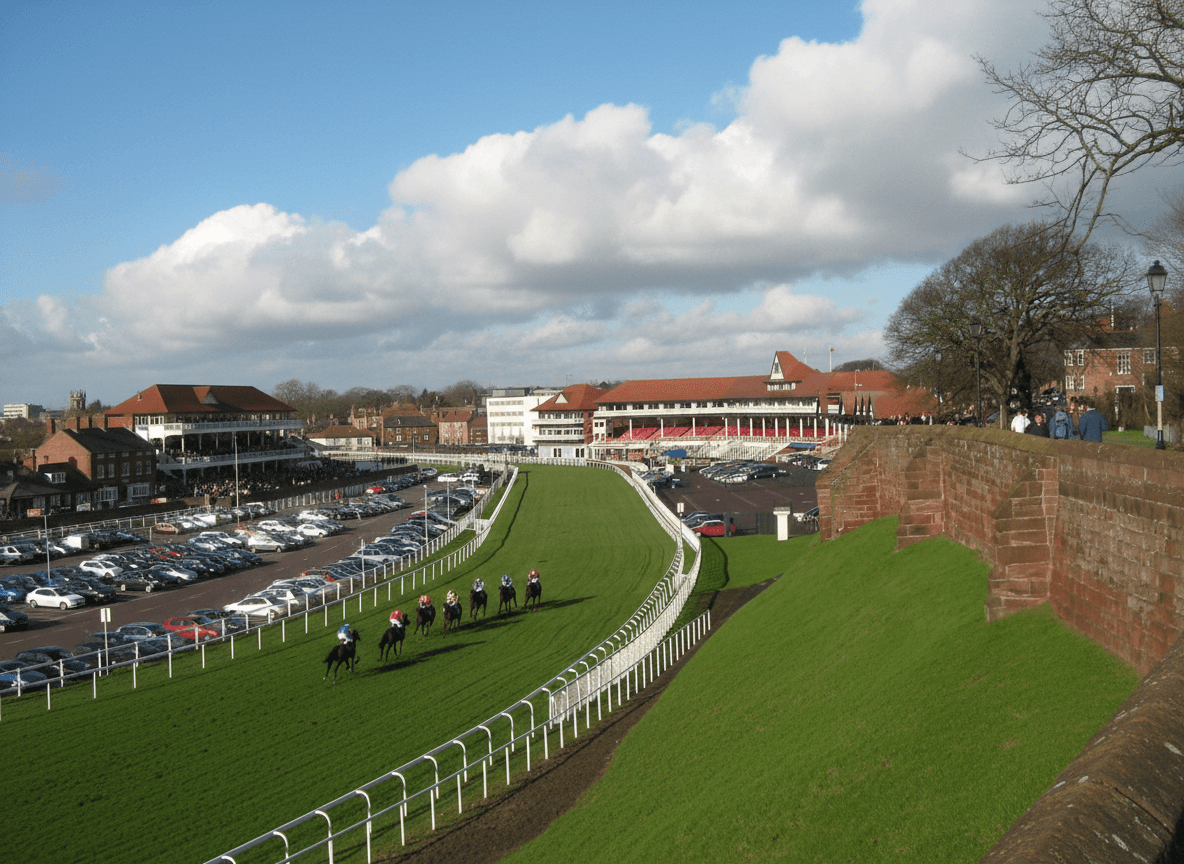
There is nowhere quite like Chester. Tucked within the Roman walls of one of England's most handsome cities, the Roodee has been hosting horse racing since 1539 — a fact that never quite loses its power to stop you mid-thought. Nearly five centuries of hooves on turf, of silks catching the afternoon light, of crowds leaning against the rails with their programmes folded just so. Whatever your relationship with racing, stepping into Chester for the first time — or the fiftieth — carries a weight that few sporting venues can match.
September racing here has its own particular character. The May Festival gets the headlines, the Classic trials and the Chester Cup drawing the nation's attention, but there is something to be said for the quieter dignity of an autumn meeting. The crowds are a little more intimate, the atmosphere a touch more contemplative, and the racing itself often just as compelling. This week brings four consecutive afternoon fixtures — Thursday through Sunday — and the ground, sitting at Good to Soft, Soft in Places with a Stiffness Measure of 46, promises a genuine examination of stamina and class alike.
The Week's Fixtures at a Glance
All four days follow the same afternoon format across a compact but well-constructed programme. Thursday and Friday each carry eight races, while Saturday and Sunday offer seven apiece — a sensible tapering that keeps the quality concentrated without overloading the card. The going is consistent across all four days: Good to Soft, Soft in Places, with that SM46 reading suggesting conditions that will reward horses who travel well through the ground rather than those who simply skate across a fast surface.
- Thursday, 10 September — 8 races, afternoon
- Friday, 11 September — 8 races, afternoon
- Saturday, 12 September — 7 races, afternoon
- Sunday, 13 September — 7 races, afternoon
The ground reading deserves a moment's attention. A Stiffness Measure of 46 in soft-in-places conditions at Chester is not trivial. This is a track that already asks significant questions of a horse's constitution — add genuine give underfoot and you remove any margin for error. Horses who were borderline on stamina in faster conditions will find themselves found out. Those with a high cruising speed and a clean action may find the surface more taxing than their form suggests. The premium, this week, will be on proven ability in cut.
Understanding the Roodee: Track Characteristics and Draw Biases
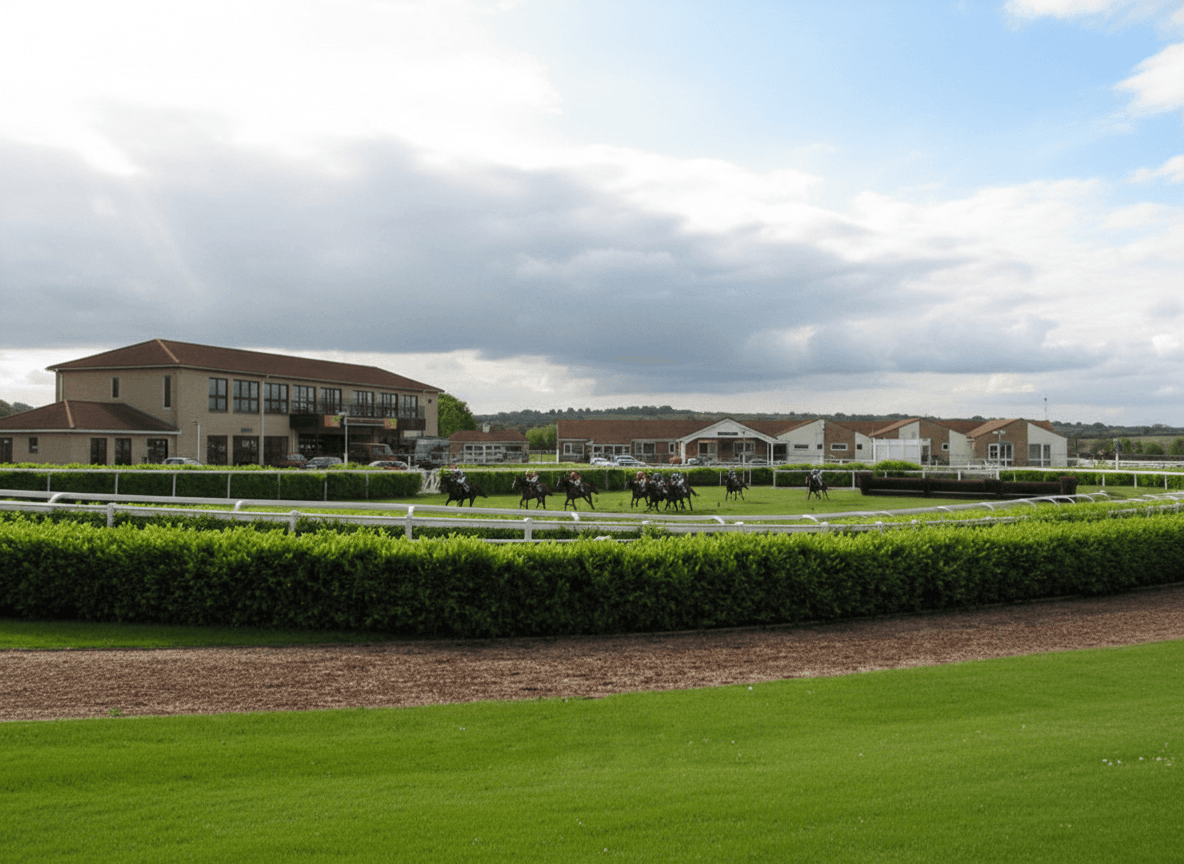
For those less familiar with Chester's geometry, a brief orientation is worthwhile. The course is a left-handed oval of just over a mile in circumference — the tightest circuit in British Flat racing. The bends are sharp and come upon you quickly, the home straight is short, and the entire experience demands that a horse be balanced, responsive, and comfortable racing in close quarters. There is no room here for the horse that needs daylight and a long run to find its stride. Chester rewards the nippy, the agile, and the tactically placed.
The draw bias is one of the most pronounced on the Flat circuit, and it is essentially non-negotiable: low numbers are king. In sprint distances particularly — the five and six furlong races — a horse drawn in stall one, two, or three holds a structural advantage that no amount of ability can fully overcome from a wide berth. The reason is simple geometry: the first bend arrives so quickly after the start that high-drawn horses are immediately fighting to make up ground lost on the turn. In larger fields, this effect is amplified considerably.
Over longer distances the bias softens slightly, though it never disappears entirely. Horses drawn in the middle to high stalls over a mile or beyond can compensate with good tactical positioning, provided their jockey is alert to the need to slot in early and avoid being caught wide on the bends. This is a course that rewards intelligent, experienced riders — the kind who know its rhythms instinctively.
Pace Scenarios
Chester's tight configuration also has a pronounced effect on pace dynamics. Races here tend to be run at a genuine gallop from the outset — there is simply not enough track to dawdle and then sprint. This suits the hold-up horse less than you might expect; by the time the field straightens for home, there is precious little time to make up significant ground. Horses who travel prominently, who race within themselves near the pace, and who can quicken off a true gallop are the ones to follow. The closer to the front, the better — provided the horse can handle the early pressure of those sharp bends.
The Type of Horse That Thrives at Chester
If you were to draw up a profile of the ideal Chester horse, it would look something like this: compact rather than rangy in build, left-handed in its natural inclination, comfortable on a turning track, proven in soft ground, and ridden by someone who knows the course. Breeding matters here too — horses by sires who consistently throw course-and-distance winners at Chester are worth noting, particularly when the ground has ease in it. Stamina-laden pedigrees from the staying and middle-distance lines tend to come into their own when the SM reading climbs above 40.
First-time visitors to the track can occasionally spring a surprise, but Chester is very much a course where experience counts. A horse that has raced here before, handled the bends, and finished respectably is worth considerably more than its bare form might suggest. Look for the course-and-distance winner on a similar going description — at these September meetings, that profile has a habit of delivering.
Practical Tips for Racegoers and Punters
If you are attending in person this week, a few things are worth bearing in mind. Chester's urban setting means parking requires planning — the city centre fills quickly on race days, and the walk from some of the peripheral car parks, while pleasant enough, is longer than first-timers anticipate. Arrive early, not least because the parade ring and pre-race atmosphere at the Roodee are among the genuine pleasures of a day at the races, and they deserve unhurried attention.
For those following from home, the draw is your first port of call before placing any bet — particularly in sprints and races over a mile or less. Check the field size, identify the low-drawn runners, and work backwards from there. In the going conditions this week, also weight your assessment towards horses with a proven soft-ground record. A horse returning a fast-ground form figure on a Good to Firm surface is a very different proposition to the same horse in Good to Soft with cut underfoot.
Finally, keep an eye on the jockey bookings. Chester attracts the top riders precisely because its demands reward craft, and a booking by a jockey with a strong course record here — particularly one who rides for a yard that knows the track — is a meaningful signal rather than mere coincidence.
Four Days Worth Savouring
September at the Roodee is a quieter chapter in the Chester story, but no less rewarding for it. The ground will test, the bends will sort the balanced from the awkward, and the draw will — as it always does — have its say. Whether you are there in person, watching from home, or simply studying the form with a cup of tea and a well-marked racecard, there is plenty to engage with across all four days. The full racecards for Thursday, Friday, Saturday, and Sunday are available on the site. The Roodee has been putting on a show since 1539. It has no intention of stopping now.