A Course That Gets Under Your Skin
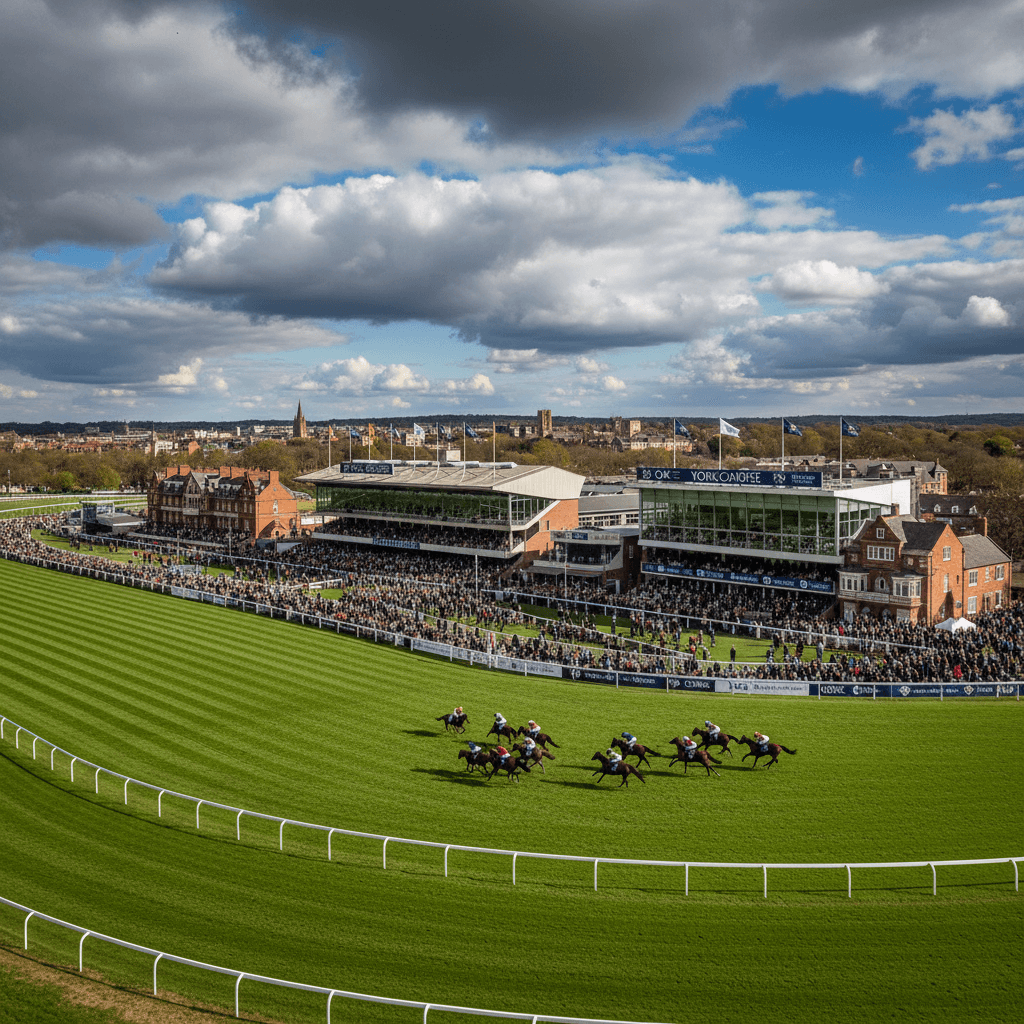
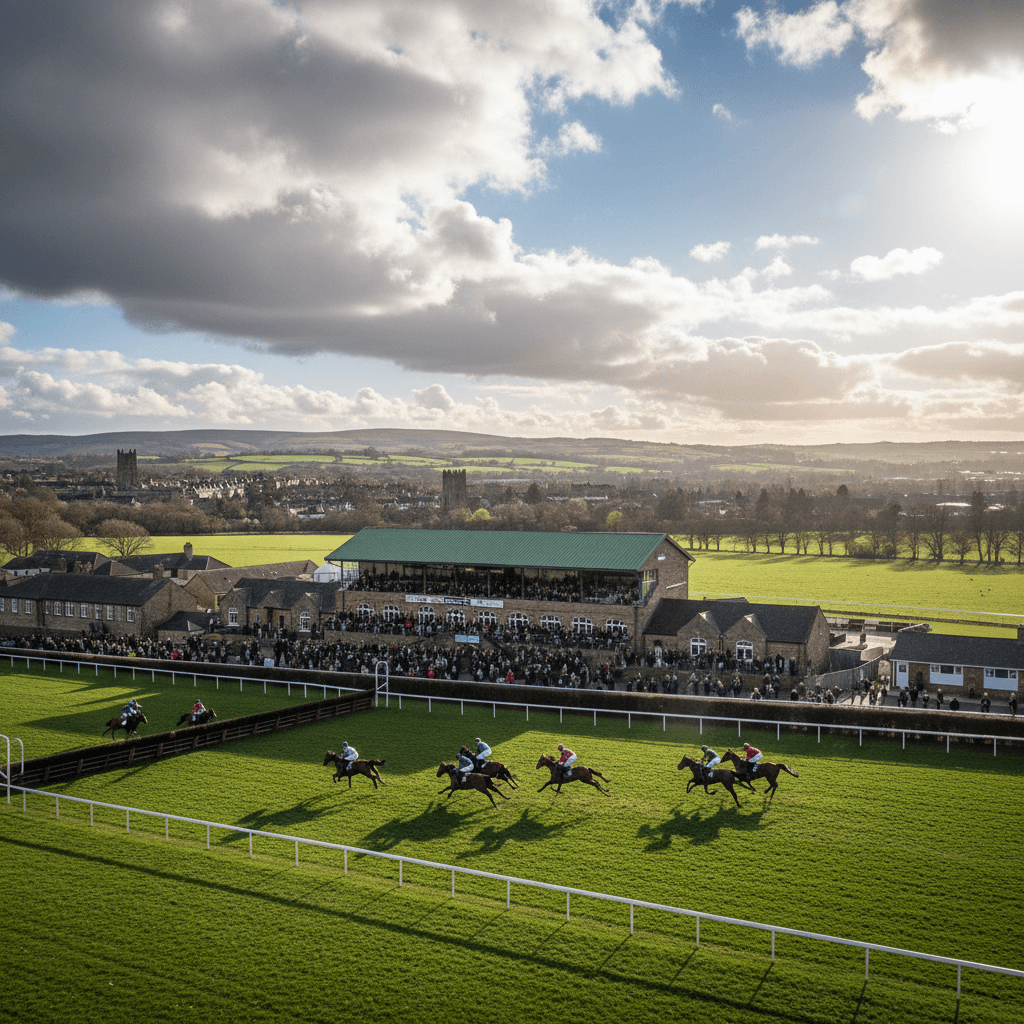
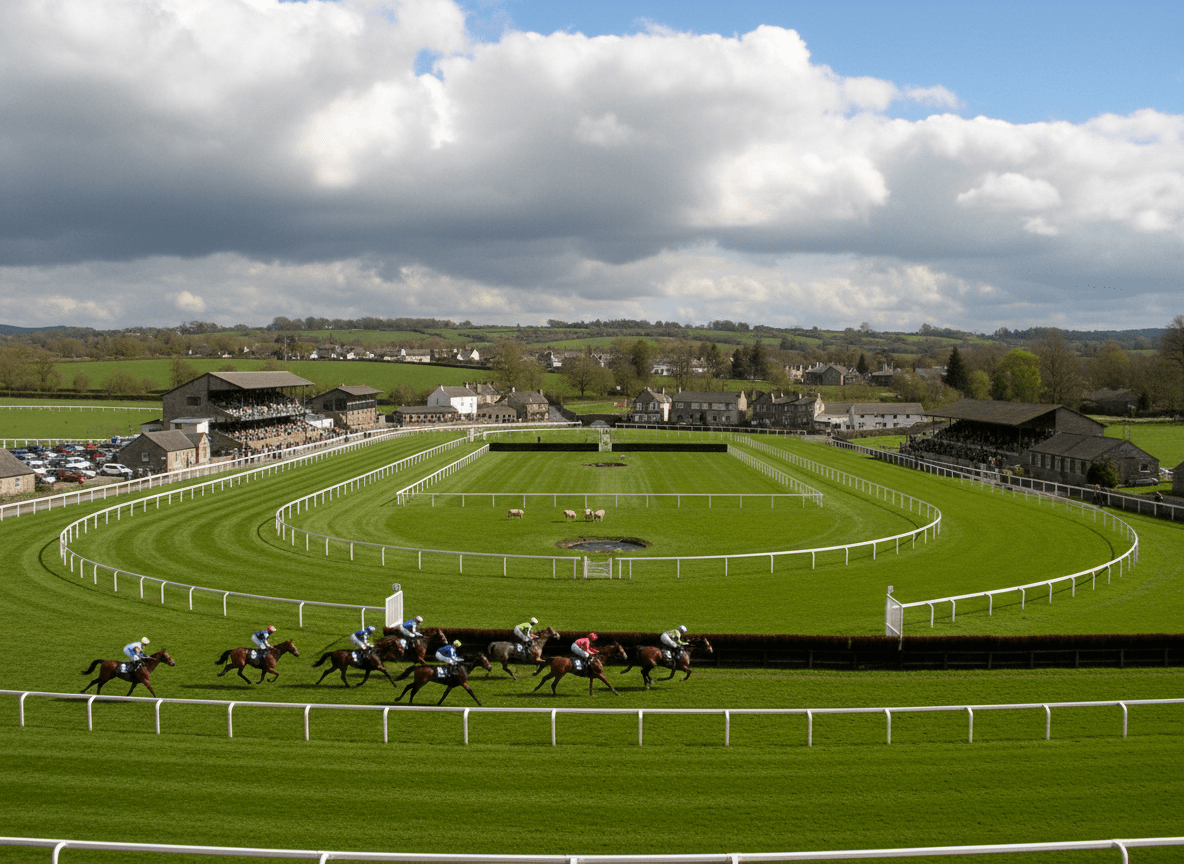
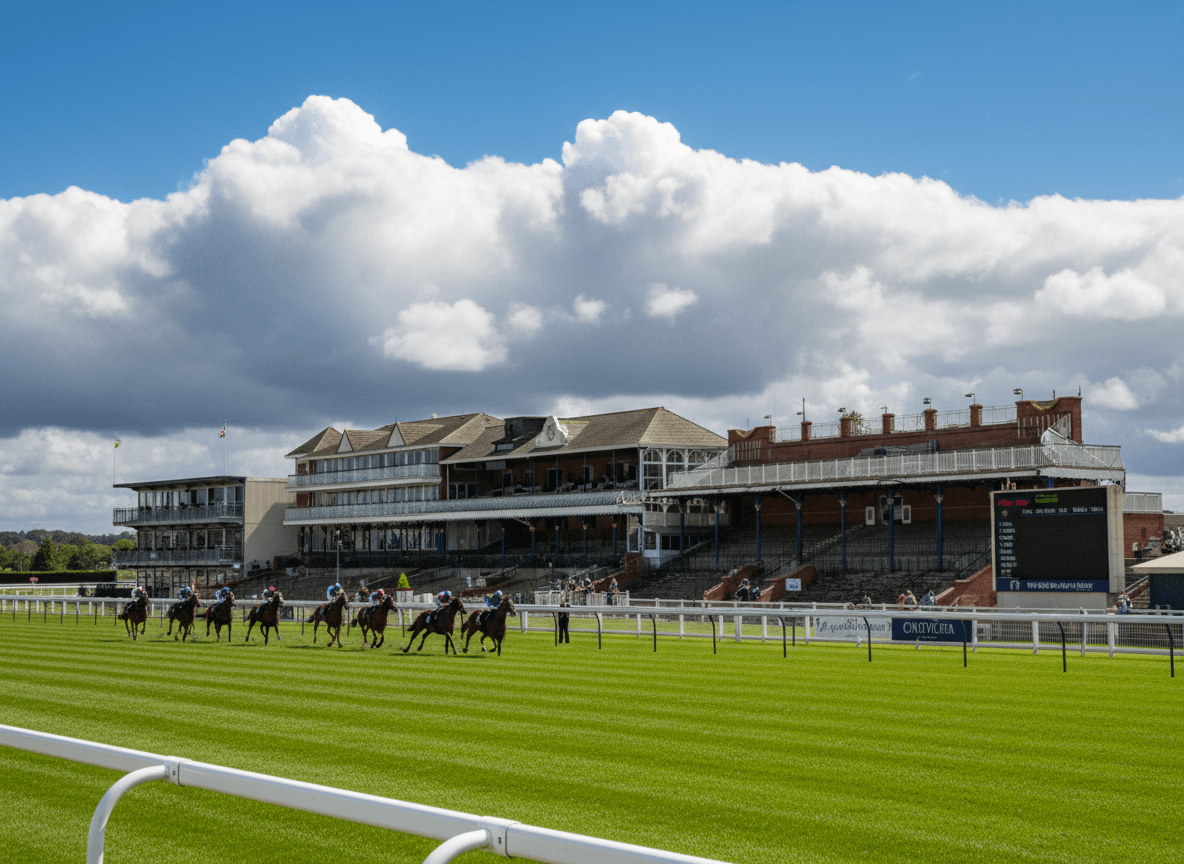
There are racecourses you visit, and then there are racecourses you fall in love with. Ayr belongs firmly in the second category. Nestled in South Ayrshire with the Firth of Clyde glinting on the horizon and the hills of Arran framing the skyline on a clear day, this is a venue that carries its history lightly but wears it proudly. Racing has been woven into the fabric of this corner of Scotland for centuries, and while the current course was formally established in 1907, you sense something older and deeper when you stand in the grandstand and watch a field of thoroughbreds sweep around that long, galloping left-handed oval.
Ayr is Scotland's only Grade 1 racecourse, and that distinction matters — not merely as a badge of prestige, but as a reflection of the quality this track has consistently attracted and rewarded. It is home to the Ayr Gold Cup, one of the most fiercely competitive sprint handicaps in the entire British calendar, and the Scottish Grand National, that gruelling test of jumping stamina that captures the imagination every spring. Between these two pillars of the racing year, Ayr offers a programme that is consistently fair, consistently well-run, and consistently worth the journey — whether you're travelling from Glasgow, Edinburgh, or considerably further afield.
This weekend, the course hosts two afternoon flat fixtures on Saturday 12th and Sunday 13th September 2026, and with the going reported as Good on both days, conditions look set to showcase the course at something close to its very best.
This Weekend's Fixtures at a Glance
Both days follow the same pleasing template: seven-race afternoon cards run on the flat, with Good going underfoot. After the unpredictability that can accompany a British summer, the prospect of a genuine Good surface at Ayr in September feels like something of a gift — and it is the kind of ground that tends to produce honest, competitive racing where merit rather than luck tends to prevail.
You can view the full racecard for Ayr Saturday, 12 September 2026 and plan your Sunday around the Ayr Sunday, 13 September 2026 card. Seven races across an afternoon session on each day gives you a generous programme without ever feeling relentless — there is time to breathe between races, to walk down to the rail, to watch the horses in the paddock, and to appreciate the craft involved before the next contest begins.
September racing at Ayr carries a particular quality. The season is maturing, the handicapper has had time to assess horses properly, and trainers are often targeting these meetings with horses who have been quietly campaigned through the summer with exactly this kind of ground in mind. Do not underestimate the depth of thought that goes into a seven-race Saturday card at a course of this calibre.
Understanding the Track: What Ayr Rewards
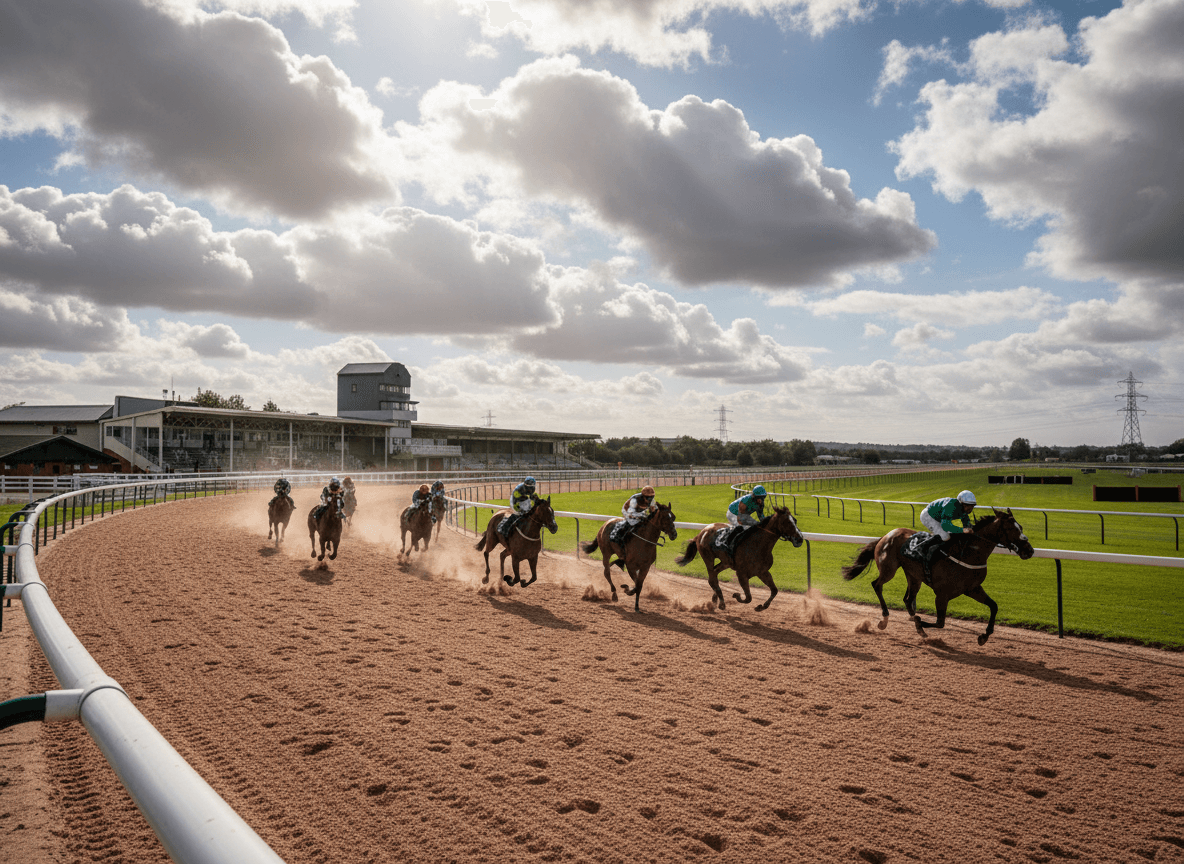
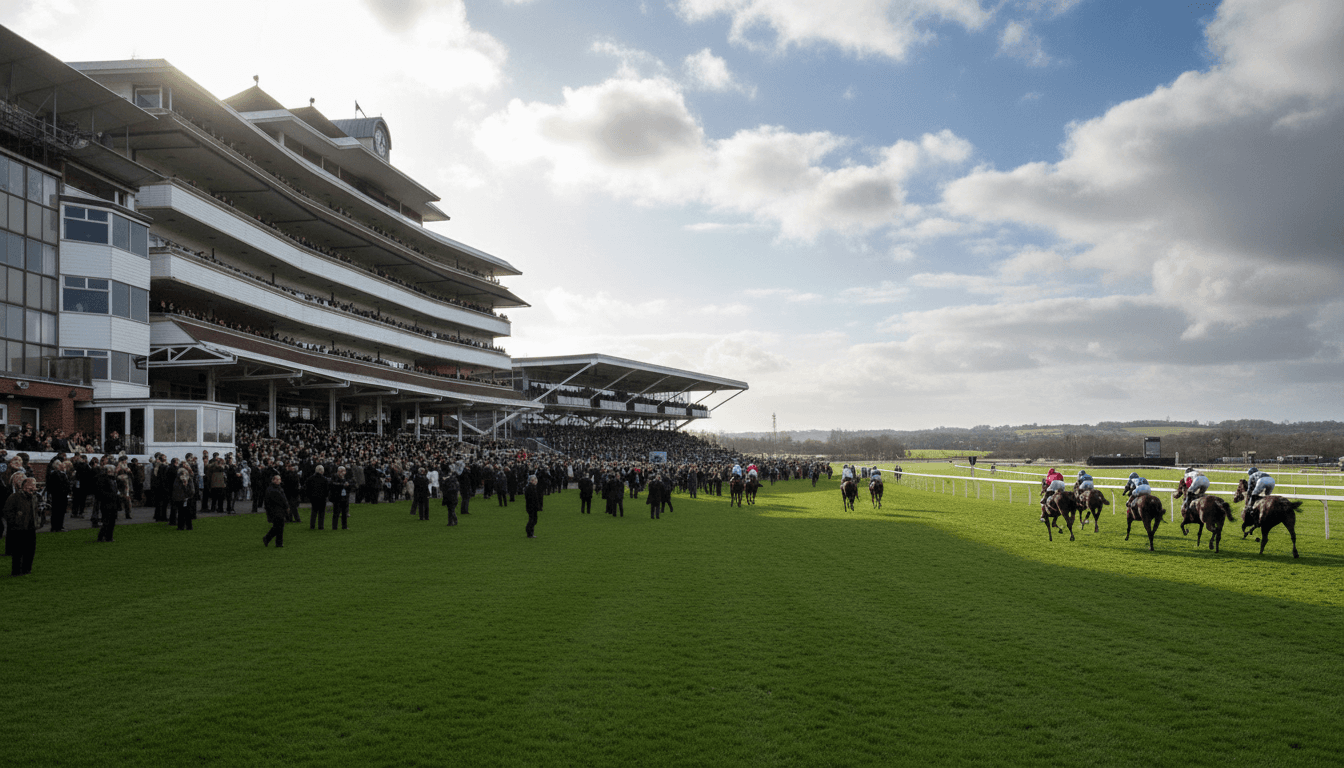
Ayr's flat course is approximately one mile and five furlongs in circumference, left-handed and broadly oval in shape, with a notably long and demanding six-furlong straight. That straight is one of the defining features of the track — it is long enough to stretch a field out fully and expose any horse who has been flattered by a strong pace elsewhere, but it also gives genuine closers the time and space to build momentum. This is not a course where the race is over before it has truly begun.
The track is largely flat and generally considered fair to all types of runner, which is part of what makes Ayr so appealing from a welfare and integrity standpoint. Horses are not disadvantaged by extreme gradients or deceptive cambers; they are asked to race, and the best horse on the day usually wins. That said, there are some nuances worth understanding:
- Draw bias in sprint races: In shorter distance races, particularly over five and six furlongs, a high draw has historically shown an advantage at Ayr, particularly when the ground is on the faster side of Good. Horses drawn towards the stands rail in big-field sprints have often found an edge, though this can vary with field size and pace. Always check the draw before committing in sprint handicaps.
- Galloping types thrive: The sweeping nature of the track suits horses who travel well through a race and have a genuine stride. Neat, compact horses who rely on a sharp turn or a tight finish may find Ayr less suited to their style than a more constricted track.
- Stamina is tested at longer distances: Over a mile and beyond, Ayr genuinely tests a horse's staying ability. The pace is often honest and the straight long enough to ensure that anything short of genuine resolution will be found out.
- Good ground brings out quality: On a surface like the one forecast this weekend, class horses tend to assert themselves. This is not a day for backing horses solely on the basis of a soft-ground preference — look instead for those with proven form on a sound surface.
The Type of Horse to Follow at Ayr
If you are building a profile of the ideal Ayr flat performer, you are looking for a horse with a fluent, ground-covering action, genuine tactical versatility, and the kind of honest constitution that allows them to put their best foot forward on fair ground. Ayr does not particularly flatter front-runners, nor does it exclusively reward hold-up horses — it tends to find out those who are doing something false and reward those who are doing something genuine.
Horses trained in the north of England and Scotland deserve particular attention at this meeting. Trainers based at yards in Yorkshire, County Durham, and Scotland itself often target Ayr with horses who have been specifically prepared for these conditions, and they carry local knowledge that is not always reflected in the market. A horse who has run well here before is always worth a second look — course form at Ayr has a habit of repeating itself, particularly on similar going.
For the sprint races specifically, watch the paddock carefully. Horses who are relaxed, well-muscled through the hindquarters, and moving with easy fluency in their warm-up tend to thrive on this surface. Ayr's long straight places a premium on sustained speed rather than a single explosive burst, and the horse who looks most composed before the race often translates that composure into the performance itself.
Practical Tips for Racegoers and Punters
Whether you are making the trip to Ayr in person or following the action from home, a few practical thoughts are worth keeping in mind as you approach the weekend.
- Arrive early and use the paddock: Ayr's paddock is one of the great pleasures of a day at the races here. The horses are well presented, the space allows you to observe properly, and experienced handlers and trainers are often visible and approachable. The intelligence you can gather simply by watching a horse walk is genuinely useful.
- Watch the market moves: September Saturday cards at quality northern venues often attract well-prepared horses from shrewd yards. Significant market support — particularly for horses at bigger prices — is worth noting rather than ignoring.
- Factor in the draw in sprint fields: As noted above, the draw matters in shorter races at Ayr. Before placing any bet in a five- or six-furlong race with a large field, check where your selection is drawn and how that compares to recent winners at the course.
- Consider each-way value in handicaps: Ayr's competitive handicaps, particularly over sprint trips, can produce wide-open markets. Each-way betting in fields of twelve or more runners can offer genuine value, particularly if you have identified a horse with solid course form or a favourable draw.
- Check the going updates on the morning: Good ground can shift, and a brief shower overnight can make a meaningful difference to how the track plays. Always check the official going report on the morning of the race before finalising your selections.
A Weekend Worth Savouring
There is something genuinely restorative about a weekend of flat racing at Ayr in September. The season is beginning its long, golden exhale, the horses are at the peak of their fitness, and the course itself — fair, well-maintained, and steeped in the kind of atmosphere that only a genuine racing community can generate — provides the perfect stage. This is not a venue that shouts about itself. It does not need to. Its reputation has been built over more than a century of honest, well-organised racing, and it continues to earn that reputation meeting by meeting, season by season.
Bring your racecard, bring your patience, and bring an open mind. The Saturday card and the Sunday card both promise seven races on Good ground — which, in the context of a British September, feels almost like a promise kept. Ayr rarely disappoints, and this weekend, I suspect, will be no different.