A Course That Earns Its Reverence
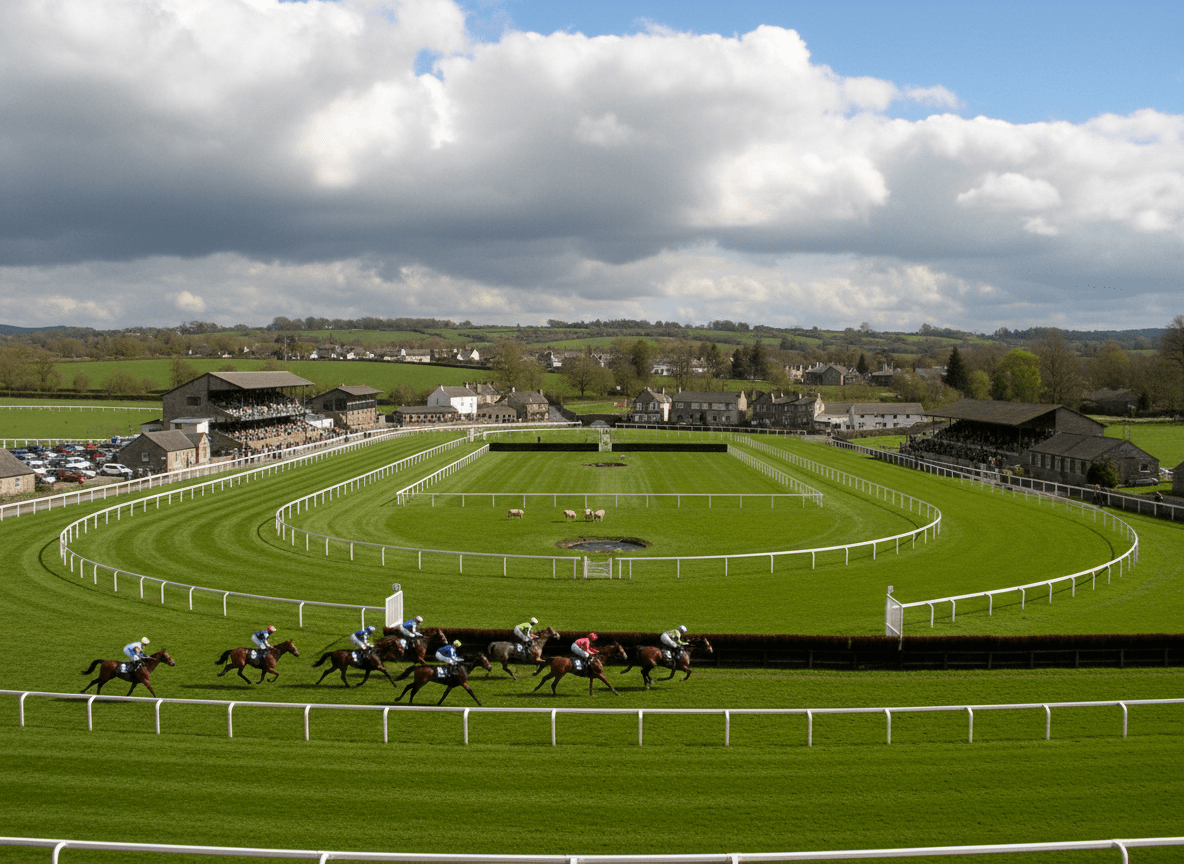
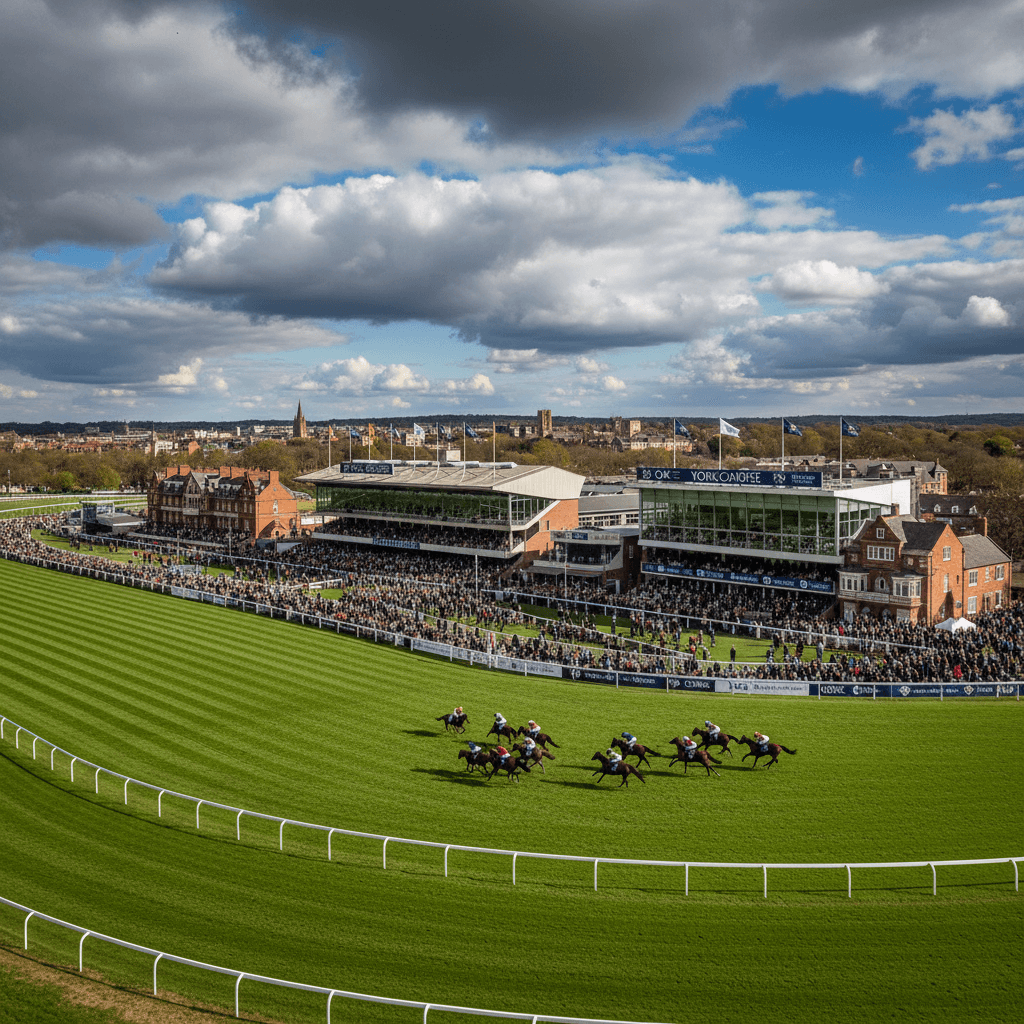
There are racecourses you visit, and then there are racecourses that stay with you. York belongs firmly in the second category. The Knavesmire — that gloriously evocative name, rooted in the old Norse word for common land — has been hosting racing in one form or another since the Roman era, with the modern course formally established in the 1730s. Nearly three centuries of organised flat racing have taken place on this stretch of North Yorkshire turf, and yet walking through the gates on a summer afternoon, it never feels like a museum piece. It feels alive.
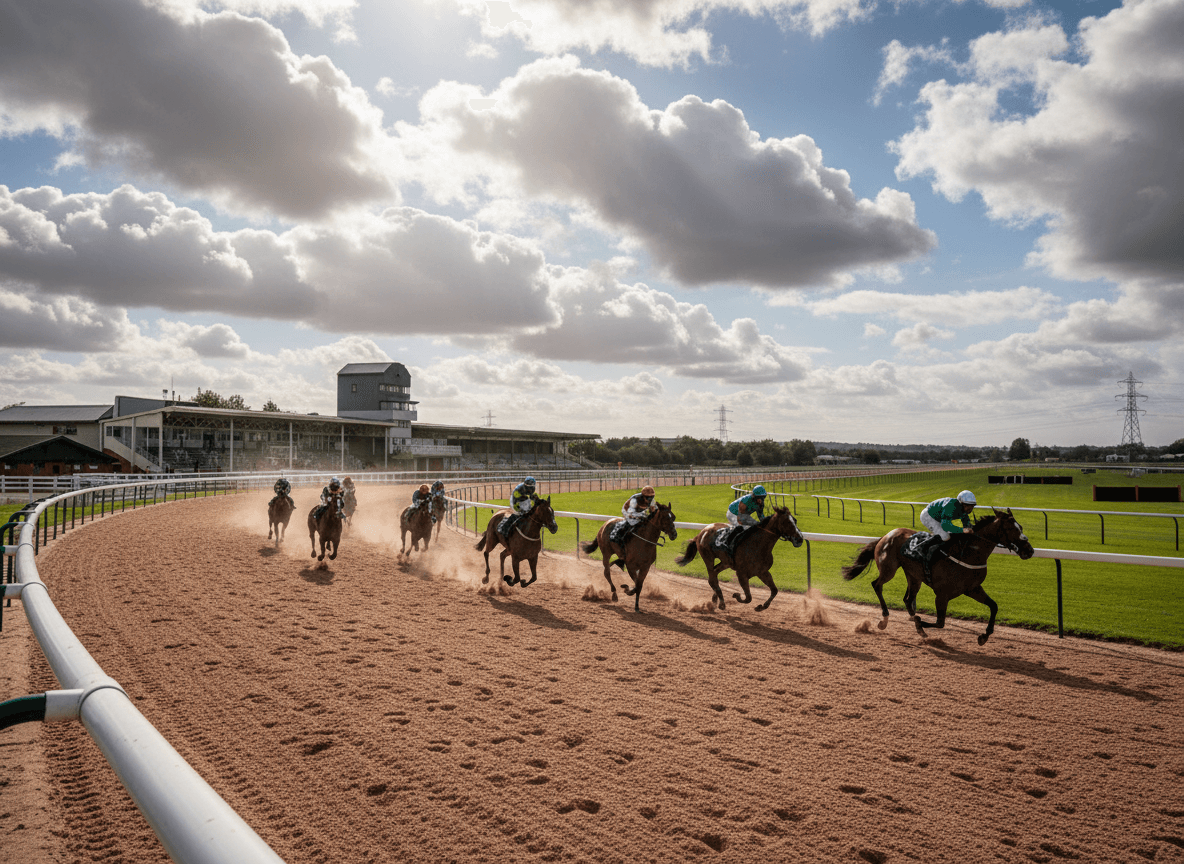
What York does better than almost anywhere else in the country is combine genuine prestige with a sense of occasion that never tips into stuffiness. The wide, galloping, left-handed track — an elegant oval that unspools across the flat Knavesmire plain with the city's medieval skyline hovering in the distance — has a grandeur that is entirely its own. The long, sweeping run-in gives horses room to find their stride and finish honestly, which is precisely why the results here tend to carry such weight in the formbook. When a horse wins at York, you know it has been tested properly.
The course hosts three major festivals across the season, but it is the Ebor Festival in August that defines York's place in the racing calendar — a meeting that brings together the Juddmonte International, the Yorkshire Oaks, the searing Nunthorpe Stakes, and the historic Ebor Handicap itself. Even in the quieter weeks that follow, the Knavesmire retains that sense of consequence. Racing here matters, and the horses seem to know it.
This Week's Fixtures at a Glance
We have two Sunday afternoon meetings to look forward to this week, both offering flat racing in what should be ideal late-summer conditions.
Sunday, 30 August 2026
The first fixture — York Sunday, 30 August 2026 — is a six-race afternoon card, with the going currently described as Good, with a Soil Moisture reading of 40 (SM 40). That SM 40 figure is worth paying attention to: it sits comfortably in the range that tends to produce York at its very best, fast enough for the sprinters to explode out of the stalls but with enough give to reward genuine galloping types over the longer trips. Six races gives punters a focused, manageable card — quality over quantity, which suits the Knavesmire's character well.
Sunday, 6 September 2026
A week later, York Sunday, 6 September 2026 steps things up with a seven-race card, again in the afternoon, with the going forecast as Good. By early September, the ground here tends to have settled into a reliable consistency — the heavy summer footfall of the Ebor Festival has had time to recover, and the course's renowned groundskeeping team will have the surface in excellent shape. An extra race on the card means more opportunities across the afternoon, and late-season flat racing at York has a particular quality to it: the fields are often strong, the horses well-seasoned, and the form rock-solid.
Reading the Track: What the Knavesmire Rewards
Understanding York's track characteristics is genuinely useful, whether you are betting from home or watching from the stands. The course is famously wide and fair, which means that the kind of scrimmaging and interference that can distort results at tighter tracks is far less common here. Horses tend to get a clean run, and that makes form assessment more straightforward than at many venues.
The draw is one of the most discussed variables at York, and rightly so. In sprint races — particularly over five and six furlongs — a high draw has historically been advantageous, especially on good ground when the pace tends to be even and the stands' rail provides a reference point. However, this bias can shift depending on where the going is best across the wide track, so it is always worth checking the pre-race reports for any ground variance from one side to the other. Over longer distances, the draw becomes less decisive, and the emphasis shifts firmly onto stamina and racing style.
York rewards galloping, staying types who can travel smoothly through a race and sustain their effort on the long run-in. Horses that need a tight track to produce their best — those who thrive on sharp bends and compressed finishes — often find York's openness slightly exposing. Conversely, a big, free-moving horse who has perhaps been a little unlucky on tighter circuits will frequently find the Knavesmire to their liking. Trainers who know this tend to target York specifically with their more scopey animals.
The Horses That Thrive Here
If you are building a profile of the ideal York horse, it looks something like this: athletic, with a long, efficient stride; comfortable on good to firm ground; suited to racing with cover before being produced late; and ideally carrying a form line that includes at least one run on a similarly galloping track. Newmarket, Haydock, and Epsom (over the longer trips) all produce horses who tend to translate their form well to the Knavesmire.
Pay particular attention to horses trained in the north. Yards like those of Kevin Ryan, Tim Easterby, and Richard Fahey have an intimate understanding of York's rhythms, and their runners here — particularly in handicaps — often arrive in peak condition having been pointed at the course with care. That local knowledge is a genuine edge, and it shows in the statistics year after year.
- Sprinters: Look for horses drawn high on good ground, with proven course-and-distance form
- Middle-distance runners: Stamina and a smooth racing style matter more than raw speed — the long run-in will find out those who idle
- Stayers: York's two-mile trips are a proper test; horses who have won at Goodwood or Ascot over similar distances are worth noting
- Handicappers: Northern-trained horses with fresh marks and a recent run under their belt are consistently dangerous
Practical Tips for Attending or Betting
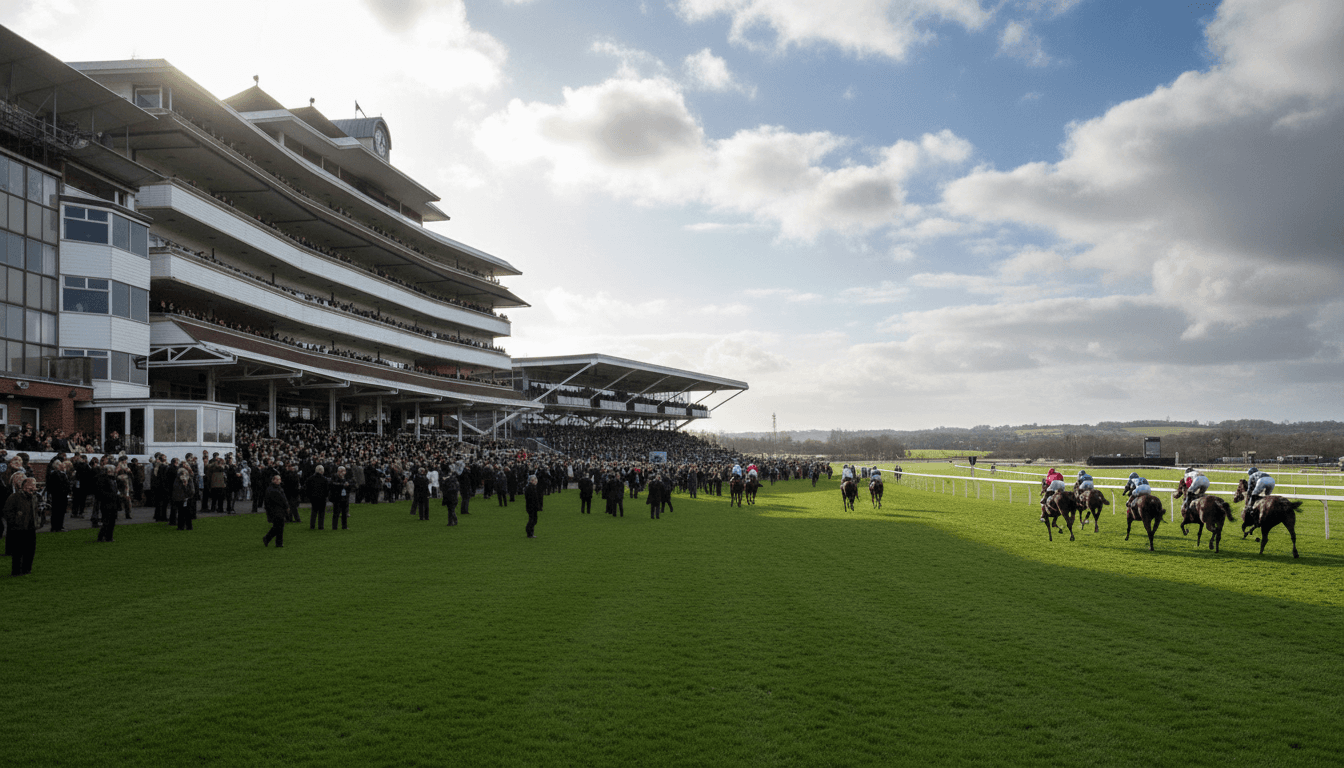
For those making the journey to the Knavesmire in person, a few things are worth knowing. York is exceptionally well set up for racegoers — the facilities are among the finest in the country, the viewing from the grandstand is excellent, and the paddock gives you a genuinely close look at the horses before each race. Take that opportunity seriously. A horse's coat, demeanour, and movement in the parade ring can tell you a great deal, and at a course where the form is as reliable as York's, a horse that looks physically outstanding on the day is often worth trusting.
For those betting remotely, keep an eye on the going reports as they are updated in the morning. The SM 40 reading for the 30 August fixture is a helpful baseline, but conditions can shift overnight, and York's ground team are diligent about providing accurate updates. A move toward Good to Firm would further favour the high draw in sprints; any softening would bring stamina into sharper focus across all distances.
Finally — and this applies to both fixtures — watch the market moves in the hour before each race. York attracts serious money from serious yards, and significant support for a runner here, particularly in a handicap, is rarely without foundation.
A Final Word on the Knavesmire
There is something about York that makes you want to write carefully about it, to do justice to what it represents. This is a course that has survived centuries, adapted without losing its soul, and continued to produce racing of the very highest quality. The two Sunday fixtures this week — a clean six-race card on the 30th and a fuller seven-race afternoon on the 6th — are a reminder that you do not need a festival to find something worth watching at the Knavesmire. Good ground, honest form, and a track that lets the best horse win: that is York's enduring promise, and it is one the course keeps with remarkable consistency.
Whether you are heading to North Yorkshire in person or following along from home, take a moment to appreciate what you are watching. Racing does not get much more beautiful than this. Check the full details on our York course page and make sure you have both racecards bookmarked — you will not want to miss a race.