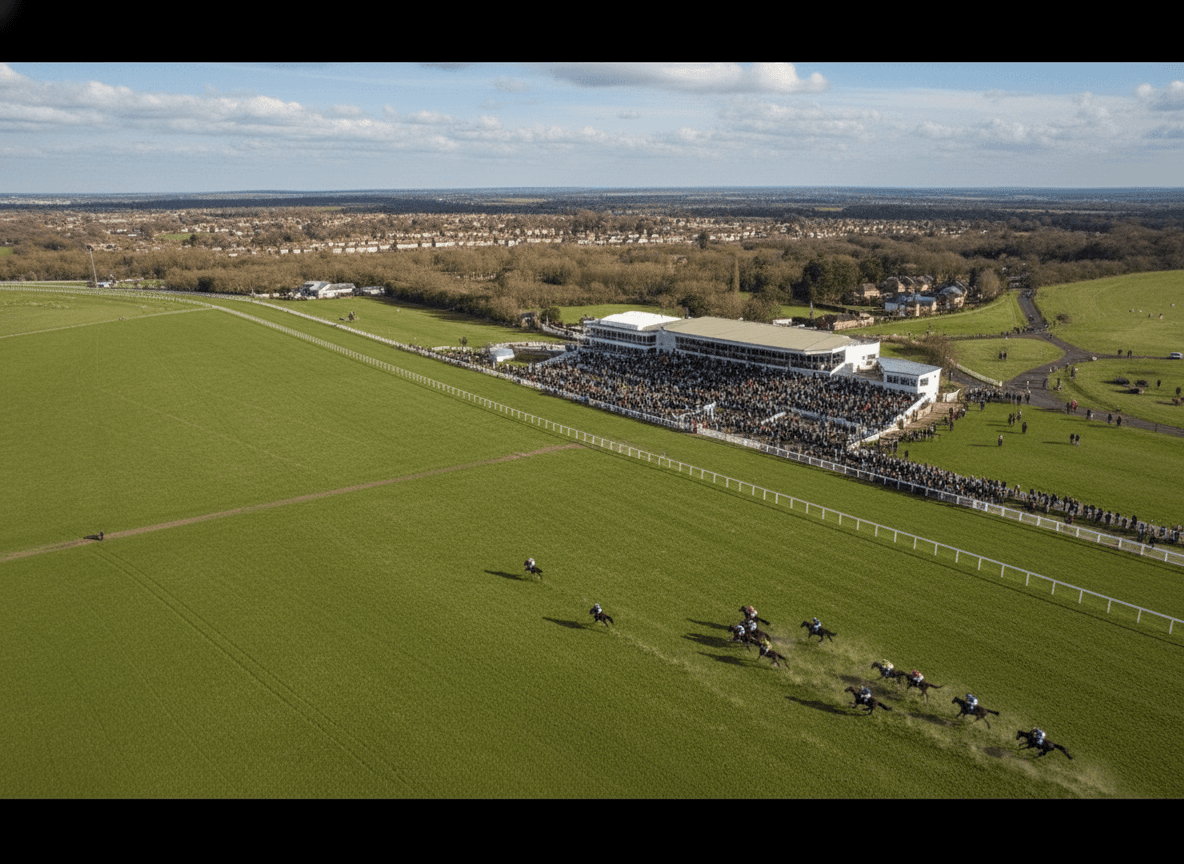
The Theatre of Dreams
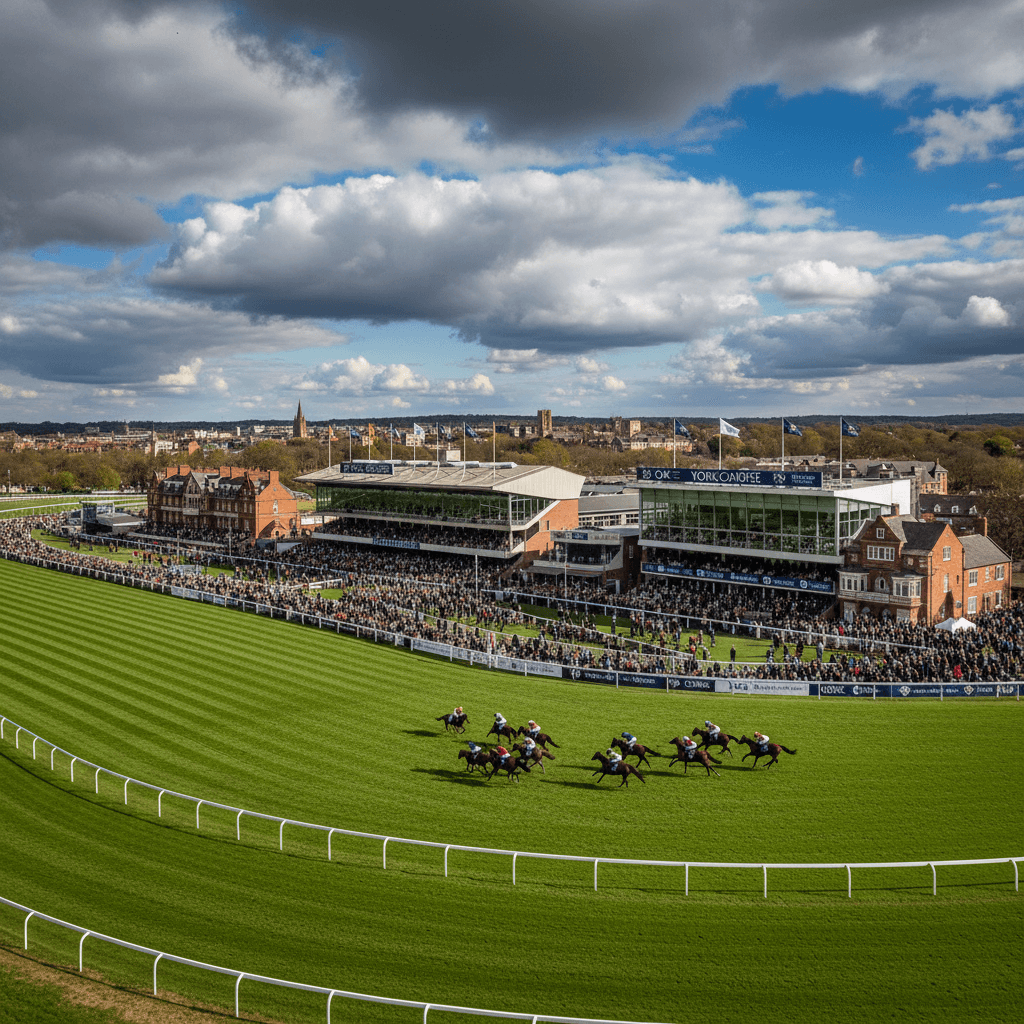
There exists no racecourse quite like Epsom Downs. Where other tracks might boast of their symmetry or their manicured perfection, Epsom revels in its glorious imperfection—a sweeping, undulating horseshoe that has been humbling horses and jockeys since the 17th century. The Surrey hills cradle this most theatrical of venues, where the ghosts of Shergar, Mill Reef, and Sea The Stars seem to whisper encouragement to each new generation of thoroughbreds attempting to conquer its peculiar geometry.
This week's fixtures—Friday afternoon's eight-race card followed by Saturday's equally substantial programme—arrive with the ground reading Good to Good to Firm in places, that 80/20 split suggesting just enough give to reward the nimble-footed while maintaining the pace that makes Epsom's downhill sections so exhilarating to watch.
The Anatomy of Epsom's Challenge
To understand Epsom is to appreciate that it remains fundamentally unchanged from the days when horses raced across the open Downs, spectators lining the rails in their thousands. The track's most famous feature—that swooping descent from the start of the Derby distance—creates a unique dynamic where early pace becomes almost academic. Horses naturally quicken as gravity takes hold, creating a false tempo that can flatter the mediocre and expose the unprepared.
Tattenham Corner, that sharp, cambered left-hand bend approximately three furlongs from home, represents racing's most famous examination of balance and courage. Here, the track's camber tilts away from the rail, creating a natural drift that can see the best-laid plans unravel in a matter of strides. Jockeys speak of feeling their mounts lean into the turn, of the peculiar sensation of the ground falling away beneath them as they negotiate this most crucial of corners.
The climb to the line—a steady, relentless gradient that sorts the wheat from the chaff—has broken the hearts of countless horses who found themselves in front too soon. It rewards those with genuine stamina, those bred for the classic distances that have made Epsom the spiritual home of the thoroughbred.
Reading the Patterns
Draw bias at Epsom operates on a more subtle level than at many courses. The wide, sweeping nature of the track means that over the shorter distances, low numbers hold a slight statistical edge—not through any inherent track bias, but simply through the geometry of the turns. Horses drawn high must cover additional ground, particularly evident in races over seven furlongs and the mile, where the bend comes early enough to matter.
However, this advantage diminishes significantly over the classic distances. The Derby trip of a mile and four furlongs allows ample time for positions to shuffle, for class to tell, for the track's unique demands to separate the genuine from the imposters. Here, draw becomes secondary to pace positioning and, crucially, to a horse's ability to handle the track's undulations.
The going conditions expected this week—predominantly Good with those faster patches—should see the track playing fairly, without the extremes that can sometimes favour one running style over another. This surface typically rewards horses who can quicken off a strong pace, those with the tactical speed to position themselves favourably approaching Tattenham Corner.
The Epsom Horse
Certain bloodlines seem to carry an affinity for Epsom's demands. The sons and daughters of Galileo have long shown an aptitude for the track's challenges, their inherent balance and stamina proving ideally suited to the climb to the line. Similarly, horses with Sadler's Wells in their pedigree often display the combination of class and courage that Epsom demands.
Physical conformation matters here more than at most venues. Horses with a naturally low, economical action tend to handle the downhill sections with greater composure, while those with strong hindquarters find the uphill finish less taxing. Watch for horses who race with their heads steady, who seem to flow over the ground rather than fight it—these are the types who return to Epsom with enhanced reputations.
Experience counts for much on this track. First-time visitors, no matter how talented, often need a race or two to acclimatise to Epsom's unique rhythms. Conversely, horses who have shown even modest form here previously deserve respect, their familiarity with the track's demands representing a tangible advantage.
The Punter's Guide
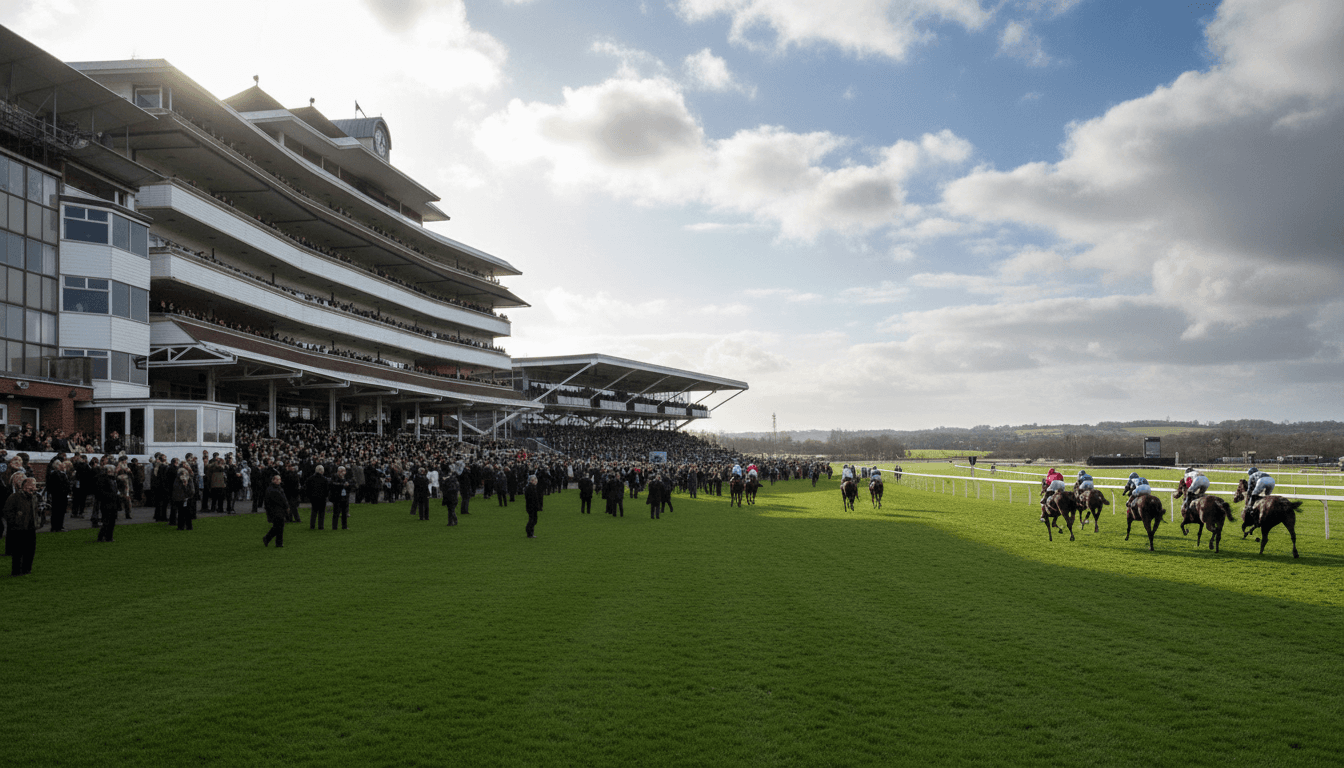
For those attending this week's meetings, position yourself near Tattenham Corner to witness racing's most dramatic turn in all its glory. The view from the grandstand provides an excellent vantage point for the finish, but there's something magical about watching horses lean into that famous bend, jockeys' silks bright against the Surrey sky.
From a betting perspective, pay particular attention to horses who have shown their best form at undulating tracks—Goodwood, Brighton, or indeed previous visits to Epsom itself. Flat track specialists, no matter how impressive their form figures, often struggle to adapt to the unique demands placed upon them here.
Consider, too, the jockey factor. Epsom rewards experience and nerve in equal measure. Riders who understand when to commit approaching Tattenham Corner, who can judge the pace of that famous descent, hold a significant advantage. The track has a way of exposing tactical naivety, of punishing those who mistake position for progress.
This week's cards promise the kind of competitive, honest racing that makes Epsom such a compelling venue outside of its Classic dates. Here, on the same turf that has witnessed the sport's greatest triumphs, every horse has the opportunity to write their own small piece of history. In a sport often concerned with the future, Epsom reminds us why the past still matters, why some things—like the thunder of hooves on ancient turf—remain beautifully, reassuringly unchanged.