A Kentish Renaissance
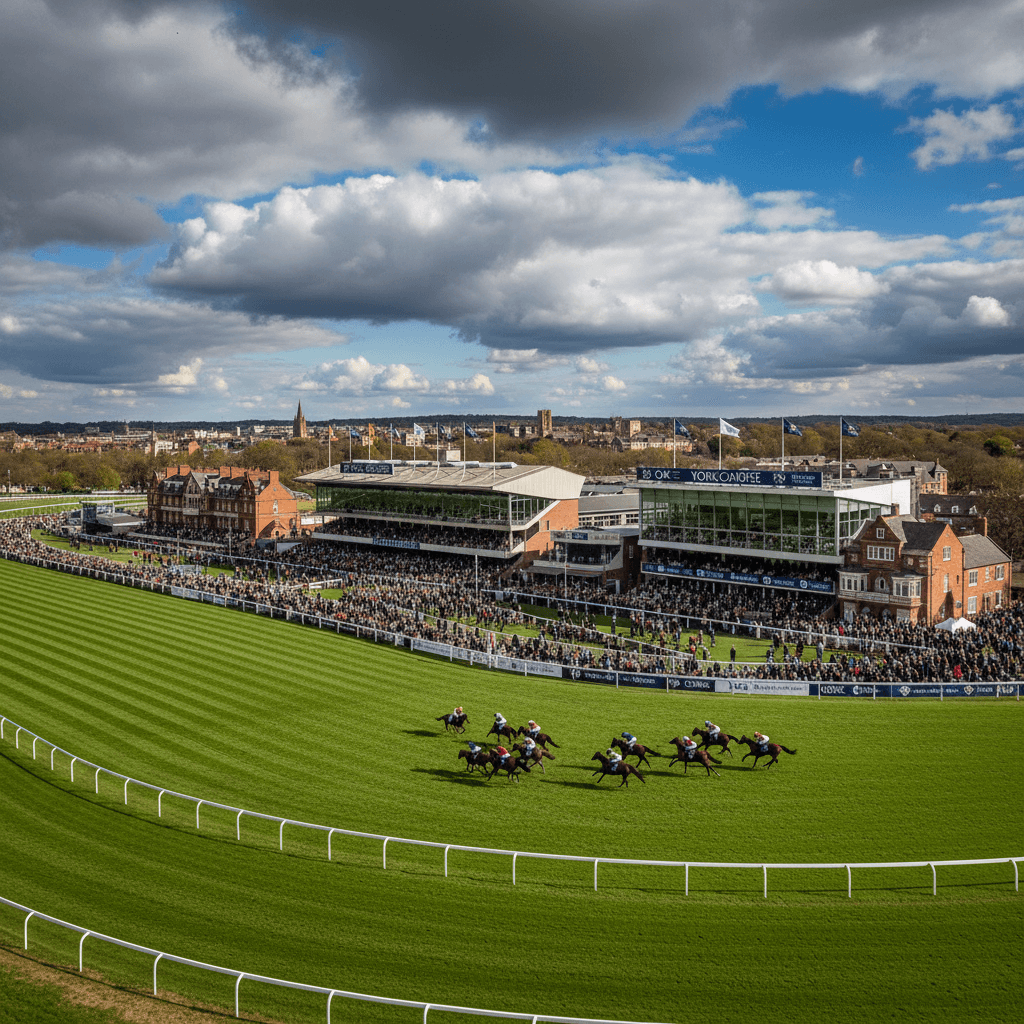
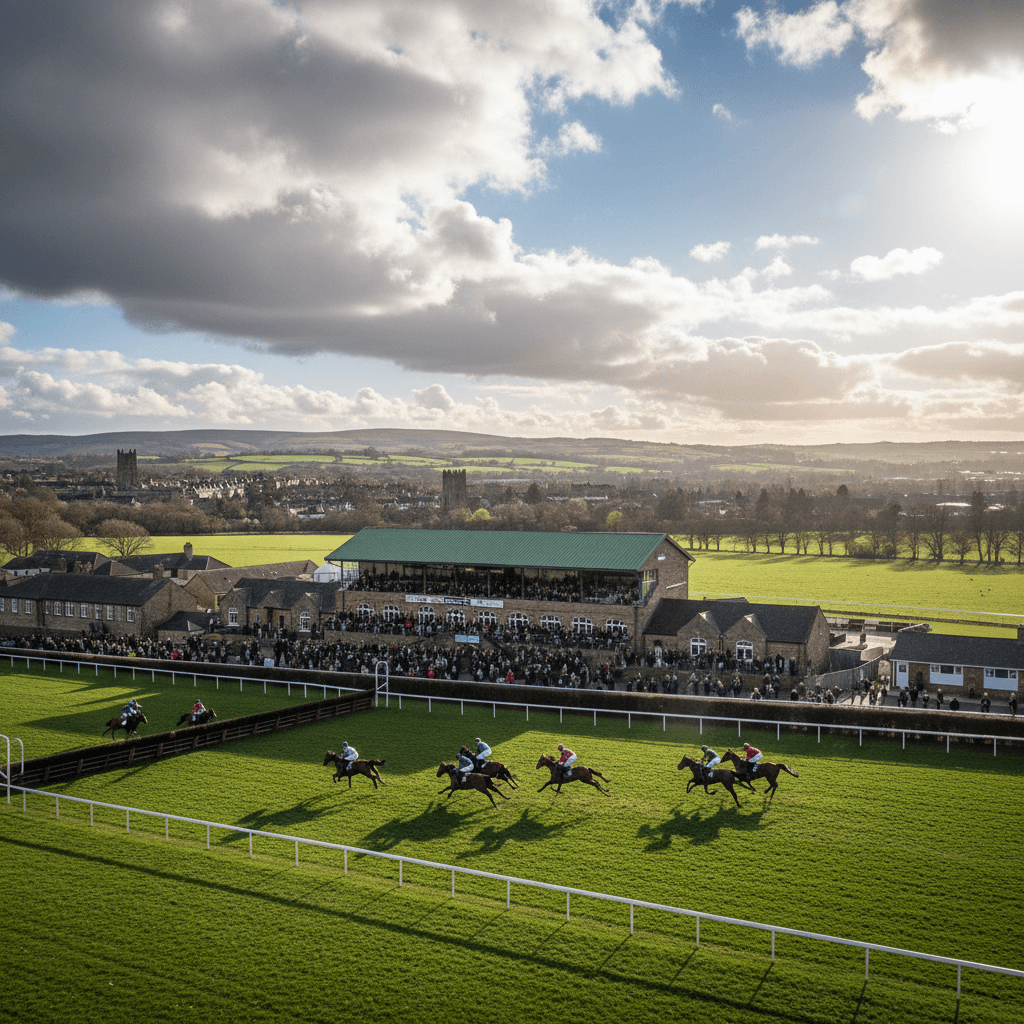
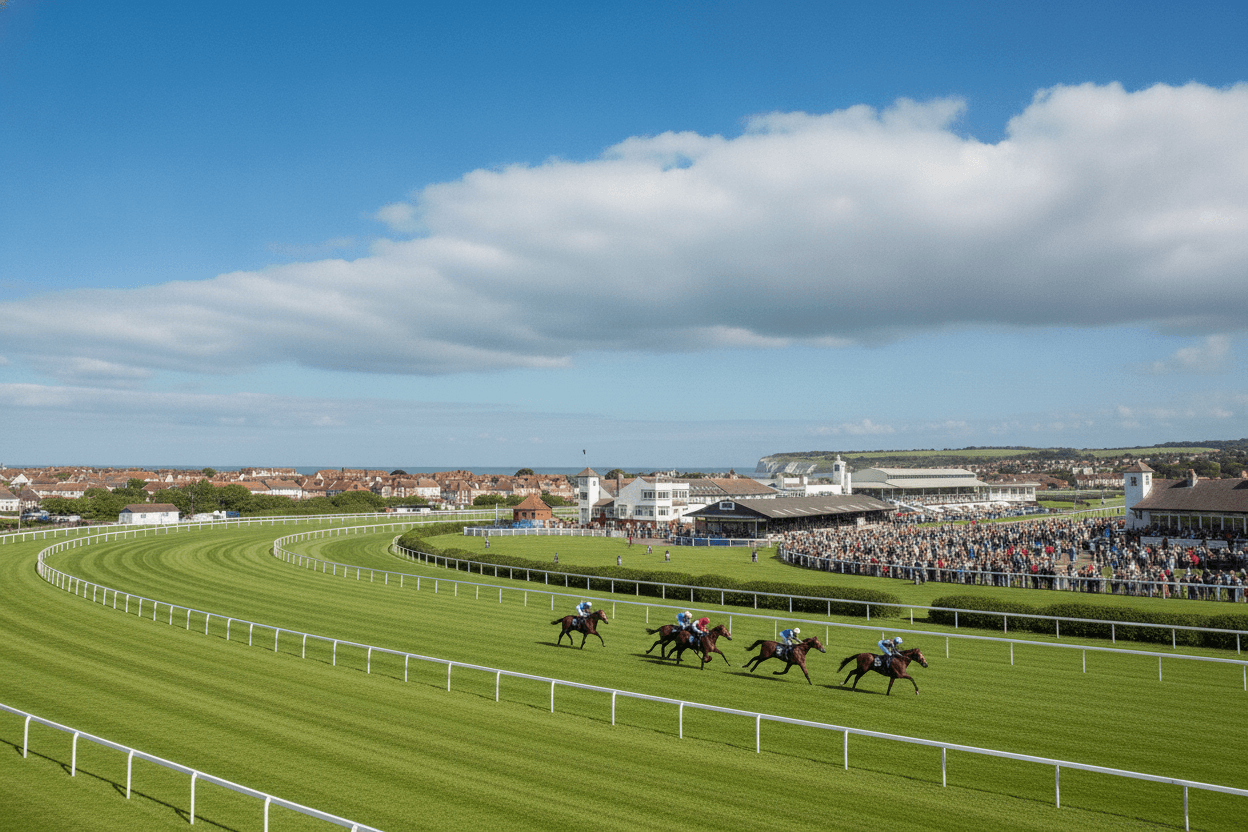
There are few sights in racing more stirring than the revival of a beloved venue, and Folkestone's return to the calendar this week carries particular resonance. Nestled in the rolling Kent countryside with the English Channel shimmering in the distance, this undulating right-handed oval has always possessed a character quite distinct from its metropolitan cousins. The track's natural amphitheatre, carved into the chalky downs, creates an intimate atmosphere where every stride echoes with the weight of expectation.
What made Folkestone special during its heyday was never its grandeur—it staged no Group 1 contests—but rather its honest, unforgiving nature. The course demanded respect, rewarding those who understood its nuances while punishing the unprepared. As we prepare for its return, those same characteristics remain etched into every furlong of its one mile and four furlong circumference.
This Week's Revival
The resurrection begins with Sunday's seven-race afternoon card, where the going is already declared Good to Soft with a soil moisture reading of 55%. This suggests conditions that will play to the track's natural bias towards stamina and tactical acumen. The afternoon timing allows for the kind of unhurried appreciation that Folkestone deserves—this is racing to savour rather than rush through.
Friday's six-race evening fixture promises a different dynamic entirely. Evening racing here takes on an almost mystical quality as shadows lengthen across the downs, though the going remains to be confirmed. The reduced card size suggests quality over quantity, with each contest likely to carry added significance for connections seeking to mark their territory on this historic turf.
The Good to Soft conditions for Sunday merit particular attention. Folkestone's natural drainage, courtesy of its chalky subsoil, means the track rarely becomes truly testing, but the current moisture levels suggest horses will need to work for their victories. This plays directly into the hands of the genuine stayer and the tactically astute rider.
Reading the Folkestone Riddle
Understanding Folkestone requires an appreciation of its topography as much as its racing surface. The track rises steadily from the home turn before presenting runners with a stiff climb to the line—a gradient that has broken many a promising challenge over the decades. This is not a venue for the one-paced galloper or the horse that needs everything to fall perfectly into place.
The draw statistics here tell their own story, though not always the obvious one. While low numbers enjoy a marginal advantage in the straight contests, the undulating nature of the track means that tactical positioning often trumps starting berth. The key lies in the home turn, approximately three furlongs from the finish, where the gradient begins to bite and the wheat separates from the chaff.
Pace analysis reveals Folkestone's true character. Front-runners rarely dominate here unless possessed of genuine stamina reserves. The testing finish acts as a natural equaliser, allowing hold-up horses to close strongly if they possess the requisite engine. The sweet spot lies with those who can secure a prominent position without over-exerting themselves in the early stages—a delicate balance that rewards the thinking jockey.
The Folkestone Type
Decades of results have painted a clear picture of the Folkestone winner. Above all, they possess stamina in abundance—not necessarily the plodding, one-paced variety, but rather the deep-seated reserves that allow them to quicken when others begin to tire. The track's undulations demand a horse that can lengthen and shorten its stride naturally, adapting to the changing gradients without losing momentum.
Breeding patterns offer valuable clues. Stamina influences from the staying lines of Galileo, Camelot, and the older generations of Sadler's Wells prove particularly effective. On the speed side, horses with Dubawi or Dark Angel in their pedigree often possess the tactical speed to position themselves advantageously before unleashing their finishing kick up the demanding climb to the line.
Experience counts for much here. Horses making their debut at Folkestone often struggle to cope with the unique demands, regardless of their ability levels. Those returning to the track with previous course experience carry a significant advantage, having learned to judge the pace and conserve energy for the final test.
Age profiles also tell a story. Three-year-olds often need time to develop the physical strength required to handle the gradients effectively, while older horses with proven stamina credentials frequently outperform their odds. The sweet spot lies with four and five-year-olds who combine experience with retained enthusiasm.
Practical Wisdom
For those planning to attend either fixture, arrive early to appreciate the course's natural beauty and observe the pre-race preparations. The parade ring sits in a natural bowl that allows excellent viewing, while the stands provide commanding views across the entire circuit. The atmosphere builds gradually here rather than exploding suddenly—patience is rewarded with deeper appreciation.
From a punting perspective, pay close attention to market movements, particularly for horses with previous course experience. The shrewd locals understand this track's demands intimately, and their money often speaks volumes. Jockey bookings carry extra weight here—those riders who have mastered Folkestone's tactical demands hold a significant edge over their peers.
Weather conditions deserve constant monitoring. While the chalk subsoil provides excellent drainage, the exposed nature of the downs means wind direction and strength can significantly impact running styles and finishing positions. A strong headwind up the home straight transforms the finish into an even sterner test of stamina.
A Welcome Return
As Folkestone prepares to welcome racing back to its historic turf, there's a sense of anticipation that extends beyond mere fixture scheduling. This is a track that demands respect, rewards preparation, and punishes the casual approach. The undulating oval that once tested the resolve of countless horses and riders stands ready to resume its role as one of the south-east's most characterful venues.
Whether you're planning to attend in person or follow the action from afar, remember that Folkestone racing requires patience and understanding. This is not a venue for quick judgements or surface impressions. Instead, it offers the kind of tactical complexity and stamina examination that represents flat racing at its most honest and demanding. Welcome back, Folkestone—racing has missed your particular brand of truth-telling.