The Theatre on the Downs
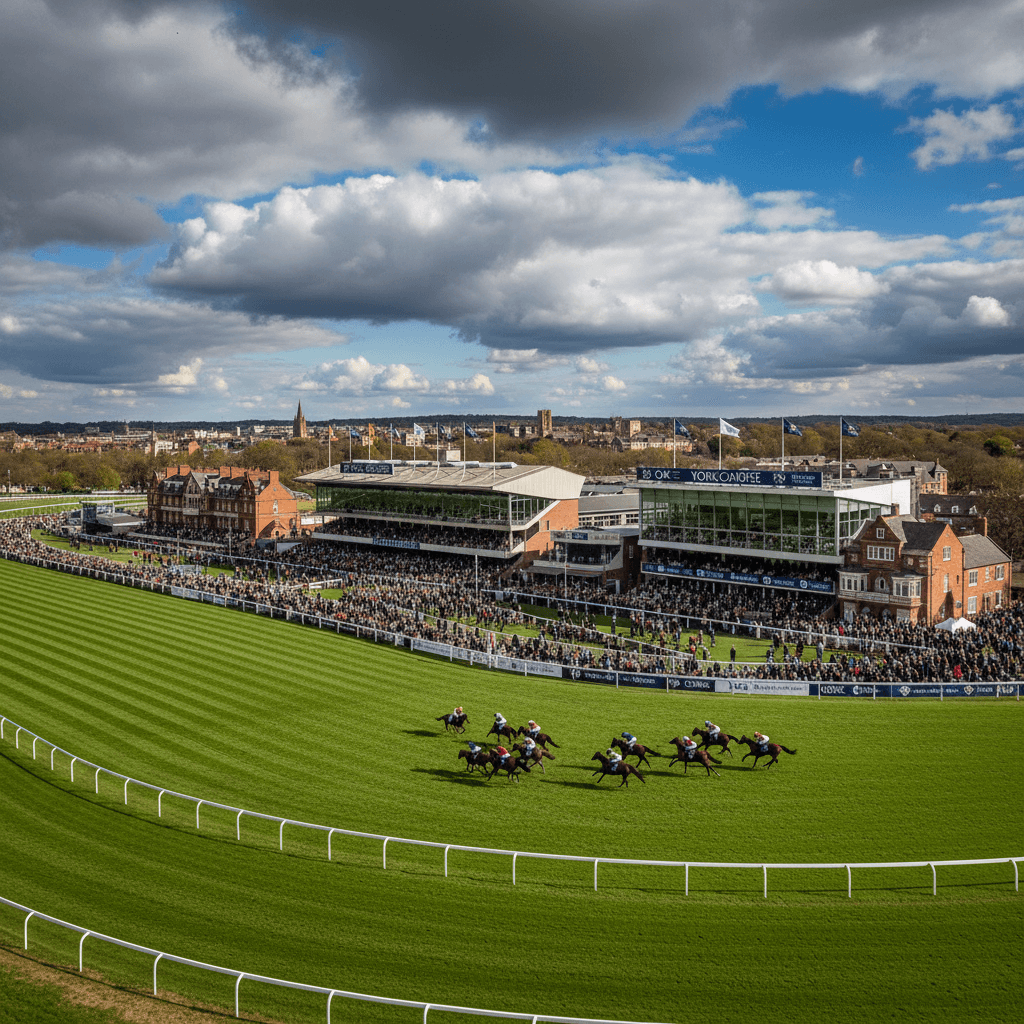
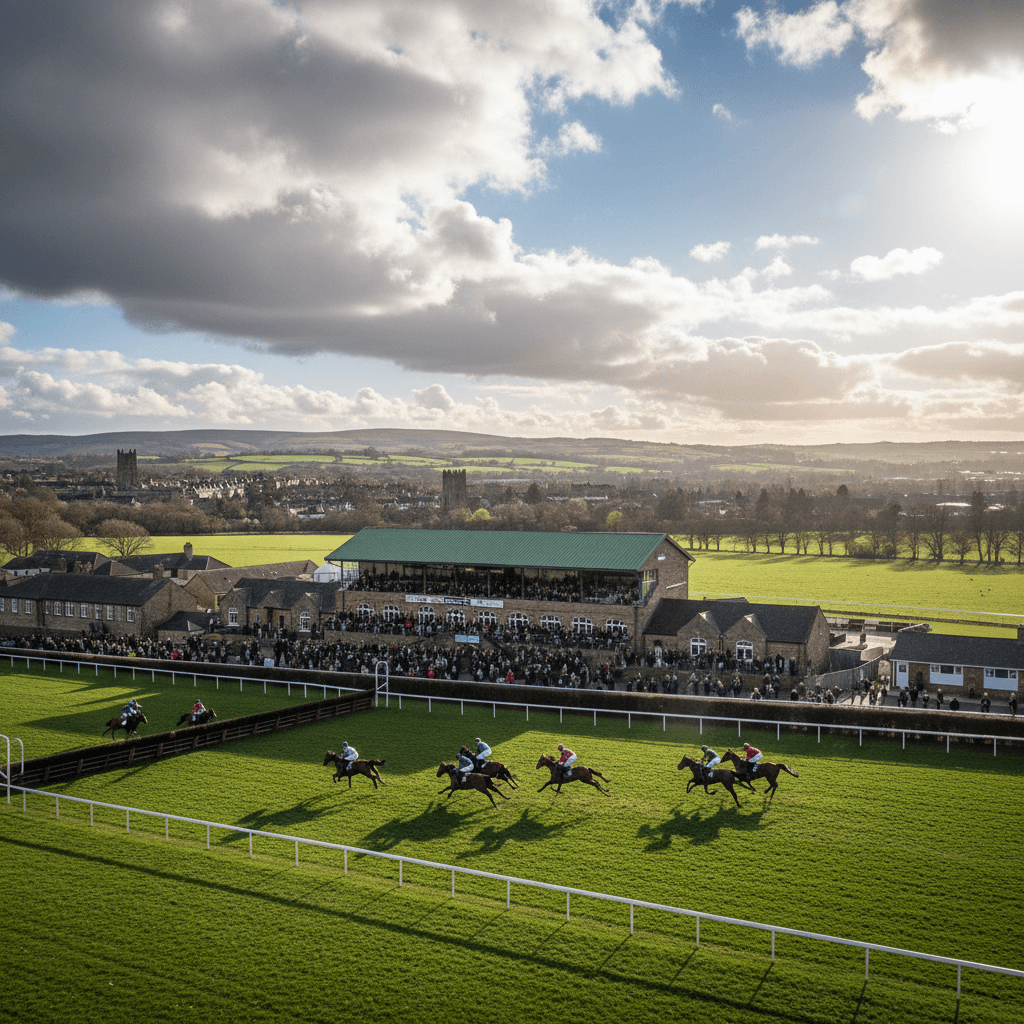
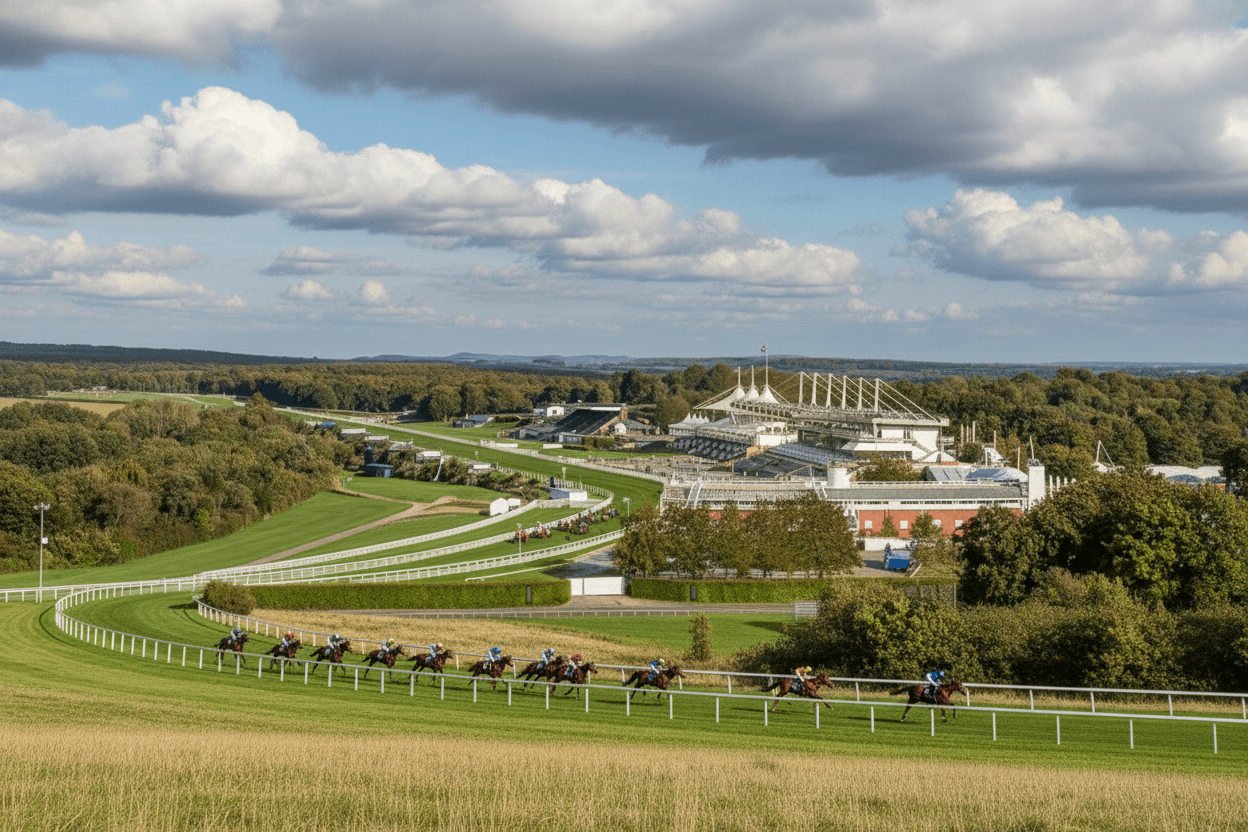
There is something almost ethereal about racing at Goodwood that transcends the mere mechanics of sport. Perched 500 feet above sea level on the Sussex Downs, this most aristocratic of venues has been casting its spell over the racing world since the 3rd Duke of Richmond first conceived it in 1802. While May lacks the fevered intensity of the Qatar Goodwood Festival, it offers something perhaps more precious: the chance to appreciate this remarkable track in its purest form, where the contours and characteristics that make it so distinctive can be observed without the distractions of high society and champagne.
The undulating right-handed circuit presents challenges found nowhere else on the British racing calendar. The famous downhill five-furlong course, plunging dramatically from the start before sweeping round the sharp right-handed bend, creates a unique tactical puzzle. Meanwhile, the longer distances navigate the full circuit's rolling terrain, where horses must demonstrate not just speed but exceptional balance and stamina to handle the relentless changes in gradient.
This Week's Programme
Thursday and Friday's seven-race cards, both scheduled for afternoon racing on Good going, provide an ideal introduction to Goodwood's spring season. The Thursday fixture typically features a blend of handicaps and conditions races that allow emerging three-year-olds to announce their summer intentions, while Friday's programme often includes more competitive handicaps where the track's idiosyncrasies can prove decisive.
Saturday's card remains subject to going conditions, though the current forecast suggests the Good ground will persist. This consistency is particularly valuable at Goodwood, where the downhill nature of several races can become treacherous on softer surfaces, fundamentally altering the tactical dynamics.
The afternoon scheduling allows the spring sunshine to illuminate the course's natural amphitheatre, though punters should note that Goodwood's elevated position can make it susceptible to sudden weather changes that may not affect the surrounding countryside.
Reading the Riddles
Understanding Goodwood begins with appreciating its fundamental contradiction: a track that appears to favour speed yet regularly rewards stamina. The five-furlong course, despite its downhill start, demands horses who can quicken sharply after negotiating the bend, while the longer distances require sustained galloping ability to handle the undulations.
Draw bias varies significantly by distance and conditions. Over five furlongs, low numbers traditionally hold a slight edge, allowing horses to take the shortest route round the bend, though this advantage diminishes on softer ground when the inside becomes churned. The six-furlong course, beginning on the round track, tends to be more even, while the mile and beyond generally favour those with the tactical speed to secure a prominent position early.
Pace analysis proves crucial. The downhill starts create natural acceleration, but horses must then handle the climb back up the home straight. Those who race too keenly early often pay the price in the final furlong, where the gradient change can stop a tired horse dramatically. The most successful Goodwood performers typically show a professional attitude to their racing, settling kindly before producing their effort when the track begins to rise.
The Sectional Story
Recent sectional timing data reveals fascinating insights into Goodwood's demands. The middle sections of races are consistently run faster than standard due to the downhill elements, but the final two furlongs often produce sectionals significantly slower than the early pace would suggest. This pattern explains why horses with proven finishing kicks tend to outperform those dependent on sustained speed.
The Goodwood Horse
Certain physical and mental attributes consistently correlate with Goodwood success. Balance tops the list – horses must handle the constant gradient changes without losing their action or rhythm. Those with naturally high knee action often struggle, while horses who stay low to the ground and maintain their stride pattern tend to excel.
Temperament matters enormously. The track's unique characteristics can unsettle nervous types, while the downhill sections can over-excite keen-going horses. The most successful Goodwood performers typically display professional attitudes, taking their racing in their stride regardless of the unusual demands.
Previous course experience carries significant weight in the betting calculations, and rightly so. Horses returning to Goodwood with positive form often reproduce those efforts, while first-time visitors can take time to adapt. However, this shouldn't discourage backing newcomers with the right physical attributes, particularly if they've shown form at other undulating tracks like Brighton or Epsom.
Breeding patterns also emerge over time. Certain sire lines consistently produce Goodwood performers, particularly those known for stamina and soundness rather than pure speed. Horses by stallions who were themselves successful over undulating tracks often show natural aptitude for the course's demands.
Practical Wisdom
For those attending, arrive early to appreciate the spectacular views across the South Downs and out to the Isle of Wight. The pre-racing atmosphere at Goodwood possesses a relaxed elegance that's increasingly rare in modern sport. The walking ring provides excellent viewing opportunities to assess horses' attitudes and physical condition.
From a betting perspective, focus on recent form over similar tracks rather than pure class. A horse who has won at Brighton or shown promise at Epsom may prove more valuable than a Group performer stepping down in grade but encountering these conditions for the first time. Pay particular attention to how horses have handled undulating tracks and whether they've shown the ability to quicken from off the pace.
Weather watching becomes crucial given the exposed nature of the course. Even slight changes in wind direction can affect how races develop, while any softening of the ground will significantly alter the tactical picture, particularly over the minimum distance.
The Enduring Appeal
Racing at Goodwood in May offers something increasingly precious in our hurried world: the chance to experience sport in its most natural setting, where the landscape shapes the competition as much as human skill and equine ability. The absence of festival crowds allows the course's essential character to shine through, revealing why this corner of Sussex has captivated racing enthusiasts for more than two centuries.
Whether you're drawn by the tactical puzzles, the scenic beauty, or simply the prospect of witnessing horses and jockeys adapt to one of racing's most distinctive challenges, this week's fixtures provide the perfect introduction to Goodwood's unique charms. In an era of standardised tracks and predictable patterns, the Sussex Downs remind us why racing's relationship with the natural world remains so compelling.