Where History Meets Horsepower
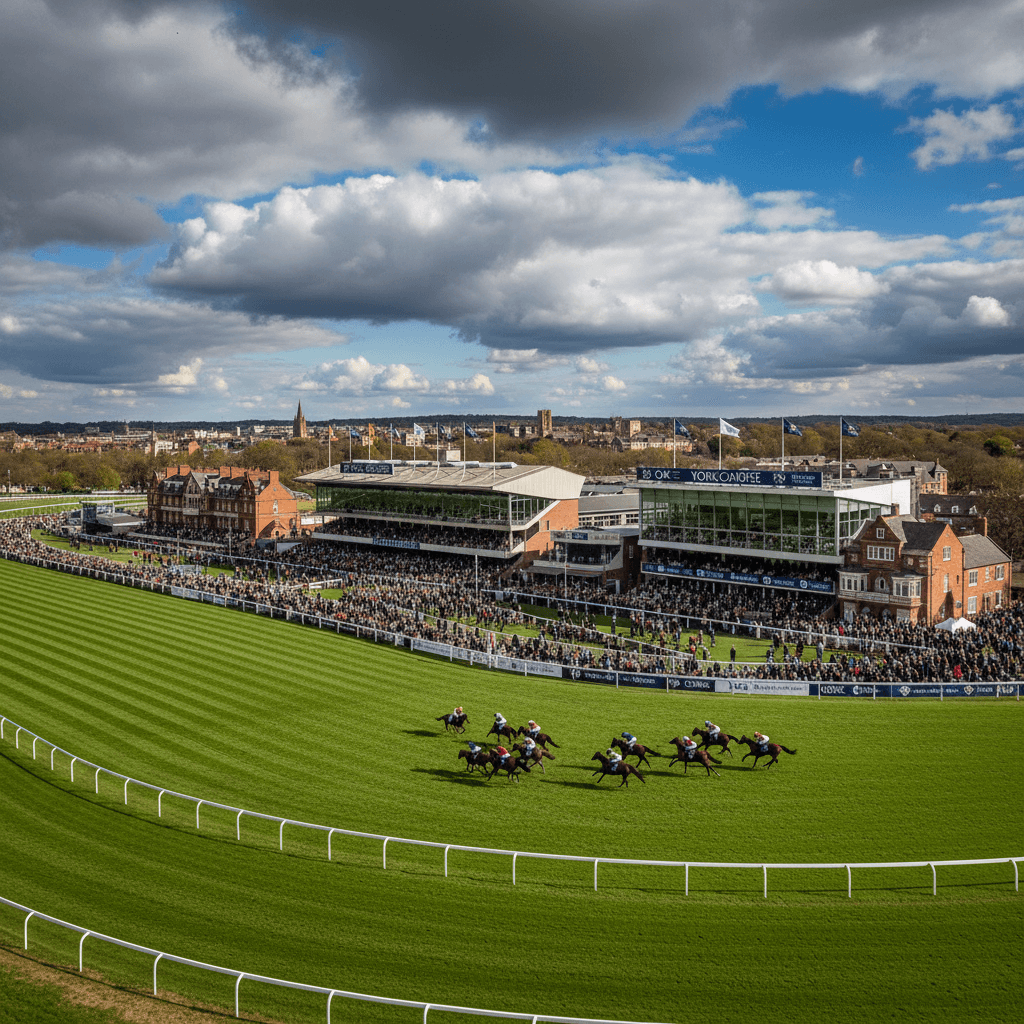
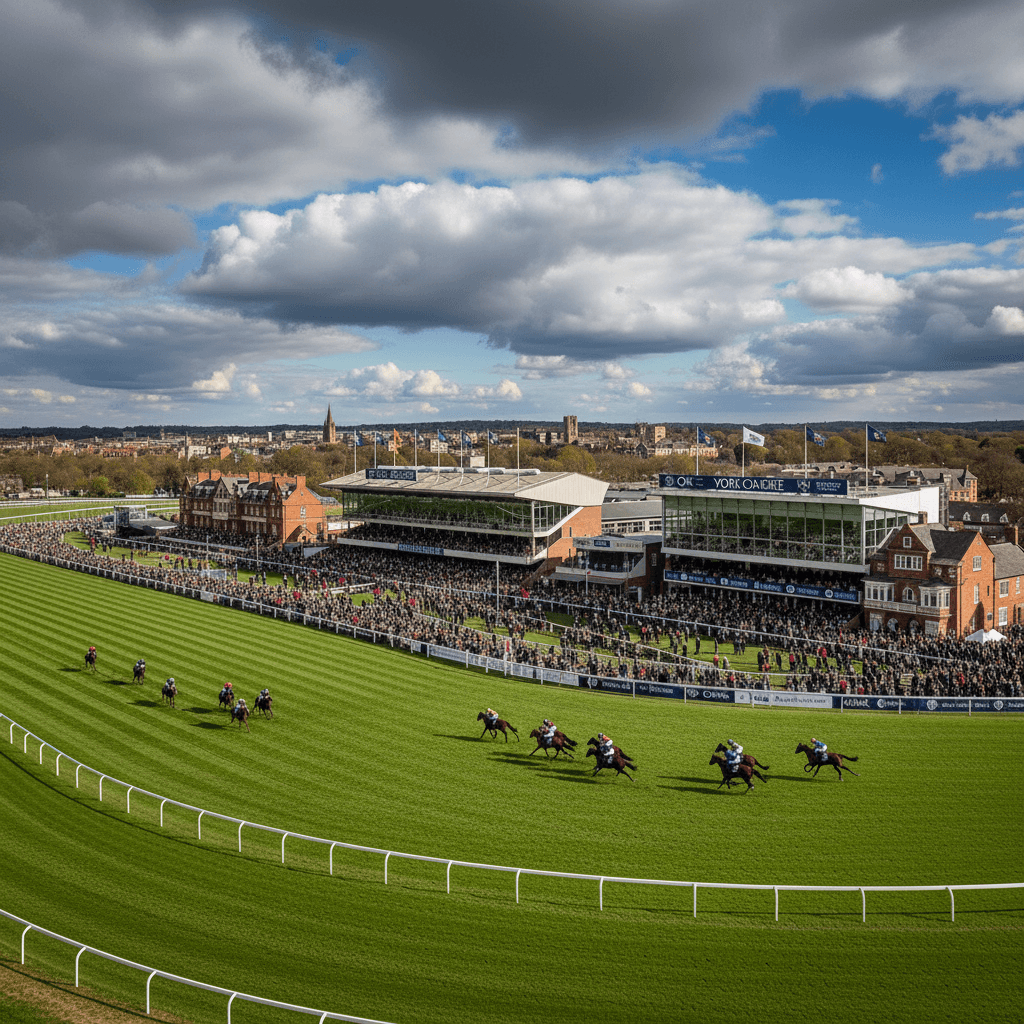
There are few sights in racing that stir the soul quite like the view from York's grandstand as the field sweeps into the home straight, the ancient city's Minster towers standing sentinel over the Knavesmire's verdant expanse. This week, York offers racing enthusiasts a tale of two meetings: a midweek evening card on testing ground followed by a Saturday afternoon showcase on a surface that promises to reward true merit.
The Knavesmire has been hosting racing since the 1730s, though horses have galloped across these acres for far longer. What endures is the course's fundamental fairness—a wide, galloping left-handed oval that gives every horse a chance to express their ability. Unlike the sharp turns and undulations that characterise many British tracks, York's sweeping bends and generous proportions create a stage where class invariably rises to the surface.
This Week's Racing Landscape
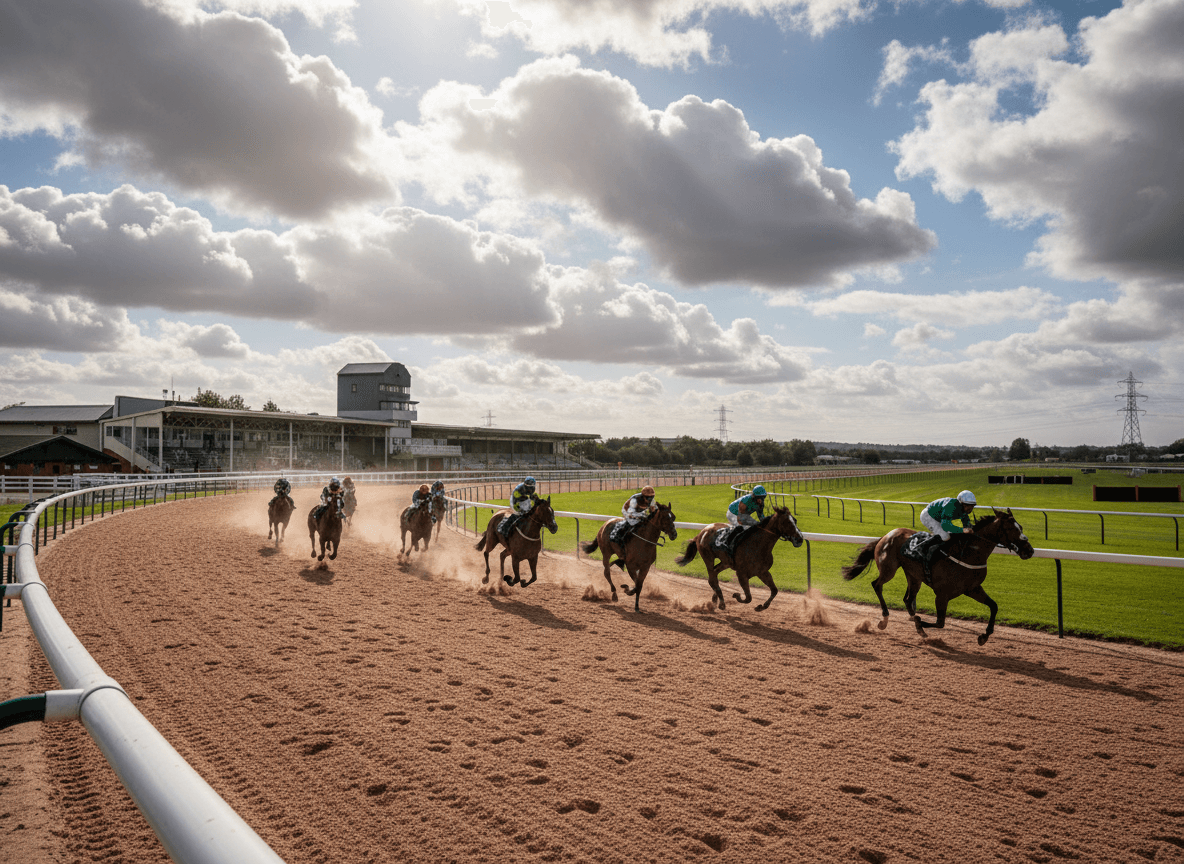
Wednesday evening's six-race card presents a fascinating study in how ground conditions shape racing narratives. With going described as soft, good to soft in places, and soil moisture reading 52%, we're looking at a surface that will separate the genuine from the merely talented. The evening atmosphere at York possesses its own magic—the setting sun casting long shadows across the track as horses thunder past the winning post under the floodlights.
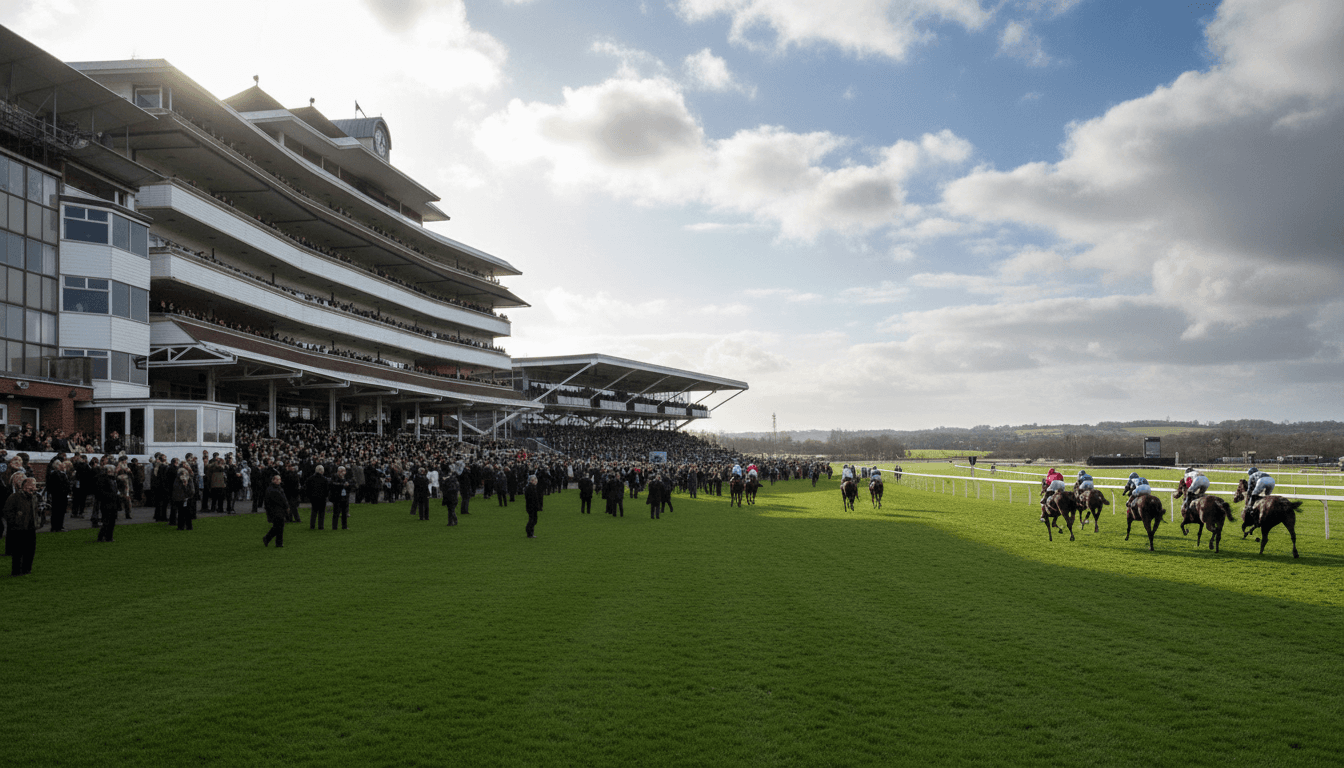
Saturday's seven-race afternoon programme offers a stark contrast. The good going, aided by recent verti-draining across the entire course, should provide the kind of surface that allows York's natural characteristics to shine through. This is racing as the Knavesmire intended—fast, fair, and uncompromising in its examination of equine ability.
Reading the Knavesmire's Subtle Signals
York's reputation for fairness doesn't mean it lacks personality. The course's subtle nuances reward those who study them closely. The run from the five-furlong start is almost entirely straight, favouring horses that can quicken decisively rather than those requiring time to build momentum. The mile start, positioned on the back straight, creates a different dynamic entirely—here, tactical speed and the ability to secure a good position entering the home turn become paramount.
The draw at York operates on a sliding scale of significance. Over five and six furlongs, low numbers hold a statistical edge, though this advantage diminishes as distances increase. By the time we reach ten furlongs and beyond, the draw becomes largely irrelevant—a testament to the course's generous proportions and fair configuration.
Pace scenarios at York unfold with particular clarity. The long home straight—over two and a half furlongs from the final turn to the winning post—means that front-runners need genuine stamina to maintain their advantage, while hold-up horses require the tactical speed to secure racing room when the sprint for home begins in earnest.
Ground Conditions and Their Implications
Wednesday's testing conditions will favour horses with proven form on soft ground. Look for animals that have shown their best form during the winter months or early spring, when similar conditions prevail. The additional cut in the ground places a premium on stamina, potentially bringing longer-priced horses into contention if they possess the requisite staying power.
Saturday's good going, by contrast, should see the formbook assert itself more definitively. This is when York's galloping nature truly comes to the fore, rewarding horses with genuine class and the physical scope to utilise the track's sweeping contours.
The York Horse: Identifying the Knavesmire Type
Certain characteristics mark out the successful York performer. Size matters here—the track's wide, galloping nature suits horses with a long, raking stride rather than the compact, nippy types that excel at tighter venues. Watch for animals that have shown their best form at similarly galloping tracks: Newmarket's Rowley Mile, Ascot's straight course, or the undulating contours of Goodwood.
Pedigree provides valuable clues. Horses by sires known for producing middle-distance performers often excel at York, even when racing over shorter trips. The track's demanding nature means that stamina reserves frequently prove decisive, particularly in competitive handicaps where the pace tends to be strong throughout.
Previous course form carries significant weight. York specialists exist, and their records here often surpass their achievements elsewhere. This isn't mere coincidence—certain horses simply take to the Knavesmire's unique rhythm and respond to its particular demands.
Practical Wisdom for the Week Ahead
For those attending Wednesday evening's meeting, arrive early to appreciate the course's pre-race atmosphere. The contrast between the bustling city beyond the gates and the pastoral tranquillity of the racecourse proper never fails to impress. Evening racing at York possesses an intimacy that daylight meetings sometimes lack.
Saturday's card demands a different approach. This is York at its most competitive, where form study and careful analysis of pace scenarios will prove crucial. Pay particular attention to how horses have performed at similar galloping venues, and don't overlook the claims of lightly-raced types making their York debut—the track often brings out improvement in horses stepping up in class.
From a betting perspective, Wednesday's testing ground creates opportunities for astute punters willing to dig beneath surface form. Horses that have disappointed on firm ground but shown promise in softer conditions merit serious consideration. Saturday's cleaner conditions should see favourites perform closer to their true ability, making each-way value potentially more attractive than win-only propositions.
The Eternal Appeal of the Knavesmire
What ultimately sets York apart isn't merely its fair racing surface or historic grandeur—it's the way the course seems to distil racing to its purest essence. Here, on the Knavesmire's generous acres, horses run true to their ability more often than not. Class tells, stamina counts, and tactical acumen receives its just reward.
This week's contrasting conditions offer a perfect illustration of York's versatility. Whether under Wednesday's testing circumstances or Saturday's more conventional good going, the Knavesmire will provide racing that rewards both the casual observer and the serious student of the sport. In a racing landscape increasingly dominated by sharp, speed-favouring tracks, York remains a bastion of traditional values—a place where the best horse on the day usually finds a way to win, regardless of their position in the betting market.