A Phoenix Rises in Kent
There are few more heartwarming stories in British racing than the resurrection of Folkestone Racecourse, a venue that has reclaimed its rightful place in the hearts of racing enthusiasts across the south-east. After its closure in 2012 left a palpable void in the Kent racing landscape, the track's return represents more than just the restoration of fixtures – it's the revival of a community cornerstone that has witnessed generations of racing dreams unfold across its undulating terrain.
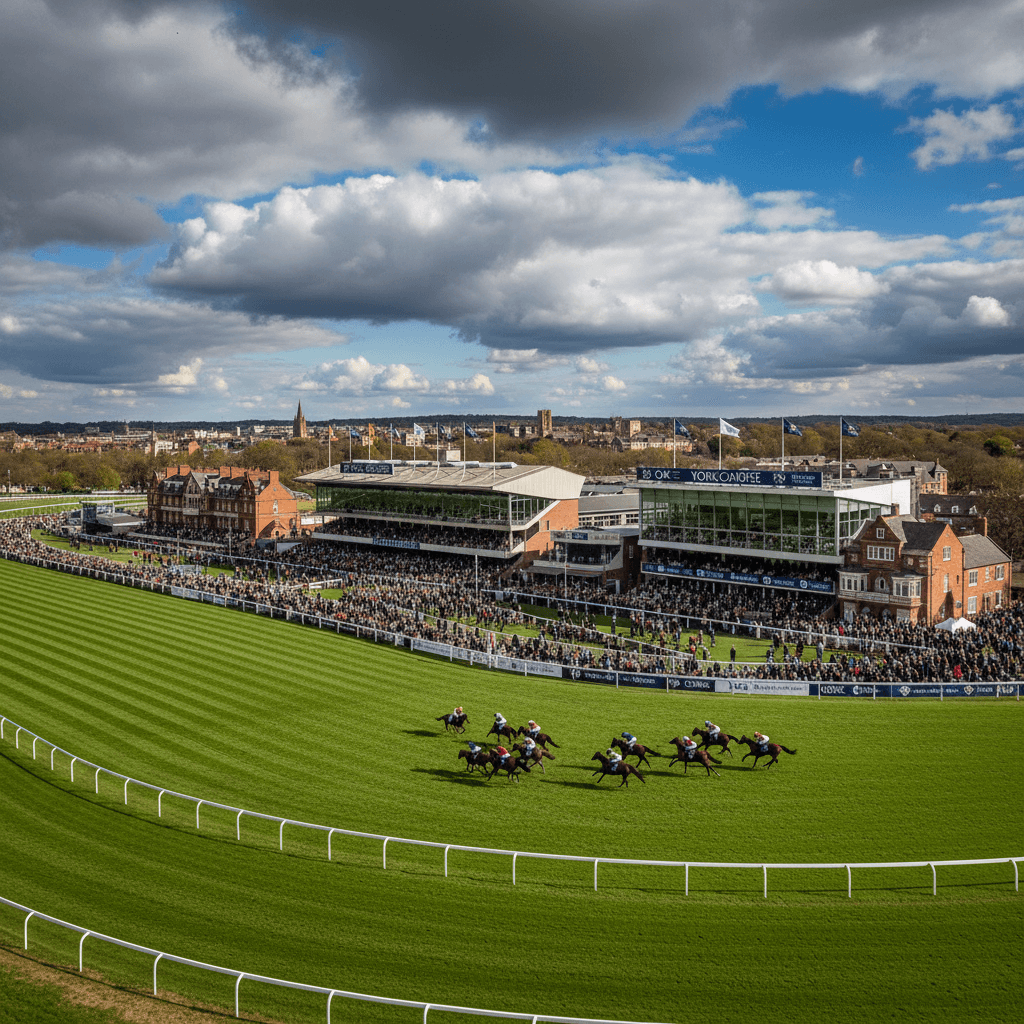
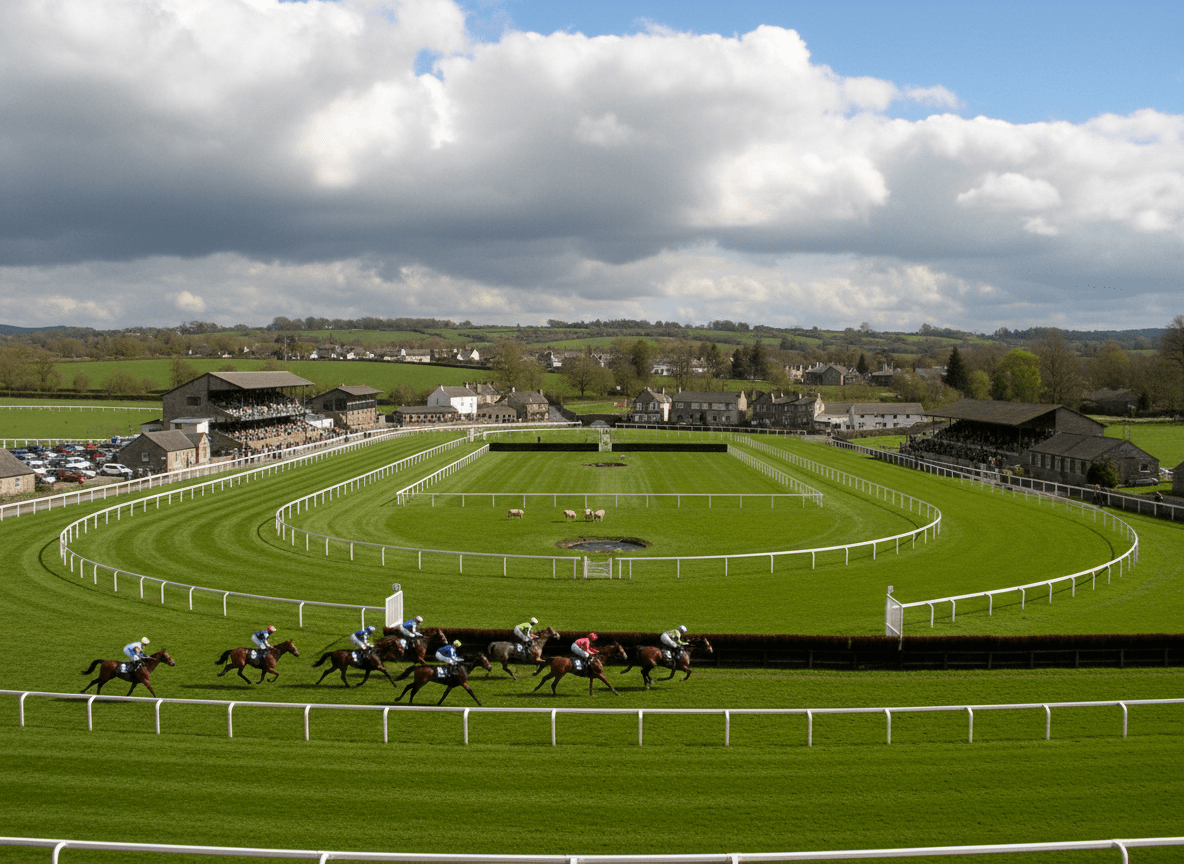
Nestled between the rolling Kent countryside and the English Channel, Folkestone has always possessed a character entirely its own. The right-handed oval, stretching approximately one mile and four furlongs, carved its reputation not through hosting the sport's most prestigious contests, but by providing the kind of honest, competitive racing that forms the backbone of British racing. Its challenging topography, with that famously stiff uphill finish, has always demanded genuine stamina and courage from both horse and jockey – qualities that mirror the resilience shown in bringing this cherished venue back to life.
Weekend Racing Returns to the Garden of England
This weekend marks another chapter in Folkestone's renaissance, with two afternoon flat meetings scheduled that promise to showcase the track's enduring appeal. Friday's seven-race card gets proceedings underway, followed by Saturday's equally competitive programme, both benefiting from ideal racing conditions with the going described as Good and soil moisture readings holding steady at 45.
The timing couldn't be more perfect, with late May offering some of the finest racing weather Kent can provide. The afternoon scheduling allows the track to showcase itself in optimal light, with the coastal proximity ensuring a freshness to the air that both horses and spectators will appreciate. These sessions represent the kind of bread-and-butter racing that Folkestone has always excelled at providing – competitive handicaps, promising maidens, and the sort of contests where emerging talent can announce itself to a wider audience.
What makes these fixtures particularly compelling is their role in the broader flat racing calendar. Coming at a time when the season is hitting its stride, Folkestone offers trainers an attractive alternative to some of the more demanding metropolitan venues, while still providing the kind of competitive environment that can advance a horse's education significantly.
Reading the Folkestone Puzzle
Understanding Folkestone's unique characteristics has always been key to success here, and those nuances remain as relevant today as they were during the track's original incarnation. The right-handed configuration naturally suits horses who handle that direction of travel, but it's the track's undulating nature and that demanding finish that truly separate the wheat from the chaff.
The uphill climb to the winning post – perhaps the most distinctive feature of racing at Folkestone – places a premium on genuine stamina and determination. Horses that have shown a tendency to find extra when the pressure is applied often outperform their odds here, while those prone to stopping when challenged can find themselves struggling in the final furlong regardless of how well they've travelled through the early stages of their races.
Draw bias, while not as pronounced as at some tracks, can play a role depending on the going and the particular demands of each race. On good ground, as we're expecting this weekend, the track tends to race fairly evenly, though horses drawn in the middle to higher numbers often have a slight advantage in larger fields, particularly over the longer distances where positioning becomes crucial approaching that testing climb.
The pace scenario at Folkestone rewards tactical awareness, with the undulating nature of the track meaning that a strong early gallop doesn't necessarily set up the race for closers in the way it might on a flatter, more conventional circuit. Horses with the versatility to adapt their running style to the race's development often thrive here.
The Folkestone Horse
Over the decades, certain types of horses have consistently thrived on Folkestone's unique terrain, and identifying these characteristics remains crucial for anyone seeking success at this distinctive venue. The track has always favoured horses with genuine staying power – not necessarily stayers in the classic sense, but animals with the physical and mental fortitude to handle the track's demands while still having something left for that crucial final effort.
Horses with previous course experience naturally hold an advantage, though with the track's revival, that particular edge is less pronounced than it once was. Instead, look for animals who have shown their effectiveness on undulating or testing tracks elsewhere – courses like Brighton, Epsom, or even the more demanding sections of tracks like Newmarket's Rowley Mile often provide relevant form references.
From a physical standpoint, horses with a good action and natural balance tend to handle Folkestone's contours more effectively than those with high, exaggerated movement. The track rewards efficiency and economy of effort, qualities that become particularly important when tackling that energy-sapping final climb.
Temperamentally, Folkestone suits horses who can settle and travel within themselves before being asked for their effort. The track's character means that races are often won and lost in the final quarter-mile, making tactical speed and a willing attitude under pressure more valuable than pure pace alone.
Making the Most of Your Folkestone Experience
For those planning to visit Folkestone this weekend, whether as racing enthusiasts or newcomers to the sport, the venue offers an experience that perfectly encapsulates what makes British racing special. The intimate atmosphere allows spectators to get genuinely close to the action, while the track's elevated position provides excellent viewing of the entire circuit.
From a punting perspective, Folkestone rewards careful form study and patience. The track's characteristics mean that horses can improve significantly for their first run here, making it worth noting any runners who shape with promise even if they don't win. Similarly, horses returning to the track after a previous good showing often merit serious consideration, particularly if they're tackling similar conditions.
The competitive nature of Folkestone's racing means that value can often be found by looking beyond the obvious favourites. Horses with the right profile for the track, even if their recent form appears modest, can often outrun their odds when the conditions suit. This weekend's good ground should provide an ideal test of each horse's ability, with the surface offering enough purchase for a strong finish while maintaining the track's natural character.
A Bright Future Beckons
As Folkestone prepares to welcome racing back this weekend, there's a palpable sense of anticipation that extends far beyond these two individual meetings. The track's return represents a victory for the broader racing community – proof that with determination and vision, even seemingly lost causes can be revived and restored to their former glory.
The weekend's racing promises to showcase everything that made Folkestone special in the first place: competitive action, challenging racing conditions, and the kind of atmosphere that can only be found at a venue where racing is truly valued and cherished. Whether you're planning to attend in person or follow the action from afar, these fixtures offer a chance to be part of a continuing success story – one that honours the past while building confidently towards the future.