A Course That Earns Its Reputation
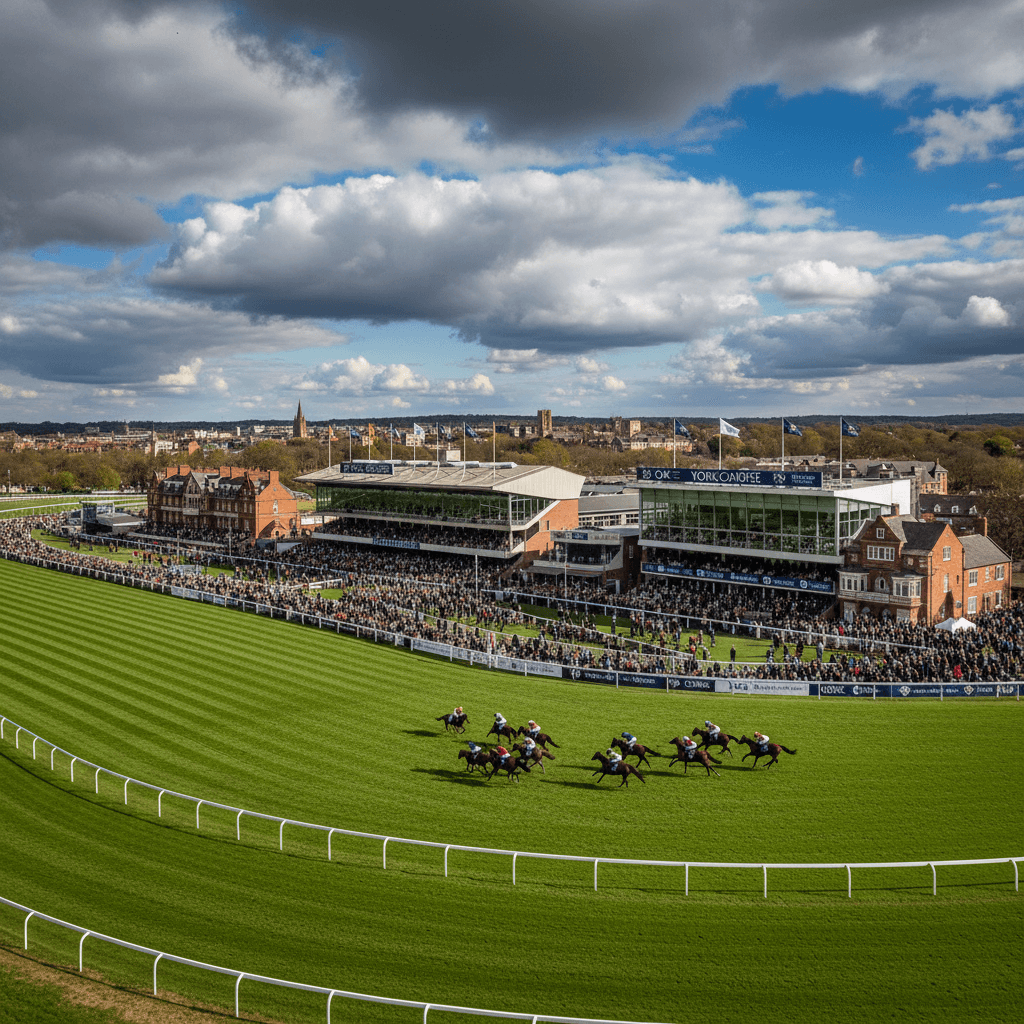
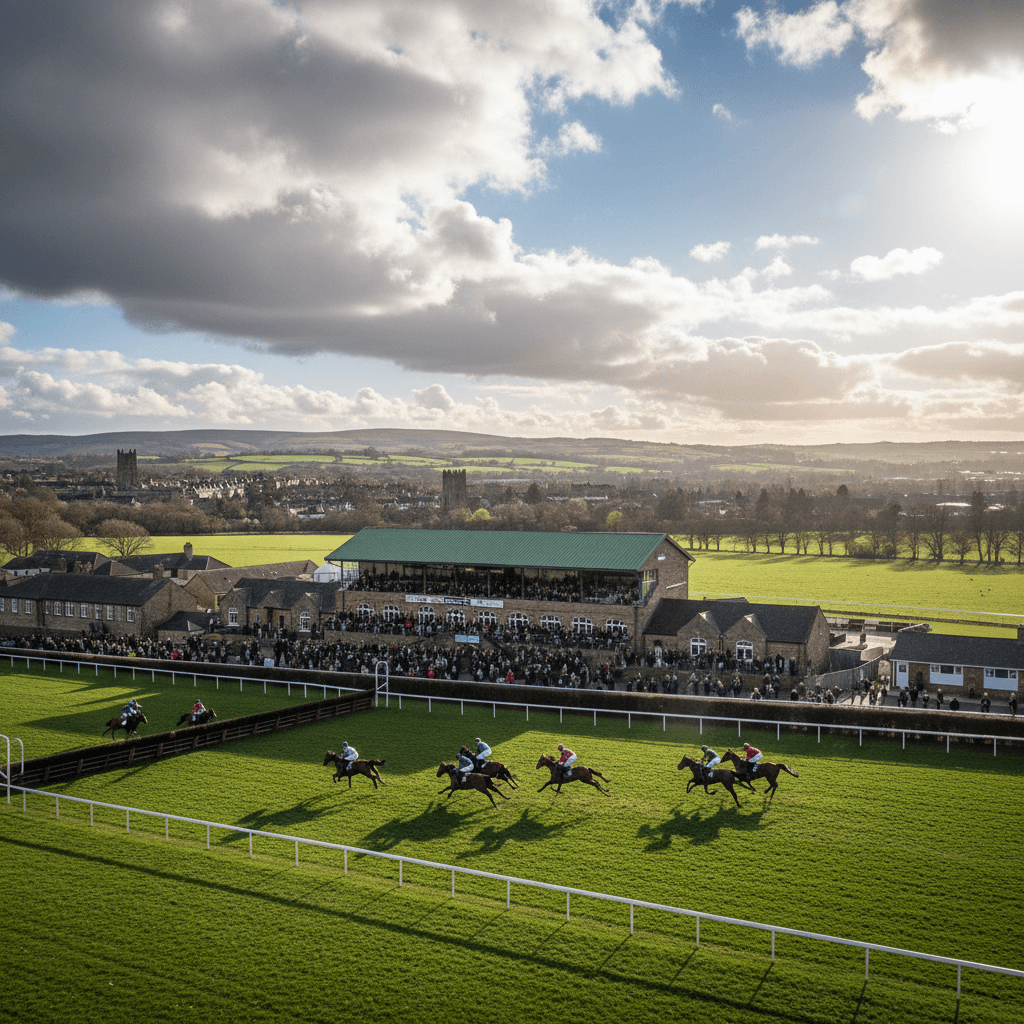
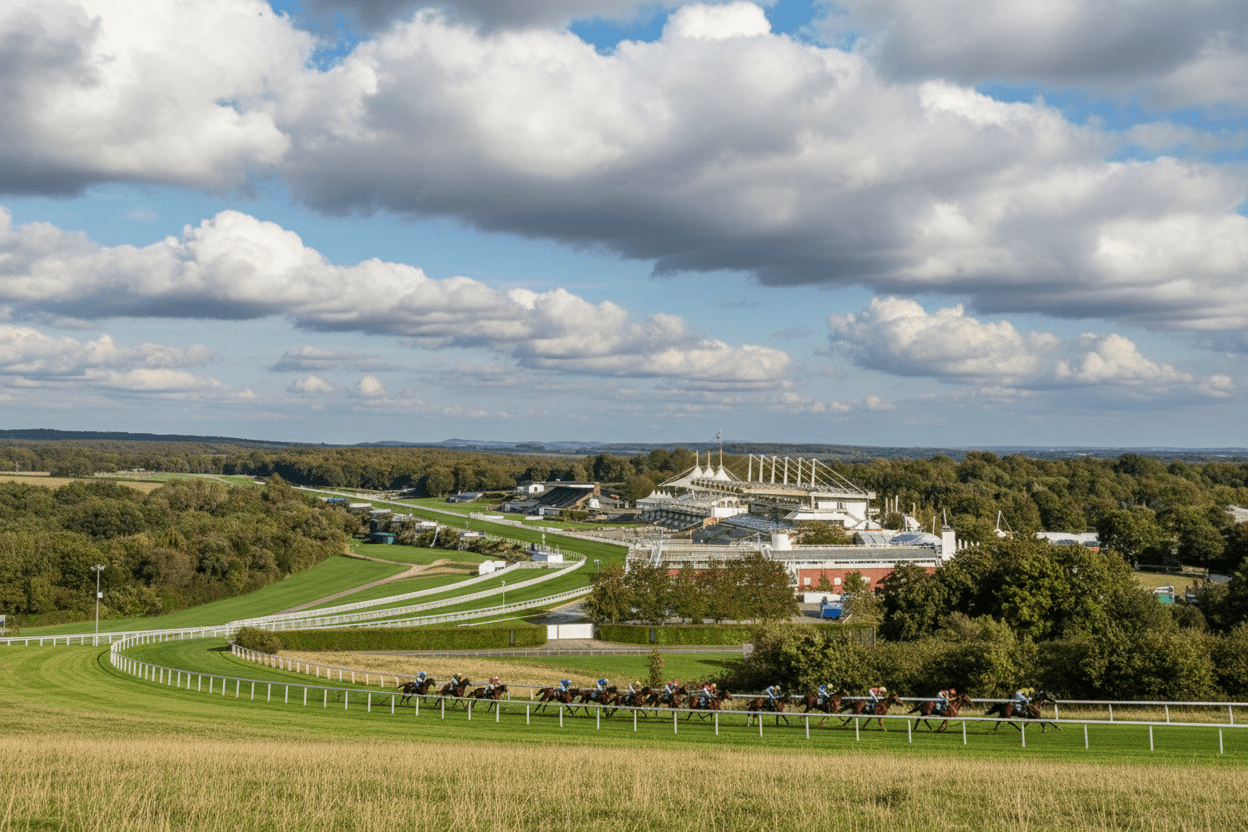
There are racecourses, and then there is Goodwood. Perched high on the South Downs above Chichester, its turf swept by sea breezes rolling in from the Channel, it occupies a place in British racing that goes well beyond the results page. The 3rd Duke of Richmond laid the foundations here in 1802, and more than two centuries on, the place still carries that particular weight of occasion — the sense that racing at Goodwood means something slightly different from racing anywhere else.
It isn't nostalgia alone that draws people back. The course itself is extraordinary: a right-handed, undulating circuit that climbs and falls across downland terrain, demanding balance, agility, and a particular kind of resolution from the horses that run here. The five-furlong sprint course drops sharply away from the stalls, rewarding those with natural momentum and punishing those who need time to find their stride. The longer distances wind through a track that changes character almost every furlong. Goodwood does not flatter the ordinary horse. It finds them out.
The Qatar Goodwood Festival in late July remains the jewel — the Sussex Stakes, the Nassau, the Goodwood Cup — but the course's September meetings carry their own quiet appeal. Smaller fields, slightly easier conditions to read, and a course beginning to ease into its autumn temperament. For the serious punter, these fixtures often reward more than the glamour days do. You can find our full Goodwood course guide for the deeper background.
This Week's Fixtures: What to Expect
Three afternoon fixtures are scheduled across the back end of this week, each carrying seven or eight races on the Flat. The going is described as Good to Soft, Good in places across all three days — a surface that has a little give in it without becoming genuinely testing. After the heat of high summer, the September ground at Goodwood tends to ride more consistently than the going sticks might suggest, with the downland turf retaining just enough moisture to keep things honest.
- Thursday, 3 September 2026 — 7 races, afternoon
- Friday, 4 September 2026 — 7 races, afternoon
- Saturday, 5 September 2026 — 8 races, afternoon
Saturday's card is the most substantial of the three, with eight races likely to draw the largest fields and the most competitive handicaps. Thursday and Friday tend to attract more specialist entries — trainers who know the course, horses with a clear affinity for the track. It's worth noting that the going can shift between sessions as afternoon sun works on the turf, so keeping an eye on any going updates before the first race is never wasted time.
Reading the Track: Draw, Pace, and Course Characteristics
Goodwood is one of the most technically interesting courses on the British Flat calendar, and understanding its quirks is genuinely profitable over time. A few things are worth committing to memory before you open the racecard.
The Draw
Draw bias at Goodwood is distance-dependent and worth treating carefully. In sprint races over five and six furlongs, low draws tend to hold an advantage, particularly when the field is large. The camber of the track and the nature of the run-in means horses racing closer to the stands rail often find a more favourable passage. That said, the bias is not absolute — a horse with a high draw but exceptional early pace can still overcome it, and in smaller fields the effect diminishes considerably.
Over middle distances — the mile to a mile and a quarter — the draw becomes less decisive, though horses drawn in the middle of the pack can sometimes find themselves caught wide on the sweeping bends. In races over ten furlongs and beyond, the stall position matters far less than class and stamina, given the amount of ground covered before the draw has any meaningful influence.
Pace and Track Shape
Goodwood rewards horses that travel well within their races. The undulating nature of the track means those who expend energy fighting for position on the climbs often find little left when the ground levels and the race begins in earnest. Relaxed, well-balanced movers tend to thrive here — horses that can be covered up, conserve energy through the middle sections, and then produce their effort on the descent or in the straight.
In sprints, the downhill nature of the five-furlong course is worth particular attention. Horses that are naturally quick away from the stalls and who handle a downhill gradient — often those with a good low, ground-covering action — tend to perform above their ratings here. Conversely, high-actioned horses who get on their toes in the preliminaries can find the camber and the slope unsettling.
Going Conditions
On Good to Soft ground, Goodwood's turf tends to suit horses with a slightly longer stride. The surface has enough cushion to take the jar out of the ground without becoming genuinely holding. Horses that have shown a preference for a cut in the ground, or who have run well on similar going elsewhere, are worth elevating in your assessments this week.
The Type of Horse That Wins Here
Goodwood has a type. It is not a course that consistently rewards the blunt, front-running sort who simply outstays the opposition on a flat galloping track. The winners here tend to share certain qualities: athleticism, balance, a good temperament in the preliminaries, and the ability to handle the physical demands of a track that asks constant questions of its runners.
Horses trained locally — particularly from the yards of trainers who use Goodwood's track regularly — often carry a subtle edge in terms of course familiarity. The course-and-distance record is a more meaningful statistic here than at many tracks. When a horse has won at Goodwood before, the fact is worth noting rather than dismissing as coincidence. The track suits a certain kind of mover, and once identified, those horses tend to return to winning form here time and again.
For the longer races, stamina bred into the pedigree matters. Goodwood's two-mile-plus trips are genuine tests of staying power, and horses whose bloodlines suggest they will relish the undulations — particularly those by sires known for producing tough, resolute stayers — deserve a closer look on the longer cards.
Practical Tips for the Week
- Check the going update before each card. Good to Soft can shade either way after overnight rain or a dry afternoon, and the impact on pace and draw bias is real.
- Watch the market in sprint races. The draw bias in five and six-furlong races is well known among professionals, and money for low-drawn runners in big fields often moves deliberately. A drifter from a low draw in a sprint is worth scrutinising carefully.
- Respect course form. The Goodwood course-and-distance record is one of the most reliable filters on the card. Filter your selections through it before anything else.
- If attending, arrive early enough to walk the track perimeter and observe how the ground is riding in the opener. The way the turf cuts up after the first race or two tells you a great deal about what the afternoon holds.
- Saturday's eight-race card will likely carry the most competitive handicaps. Treat the early races as reconnaissance — field sizes, pace shapes, and how the draw is playing — before committing to your main bets in the afternoon's feature events.
A Final Word
There is something quietly special about Goodwood in September. The summer crowds have thinned, the light sits lower over the Downs, and the racing takes on a more considered, purposeful quality. The horses that come here now are not here for the occasion — they are here because this track suits them, and the trainers who send them know it.
For the punter willing to do the work — to study the draw, understand the pace, and respect the course's particular demands — these three days represent genuine opportunity. Browse the full Goodwood course page for historical results and trends, and make sure you have the racecards open for Thursday, Friday, and Saturday before the week begins. The Downs will reward those who pay attention.