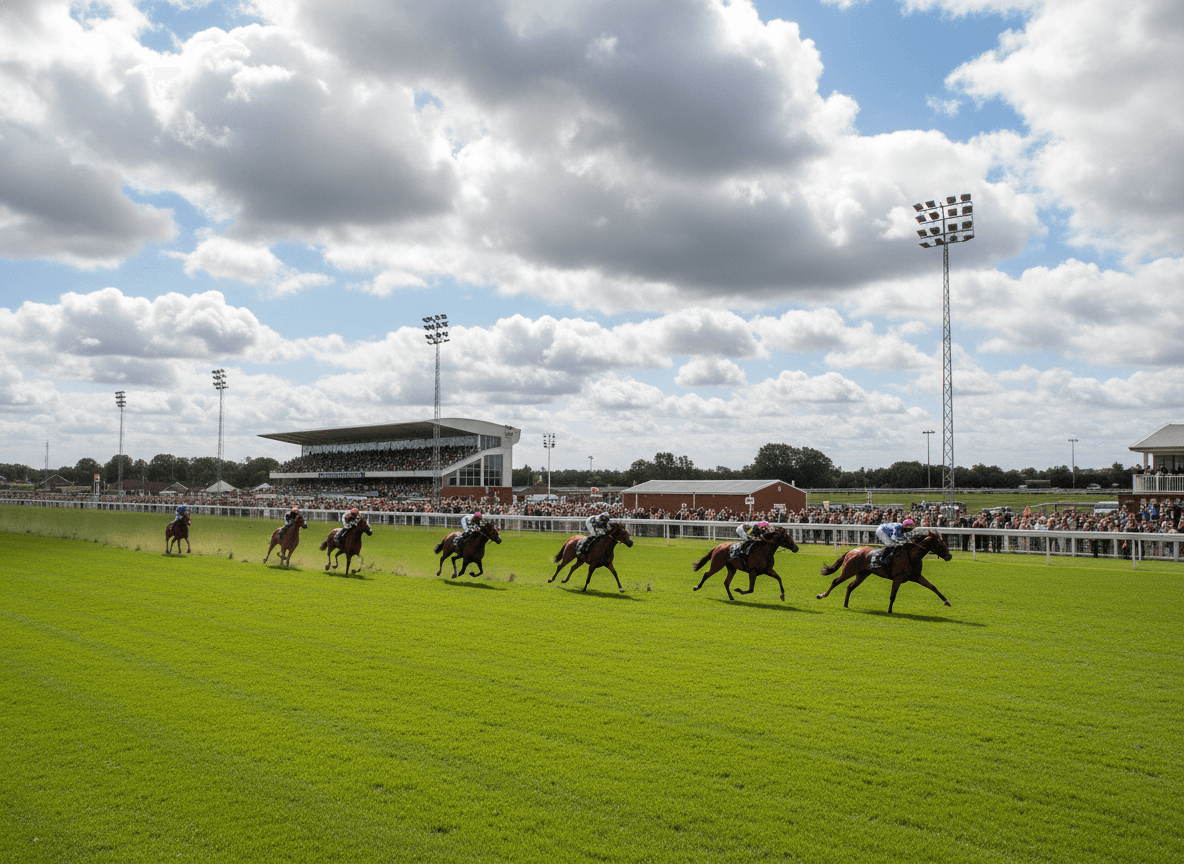
A Track Where Tradition Meets Innovation
Few racecourses embody the evolution of British racing quite like Kempton Park. Since opening its gates in 1878, this Surrey venue has witnessed the sport's gradual transformation from a purely seasonal pursuit to the year-round spectacle we know today. The installation of its Polytrack surface and floodlighting system didn't merely modernise Kempton—it revolutionised how we think about racing's rhythm and flow.
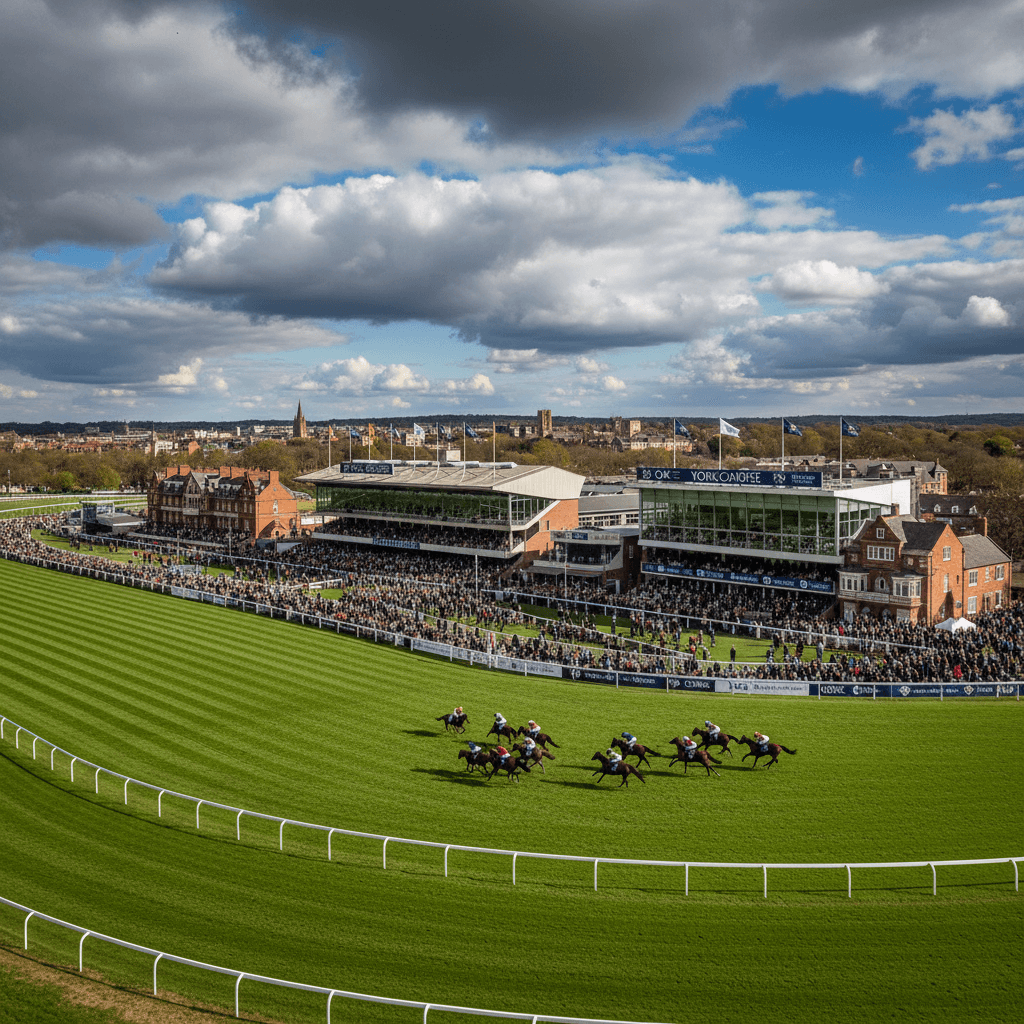
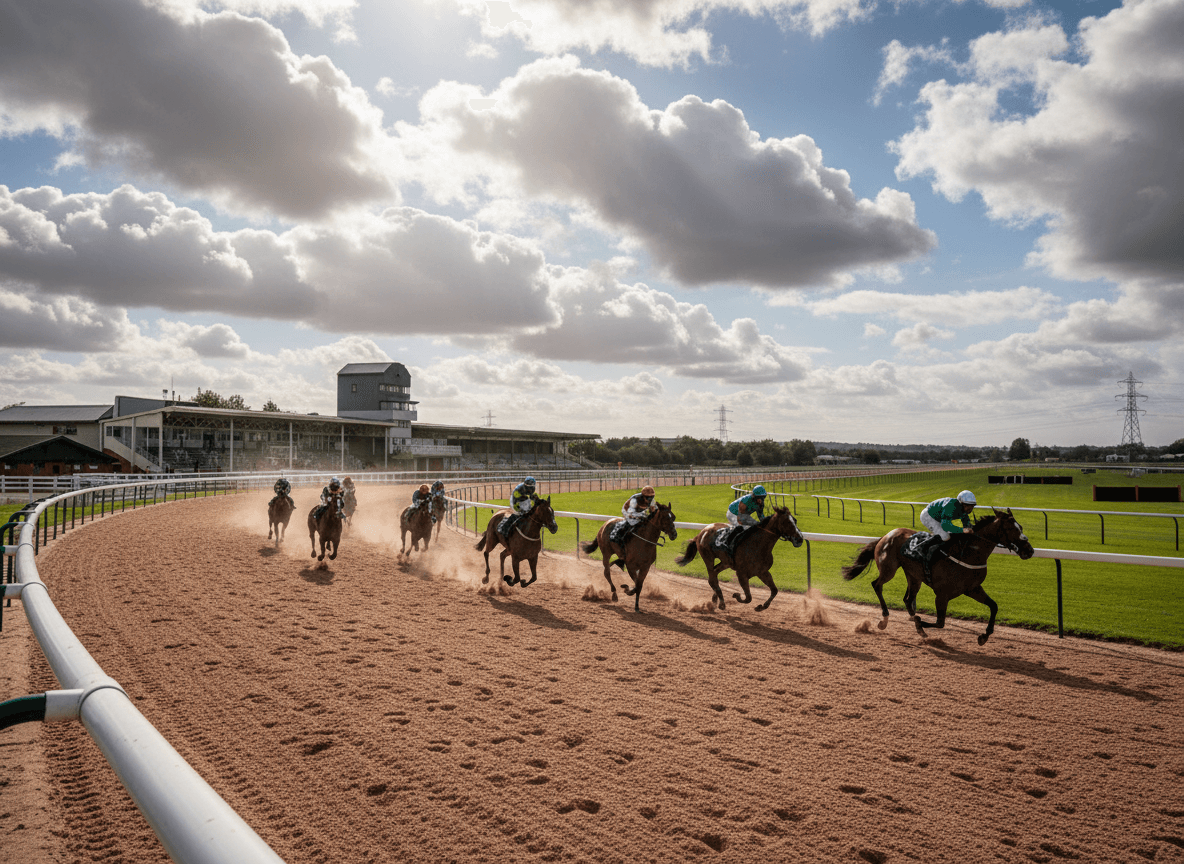
Standing beneath those towering floodlights on a May evening, watching the field sweep around the home turn with the grandstand ablaze in artificial daylight, one appreciates how Kempton has managed to honour its Victorian heritage while embracing racing's future. The track's dual personality—intimate enough for a Tuesday evening card yet grand enough for Boxing Day's King George VI Chase—speaks to a versatility that few venues can match.
This Week's Racing Programme
Two evening fixtures await this week, both showcasing flat racing under lights. Tuesday's six-race card begins what promises to be an intriguing period, with the going currently described as Good—a surface description that, on Kempton's all-weather strip, translates to consistent, fair conditions that should suit a broad range of running styles.
Saturday's seven-race programme represents the week's feature meeting, though the going remains to be confirmed. The additional race provides extra scope for competitive handicaps and perhaps a conditions event that might attract horses with loftier ambitions. Evening racing at Kempton during late spring carries a particular charm—the earlier sunset means racing under lights without the harsh winter chill, creating an atmosphere that feels both relaxed and purposeful.
The timing of these fixtures, both commencing around 5:30pm, allows for that magical transition from natural daylight to floodlit drama, where the track's character subtly shifts as shadows lengthen and the artificial illumination takes hold.
Reading Kempton's Subtle Nuances
Kempton's right-handed configuration, measuring approximately one mile and five furlongs around, presents a deceptively complex tactical puzzle. The track's galloping nature might suggest it favours pure stamina, but the reality proves more nuanced. Those subtle undulations—barely perceptible to the naked eye—can prove decisive in tightly contested finishes, rewarding horses that travel with natural rhythm rather than those forced into artificial pace patterns.
The separate five-furlong straight course deserves particular attention. Unlike some tracks where sprint contests become pure speed tests, Kempton's straight allows for tactical development. Early pace doesn't always prove decisive; indeed, horses that can quicken from the three-furlong marker often find themselves perfectly positioned as others begin to tire. The surface's consistency means stamina reserves, rather than raw acceleration, frequently determine the outcome.
Draw bias at Kempton operates on a sliding scale dependent on field size and pace distribution. In smaller fields, the draw rarely dominates, but as numbers increase beyond twelve runners, those drawn low often enjoy a marginal advantage in sprint contests. This isn't about ground saved or favoured racing lines—rather, it reflects the tendency for pace to spread more evenly when low-drawn horses can establish position without excessive early exertion.
The Kempton Profile
Successful Kempton performers share certain characteristics that transcend breeding or training methods. They possess what might be termed 'tactical awareness'—an ability to adapt to race flow without losing their essential running style. The track rewards horses that can settle, travel, and find that crucial change of gear when asked, rather than those dependent on sustained galloping or explosive sprints.
Stamina proves more valuable than raw speed, but not in the traditional sense. Kempton's stamina test is subtle—it's about maintaining rhythm under pressure rather than grinding out the final furlong. Horses with proven form at Lingfield or Wolverhampton often translate that success here, suggesting that all-weather specialists develop particular skills that prove transferable across different synthetic surfaces.
Age rarely presents a barrier at Kempton. The surface's forgiving nature means older horses can compete effectively against younger rivals, while the tactical nature of many contests allows experience to counterbalance raw ability. Some of the track's most memorable performances have come from horses in the veteran stages of their careers, finding renewed purpose under the Surrey floodlights.
Practical Wisdom for Punters and Visitors
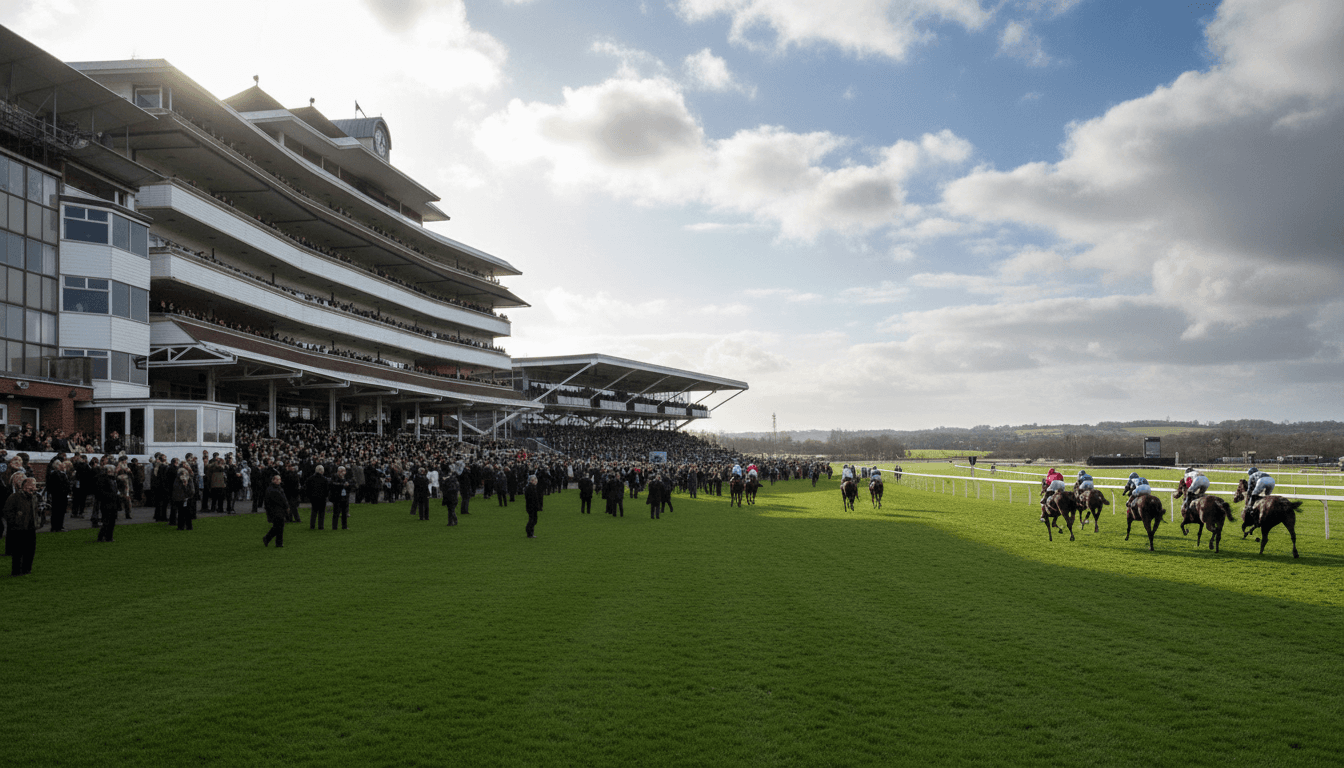
For those planning to attend, Kempton's evening fixtures offer exceptional value. The atmosphere builds gradually as natural light fades, creating an intimate yet electric environment. Parking remains straightforward, and the track's compact layout means no vantage point feels distant from the action. The parade ring, positioned close to the main grandstand, allows for detailed pre-race assessment—crucial given the tactical nature of many Kempton contests.
From a betting perspective, form study at Kempton rewards patience and attention to detail. Recent course form carries significant weight, but don't dismiss horses returning from turf campaigns—the transition to all-weather often suits those whose grass form suggested ability without quite delivering consistent results. Market movements prove particularly telling at Kempton; the track's regular evening fixtures attract knowledgeable local support, and late money often identifies horses whose preparation has gone particularly well.
Pay close attention to jockey bookings, especially for horses without recent Kempton form. Certain riders possess an intuitive understanding of the track's demands, and their presence often signals confidence from connections. Similarly, watch for horses dropping significantly in grade—Kempton's competitive nature means class often tells, particularly in the closing stages of races.
Where Racing Finds Its Rhythm
Kempton Park this week offers racing in its most accessible yet sophisticated form. The evening fixtures provide a perfect introduction for newcomers while offering enough tactical complexity to satisfy the most experienced observer. Whether you're drawn by the unique atmosphere of floodlit racing, the consistent surface that rewards careful form study, or simply the pleasure of watching horses and jockeys adapt to one of racing's most distinctive venues, Kempton delivers an experience that lingers long after the final winner passes the post.
In an era where racing sometimes struggles to balance tradition with innovation, Kempton Park stands as proof that both can coexist beautifully. This week's fixtures continue that proud tradition, offering sport that honours the past while embracing the future.