A Lincolnshire Gem With a Surprise Up Its Sleeve
There is something quietly disarming about Market Rasen. Most racegoers know it as a National Hunt venue — the fences, the hurdles, the summer jumps programme that has made it one of the more characterful fixtures on the jumping calendar since its establishment in 1924. But arrive on a warm August afternoon and you will find something rather different: Flat racing on a track that rewards those willing to look a little closer.
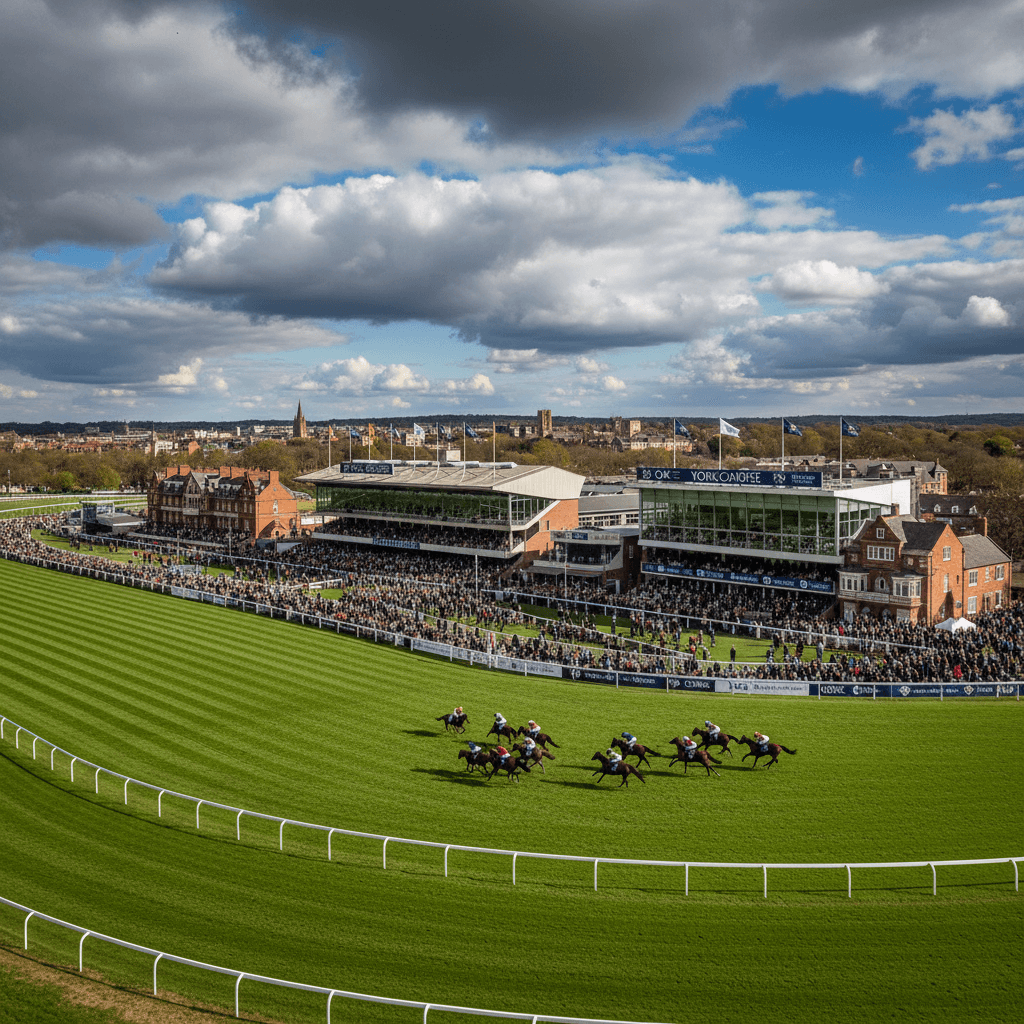
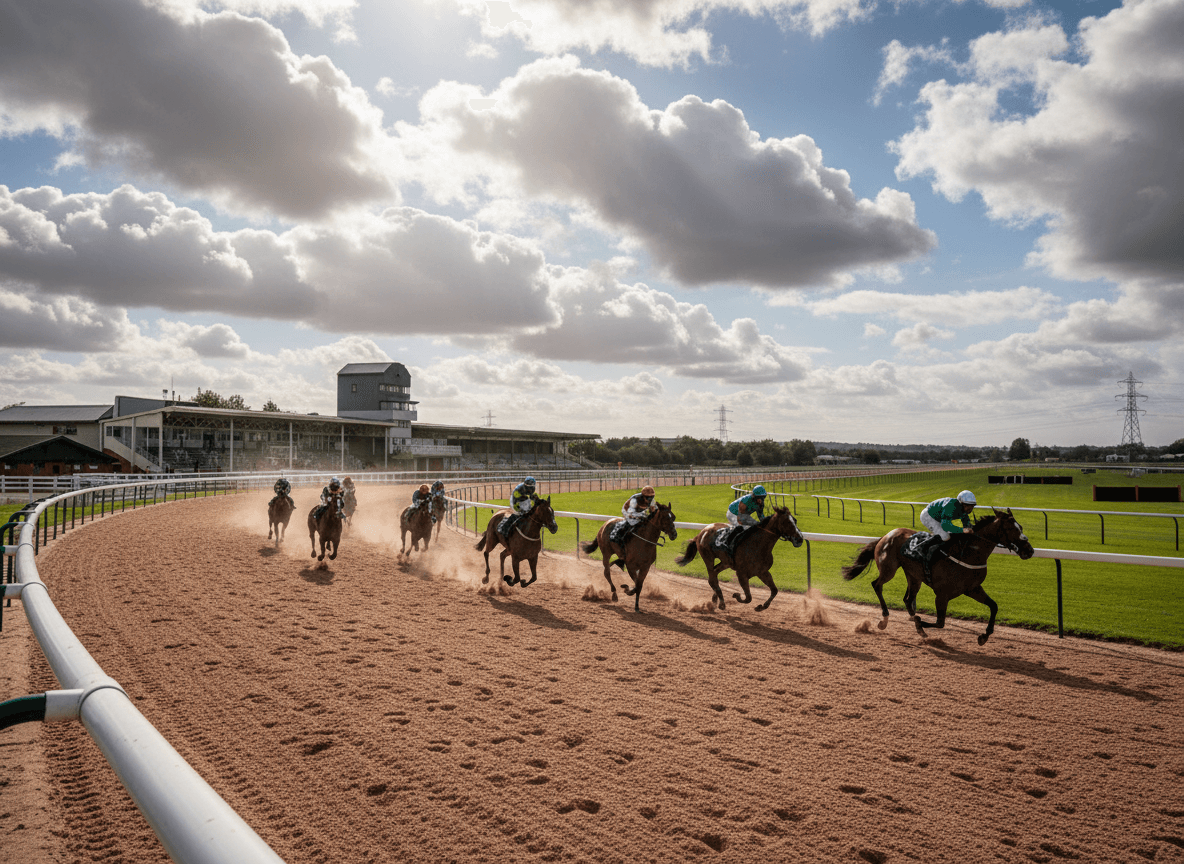
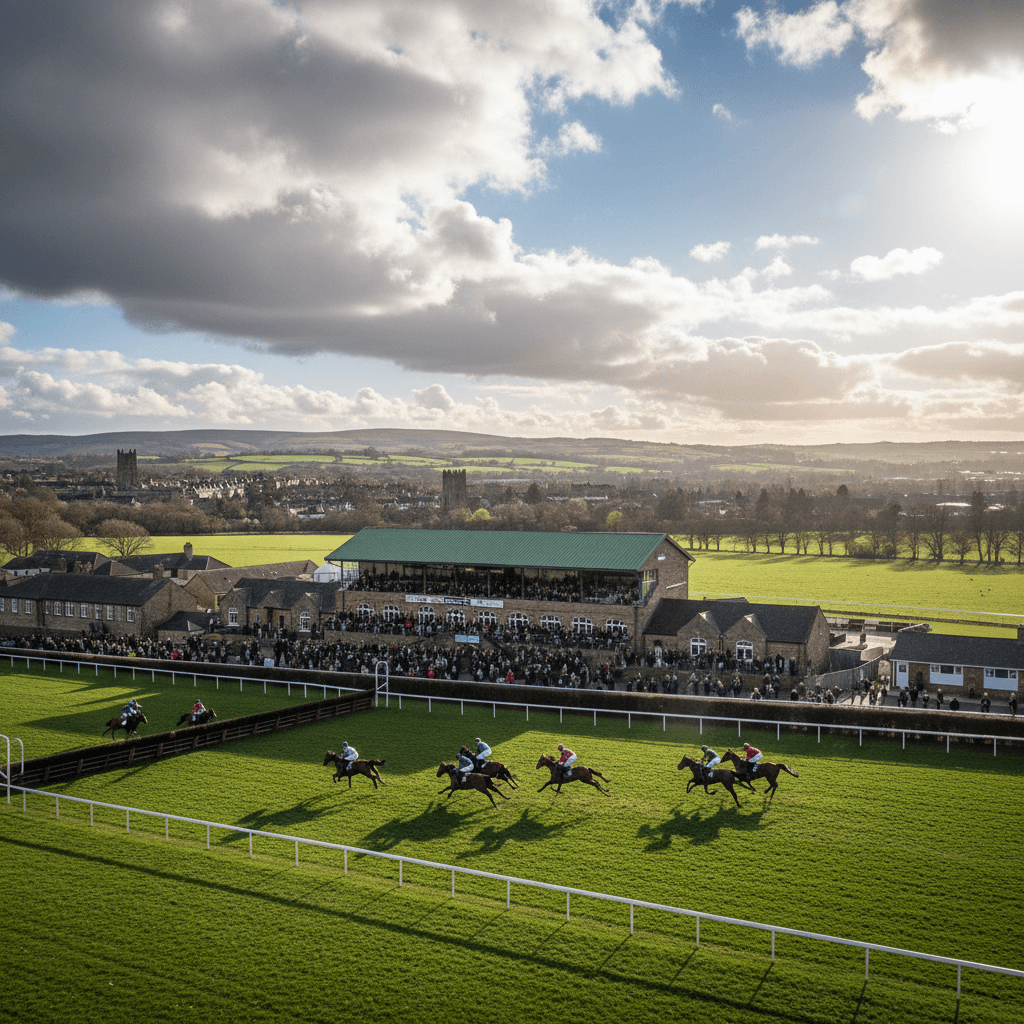
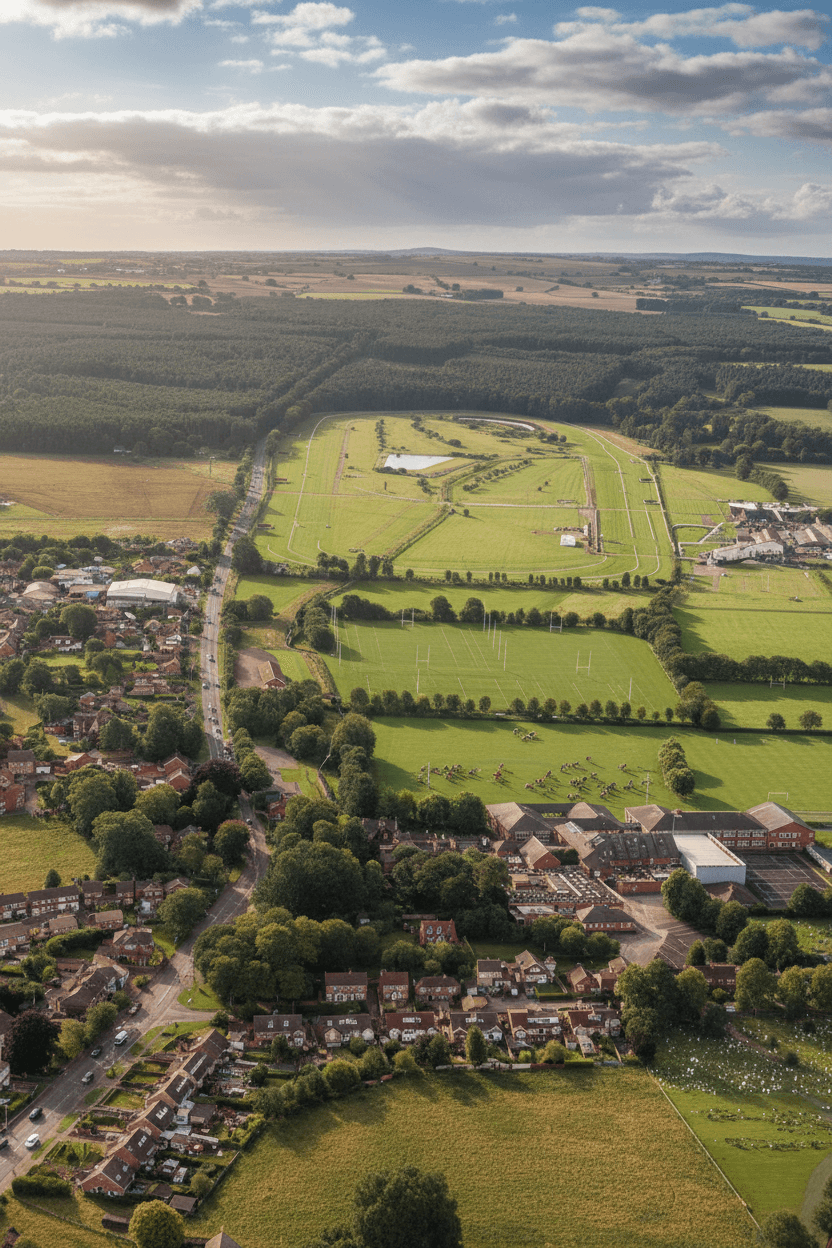
The course sits comfortably in the Lincolnshire countryside, its right-handed oval just over a mile and two furlongs in circumference, the undulating terrain lending the whole place a lived-in, unhurried quality. The viewing is excellent throughout — you are never far from the action here — and the atmosphere carries that particular warmth of a smaller track that has earned its affection rather than assumed it. Families, first-timers, and seasoned punters share the same sightlines, and there is something genuinely democratic about that.
This week, Market Rasen turns its attention to the Flat, and there is more than enough here to reward careful study.
This Week's Fixtures: What to Expect
Two afternoon cards make up the week's programme, beginning on Friday, 14 August 2026, with six races, and continuing on Saturday, 15 August 2026, with a slightly fuller seven-race card. Both days carry an anticipated going of Good to Firm, which at this time of year — and on this track — is about as straightforward a surface as you will find anywhere in the country.
Good to Firm at Market Rasen in August tends to be consistent and honest. The ground dries quickly here in warm spells, and the undulating nature of the track means it rarely becomes glassy or uneven in the way that flatter courses sometimes can. Expect quick times and a premium on horses that travel fluently through their races rather than grinding it out.
Full details for both days can be found on the Market Rasen Friday, 14 August 2026 and Market Rasen Saturday, 15 August 2026 racecards.
Track Characteristics and What the Draw Tells You
Understanding Market Rasen's Flat configuration is the first step toward finding an edge. The track's right-handed, turning nature means that low draws are generally favoured in sprint distances, particularly over five and six furlongs, where the run to the first bend is short enough that high-drawn horses can find themselves immediately disadvantaged. In races up to a mile, this bias softens somewhat, but it never entirely disappears.
The undulations deserve attention too. There is a notable dip and rise through the back straight that catches horses who are not travelling kindly within their races — those that are being asked for effort at the wrong moment can find the climb home more taxing than it might appear on paper. Horses that settle in the first half of their race and build momentum gradually tend to finish more strongly than those who are ridden prominently from the off and asked to sustain that effort up the home straight.
The home straight itself is relatively short, which concentrates the finish and means that late closers need a clear run to make their challenge count. Races here can be won and lost in a matter of strides, and a horse that hits traffic at the two-furlong pole rarely recovers in time.
Pace Scenarios to Watch
On Good to Firm ground, pace tends to be genuine at Market Rasen. There is rarely the slow-burn gallop that can flatter closers on softer surfaces. Horses that can race handily — ideally second or third in the run — and quicken off a true pace are consistently well-positioned here. Be cautious of horses whose form has been built entirely on soft or heavy ground; the step up in tempo on a quick surface can expose stamina limitations that were previously hidden.
The Type of Horse That Thrives at Market Rasen
If you are building a profile of the ideal Market Rasen Flat performer, several traits emerge consistently from the form book.
- Balanced, agile movers — the undulations reward horses with a natural, economical action rather than those with a long, ground-eating stride that suits flatter tracks like Nottingham or Haydock.
- Horses that travel well in their races — given the short home straight, those that switch off and settle early have a structural advantage over keen, free-running types.
- Course and distance winners — this sounds obvious, but at a track with as specific a set of demands as Market Rasen, previous course form carries genuine weight. Do not dismiss a horse simply because its overall record looks modest; a win here suggests it has already solved the puzzle.
- Horses drawn low in sprints — as noted above, the draw bias in shorter races is real enough to factor into your assessment, particularly in competitive handicaps.
- Lightly raced or improving three-year-olds — August at a track like this often sees the summer handicap programme throwing up horses on upward trajectories, and the relatively modest fields here can give progressive types more room to express themselves than they might find at a busier venue.
Practical Tips for Racegoers and Punters
Whether you are making the trip to Lincolnshire or following proceedings from home, a few practical considerations are worth keeping in mind ahead of this week's racing.
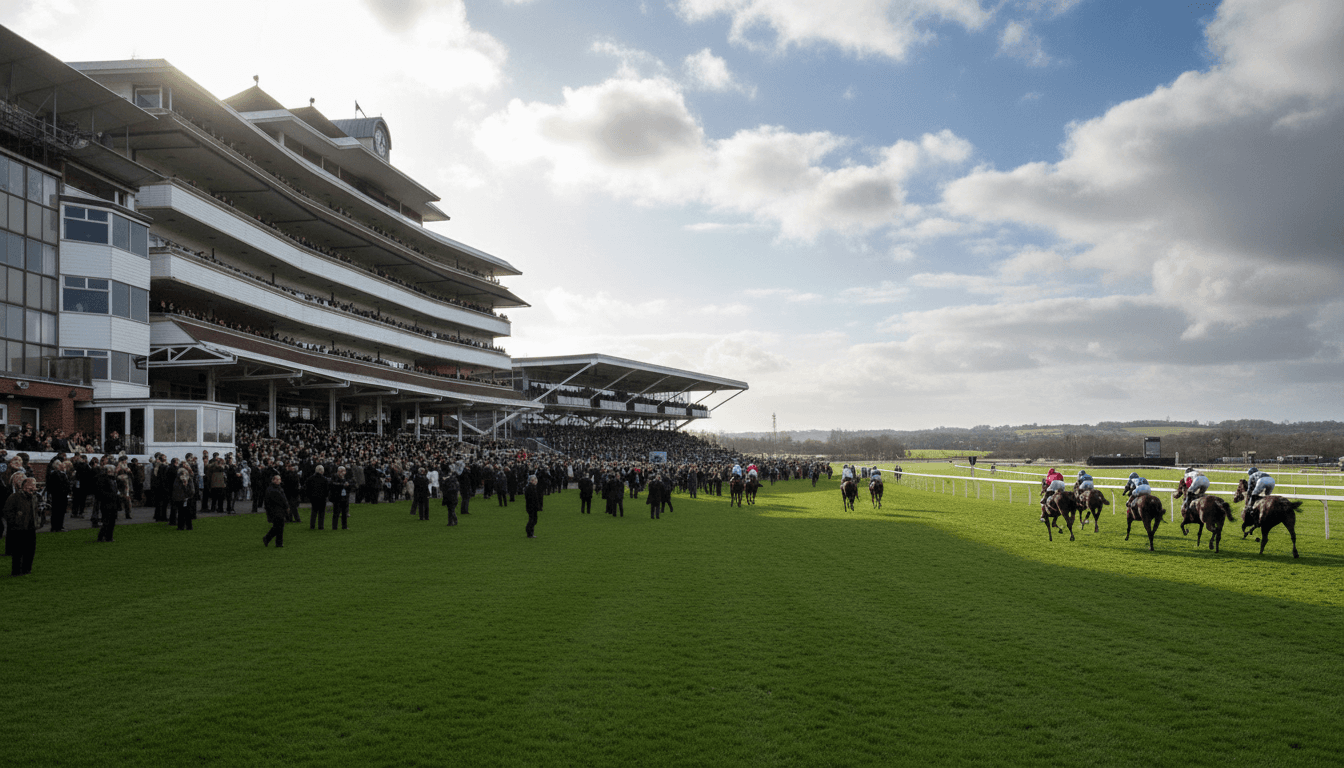
For those attending: the viewing at Market Rasen is genuinely among the best at any track of its size in the country. The grandstand offers clean sightlines across the entire circuit, and the paddock is compact enough that you can form a real impression of horses in the pre-race inspection. Spend time in the paddock — on Good to Firm ground, condition and coat quality matter, and the smaller fields here mean you can actually assess each runner without the crush of a major meeting.
For those betting: the key discipline at Market Rasen is not to overcomplicate things. Fields here are rarely enormous, and the track's specific demands mean that a small number of factors — draw, pace position, course form, and the going — account for a disproportionate share of the outcome. Build your assessments around those pillars before layering in trainer form or market moves.
It is also worth noting that Saturday's seven-race card will carry slightly more depth than Friday's six, and competitive handicaps later in the afternoon tend to be where the most interesting betting puzzles emerge. The market at a track like this can be slow to fully reflect course-specific angles, which creates occasional value for those who have done their groundwork.
A Final Word
Market Rasen does not demand your attention in the way that Ascot or Goodwood might. It earns it quietly, through honest racing on fair ground and a setting that reminds you why the sport exists in the first place. Two afternoons of Flat racing this week, on what promises to be a proper summer surface, offer exactly the kind of uncomplicated pleasure that the best smaller tracks deliver so reliably.
Check the full Friday racecard and Saturday racecard on Paddock Punter, and keep an eye on the going reports as the week develops. For everything else you need to know about the track, our Market Rasen course page is the place to start.