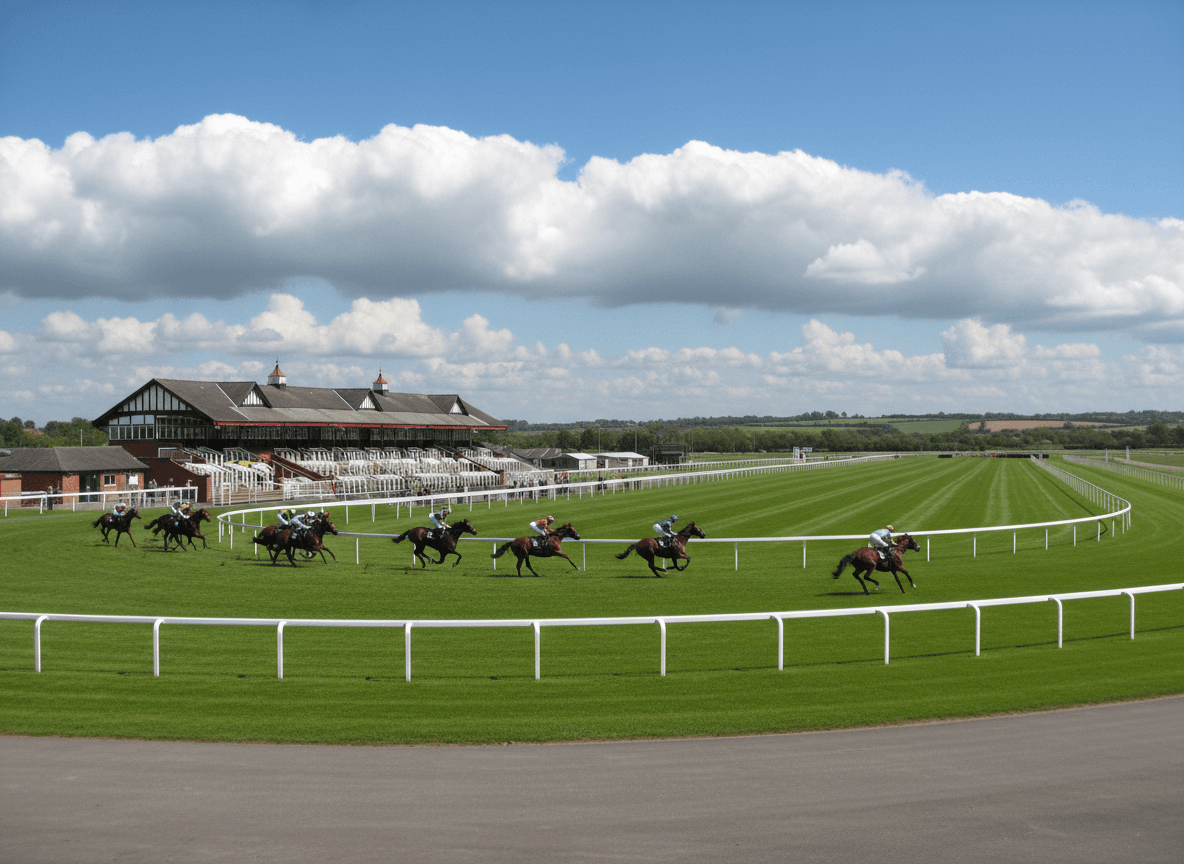
The Old Lady of West Yorkshire
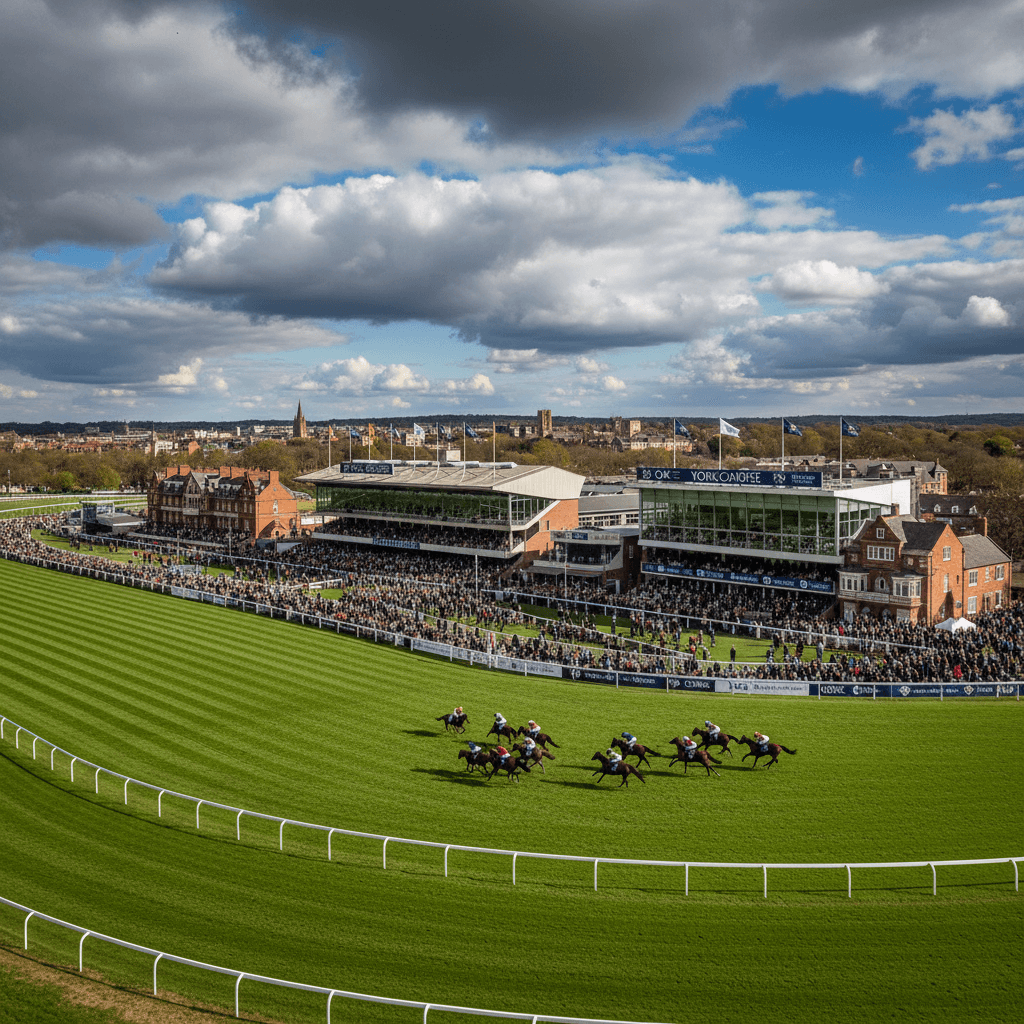
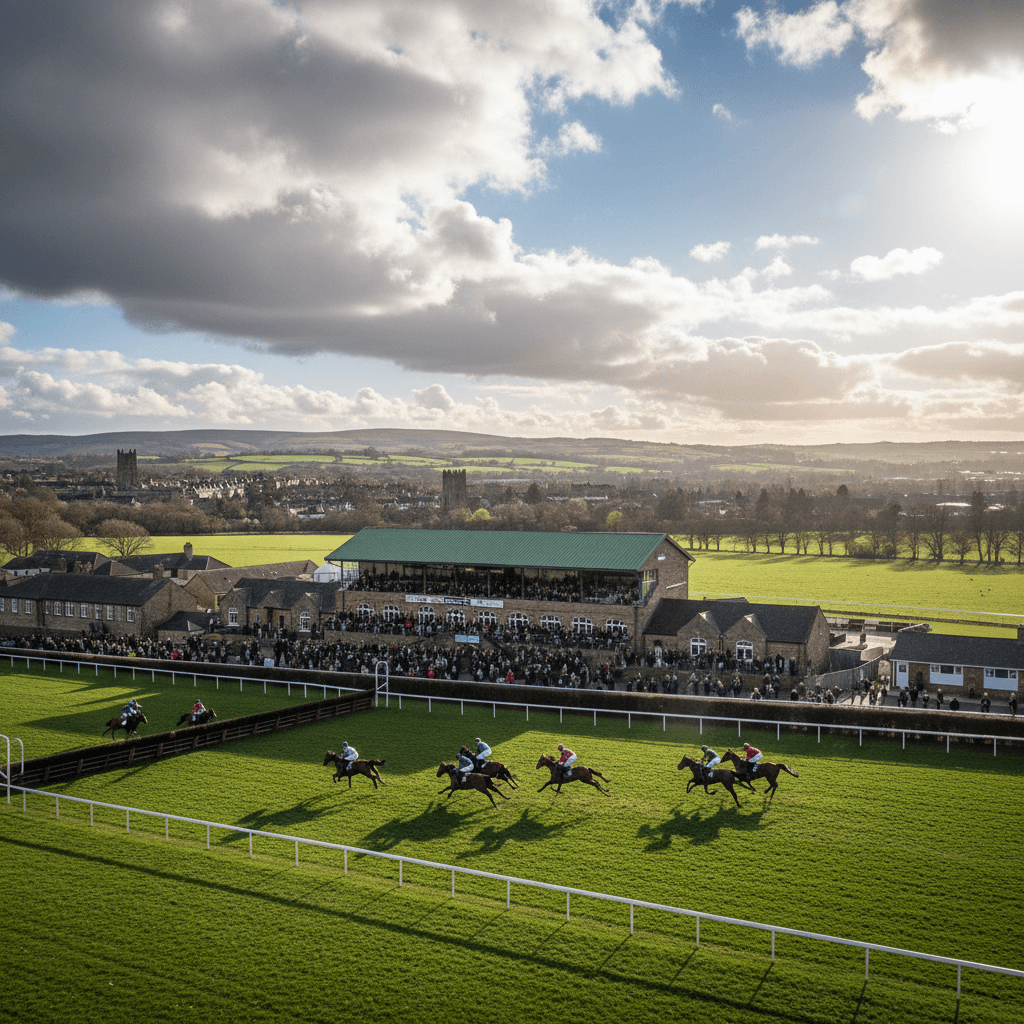
There are racecourses that feel manufactured, assembled from the same template of corporate hospitality suites and manicured uniformity. And then there is Pontefract. Here, the racing has seeped into the stone and the soil over centuries, with documented meetings stretching back to 1648 and local tradition suggesting the turf was being contested long before anyone thought to write it down. Yorkshire's oldest racecourse carries that age lightly, wearing its history not as a burden but as a quiet distinction — the kind that doesn't need announcing.
Pomfret, as it is affectionately known to those who follow it closely, occupies a particular place in the affections of northern racing. It is not Ascot, and it does not wish to be. Its charm is earthier, more democratic, rooted in the kind of competitive, no-nonsense flat racing that the north has always done rather well. The crowd here tends to know its horses, and the atmosphere on a warm late-summer afternoon carries a warmth that the more celebrated venues rarely manage to replicate.
This week, the course hosts two afternoon fixtures across consecutive days — a substantial eight-race card on Monday, 31 August, followed by a tighter six-race programme on Tuesday, 1 September. Both meetings are scheduled for Good ground, and with the calendar turning its page from August to September, there is a pleasing sense of the season settling into its final, richest chapter.
Understanding the Track
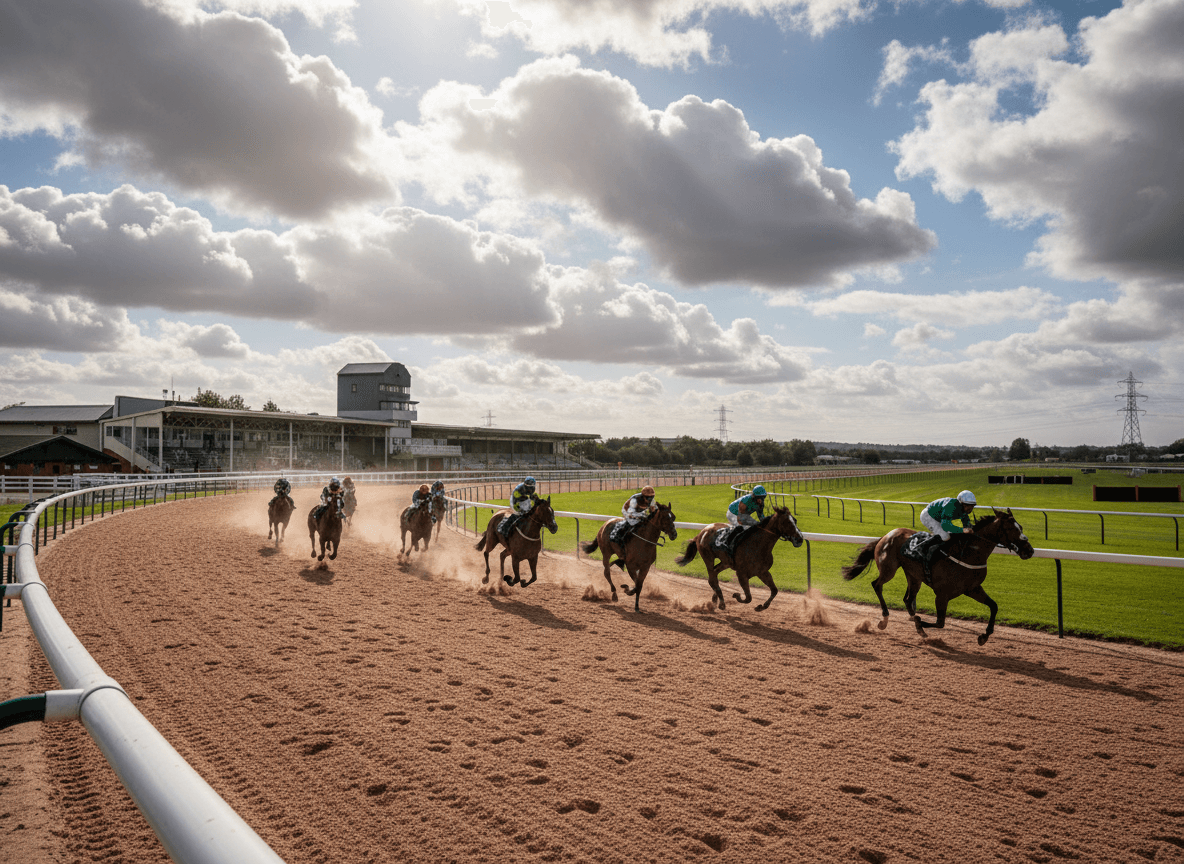
Pontefract demands respect, and it demands understanding. The circuit is left-handed and undulating — that much most racegoers know — but what is easy to underestimate is quite how relentlessly the track tests its runners. At two miles and one furlong, it is the longest continuous flat racing circuit in Europe, a fact that carries genuine implications for how races are run and, crucially, how they are won.
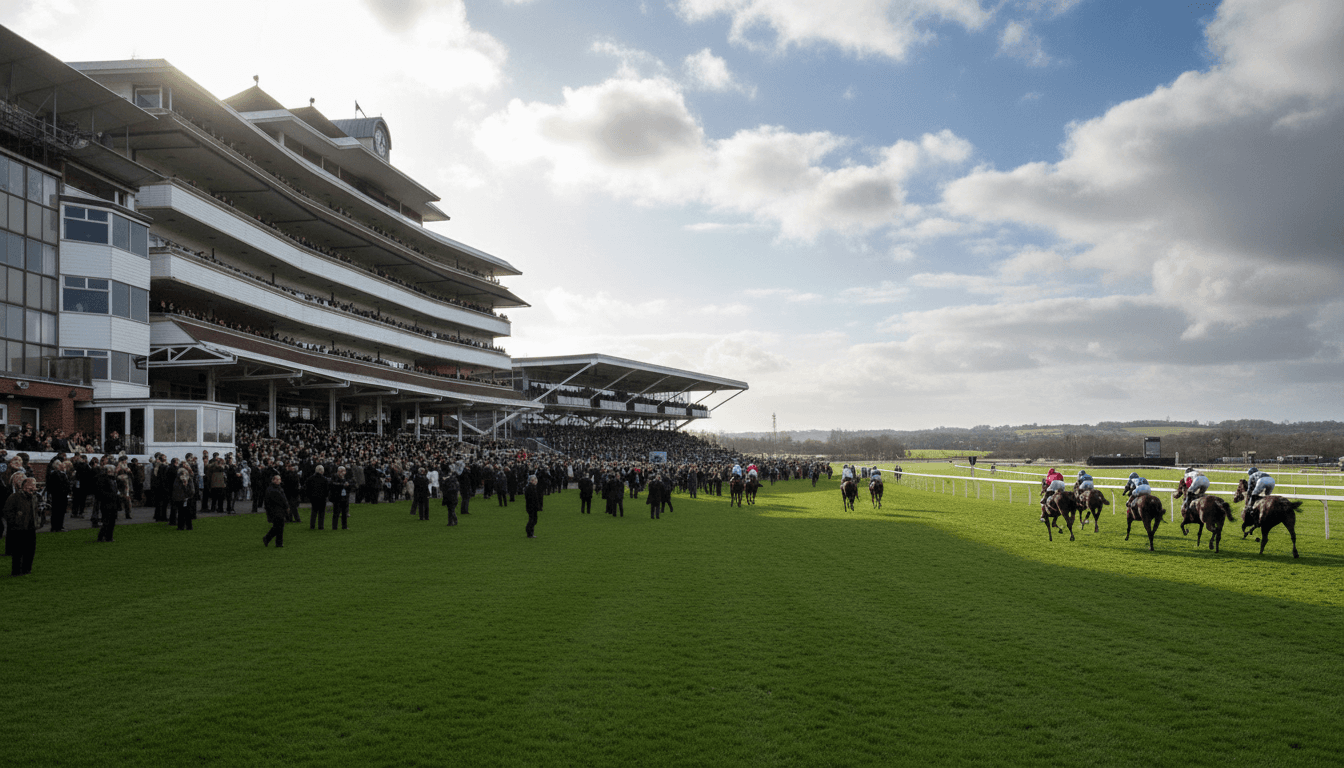
The finish is the defining feature. Horses are asked to climb a stiff, sustained hill in the closing stages, and it is here that the race is truly decided. A horse that has been asked too many questions too early will find that hill merciless. Conversely, a stayer with reserves of stamina, settled comfortably in the pack and produced with a well-timed run, will relish the challenge. Pontefract rewards patience — in horses and in those who back them.
Draw Considerations
The draw bias at Pontefract is one of the more nuanced puzzles in British flat racing, and it shifts meaningfully depending on the distance being contested. In sprint races — the five- and six-furlong contests — high draws carry a significant advantage, particularly when the field is large. The track's camber and the nature of the early bends mean that low-drawn runners in sprints can find themselves fighting for position before the race has properly begun. On a Good surface, this effect is pronounced rather than exaggerated, so it warrants attention without becoming an obsession.
At middle distances and beyond, the draw becomes less determinative. What matters more over a mile and a half or further is how the pace scenario unfolds and whether a horse has the engine to climb that finishing hill. Here, position in the race and the quality of the ride matter more than stall number.
Pace and Stamina
Pontefract is not a track for the faint-hearted or the one-dimensional. Horses that possess a high cruising speed but lack genuine stamina are routinely found out on the run-in. The uphill finish acts as a leveller, stripping away the illusion of fitness and exposing those who have been flattered by flatter, easier tracks. Look for horses with proven form on undulating or testing courses — Chester, Chepstow, and Goodwood graduates tend to adapt well — and be wary of those who have built their record exclusively on flat, galloping tracks like Newmarket or Lingfield.
What Type of Horse Thrives at Pontefract?
The profile of the Pontefract winner is fairly consistent once you know what to look for. In the sprints, high-drawn, front-running or prominently-raced types with a proven ability to handle undulation hold a structural advantage. A horse that can stride out from a wide draw and establish a position before the first bend is already halfway to victory.
Over middle distances, the picture shifts toward the genuine stayer with tactical intelligence. Horses bred for a mile and a quarter or further, ridden by jockeys who understand the importance of conserving energy through the back straight, consistently outperform their market position here. Bloodlines that suggest stamina — sons and daughters of Galileo, Frankel, or Sea The Stars, particularly those out of staying mares — are worth a second look when the distance extends beyond a mile.
Two-year-olds are a staple of Pontefract's summer and early autumn programmes, and the course has a fine tradition with juvenile racing, most notably through the Listed Silver Tankard Stakes. Young horses that have shown a willingness to battle and an ability to handle a testing surface tend to make the most of what Pontefract offers. Precocity alone is rarely enough here.
This Week's Fixtures at a Glance
Monday's eight-race card on 31 August represents a full and varied afternoon's racing. Eight races on Good ground suggests competitive fields and genuine pace throughout — the kind of card where value can be found if you are prepared to look beyond the obvious market leaders. With late August sunshine and a bank holiday atmosphere, the crowd should be in good voice.
Tuesday's six-race meeting on 1 September is a more intimate affair, but six well-constructed races on Good ground is more than enough to reward close study. The slightly smaller card often produces tighter, more evenly-matched contests, and it is on days like these that a thorough understanding of the course's quirks can prove most profitable.
Good ground at Pontefract is genuinely good — not a euphemism for something firmer or softer. The course's drainage is reliable, and a true Good surface here suits a wide range of horses, which in turn makes the form more trustworthy and the draw and pace analysis more predictive.
Practical Tips for Racegoers and Punters
- Arrive early for sprints. The parade ring at Pontefract offers an excellent view of horses before sprint races, and watching how a horse moves and settles can be as informative as the form book.
- Respect the draw in five- and six-furlong races. High draws in large fields are not a minor edge — they are a structural advantage that the market does not always fully price in.
- Watch the market for stayers. Horses with proven stamina at this course are often underestimated by punters more familiar with flat, galloping tracks. Course-and-distance winners deserve particular attention.
- Study jockey bookings. Pontefract rewards jockeys who understand its rhythm. Riders who regularly appear here and who have a strong course record are worth noting — local knowledge is a genuine asset on a track this idiosyncratic.
- Trust the form. Pontefract's form is reliable and tends to work out well. A horse that has run creditably here before, particularly on similar going, is a more dependable proposition than one translating form from a very different track.
A Final Word
There is something quietly moving about a racecourse that has been hosting sport since the seventeenth century and still manages to feel vital, competitive, and worth the journey. Pontefract is that rare thing: a course with genuine character, a genuine test, and a genuine community of people who love it without needing to be told why they should.
This week's two fixtures — Monday's eight-race card and Tuesday's six — offer a proper late-summer feast of northern flat racing. Good ground, competitive fields, and one of the most distinctive finishing hills in the sport. Study the draw, respect the stamina demands, and back your judgement with the quiet confidence that Pontefract, more than most courses, tends to reward. Full details and race-by-race analysis can be found on our Pontefract course page.