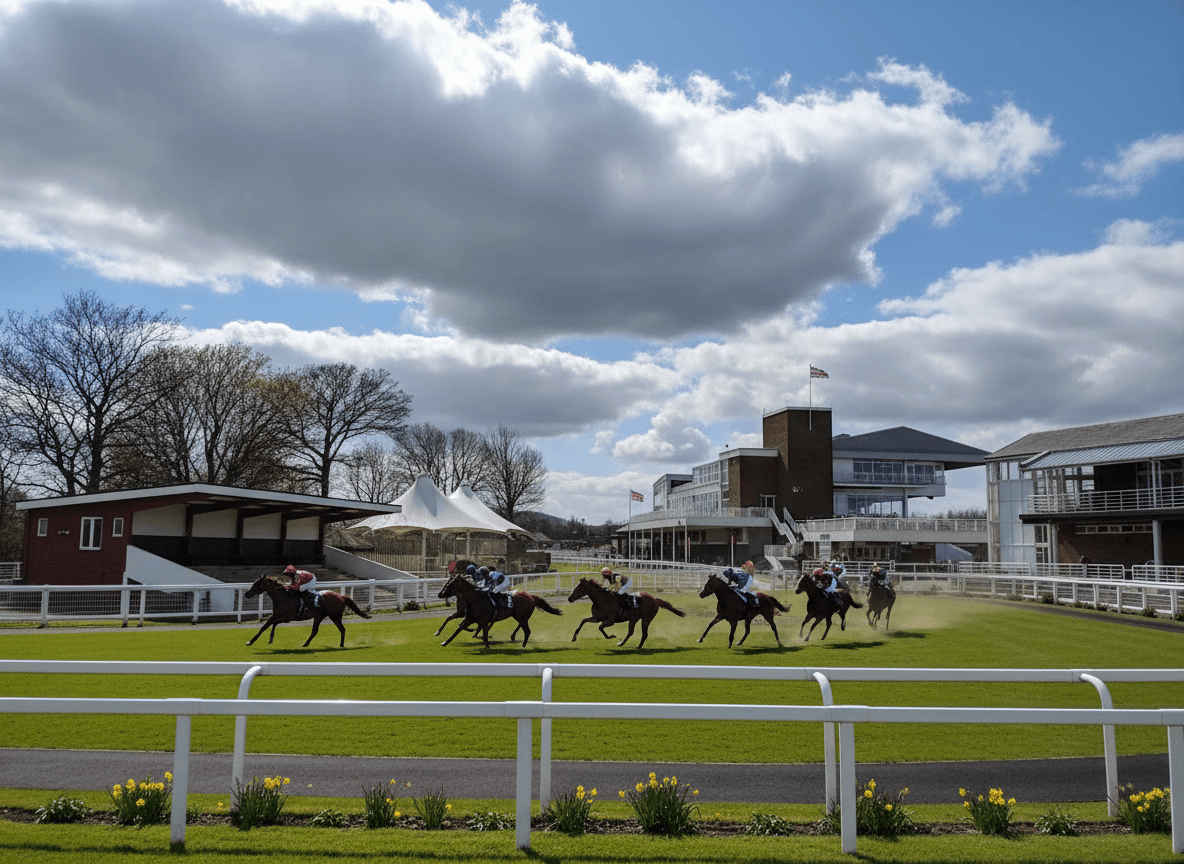
A Course Worth Knowing
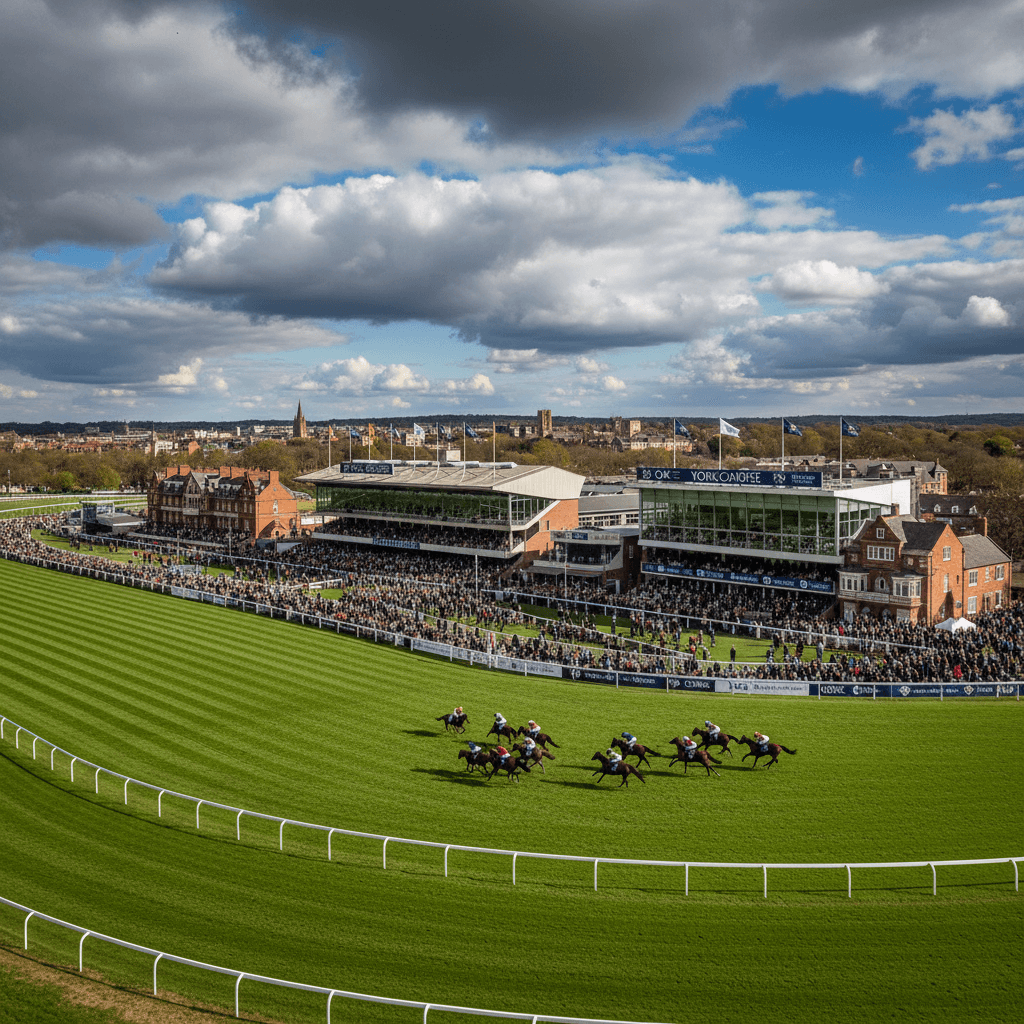
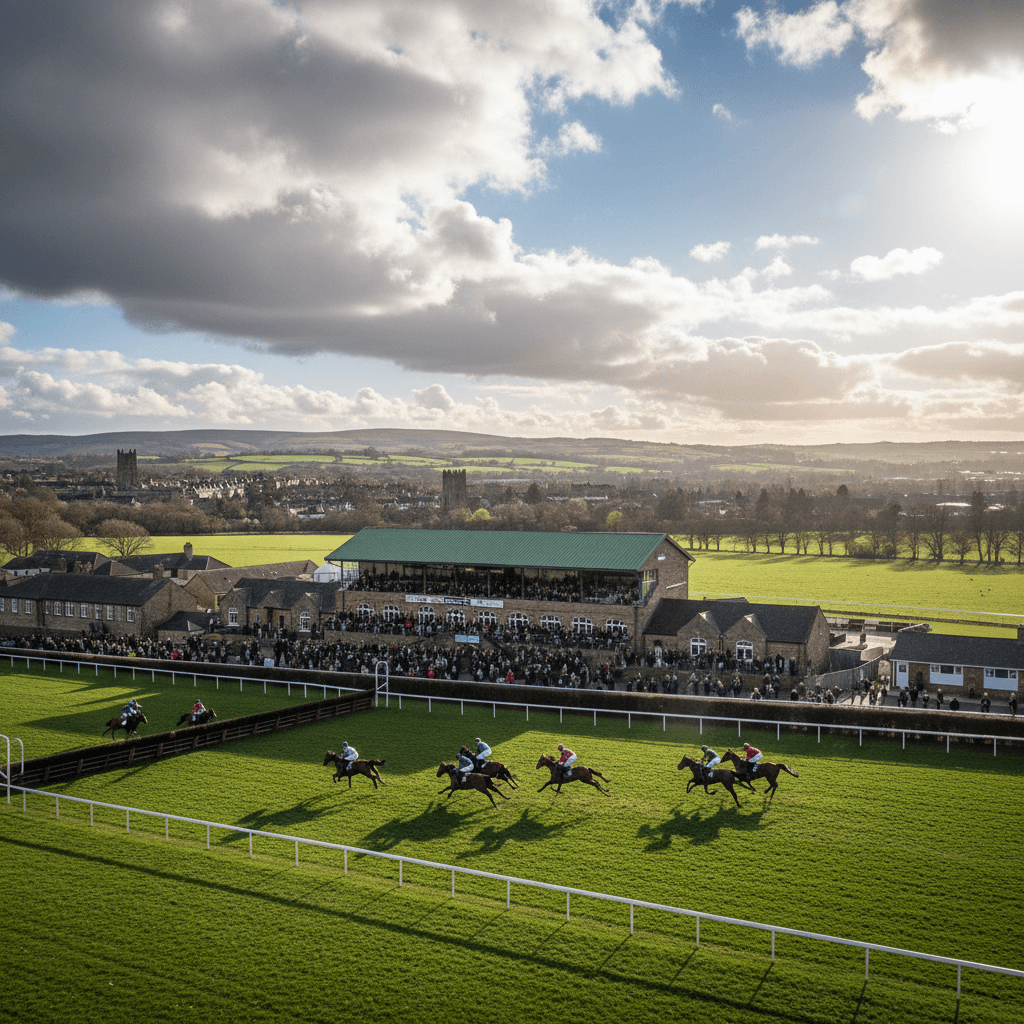
There is something quietly singular about Redcar. Tucked into the North Yorkshire coastline, where the air carries a faint salt edge and the grandstand looks out over a landscape that hasn't changed dramatically in a century and a half, this is a racecourse that has never needed to shout about itself. It has been staging flat racing since 1872 and has accumulated, across those decades, a kind of unpretentious authority that the flashier venues on the southern circuit rarely achieve.
Redcar is the sort of place where a horse can run an honest race and be seen clearly for what it is. The track is fair, the ground tends to be reliably well-managed, and the racing has a transparency to it — there are fewer excuses here than at many courses. That quality, perhaps more than anything else, is what makes it such a rewarding venue for the serious student of form.
It is also, it should be said, a genuinely pleasant place to spend an afternoon. The atmosphere is warm and accessible in a way that larger, more corporate venues sometimes struggle to replicate. Families, regulars, and newcomers to the sport all seem equally at home. For a first-time racegoer, Redcar may well be the ideal introduction. For the seasoned punter, it offers something more specific: a course whose characteristics, once understood, can be leveraged with some confidence.
This Week's Fixtures: Wednesday and Thursday
Redcar stages two afternoon fixtures this week, on Wednesday, 12 August and Thursday, 13 August, each card comprising six races across the full range of flat distances the course offers. Both days are currently forecast to race on good to firm ground — conditions that suit the track well and, as we will come to, suit a particular type of horse even better.
August at Redcar is a pleasant proposition. The course sits in its summer rhythm at this point in the season, drawing a mixture of northern stables looking to place horses in competitive but fair handicaps, trainers from further afield who know the track's reputation for honest ground, and a healthy sprinkling of two-year-old maidens and novice events that will, in some cases, be shaping the futures of horses we'll be watching for years to come. Six races across each afternoon card gives the day a comfortable pace — enough to hold interest without the relentlessness of a busier metropolitan fixture.
Understanding the Track: Shape, Distance, and the Straight
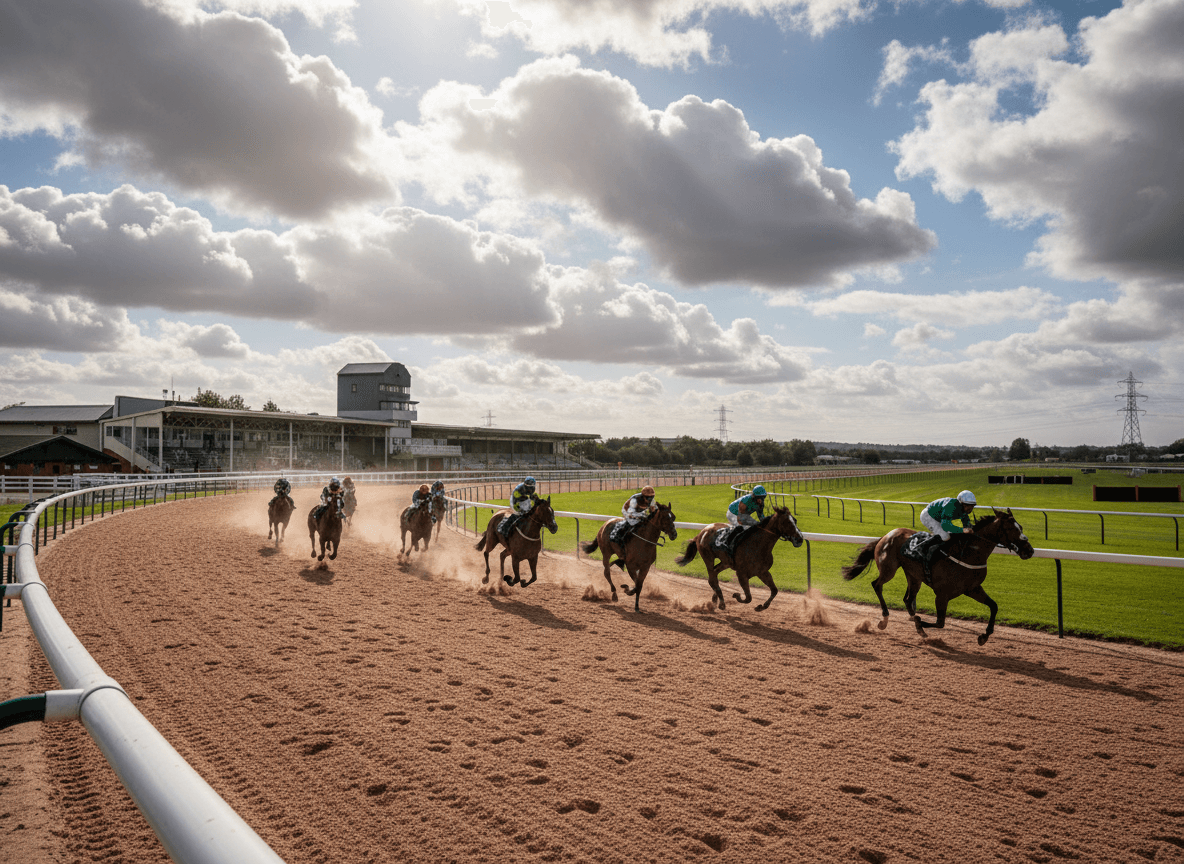
Redcar is a left-handed, pear-shaped circuit of approximately a mile and four furlongs. That shape matters. The turns are gradual rather than tight, which means horses don't need to be especially nimble or handy — they need to be able to gallop. This is, fundamentally, a galloping track, and it rewards horses built for sustained forward momentum rather than sudden acceleration through a gap.
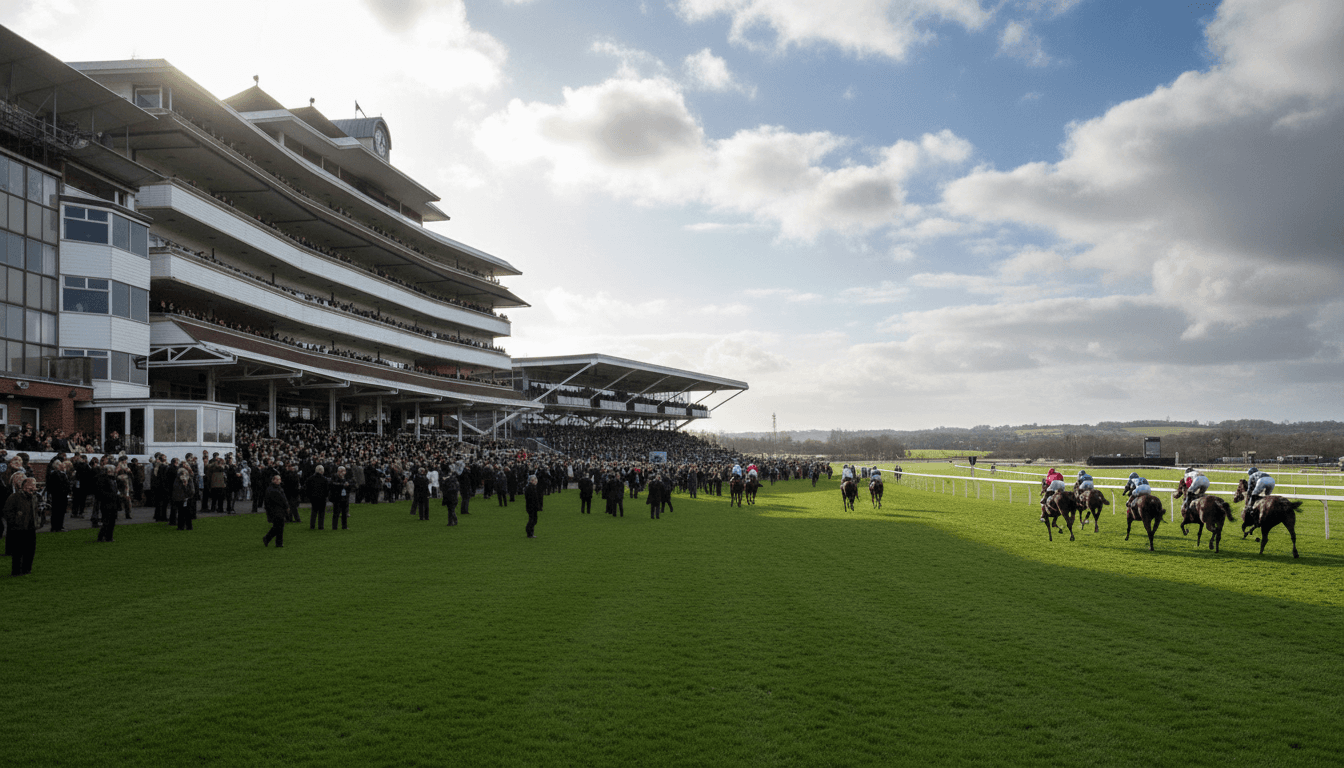
The feature of the course that most distinguishes it is the long, straight finishing run. At around five furlongs in length, it is one of the most generous run-ins in northern flat racing. What this means in practice is that horses who hit the front too soon can be vulnerable — the straight is long enough for a well-rated closer to reel them in — but it also means that a genuinely strong galloper who travels well through the race and kicks at the two-furlong pole can build an advantage that holds. Timing the challenge matters here. Horses who travel smoothly and pick up efficiently tend to outperform those who need a prolonged grind.
Draw Bias: The Numbers Worth Knowing
On good to firm ground, draw bias at Redcar is most pronounced in sprint races, particularly over five and six furlongs. The general tendency favours higher-drawn horses in sprints, particularly when the field is large — the camber of the track and the way the field naturally fans out in the straight tends to benefit those racing towards the stands rail. This is not an absolute rule, and it softens considerably as the ground dries and the pace of the race increases, but it is a factor worth weighing when the draw cards are published.
Over middle distances — seven furlongs, a mile, and beyond — the bias becomes much less significant. The longer run into the first bend allows the field to settle and the draw's influence dissipates over the course of the race. Here, position in running and how a horse travels through the contest matters far more than stall number.
What Type of Horse Thrives at Redcar?
The honest answer is: horses that are honest themselves. Redcar does not flatter. The long straight exposes those who carry their head awkwardly, hang under pressure, or lack the constitution to maintain their effort. Conversely, it rewards the straightforward, the genuine, and the well-conditioned.
On good to firm ground specifically, horses with a high cruising speed — those who can travel comfortably at a strong pace without being asked for everything early — tend to excel. The ground quickens the surface and sharpens the demands on a horse's action; those with a clean, fluent stride who handle quicker conditions are at an advantage over those who need cut in the ground to show their best.
In terms of breeding, horses with a Galileo influence often handle the track's galloping nature well over middle distances, while the sprint races have historically been kind to horses carrying speed through the dam's side — mares with a Danehill or Pivotal thread in the pedigree. Two-year-olds making their debuts at Redcar are worth watching carefully; the course's fair nature means their performances tend to be reliable guides to future ability, more so than a sharp, undulating track where inexperience can distort the picture.
Pace Scenarios to Consider
With good to firm ground expected across both days, races are likely to be run at a genuine pace, which suits hold-up horses and closers more than it might on a slower surface. When the ground is quick and the early fractions are honest, the race tends to stretch out naturally and those coming from off the pace have time and space to deliver their challenge down that long straight. Be wary of short-priced front-runners in large-field sprints this week; the combination of quick ground, a strong draw effect, and a long run-in creates conditions where the pace can be found out.
Practical Tips for Attending and Betting
- Arrive in good time. Redcar's paddock is compact and genuinely informative — horses show well before their races and a few minutes spent watching the pre-parade ring can be worth more than an hour of form study. Horses who are calm, well-muscled, and moving freely through their walk tend to run to their ability here.
- Check the draw as soon as racecards are published. Particularly in sprint handicaps, stall position can shift a horse's chances meaningfully. A well-handicapped horse drawn low in a big-field five-furlong race deserves a discount; the same horse drawn high may be considerably more attractive.
- Watch the market moves. Redcar attracts sharp northern stables who know their horses well and place them carefully. Significant moves in the betting — particularly for horses trained by yards with strong Redcar records — are worth noting.
- Consider each-way value in the handicaps. The long straight at Redcar tends to produce well-spread finishes rather than tight bunches, which means placed horses are often genuine each-way propositions rather than unlucky losers. Three places are typically paid in fields of eight or more.
- Enjoy the course itself. The sea air, the relaxed atmosphere, and the quality of racing on offer make Redcar one of the more underrated days out in the northern flat calendar. It rewards attention, but it also simply rewards being there.
In Summary
Two afternoons of summer flat racing on good to firm ground — there are worse ways to spend the middle of August. Redcar offers the kind of racing that repays careful study: a fair track, honest ground, and a long straight that tends to sort horses out on merit. Whether you're attending in person or following the cards from home, the fixtures on Wednesday and Thursday offer twelve races across two days that are worth your full attention.
Keep an eye on the draw in the sprints, favour horses with a clean action on the quick ground, and watch for the well-placed handicapper dropping in from a yard that knows this track. Redcar has been rewarding those who pay attention since 1872. There is no reason to think this week will be any different.