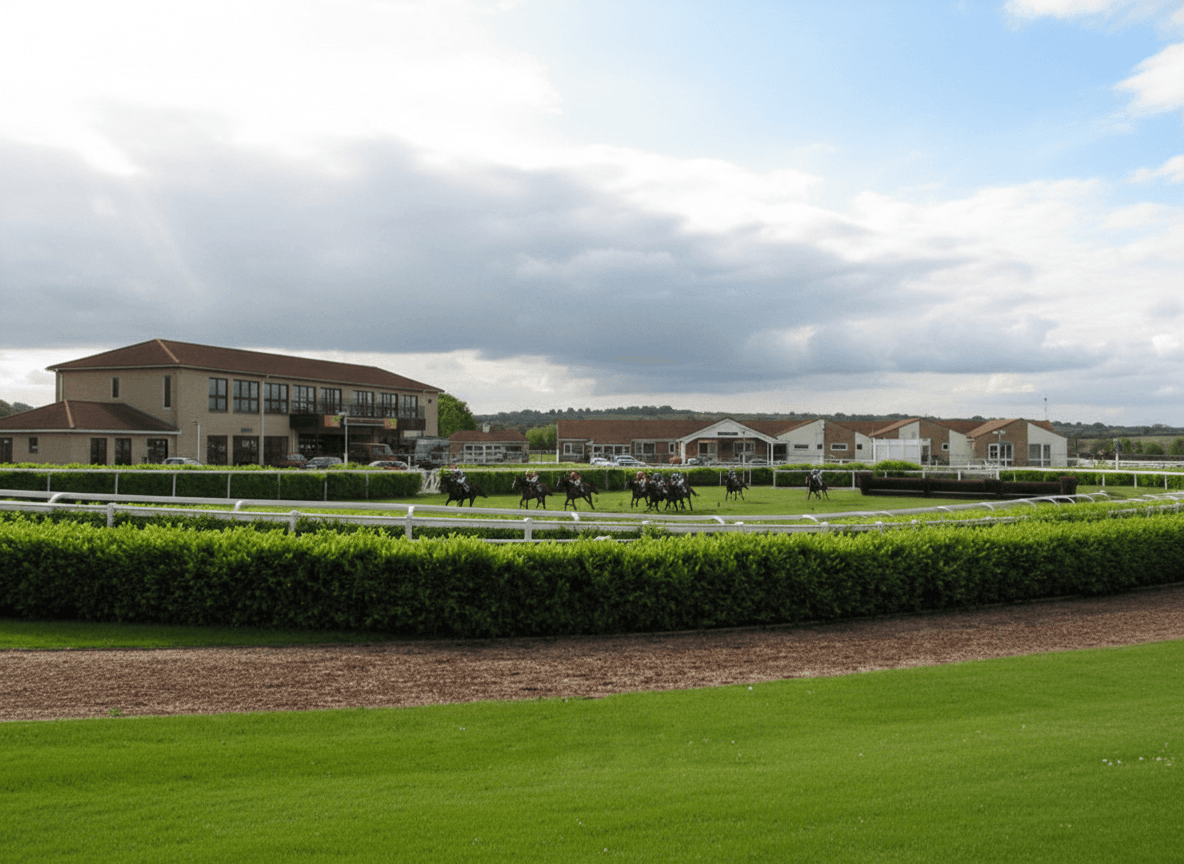
A Somerset Institution
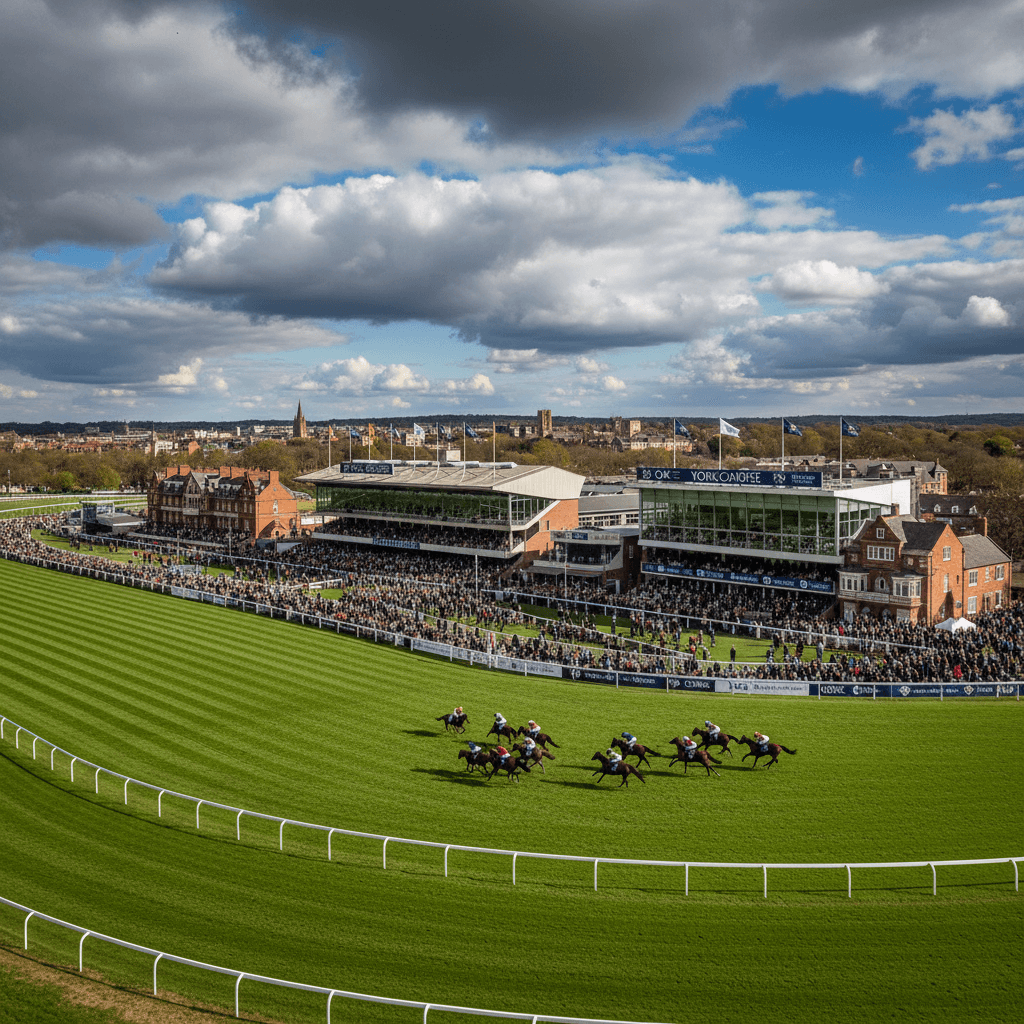
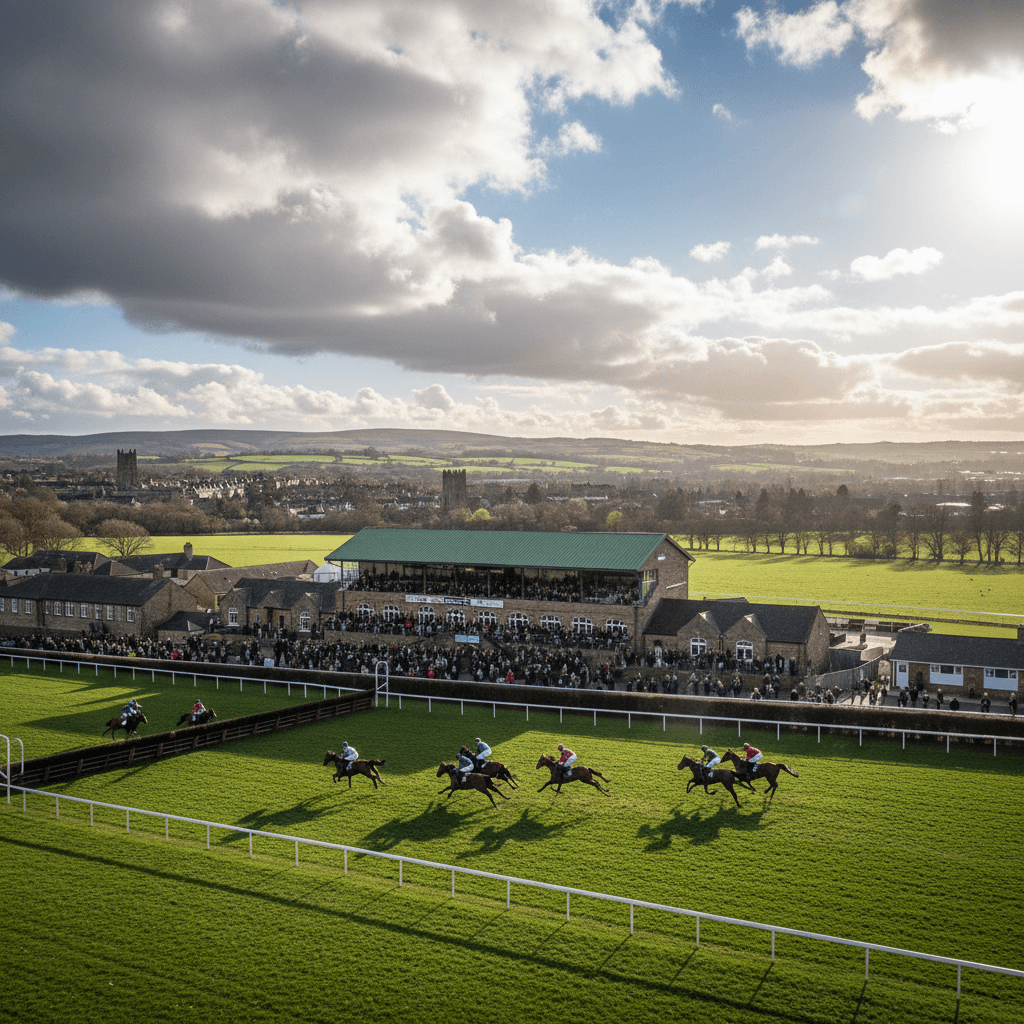
There are racecourses that exist, and there are racecourses that endure. Wincanton belongs firmly in the second category. Tucked into the rolling farmland of Somerset since 1890, it has quietly accumulated more than a century of jump racing history without ever feeling the need to announce itself too loudly. That restraint is, in many ways, the point. Wincanton is a course that rewards those who pay attention — the kind of place where a sharp-eyed observer standing near the paddock rail on a winter afternoon can feel the weight of everything that has happened here before.
The course is right-handed and undulating, running to approximately one mile three furlongs per circuit. Its turns are relatively sharp by National Hunt standards, and the uphill finish is genuinely demanding — not brutal, but honest. Horses that win here tend to earn it. The fences are fair and well-presented, but they require respect. More than one well-fancied traveller from a bigger yard has come unstuck by treating Wincanton as a formality. It rarely is.
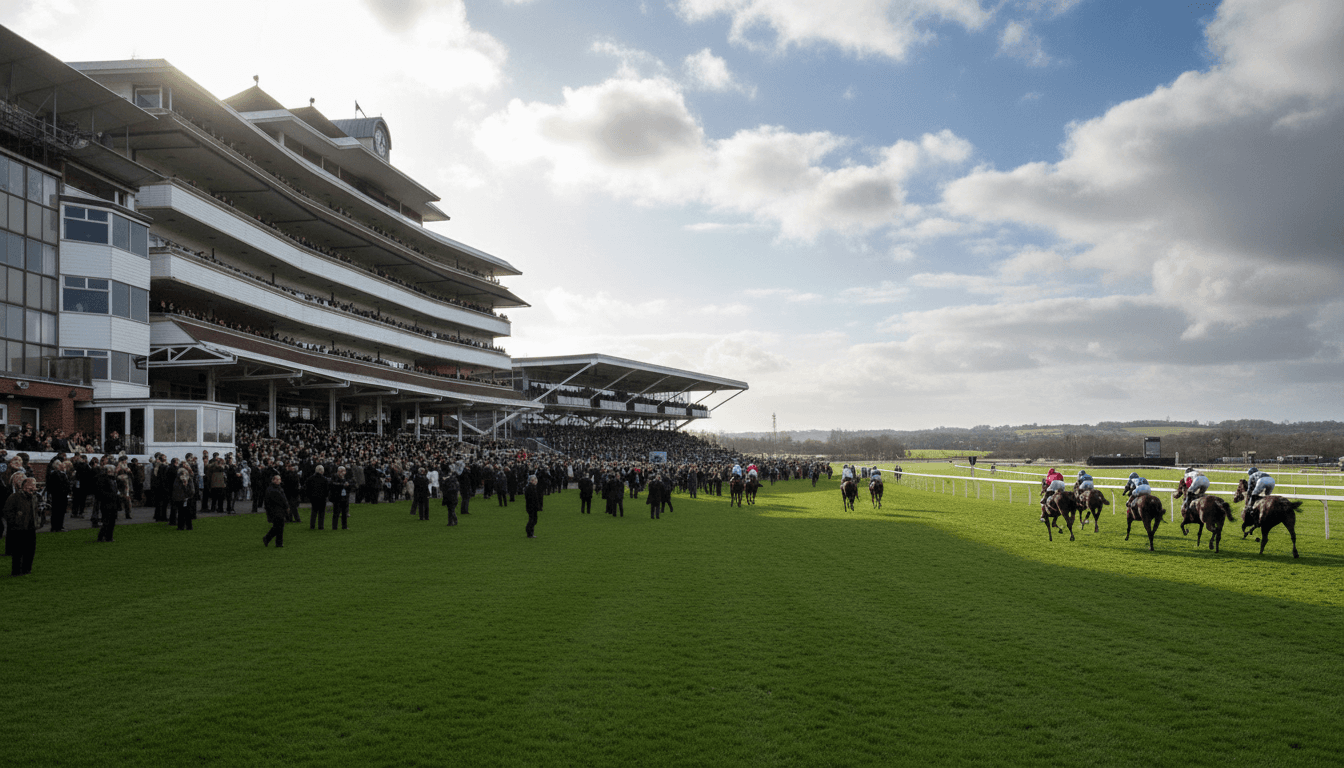
Beyond the track itself, there is the atmosphere. Friendly is an overused word in racing, but at Wincanton it is simply accurate. The crowd tends to be knowledgeable without being intimidating, the facilities are unpretentious, and there is a genuine sense that everyone present — from the trainer leading up a debutant to the retired farmer studying his racecard — is there because they love the sport. It is, in the best possible sense, a local course that happens to stage racing of real quality.
This Week's Fixtures
Wincanton offers two evening fixtures this week, framing the August bank holiday with a neat symmetry. The first card takes place on Monday, 24 August, followed by a second six-race evening on Saturday, 29 August. Both are Flat meetings — a reminder that while Wincanton's identity is rooted in National Hunt, the summer months bring a different kind of racing to Somerset.
The going is reported as Good to Firm, Good in places for both fixtures, with a soil moisture reading of 42. That is a surface that will suit horses with a turn of foot rather than those who need give underfoot to show their best. On ground like this, the emphasis shifts towards class and efficiency of movement. Horses that travel smoothly through their races and find their stride without fuss tend to be rewarded.
Evening racing at Wincanton in late August has a particular quality to it — the light softens over the Somerset hills, the crowd is relaxed, and there is an end-of-summer ease to proceedings that makes it one of the more enjoyable ways to spend a Monday or Saturday evening. Both fixtures carry six races, which gives the cards a focused, unhurried feel without overstaying their welcome.
Reading the Track: What the Course Rewards
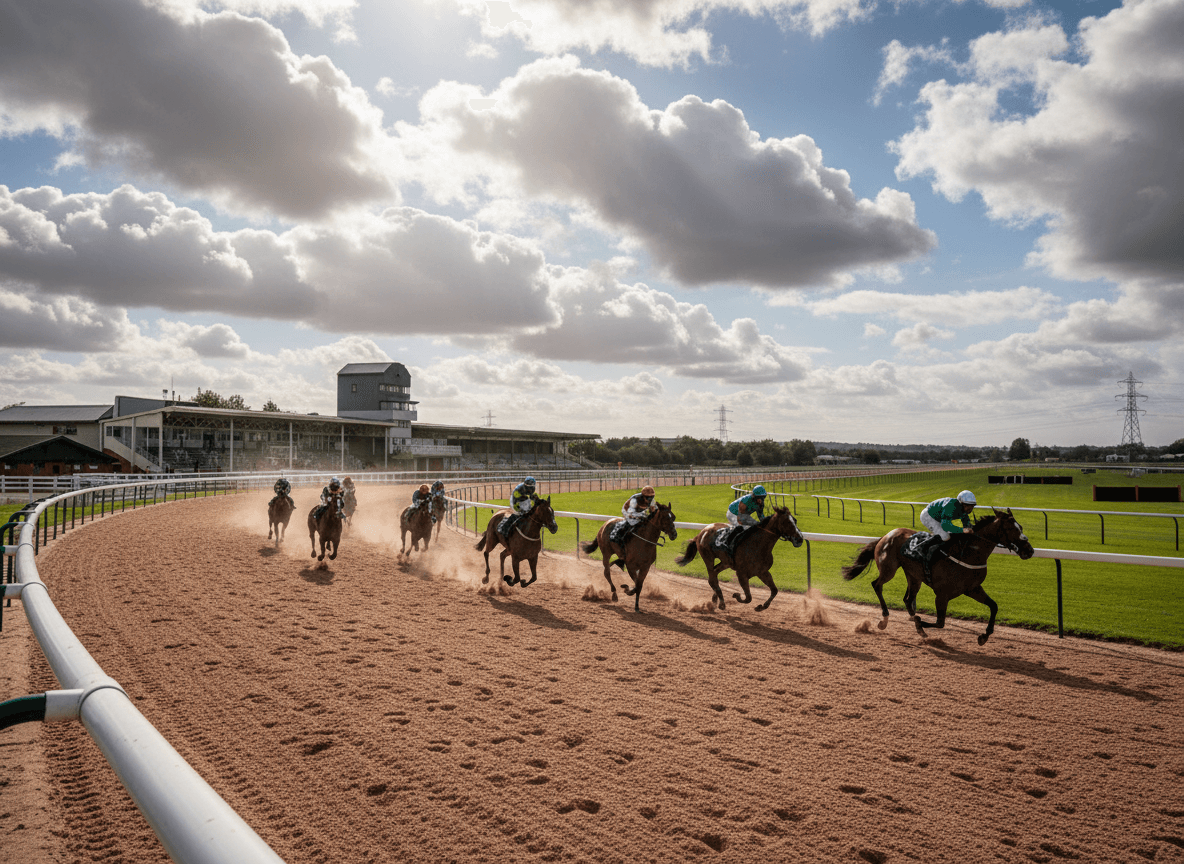
On the Flat at Wincanton, the right-handed configuration and undulating nature of the track place a premium on horses that handle a turning, galloping course well. This is not a track for those who need a long, straight run to wind up — the bends come around quickly enough that horses must be balanced and responsive throughout.
On ground riding Good to Firm, pace becomes a significant factor. Races run at a strong tempo on quick ground tend to stretch fields out early, and horses that can race prominently without burning their reserves are at a natural advantage. Conversely, if the early pace is modest, the race can compress into the final two furlongs, and that is when a horse with a genuine late kick — ideally one that has been covered up and saved for the finish — can produce something decisive.
Draw Considerations
On a right-handed, oval track of this nature, draw biases on the Flat can be subtle but worth considering. In smaller fields, the draw matters less. In larger, competitive handicaps, horses drawn towards the inside on the rail can find the shorter route around the bends beneficial, particularly as the ground dries out and the going becomes more consistent across the track. It is worth checking field sizes and race distances on the racecard before forming strong draw-based opinions, but as a general rule, do not dismiss low draws on the inside on fast ground.
The Uphill Finish
The stiff finish at Wincanton is one of its defining characteristics, and it applies equally in the summer as it does in the depths of winter. Horses that idle when they hit the front — a common trait in younger or less experienced animals — can be caught late here. Conversely, a horse with a genuine, sustained gallop through the final furlong is always dangerous, even if it appears to be getting there late. The finish sorts horses out honestly.
The Type That Tends to Thrive
On the Flat at Wincanton in summer conditions, certain profiles recur among the winners. Look for:
- Horses with proven course form. Wincanton is not the most frequently visited summer Flat track, which means course winners carry genuine significance. A horse that has already won or run well here has demonstrated it handles the track's particular demands.
- Prominent racers on quick ground. With the going Good to Firm, horses that race handily and can dictate or sit just off the pace are well-positioned. Waiting tactics can work, but they require a horse with a sharp, reliable turn of foot.
- Well-handicapped travellers from stronger yards. Wincanton's summer Flat cards attract runners from across the south and west of England. Horses dropping in from slightly better company, or those whose handicap mark has drifted to a workable level, are worth a second look.
- Horses that stay their trip comfortably. On a turning, undulating track, a horse running comfortably within itself for the first half of a race is far better placed than one that has had to work hard to keep up. Efficiency of effort is rewarded here.
Practical Notes for Racegoers and Punters
If you are attending either fixture, Wincanton is straightforward to reach from the A303 and offers good parking. Evening meetings tend to draw a sociable crowd, and the relaxed atmosphere makes both cards well-suited to those bringing guests who are newer to racing. The paddock is accessible and well-positioned — spend time there before each race if you can. On fast ground, the way a horse moves in the paddock and on the way to post can tell you a great deal about how comfortable it is likely to be with the conditions.
For those betting from home, it is worth noting that six-race evening cards can be volatile. Fields are often competitive, and the absence of a dominant market leader in several races is common. In those circumstances, each-way value in handicaps is often more reliable than chasing short-priced favourites. Look at the Monday racecard and the Saturday racecard carefully for races where the form of the top two or three in the market is closely matched — those are the contests where a well-priced each-way selection can make the most sense.
A Quiet Word in Favour of Wincanton
It would be easy to overlook Wincanton's summer Flat cards in favour of the bigger meetings elsewhere this bank holiday week. That would be a mistake. There is something genuinely pleasurable about an evening at a course like this — compact, honest, and unhurried. The racing is competitive, the setting is lovely, and the track itself asks real questions of the horses that run on it.
Wincanton has been producing moments worth remembering for well over a hundred years. This week, quietly and without fanfare, it will add a few more. That is reason enough to pay attention.