Setting the Scene: Why the Crocker Bulteel Matters
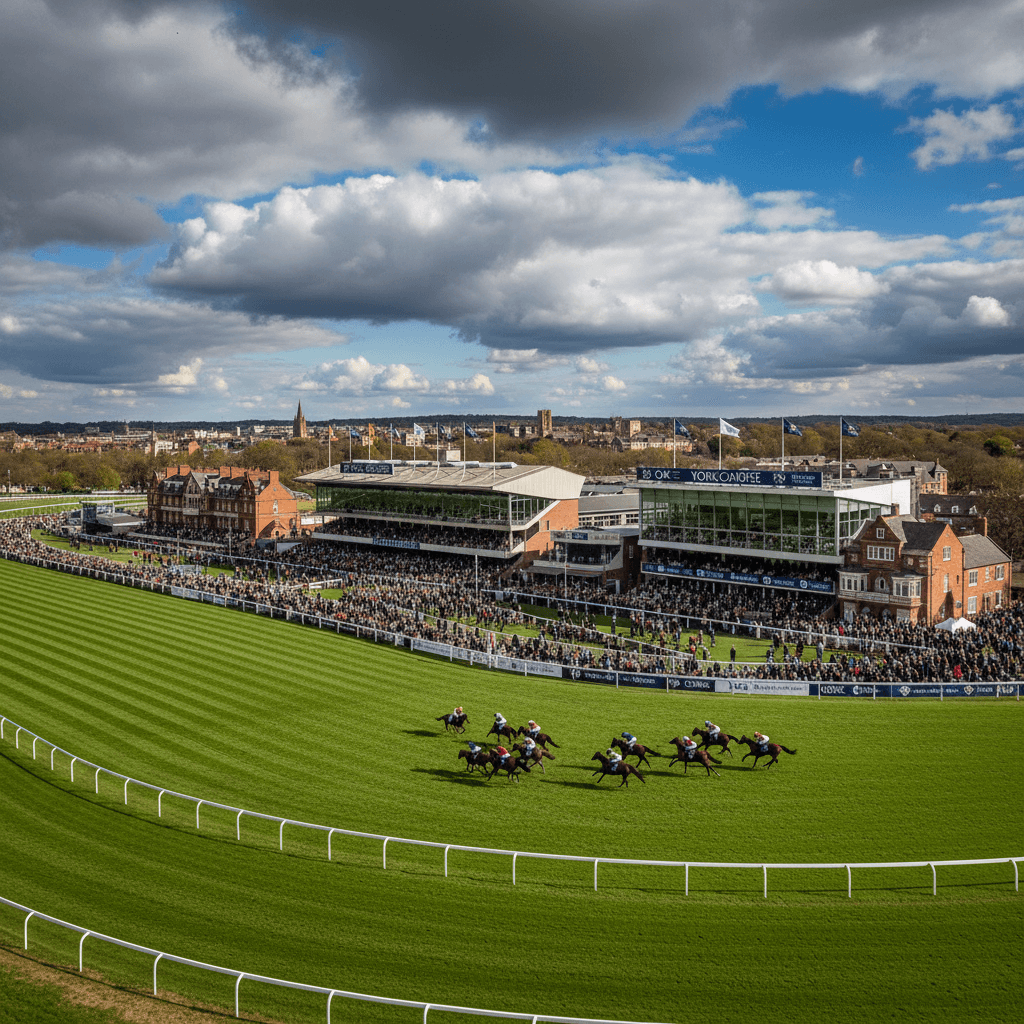
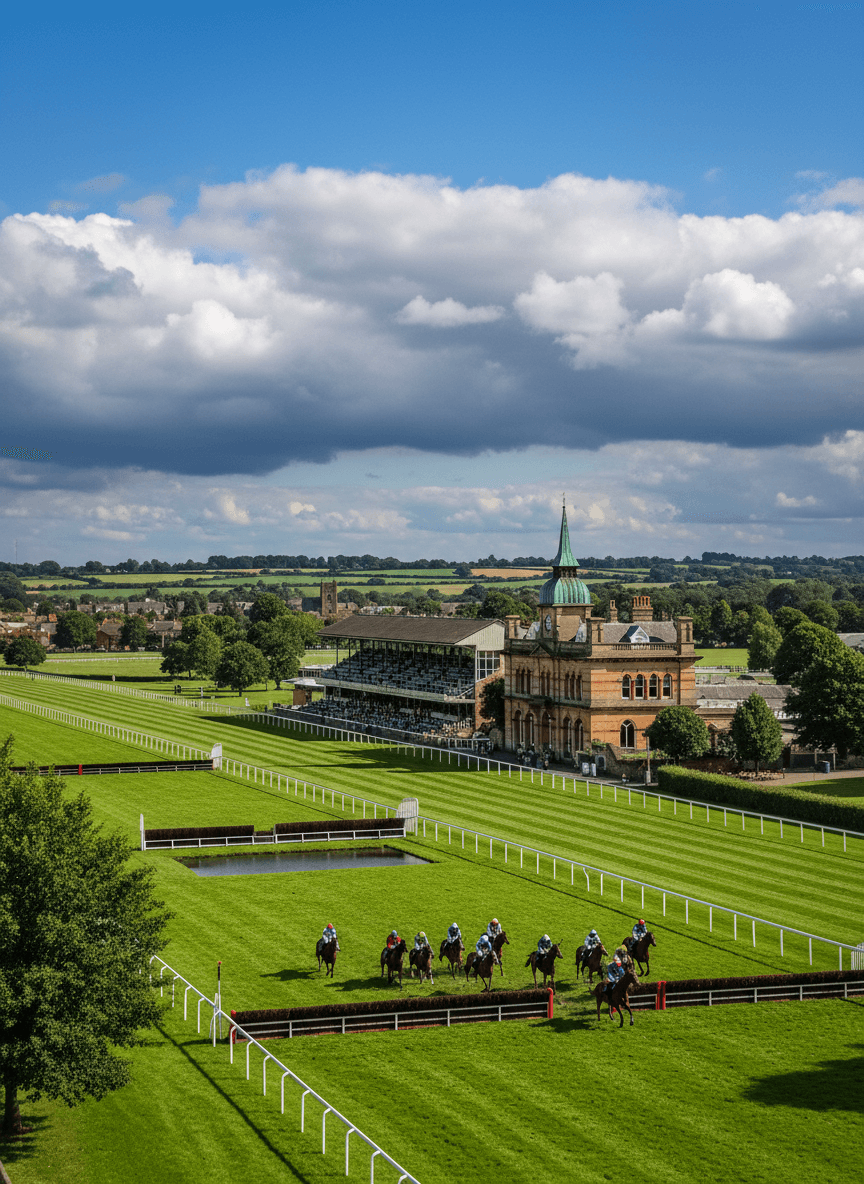
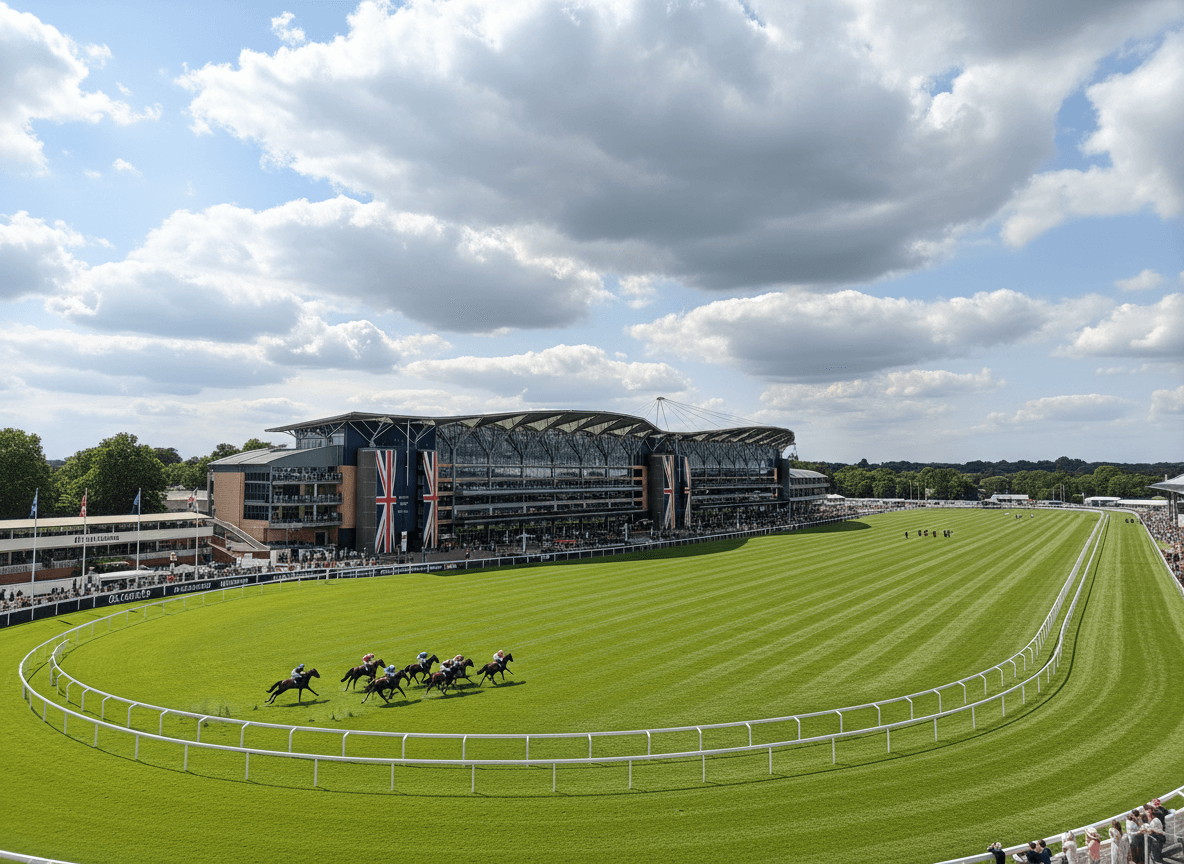
There are maiden races, and then there are maiden races. The Dentakay EBF Crocker Bulteel Confined Maiden Stakes at Ascot firmly belongs in the second category. Run over six furlongs on the straight course on a July Saturday, this Class 2 contest has long served as a shop window for juveniles with genuine potential. The prize fund of £50,000 tells you everything — connections don't bring ordinary horses here. They bring animals they believe can go on to better things.
The 'Confined' tag means these are horses that haven't run more than once before, so we're dealing with a mix of debut runners and once-raced types. That makes handicapping tricky, but it also makes it exciting. With nine declared and the going riding Good to Firm (goingstick 8.0 on the stands side), conditions are sharp and unforgiving. On a day like this, you want a horse that can handle quick ground and travel kindly — ability will out, but temperament matters too at this level.
Check the full Ascot racecard for the complete day's action.
Contender-by-Contender Breakdown
Perfect Strike (Draw: 2) — William Haggas / Tom Marquand
Start here. William Haggas sending a juvenile to the Crocker Bulteel is rarely accidental. The Somerhill trainer has an outstanding record with well-bred two-year-olds on fast ground, and Perfect Strike, drawn in stall 2, gets a dream pitch on the stands rail in these conditions. Tom Marquand has developed into one of the most reliable juvenile jockeys in the country — he doesn't panic, he doesn't overcook them, and he knows Ascot's straight six inside out. If Haggas has sent this one here ready to win, the low draw is a significant advantage. This is my idea of the one to beat.
Never Enough (Draw: 5) — Ed Walker / William Buick
Ed Walker has been quietly assembling one of the more dangerous juvenile strings in the south, and Never Enough carries the confidence of a yard in form. William Buick in the saddle is self-explanatory — he's the benchmark for big-race juveniles right now, and his association with Walker has produced winners at this kind of level before. Stall 5 is workable on the stands side, and on Good to Firm ground, Walker's horses tend to travel well. The concern is simply that we don't know enough yet — but Buick's presence suggests the team fancy their chances.
Izuba (Draw: 8) — Andrew Balding / Oisin Murphy
Andrew Balding and Oisin Murphy are a formidable pairing, and Izuba is clearly held in some regard to warrant this engagement. The slight worry is the draw — stall 8 of 9 is not ideal on the stands side at Ascot over six furlongs in fast conditions. Murphy is good enough to compensate for a wide draw, but it's a factor worth pricing in. Balding's juveniles often improve sharply from their first start, so if this is a debut run, expect the horse to be sharper next time. That said, Balding doesn't pitch horses into Class 2 company just for the experience — there's intent here.
Tumishi (Draw: 3) — James Fanshawe / Daniel Muscutt
James Fanshawe is one of the most underrated trainers of juveniles in Newmarket, and Tumishi in stall 3 has a favourable pitch. Fanshawe's horses tend to be well-schooled and relaxed — important qualities on a busy July Saturday at Ascot when the atmosphere can unsettle a young horse. Daniel Muscutt is a capable partner and knows how to ride a waiting race. If Tumishi has any ability at all, the conditions and draw set him up nicely to show it. Worth including in any multiple.
Crazee In Havana (Draw: 4) — Eve Johnson Houghton / Charles Bishop
Eve Johnson Houghton continues to punch above her weight in juvenile races, and Crazee In Havana draws well in stall 4. Charles Bishop is a shrewd operator who rarely gets on a horse without believing it has a chance. The name suggests a dash of personality, and Johnson Houghton's horses often improve considerably from their first outing. Don't dismiss this one at a price — the trainer has a habit of landing these mid-summer juveniles at decent odds.
Astralite (Draw: 6) — Harry Charlton / Cieren Fallon
The gelding in the race — which in itself tells a story, as connections have clearly decided the racing future matters more than the breeding one. Harry Charlton is a solid handler of precocious types, and Cieren Fallon is an underestimated talent who rides Ascot well. Stall 6 is acceptable. The gelding's constitution might actually help here — they can be more straightforward mentally than colts at this age, particularly on a quick surface where you need them to switch off and travel.
Going and Draw: The Critical Factors
A goingstick reading of 8.0 on the stands side tells you this is proper fast ground — the kind that rewards horses with a clean, efficient action and punishes those that need cut. On the Ascot straight six, the stands rail is the place to be, and stalls 1 through 5 all have a legitimate chance of getting across to that favoured ground. Stalls 6, 7 and 8 will need their jockeys to make a decision early — do you push across and use energy, or track across gradually and hope the pace plays into your hands?
In recent renewals of similar races on this course and going, low-to-mid draws (1-5) have a measurable advantage. Perfect Strike (2), Tumishi (3), Crazee In Havana (4) and Never Enough (5) all sit in that sweet spot. Ahoy in stall 9 and Izuba in stall 8 face the stiffest task in terms of draw, though ability can overcome geography on a day when the pace is strong and the field fans out.
Value Picks and Dangers
The value in this race is likely to sit with the Haggas and Walker runners, who will attract market support but may not be as short as their reputations suggest given the unknown quantities involved. If you're looking for an each-way play at a bigger price, Crazee In Havana is the one — Eve Johnson Houghton's record in these July juvenile races is better than her odds typically reflect, the draw is ideal, and Bishop is a jockey who knows how to deliver a horse fresh.
- Main danger: Never Enough — Buick doesn't take these rides lightly
- Each-way value: Crazee In Havana — favourable draw, shrewd handler
- Watch the market: Tumishi — Fanshawe quietly fancies these
- Wide draw concern: Izuba and Ahoy both need to overcome their stalls
Verdict and Selection
I've gone back and forth on this, but I keep coming back to Perfect Strike. William Haggas targeting a £50,000 Class 2 juvenile maiden with a horse drawn on the stands rail in perfect conditions is as close to a deliberate strike as you'll find in this game. Tom Marquand will ride him cold, let the race develop, and ask the question in the final two furlongs. If the horse has the ability to match the intent — and Haggas rarely gets this wrong — he should be crossing the line first.
Never Enough is the one I'd want alongside him in a forecast, and Crazee In Havana is the each-way shout for those looking for a return at a bigger price. But my single selection is Perfect Strike — trained for this, drawn for this, ridden for this.
Selection: Perfect Strike (e/w: Crazee In Havana)
Who is the favourite for the Dentakay EBF Crocker Bulteel Confined Maiden Stakes 2026?
At the time of writing, the market hasn't fully formed given the number of once-raced and debut runners in the field. However, Perfect Strike (William Haggas / Tom Marquand) and Never Enough (Ed Walker / William Buick) are expected to attract the most support given the calibre of their trainers and jockeys. Haggas and Buick's involvement will keep both horses short in the market, so early prices may represent the best value if you agree with the assessments above.
Does the draw matter in the Crocker Bulteel Maiden at Ascot?
Yes — significantly. On the Ascot straight six furlongs in Good to Firm conditions, the stands rail is the favoured ground and low-to-mid draws (roughly stalls 1-5) have a proven statistical edge. With a goingstick reading of 8.0, the ground is riding quick and that advantage is amplified. Horses drawn in stalls 7, 8 and 9 can still win, but their jockeys need to work harder to find the best ground, which costs energy and can blunt a finishing effort in a race this competitive.
Is the Crocker Bulteel Maiden a good guide to future star juveniles?
Historically, yes. The race's Class 2 status and £50,000 prize fund attract serious entries from top yards, and winners have gone on to pattern-race success in subsequent seasons. The 'not run more than once' condition means you're often seeing horses at the very beginning of their careers, which adds intrigue — but also means the best guide is trainer intent and breeding rather than a deep form book. Horses that win here with authority, particularly on fast ground, often develop into genuine Group-race contenders by the following spring.