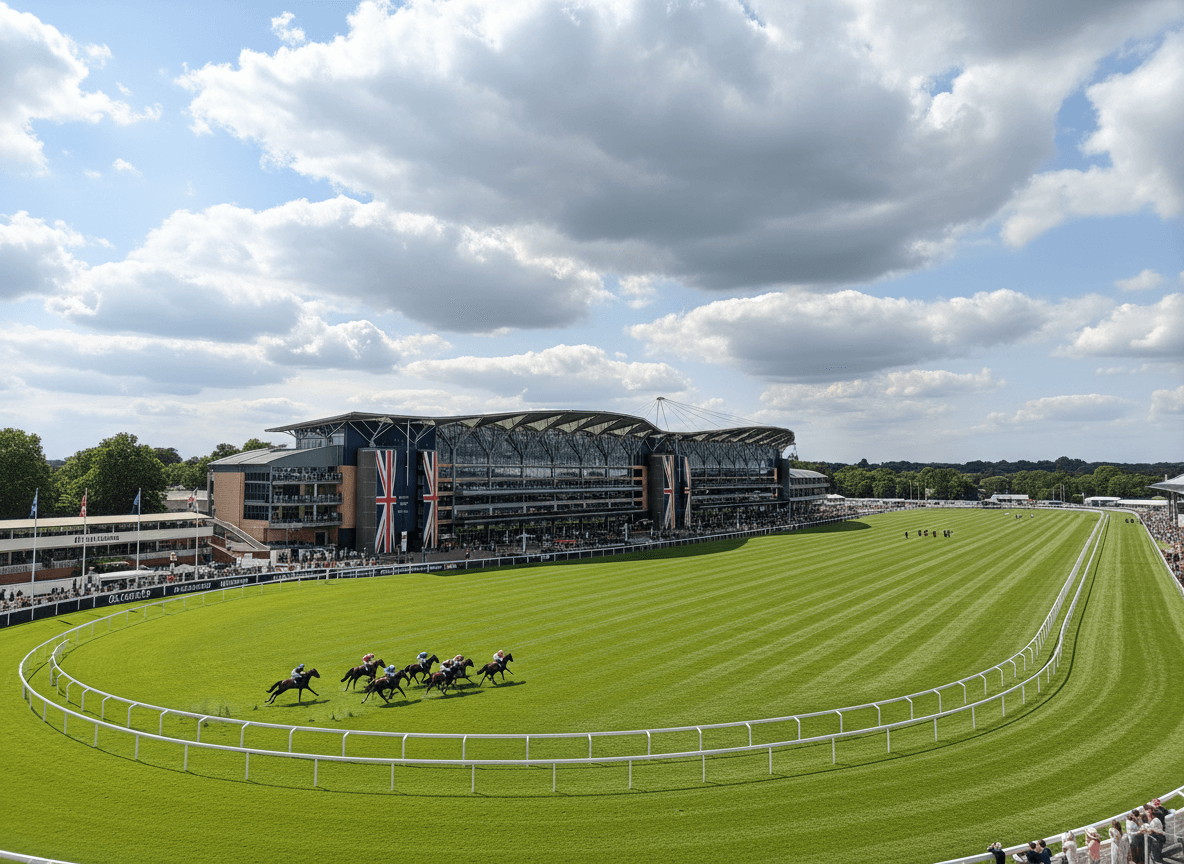
The Fastest Juveniles on the Planet — The Norfolk Stakes in Context
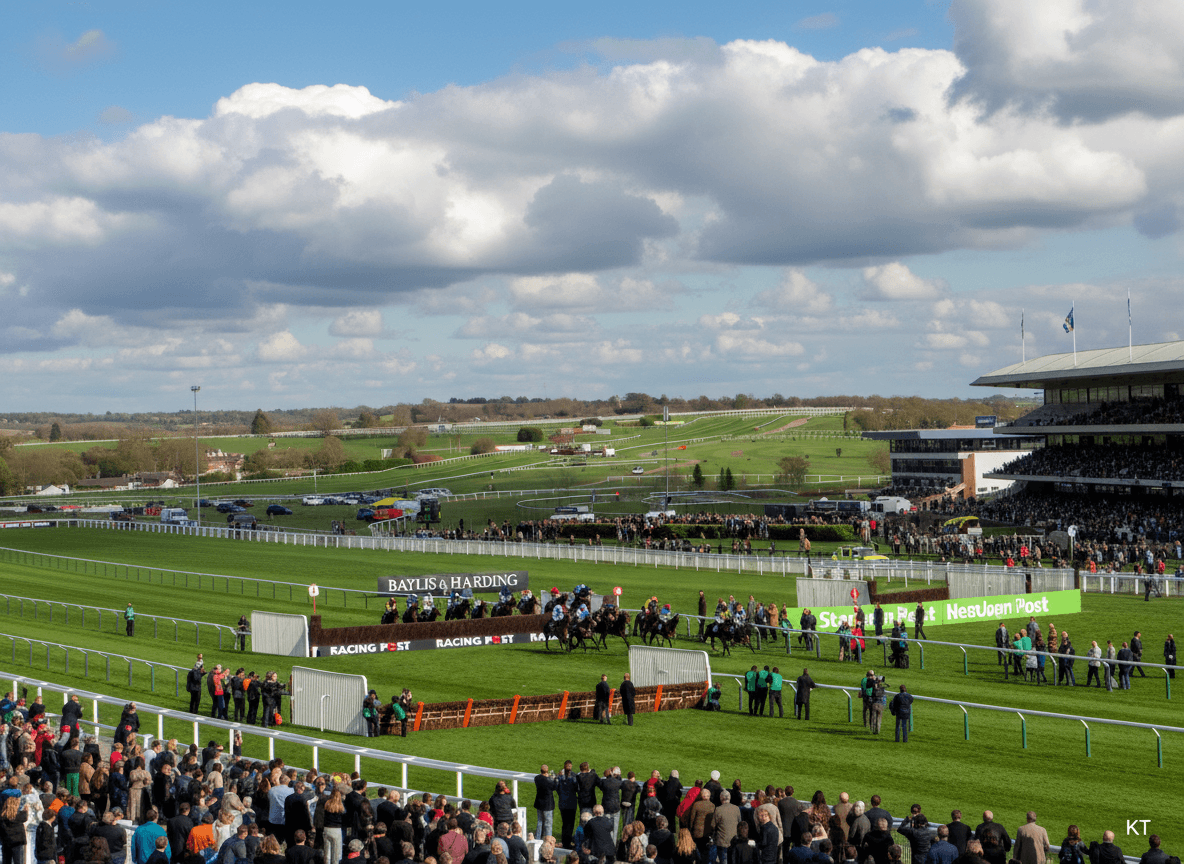
There are few sights in racing quite like the Norfolk Stakes field loading into the stalls on a sun-baked Royal Ascot afternoon. Twenty-one two-year-olds, most of them with barely a handful of starts between them, about to find out whether that early promise was the real thing or just a warm morning on a quiet track. The Norfolk is the purest test of raw juvenile speed on the British calendar — five furlongs, Group 2 prize money of £175,000, and a reputation that has launched some serious careers.
This year's renewal at Ascot on Saturday 20 June looks as competitive as any in recent memory. The going is Good to Firm — the goingstick reading 9 on the stands side — which suits the speedier types and puts a premium on horses who have already shown they can quicken on a quick surface. With 21 declared, the draw and early positioning will matter enormously. Let's get into it.
Going and Draw: The Numbers You Can't Ignore
Good to Firm at Ascot over five furlongs is essentially a flat-out speed test. There's no give in the ground, so you want horses who travel fluently and don't need a soft surface to show their best. The stands rail is where you want to be — and with a goingstick reading of 9, that bias is likely to be pronounced. Historically at Ascot in these conditions, low-to-middle draws have an edge in big fields, though with 21 runners spreading across the width of the track, pace and position from the gate matter as much as the stall number itself.
Draws 1 through 10 look advantaged on paper, but watch for horses in the high teens and twenties who have shown a tendency to drift across and find the rail anyway. Force Noir (19), Savage Mariner (20) and Underdog (21) are all drawn wide and will need their jockeys to be proactive. It's not impossible from out there — but it's harder work.
The Main Contenders
Flight Signal (Draw 6) — James Doyle / Archie Watson
Start here. Flight Signal is a distance winner with a low draw and James Doyle in the saddle — a combination that makes plenty of sense on this ground. Archie Watson has a superb record with precocious types and he doesn't bring horses to Royal Ascot unless they're ready. Draw 6 is ideal: close enough to the rail to benefit from the stands-side bias without being buried in stall one. This is the horse I keep coming back to. He's already shown he handles five furlongs and Watson's operation will have had him sharp for this moment.
Carry The Flag (Draw 13) — Ryan Moore / Aidan O'Brien
Aidan O'Brien sends over Carry The Flag with Ryan Moore aboard, and you simply cannot dismiss a combination like that in a race of this stature. The draw at 13 is mid-field and workable. O'Brien has won this race before and knows exactly what it takes. What we don't have is a distance win on the form card, which is a minor concern — but Moore will have been given a very clear steer about this horse's ability at home, and Ballydoyle don't travel for the fun of it. Treat with respect.
New Yorker (Draw 9) — W.M. Lordan / Aidan O'Brien
O'Brien fires two into the race, which is worth noting. New Yorker wears a hood and sits in stall 9 — a decent enough draw. When a trainer runs two in the same race, one is usually the main hope and the other a pacemaker or second string. The hood suggests there may be a temperament question to manage, but Lordan is a capable handler of keen types. Keep him onside as a potential each-way runner if the market suggests he's the stable's second pick.
Social Symbol (Draw 18) — William Buick / Simon & Ed Crisford
Here's your each-way interest from a wide draw. Social Symbol is a distance winner and William Buick is one of the best big-field jockeys in the business — he'll know exactly how to position from stall 18 without burning unnecessary petrol. The Crisfords are meticulous trainers who rarely run a horse out of its depth at this level. The wide draw is the only real negative, but Buick has conjured winners from worse positions than this.
Orthodox (Draw 16) — Rossa Ryan / Clive Cox
Clive Cox is another trainer with an excellent record in early-season juvenile sprints and Orthodox arrives as a distance winner. Rossa Ryan has been in fine form and the horse's draw at 16 is manageable if he breaks cleanly. Cox tends to have his two-year-olds spot-on for their first big-race appearance and this horse has already shown the ability to win at the trip. Don't underestimate him.
The Wesley Ward Trio — Ez Tina (3), Fanshell Beach (11), Through The Years (15)
Wesley Ward brings three fillies across from the States and they all carry blinkers — his usual calling card. Ward has an extraordinary record at Royal Ascot with his American-trained speedballs, and on Good to Firm ground they are always dangerous. Fanshell Beach in stall 11 looks the most favourably drawn of the three and James McDonald is a world-class jockey who will know exactly what he's sitting on. Never, ever dismiss a Ward runner at Ascot. The fillies' weight allowance (9-0 vs 9-3) is a genuine advantage over five furlongs.
Value Picks and Dangers
If you're looking for a price, Where Love Lives (Draw 4, Kevin Stott, Kevin Ryan) is a distance winner from a very handy draw. Kevin Ryan is a master with sharp two-year-olds and Stott has developed into a reliable big-occasion jockey. Low draw, proven at the trip, underrated trainer — the ingredients are there for a bold show at a likely bigger price than the market leaders.
Underdog (Draw 21, Saffie Osborne, Richard Spencer) is the outsider worth a small each-way interest if the price is right. Distance winner, and Saffie Osborne has shown she can ride a race from a wide draw. Spencer is quietly progressive as a trainer. The name is appropriate but don't let that put you off.
- Flight Signal — ideal draw, proven at trip, excellent trainer-jockey combination
- Fanshell Beach — Ward's best-drawn runner, McDonald in the saddle, fillies' allowance counts
- Social Symbol — Buick from a wide draw, distance winner, Crisford quality
- Where Love Lives — each-way value, low draw, Kevin Ryan's sharpness with juveniles
My Selection
Flight Signal is my pick for the 2026 Norfolk Stakes. Draw 6 is as good as you'll find in a field of 21, Archie Watson has the horse primed — you can be certain of that — and James Doyle is exactly the type of jockey you want in a big-field sprint: patient, precise and deadly in the final furlong. The distance win already on the card removes the question mark that hangs over several rivals. On Good to Firm ground at Ascot, with the stands-side bias in play, this horse is in the right place at the right time.
Each-way: Fanshell Beach at a price. Ward's fillies always arrive fit and fast, McDonald is the perfect partner, and the weight allowance over five furlongs is more significant than many punters account for.
Check the full Ascot racecard for the latest market moves and any late scratchings before you commit your money.
Who Is the Favourite for the Norfolk Stakes 2026?
At the time of writing, the market hasn't fully formed given the size of the field and the number of unexposed juveniles involved. Carry The Flag (Ryan Moore / Aidan O'Brien) and the Wesley Ward trio are likely to attract significant support given their connections' reputations. Flight Signal and Social Symbol are expected to be well-backed once the market settles. Check back closer to the 14:30 off for the latest prices — markets in juvenile sprints can move sharply on the morning.
Does the Draw Matter in the Norfolk Stakes?
On Good to Firm ground at Ascot over five furlongs, yes — the draw absolutely matters. The stands-side rail is the place to be and with a goingstick reading of 9, the bias is likely to be meaningful. Low-to-middle draws (1-12 roughly) have a statistical advantage in big fields on fast ground. That said, with 21 runners, the pace of the race and how quickly each horse breaks from its stall can override draw disadvantages. Horses drawn wide need either a very fast break or a jockey willing to angle across early — both of which carry risk in a five-furlong dash where every stride counts.
Can Wesley Ward's American Fillies Win the Norfolk Stakes?
Absolutely. Ward has an almost mythical record at Royal Ascot — his horses arrive primed, fit and used to fast ground, and his fillies in particular carry a weight advantage that is genuinely significant over five furlongs. James Doyle has ridden Ward's horses to success at the meeting before, and with James McDonald aboard Fanshell Beach this year, the stable's best chance looks to be the filly drawn in stall 11. Don't let the American-trained tag fool you — these horses are the real deal, and Ward targets this race with the same precision he brings to everything he does at the Royal meeting.