Setting the Scene: Why This Race Matters
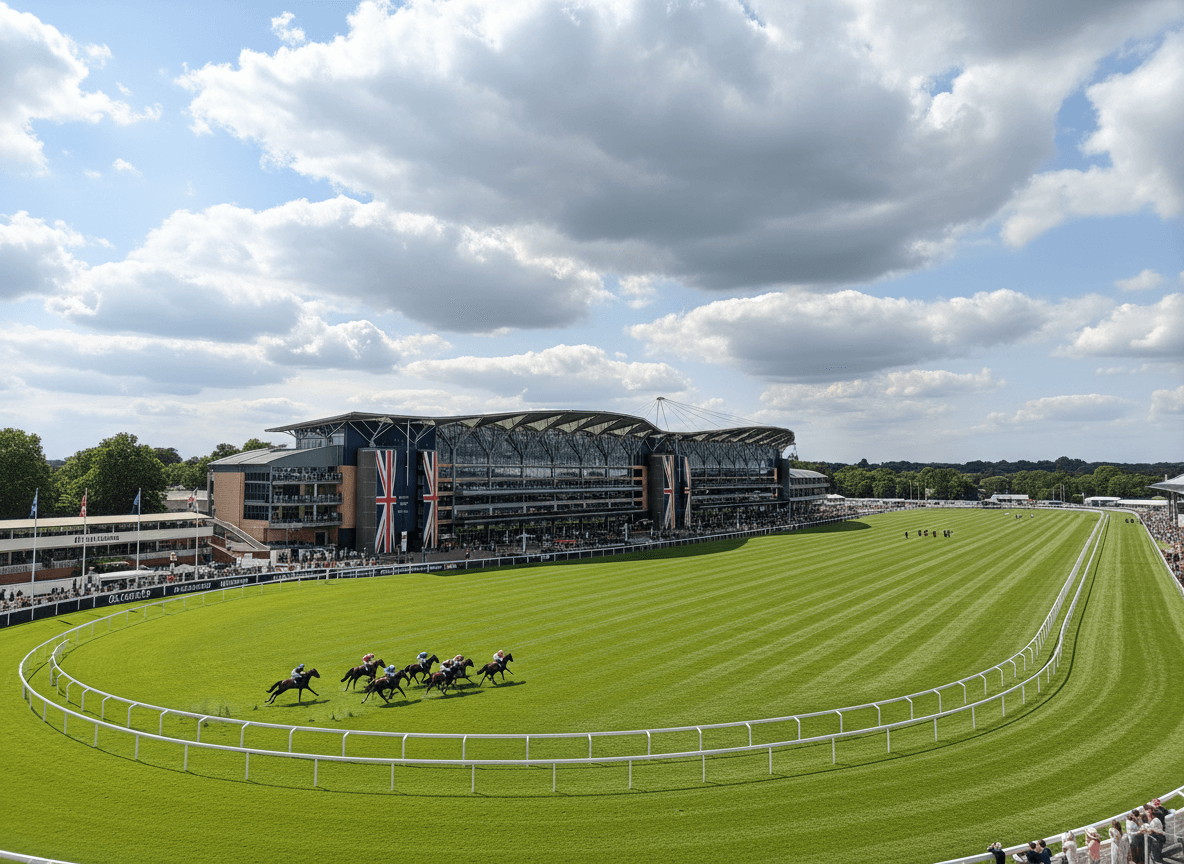
Early September at Ascot is one of those moments in the Flat calendar that quietly rewards the attentive punter. The big-money juvenile action is ramping up toward the autumn Classics picture, and a Class 2 EBF Confined Maiden over six furlongs on the straight course is precisely the sort of race where tomorrow's Group horse announces herself today. The tote £75K Guaranteed Placepot EBF Confined Maiden Fillies' Stakes — restricted to fillies who have run no more than once — is a quality little heat with a £30,000 pot and GBB Race status, meaning any winner qualifies for lucrative end-of-season bonuses. Trainers don't send their best juveniles here for a day out. They send them to win.
Only four have been declared for the 14:45, which simplifies the puzzle somewhat, but don't mistake a small field for a soft race. Every one of these fillies carries the fingerprints of a yard with serious Classic ambitions, and with the going described as Good, Good to Firm in places following a slow recovery from recent track renovations — with patches of young, less dense grass — there are some genuinely interesting conditions to unpick. Check the full Ascot racecard for the day's complete card.
Going and Draw: What the Conditions Tell Us
The going report deserves more than a glance here. Ascot's groundstaff have flagged that recovery since the last meeting has been slower than ideal, with areas of young grass offering a less dense sward than the track's usual pristine surface. In practice, that means patches of inconsistent ground — not dramatically testing, but enough to reward a filly with a clean, balanced action over one that relies on a firm, true surface to show her best. On Good to Firm ground with these caveats, I'd lean toward horses bred to handle a bit of variation underfoot rather than pure speed-surface merchants.
Over six furlongs on Ascot's straight course, the draw has historically been fairly neutral, though in a field of just four there's limited scope for drama. Draw 1 (Asheyra) and Draw 2 (Dannahue) sit on the stands side, while Draw 3 (Pensando A Te) and Draw 4 (La Pittura) are toward the far rail. In small fields on this track, jockeys tend to find their own ground quickly, so I wouldn't make the draw a decisive factor — but the patches of young grass could influence which part of the track rides best on the day. Watch the earlier races to see if any rail bias emerges.
Runner-by-Runner Breakdown
1. Asheyra (Roger Varian / Cieren Fallon) — Hood
Roger Varian is a trainer who picks his spots carefully with juveniles, and sending a filly to a Class 2 at Ascot with Cieren Fallon in the plate is a statement of intent. Fallon junior has developed into a polished rider who handles greenness well — relevant here given the hood, which suggests Asheyra has shown some freshness at home. Varian's two-year-olds are typically well-schooled before their debut, and a filly who's run once already has had the chance to learn. The headgear is worth noting: it's not a red flag, but it tells you the team are managing something. If Asheyra channels that energy, she could be the one to beat. Varian's record with fillies at Ascot over this trip is solid, and Fallon's patient, rhythmic style suits a horse that needs settling.
2. Dannahue (Charlie Appleby / Connor Planas)
Charlie Appleby's Godolphin operation needs no introduction when it comes to juvenile fillies, and Connor Planas has been growing in stature as a stable ally. Appleby's two-year-olds are invariably well-prepared and tend to improve sharply from their first start — the Confined conditions here mean Dannahue has run no more than once, so she arrives with that classic Godolphin polish and scope for improvement. Without a public rating to lean on, we're working on pedigree, homework, and the fact that Appleby doesn't pitch fillies into Class 2 company at Ascot without believing they're ready. She's a serious contender and likely to be prominent in the market.
3. La Pittura (Andrew Balding / David Probert)
Andrew Balding has been in outstanding form with his juveniles in recent seasons, and La Pittura — with David Probert booked — is a filly I'd be reluctant to dismiss. Balding and Probert have an excellent working relationship, and the trainer's Kingsclere operation produces fillies who tend to handle varying ground well. The name suggests Italian inspiration, and if there's a European pedigree thread in her background, the slightly easier underfoot conditions from those grass patches could suit rather than hinder. Probert is underrated by the casual punter — he rides with his head and rarely wastes energy. A filly who's learned from one run and arrives at Ascot with Balding's quiet confidence behind her is dangerous at any price.
4. Pensando A Te (Marco Botti / Silvestre De Sousa)
Marco Botti is a trainer who operates with fewer fanfares than the big yards but consistently delivers well-prepped juveniles, often with a Continental breeding influence that suits varying ground. Silvestre De Sousa is a proven big-race jockey who brings composure and tactical intelligence — useful in a small field where positioning matters. Pensando A Te (Italian for 'Thinking of You') has the feel of a filly with a story to tell. Botti's record in EBF races is worth checking, and De Sousa's experience in maiden company at top tracks gives this runner an edge in terms of race-riding craft. Don't underestimate this combination.
Value Picks and Dangers
In a four-runner field at Class 2 level, there's no hiding place and no value in the traditional sense — but there are relative prices. Dannahue will likely be the punters' choice given the Appleby/Godolphin profile, and that's fair enough. But my instinct says La Pittura could be the each-way value if she drifts into a bigger price than her ability warrants — Balding's fillies have a habit of running better than expected at Ascot, and Probert will give her every chance.
The danger to my selection is Asheyra. The hood is a talking point, but Varian wouldn't run a filly in headgear at Ascot unless he was confident it would help. If she settles and switches off, she could be the one sprinting clear in the final furlong.
My Selection: La Pittura
La Pittura (3rd, Draw 4) is my pick for the 14:45 at Ascot. Andrew Balding's fillies consistently punch above their weight at this track, David Probert is riding with real confidence this season, and the slightly variable ground — those patches of young grass — could suit a filly with a balanced, adaptable action. She arrives having learned from one start, trained by a man who knows exactly how to have a juvenile ready at the right moment. At a price, she represents the most interesting betting proposition in a race where the favourite's money will pile onto Dannahue.
Each-way interest at best odds available.
Who Is the Favourite for the tote £75K EBF Confined Maiden Fillies' Stakes?
Based on stable profile and market expectation, Dannahue from Charlie Appleby's Godolphin yard is likely to be sent off as the favourite. Appleby's two-year-olds carry enormous confidence from the market, and his fillies in particular have an outstanding record in EBF maiden company. That said, in a four-runner field, the market will be tight and any of the four could attract support depending on morning-line moves and paddock confidence on the day.
Does the Draw Matter in a Six-Furlong Straight Race at Ascot?
Over six furlongs on Ascot's famous straight course, the draw is generally considered less influential than at tracks with pronounced bends, particularly in small fields. With only four runners declared, jockeys will quickly find their preferred ground and the race will largely be decided by ability and tactics. However, given the going report mentioning patches of young, less dense grass following track renovations, it's worth watching the earlier races on the card to see if any part of the track is riding notably better than another.
What Is a GBB Race and Why Does It Matter?
GBB stands for the Great British Bonus scheme, which offers significant financial incentives to owners of British-bred horses who win qualifying races. A GBB Race designation means the winner — if British-bred — is eligible for a substantial bonus on top of the standard prize money. This makes GBB races particularly attractive to breeders and owners invested in the British bloodstock industry, and it often encourages connections to target these races specifically with their best home-bred juveniles. It's one reason why the quality of runners in this Ascot maiden is higher than the headline prize fund alone might suggest.