Evening Racing Returns to the Kent Coast
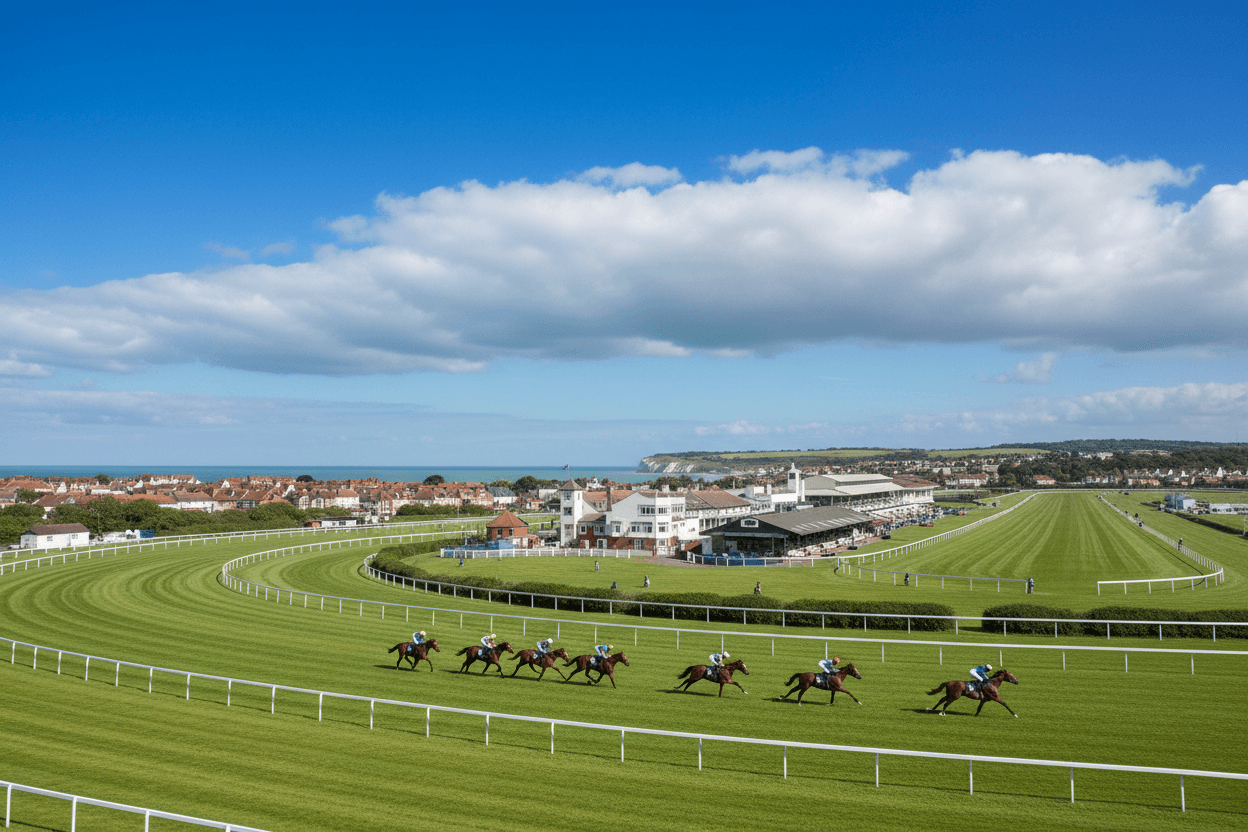
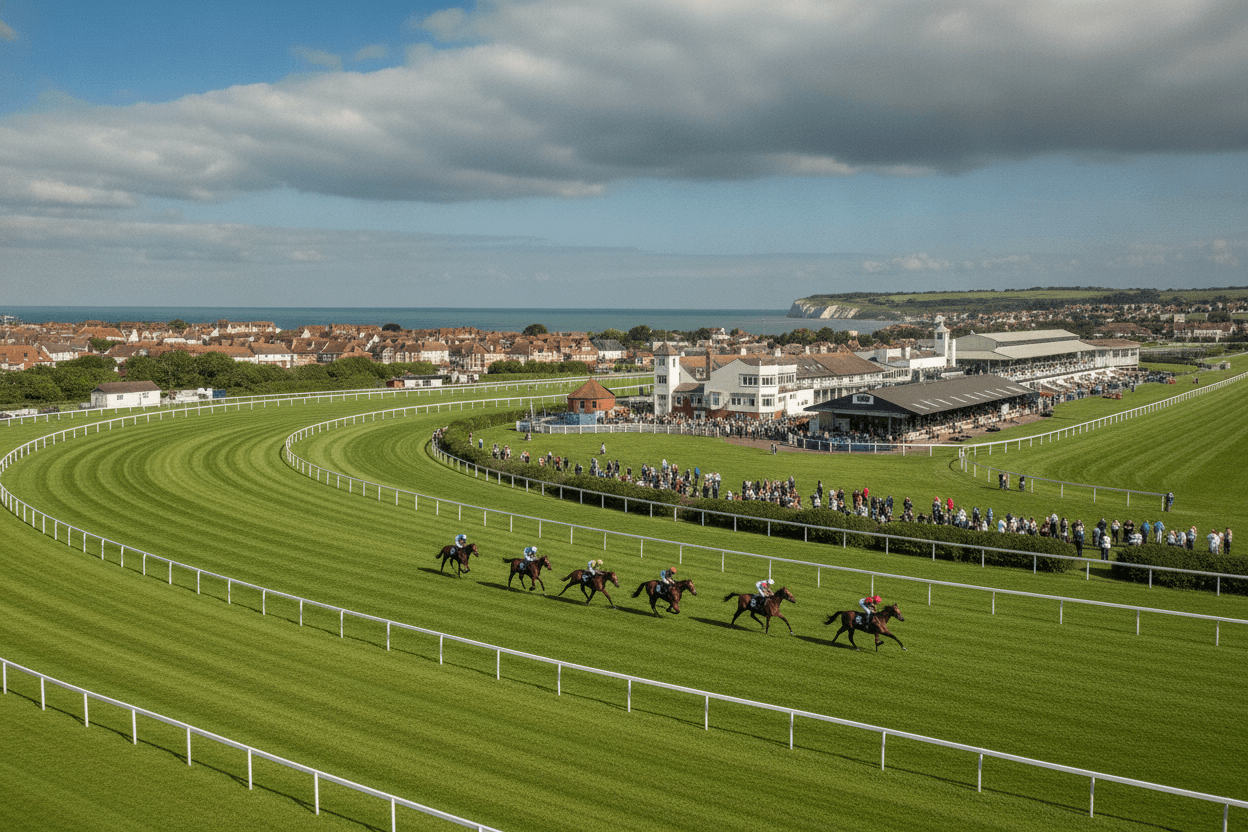
Friday evening's card at Folkestone presents a fascinating array of opportunities across six races, though connections will be keeping a watchful eye on the weather as the going declaration remains pending. The Kent track's undulating nature and proximity to the English Channel means conditions can shift throughout the day, making the eventual going report crucial for those final declarations and tactical decisions.
What strikes me most about this evening's programme is the thoughtful construction of the card, offering pathways for horses at different stages of their careers while maintaining competitive integrity. From promising two-year-old fillies taking their first steps to seasoned campaigners seeking that elusive breakthrough, there's something for everyone in this well-balanced offering.
Feature Focus: The Sir Eric Parker Memorial Stakes
The evening's headline attraction comes in the form of the Sir Eric Parker Memorial EBF Restricted Maiden Fillies' Stakes at 17:32, carrying the highest prize fund of £20,000. This Class 4 contest over six furlongs represents an important stepping stone for juvenile fillies from smaller operations, with the EBF restriction ensuring a level playing field that reflects the scheme's original welfare-minded intentions.
The memorial aspect of this race adds particular poignancy, honouring the late Sir Eric Parker, whose contributions to racing extended far beyond mere commercial interests. His advocacy for improved stable conditions and jockey welfare in the mid-20th century resonates strongly with today's evolving standards, making this an especially meaningful contest for connections who share those values.
The restricted nature of the race, limited to horses in Bands B, C and D, ensures that smaller yards and emerging trainers have genuine opportunities to compete for meaningful prize money. This democratic approach to racing opportunities reflects the sport's ongoing commitment to supporting diversity within the training ranks, something that ultimately benefits horse welfare through the spread of expertise and resources.
Distance Variety and Tactical Considerations
The Folkestone racecard showcases remarkable variety, from the minimum trip of five furlongs in the Royal Ascot Betting With World Pool Handicap to the stamina test of one mile six furlongs in the Highclere Castle Gin Handicap. This range allows trainers to place their charges where they're most likely to succeed, reducing the pressure that can lead to welfare compromises.
The longer-distance contests, particularly the Highclere Castle Gin Handicap at 18:39, will likely favour horses with proven stamina credentials. Folkestone's demanding track configuration, with its challenging climb from the back straight, places premium emphasis on genuine staying power rather than mere speed. Trainers who understand this nuance and have prepared their horses accordingly deserve recognition for their patient, welfare-conscious approach to campaign planning.
The sprint contests, meanwhile, will reward sharp acceleration and tactical speed, though the undulating nature of Folkestone's course means that even the five-furlong dash requires more stamina than might be expected at a flatter venue. This natural filtering process helps ensure that only truly fit and willing horses can compete effectively, which ultimately serves the sport's welfare objectives.
Amateur Riders and Grassroots Racing
The Golf At Goodwood Amateur Jockeys' Handicap at 20:24 deserves particular attention, not merely for its entertainment value but for its role in maintaining racing's connection to its grassroots participants. Amateur riders bring a different perspective to the sport, often riding horses they know intimately and with whom they've developed genuine partnerships over time.
These contests frequently showcase the patient, long-term approach to horse development that characterises the best amateur operations. Without the commercial pressures that can sometimes compromise decision-making in professional yards, amateur connections often allow horses to mature naturally and find their optimal trip and conditions through careful, unhurried campaigns.
The one-mile trip should provide ample opportunity for tactical development, allowing amateur riders to demonstrate their horsemanship skills while giving their mounts every chance to show their best form. The welfare implications of this patient approach cannot be overstated, as horses benefit enormously from the stability and consistency that characterises many amateur operations.
Fillies' Opportunities and Development Pathways
Two races specifically for fillies highlight the evening's commitment to providing appropriate development opportunities for the sport's future broodmare population. The Goodwood Hotel Fillies' Handicap over six furlongs at 19:14 offers three-year-old fillies a chance to establish their credentials in competitive company, while the earlier maiden provides a gentler introduction for juveniles.
These sex-restricted contests serve important welfare functions, allowing trainers to campaign fillies without the physical challenges that mixed-sex racing can sometimes present. The prize levels, while modest, provide meaningful rewards that can sustain smaller operations and encourage the patient development of fillies who might otherwise face premature retirement.
The spacing between these contests also allows connections with multiple runners to manage their charges appropriately, ensuring adequate recovery time and reducing the stress that can accumulate when horses are asked to perform too frequently in compressed timeframes.
Weather Watch and Going Concerns
With the going declaration still pending, connections will be monitoring conditions closely throughout the day. Folkestone's seaside location can produce rapid changes in ground conditions, and the welfare-conscious trainer will always prioritise their horse's wellbeing over immediate competitive opportunities.
The variety of distances on offer means that ground conditions will affect different races in varying ways, with the longer-distance events likely to be most influenced by any significant softening. Trainers who withdraw horses due to unsuitable conditions deserve recognition for putting welfare first, even when commercial pressures might suggest otherwise.
Evening's Best Bets and Ones to Watch
Without specific runners declared, the focus shifts to identifying the types of horses most likely to thrive in this environment. Look for connections with strong Folkestone records, particularly those who understand how the track's unique characteristics can be used to advantage. Trainers who regularly campaign horses at this venue tend to develop an intuitive understanding of pace and positioning that translates into consistent results.
The restricted maiden offers particular value for those willing to support smaller operations with well-bred fillies making their debuts. These contests often produce future stars at rewarding odds, particularly when trainers have been patient in their preparation and chosen this specific race as the optimal starting point.
In the handicaps, course specialists and horses dropping down from higher grades represent the most reliable angles, especially if connections have timed their campaigns to coincide with favourable conditions and appropriate opposition levels.