Sunday's Quality Card at Folkestone
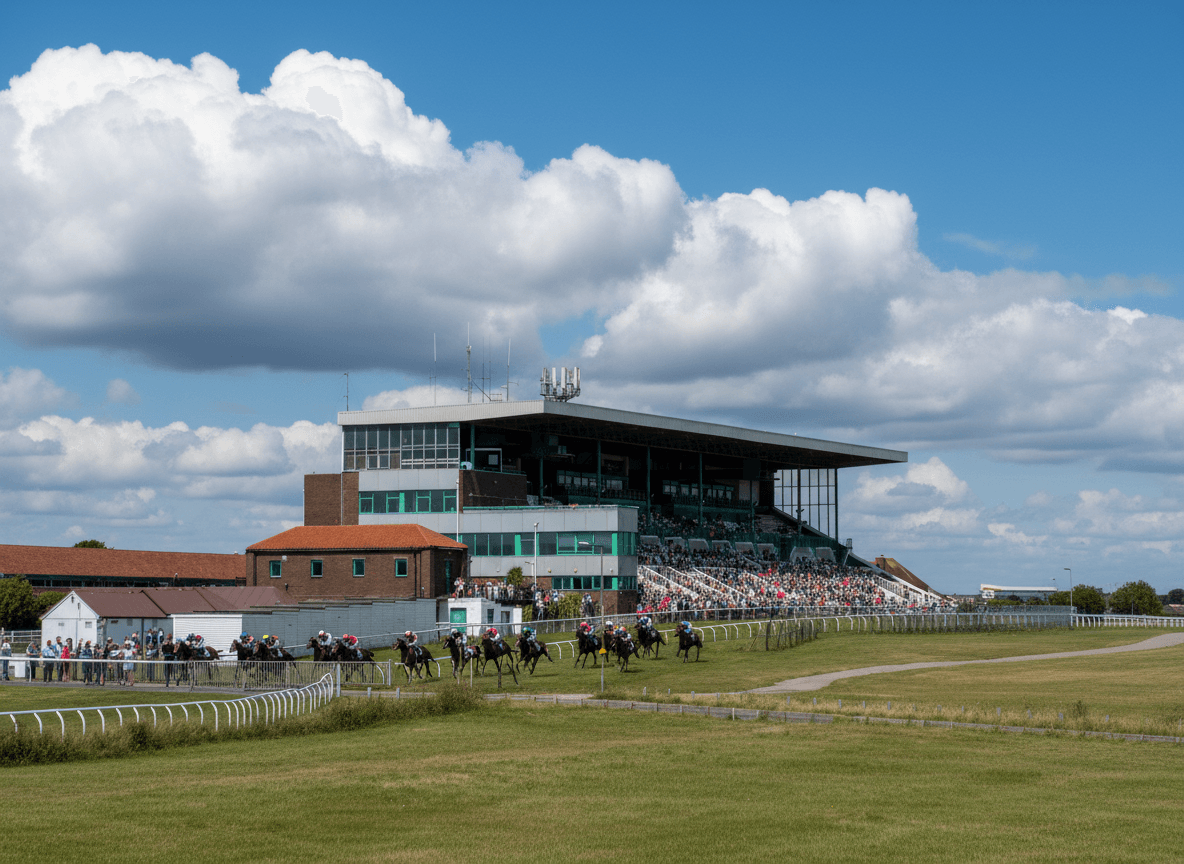
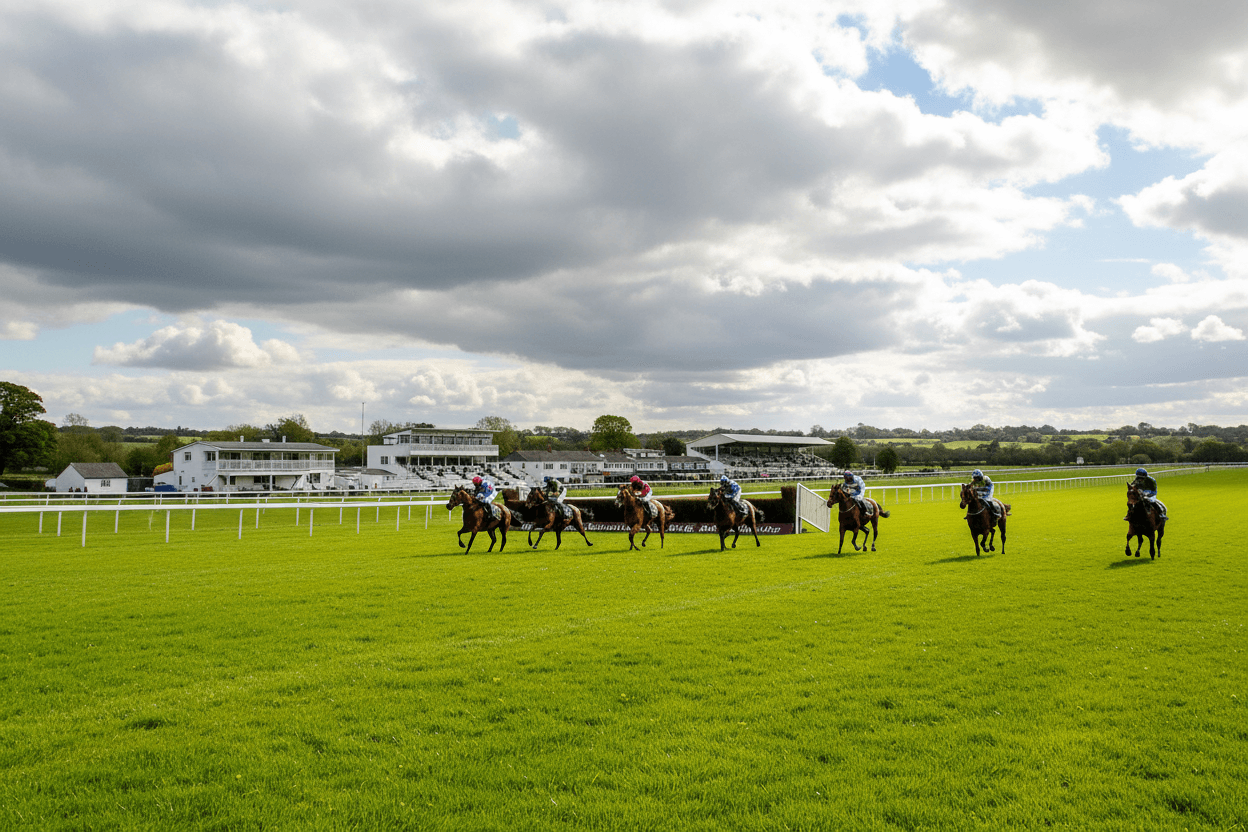
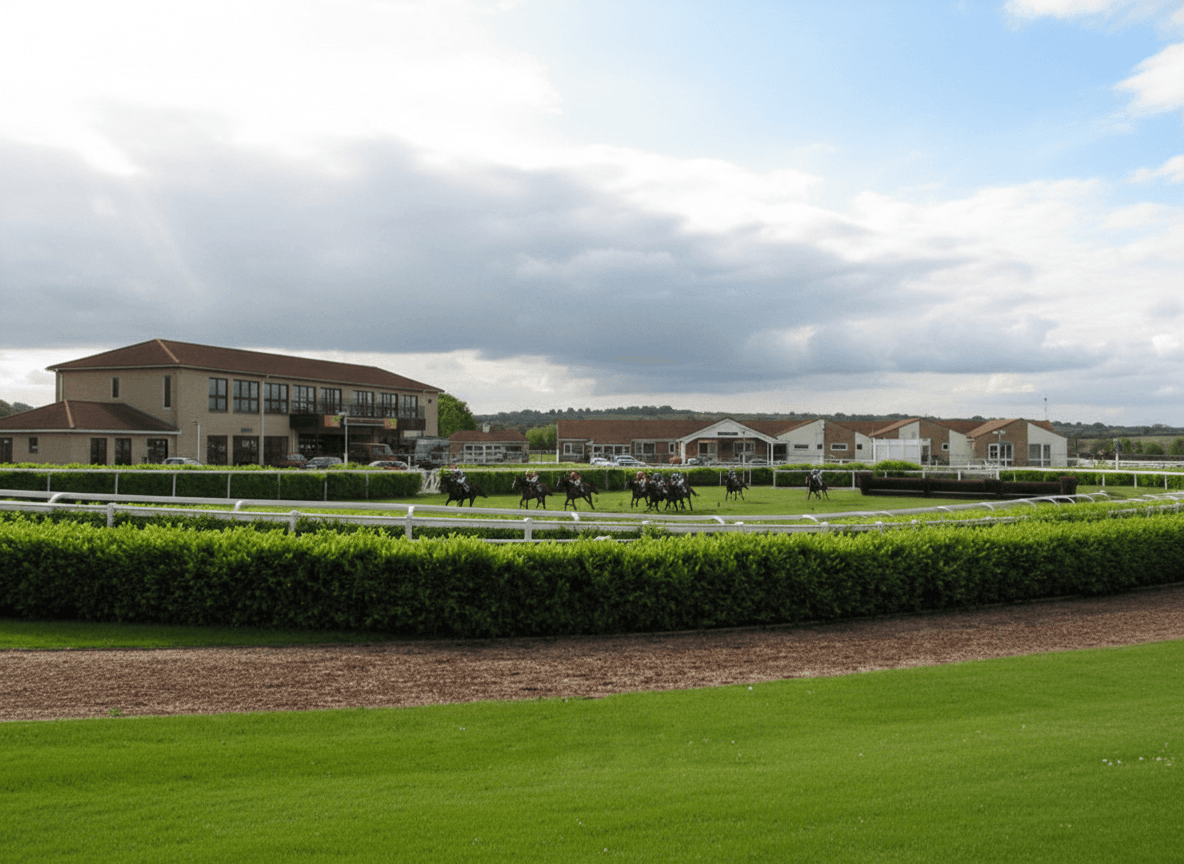
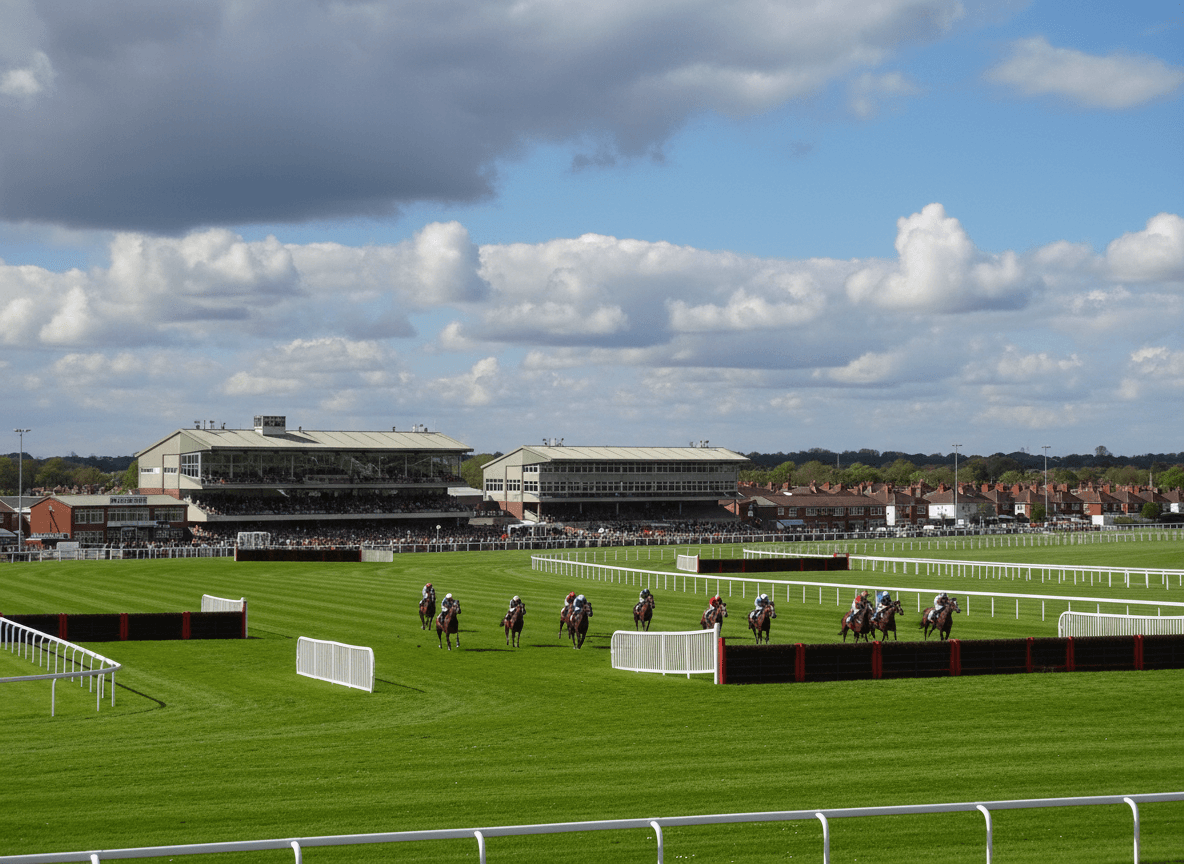
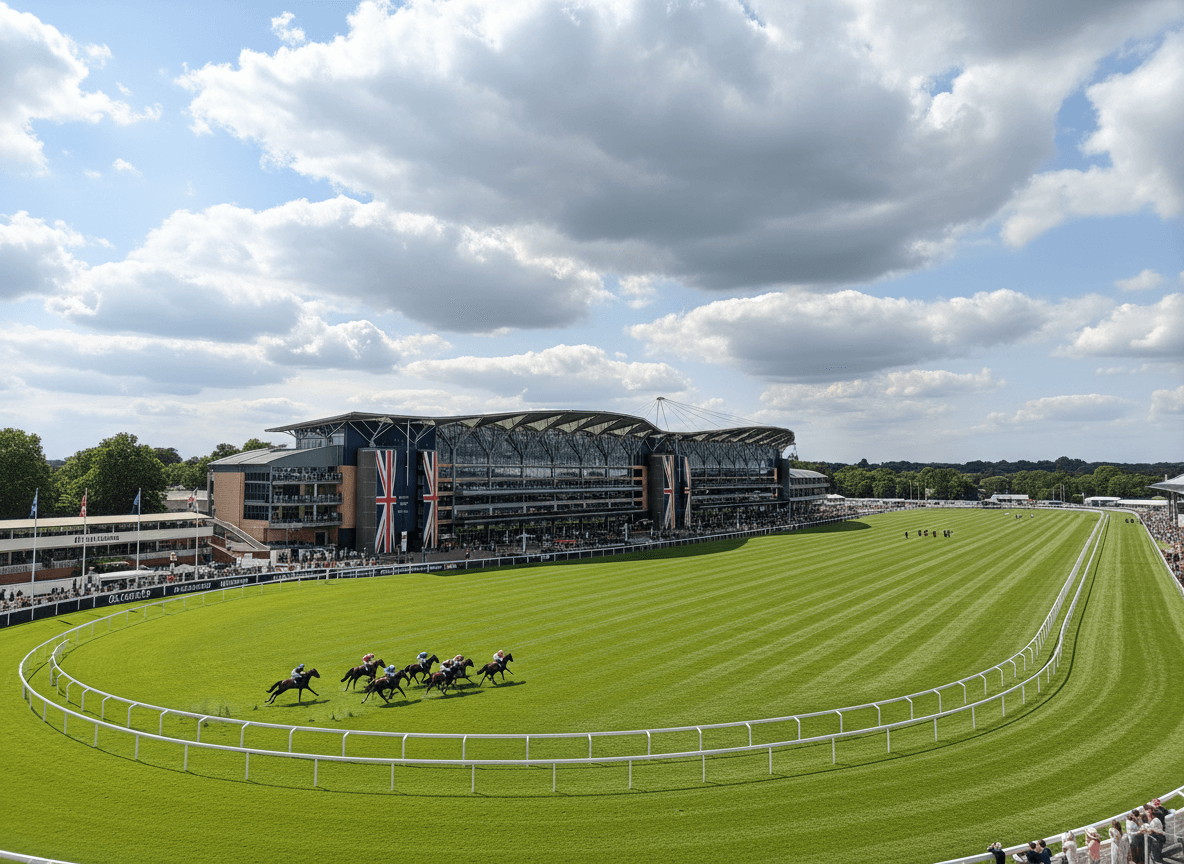
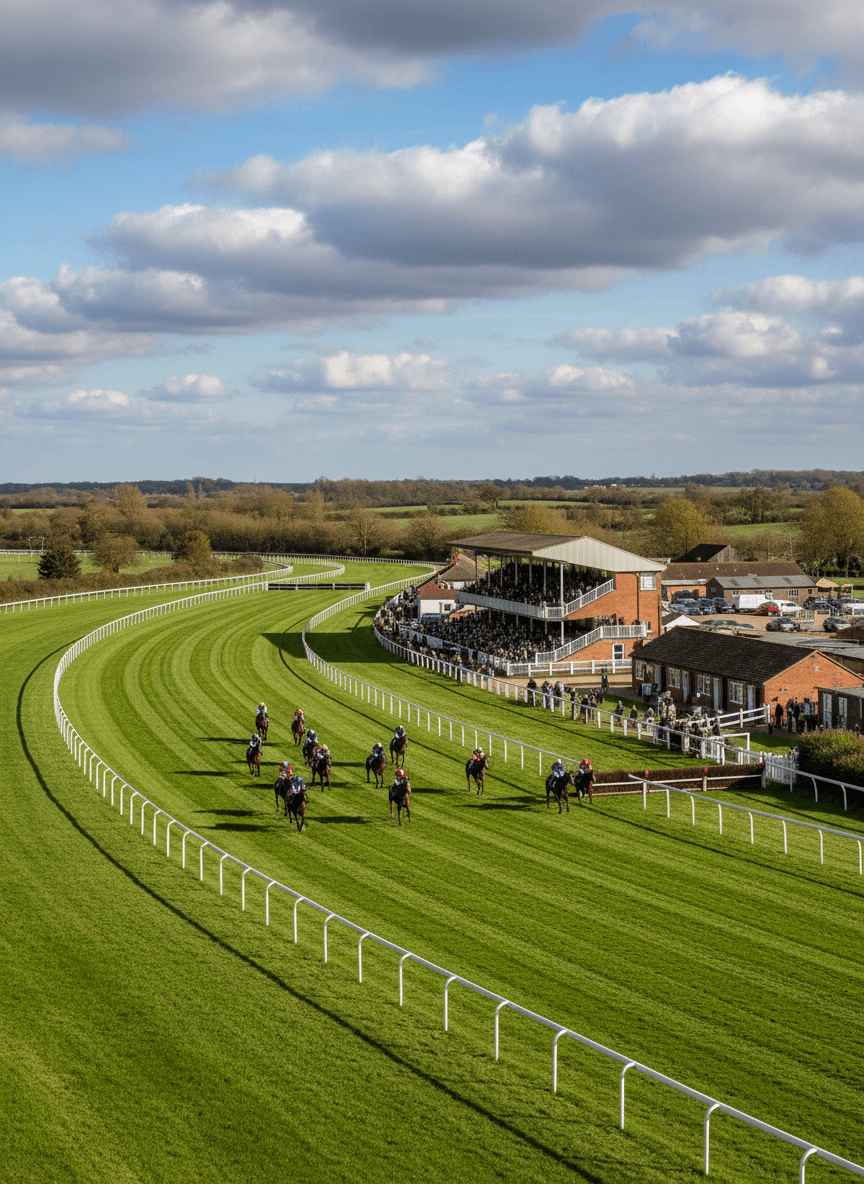
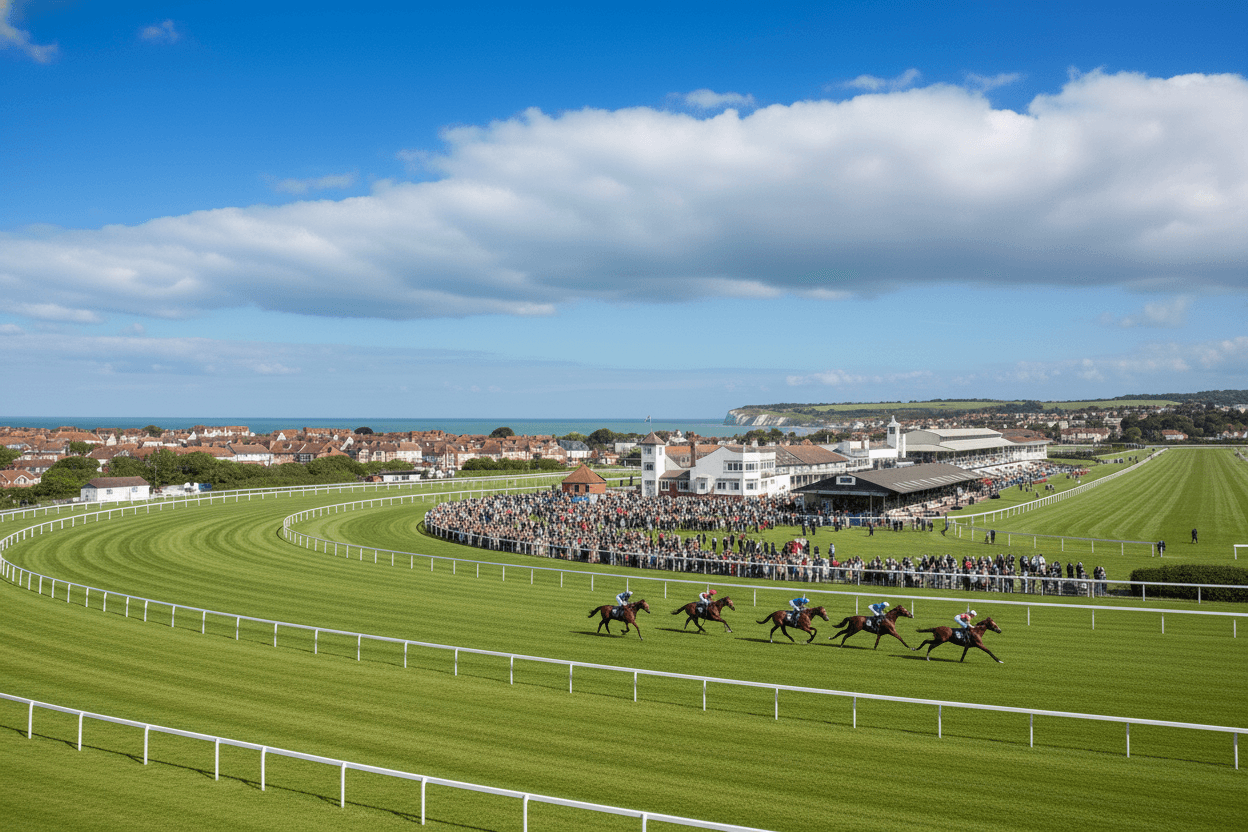
Sunday's seven-race programme at Folkestone presents one of the strongest cards of the season at the Kent venue, headlined by two Listed contests that should provide genuine Group-class form for the remainder of the campaign. The going has eased to good to soft with a soil moisture reading of 55%, a significant shift from the firmer conditions that prevailed through much of May, and one that will reshape the tactical complexion of several contests.
The Folkestone racecard offers £240,700 in total prize money, with the Listed features commanding £70,000 apiece. While the absence of declared runners at this stage prevents detailed analysis, the framework of Sunday's programme suggests connections are viewing this as an important stepping stone towards Royal Ascot and the July Festival.
Feature Contest: The Agnes Keyser Fillies' Stakes
The Weatherbys/British EBF Agnes Keyser Fillies' Stakes (15:35) stands as the afternoon's premier attraction, a Listed contest over the extended ten and a half furlongs that has consistently attracted fillies of genuine Group calibre. The distance, unique to Folkestone's undulating configuration, often proves a searching examination of stamina and tactical awareness.
This race's positioning in the calendar makes it particularly significant for three-year-old fillies seeking to establish their credentials for midsummer targets. The eased going conditions will favour those with proven form on softer surfaces, while the track's demanding finish from the home turn will reward fillies with genuine staying power rather than those reliant purely on speed.
Folkestone's extended straight, measuring some four furlongs, allows patient tactics to flourish on this trip. Fillies drawn low often find themselves with more tactical options, though the relatively small fields typical of Listed company tend to negate draw bias concerns that plague the handicaps.
The Tapster Stakes: A Test of Staying Power
The Tapster Stakes (16:45) over one mile three furlongs represents the afternoon's ultimate stamina test, a Listed contest that regularly attracts horses targeting the Goodwood Cup and similar staying prizes through the summer months. The extended distance on Folkestone's undulating terrain provides one of the most honest examinations of stamina available outside of Group company.
Recent rainfall will have softened the ground sufficiently to blunt pure speed, placing greater emphasis on galloping action and tactical positioning. Horses with proven form over similar distances on yielding ground hold obvious advantages, while those stepping up significantly in trip face a stern examination of their stamina reserves.
The race often develops into a tactical affair, with the long home straight allowing for patient rides and sustained challenges. Course specialists tend to hold slight advantages, understanding the precise timing required to mount an effective challenge from the home turn.
Supporting Cast and Tactical Considerations
The supporting programme offers its own tactical puzzles, particularly the 13:50 Rod Gaskin Garden Machinery Handicap over six furlongs, where the eased going will favour horses with proven form on softer surfaces. Folkestone's six-furlong course, with its uphill finish, often produces tight finishes where tactical positioning proves crucial.
The 15:00 Goodwood Selling Stakes presents an intriguing puzzle over the minimum trip of five furlongs. On good to soft ground, early pace becomes less crucial than finishing kick, potentially favouring hold-up performers over traditional front-runners. The selling conditions add an extra layer of complexity, with connections balancing immediate prize money against the risk of losing promising youngsters.
The afternoon's two-mile handicap (16:10) will provide a genuine staying test on the softer ground, likely developing into a war of attrition where stamina and tactical nous outweigh pure speed. The extended trip on Folkestone's demanding circuit often produces surprise results, with course experience proving invaluable.
Ground Conditions and Their Impact
The shift to good to soft conditions fundamentally alters the tactical landscape across Sunday's card. Folkestone's naturally undulating terrain becomes more demanding on softer ground, placing greater emphasis on stamina and galloping action rather than pure speed.
Front-runners may find their task more arduous on the eased surface, particularly over the longer distances where the ground will take its toll in the closing stages. Conversely, horses with proven form on similar ground conditions gain obvious advantages, while those unproven away from firm ground face questions that can only be answered under race conditions.
The 55% soil moisture reading suggests conditions that will ride genuinely good to soft rather than the false ground that sometimes prevails early in the season. This should provide a fair test for all runners while favouring those bred for softer conditions.
Ones to Watch
While specific runners await confirmation, several themes emerge from Sunday's programme structure. Course and distance winners will hold obvious advantages, particularly in the Listed contests where tactical knowledge proves crucial. Horses with proven form on good to soft ground gain natural advantages given the prevailing conditions.
Three-year-old fillies stepping into Listed company for the first time in the Agnes Keyser Stakes merit close attention, particularly those with solid form over similar distances. The Tapster Stakes should favour horses with established staying credentials rather than those attempting the distance for the first time.
In the handicaps, horses dropping in class or returning from brief absences often prove competitive at this venue, where honest galloping action typically prevails over pure speed. The eased going conditions will favour those with proven versatility regarding ground conditions, while potentially exposing those reliant on firm surfaces.