A Comprehensive All-Weather Showcase
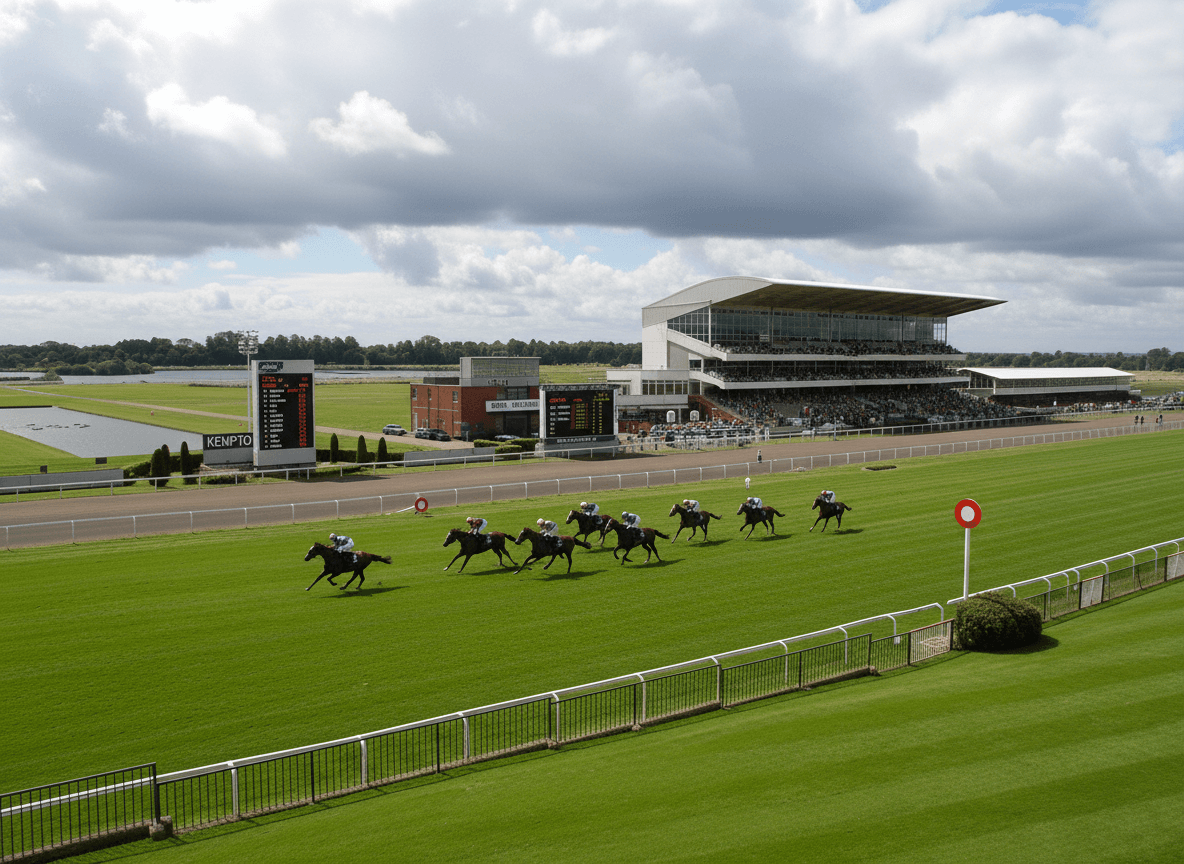
Friday afternoon at Kempton Park presents one of the most comprehensive all-weather programmes of the early season, with seven races spanning the full spectrum from six furlongs to the marathon trip of a mile and seven furlongs. The All-Weather Vase series continues to establish itself as a valuable stepping stone for horses transitioning from winter campaigns to turf ambitions, and this card offers particular insight into the depth of middle-distance handicappers currently in training.
The polytrack surface at Sunbury has been playing fairly throughout the spring, though the absence of confirmed going conditions at the time of writing leaves some tactical questions unanswered. Recent meetings have seen the surface riding with a slight speed bias when on the quicker side, favouring those who can secure early positions without expending excessive energy. The draw statistics remain relatively neutral across all distances, though low numbers hold a marginal advantage in the sprint contests when the pace is genuinely strong.
Feature Race Analysis
The afternoon's centrepiece arrives with the 14:05 Middle Distance Handicap Stakes, a Class 3 affair over the testing trip of a mile and two furlongs. This £65,000 contest typically attracts a field of progressive four-year-olds and seasoned campaigners seeking to establish their credentials for the upcoming turf season. The distance plays to Kempton Park's strengths, allowing sufficient time for the race to develop while testing stamina reserves in the final two furlongs.
The extended middle distance often produces tactical affairs at Kempton, particularly when the field exceeds a dozen runners. Front-runners face the challenge of sustaining their effort through the long home straight, while hold-up horses must navigate the inevitable traffic problems that arise when the field bunches approaching the final turn. Course specialists tend to excel in these conditions, understanding the precise timing required to mount a winning challenge.
Sprint Contests and Tactical Considerations
Both sprint handicaps on the card – the 15:15 Class 3 contest over six furlongs and the 17:00 three-year-old handicap at the same distance – merit close attention for their contrasting dynamics. The afternoon sprint typically sees more seasoned performers, many carrying the benefit of recent racecourse experience, while the finale often showcases improving three-year-olds stepping up in class from maiden and novice company.
The six-furlong trip at Kempton rewards horses with natural early pace, though the extended run-in can catch out those who show too much speed too early. The slight downhill gradient in the final furlong and a half can aid stamina-laden sprinters, making it crucial to assess each runner's ability to sustain their effort rather than simply focusing on raw speed figures.
Fillies' Contest Dynamics
The 16:25 Fillies' Handicap over seven furlongs presents its own tactical puzzle. This intermediate distance often produces the most competitive betting markets, as the trip suits a wide variety of running styles. Early pace will prove crucial, particularly if the surface is riding with any speed bias, but the additional furlong compared to the sprints allows for more tactical flexibility in the closing stages.
Marathon Test and Stamina Assessment
The 15:50 Marathon Handicap Stakes over a mile and seven furlongs represents one of the longest handicaps regularly contested on the all-weather circuit. This extended trip typically attracts a smaller but specialist field, many of whom will be using the race as preparation for staying handicaps on turf throughout the summer months.
Course form becomes particularly relevant at this distance, as does the ability to settle and travel strongly through the early and middle stages. The long home straight at Kempton provides ample opportunity for sustained challenges, but horses must retain sufficient energy reserves to quicken when the pace inevitably lifts approaching the final two furlongs. Previous experience over similar trips, whether on the all-weather or turf, often proves more valuable than recent form figures alone.
Apprentice Opportunity and Emerging Talent
The opening 13:30 Apprentice Handicap over a mile and four furlongs provides a valuable platform for emerging riding talent while offering punters the opportunity to assess horses at potentially lenient weights. The 7lb claim available to qualifying apprentices can prove decisive in competitive handicaps, though the extended distance demands tactical maturity that not all inexperienced riders possess.
These contests often reward patient approaches, with the combination of claiming jockeys and the marathon distance creating opportunities for horses whose handicap marks might appear prohibitive under normal circumstances. Course experience becomes doubly important when both horse and rider are adapting to Kempton's unique characteristics.
Key Factors and Summary
Several threads run through Friday's card that merit particular attention. The absence of confirmed going conditions creates uncertainty around pace scenarios, though recent form on similar surfaces provides valuable clues. Course winners across all distances should command respect, particularly those who have demonstrated the ability to quicken off strong gallops.
The quality of opposition varies significantly between the Class 3 and Class 4 contests, with the higher-grade races likely to produce more reliable form for future reference. Horses stepping up in trip for the first time face questions that cannot be answered definitively until race day, while those reverting to proven distances carry the confidence of established ability.
The comprehensive nature of the programme offers opportunities across all betting markets, from the tactical complexities of the marathon contest to the speed-focused sprint handicaps. Each race presents its own puzzle, requiring careful analysis of pace scenarios, course characteristics, and individual horse profiles to unlock the most profitable angles.