A Stage That Needs No Introduction
There are racecourses, and then there is Aintree. Even stripped of its Grand National mythology — the roar of the crowd at the first fence, the collective holding of breath at Becher's Brook, the improbable stories that seem to write themselves every April — the place retains a quality that is difficult to name precisely but impossible to ignore. Something in the scale of it. Something in the silence between the noise.
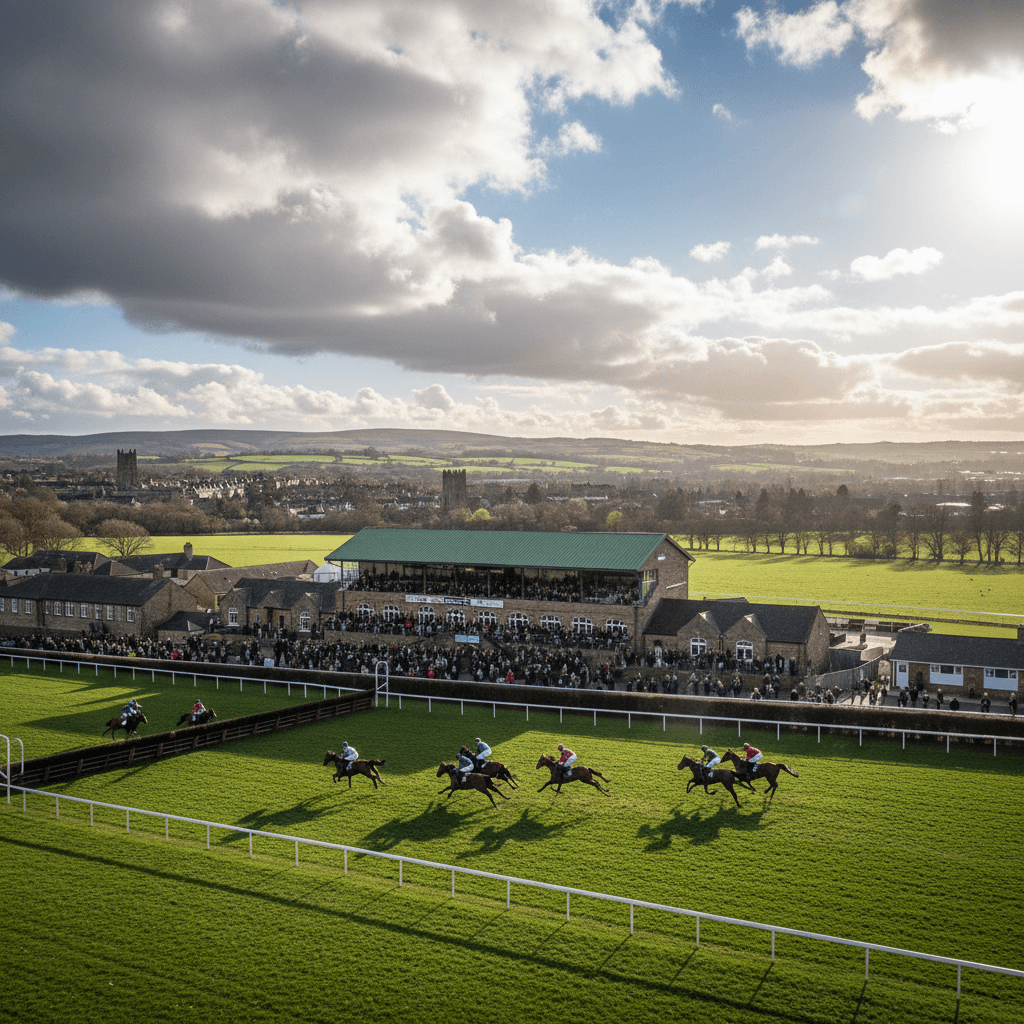
Most visitors know Aintree as a National Hunt venue, and rightly so. Its identity is bound up in jump racing, in the peculiar theatre of those spruce-packed fences and the four miles and two and a half furlongs that have made legends of horses and riders alike. But Aintree is not a one-season venue, and this week it turns its attention to the Flat — three afternoon cards across Thursday, Friday, and Saturday, each carrying its own quiet appeal for the discerning racegoer and the careful punter.
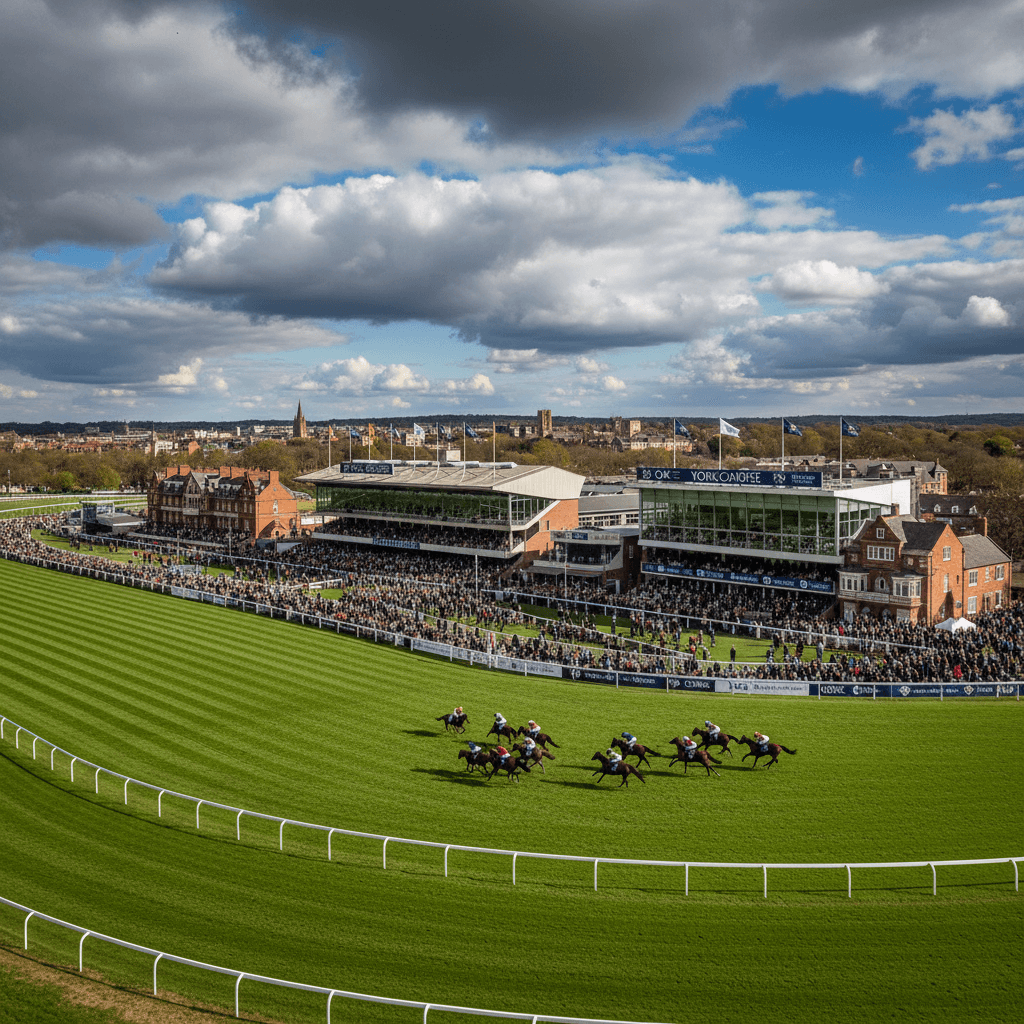
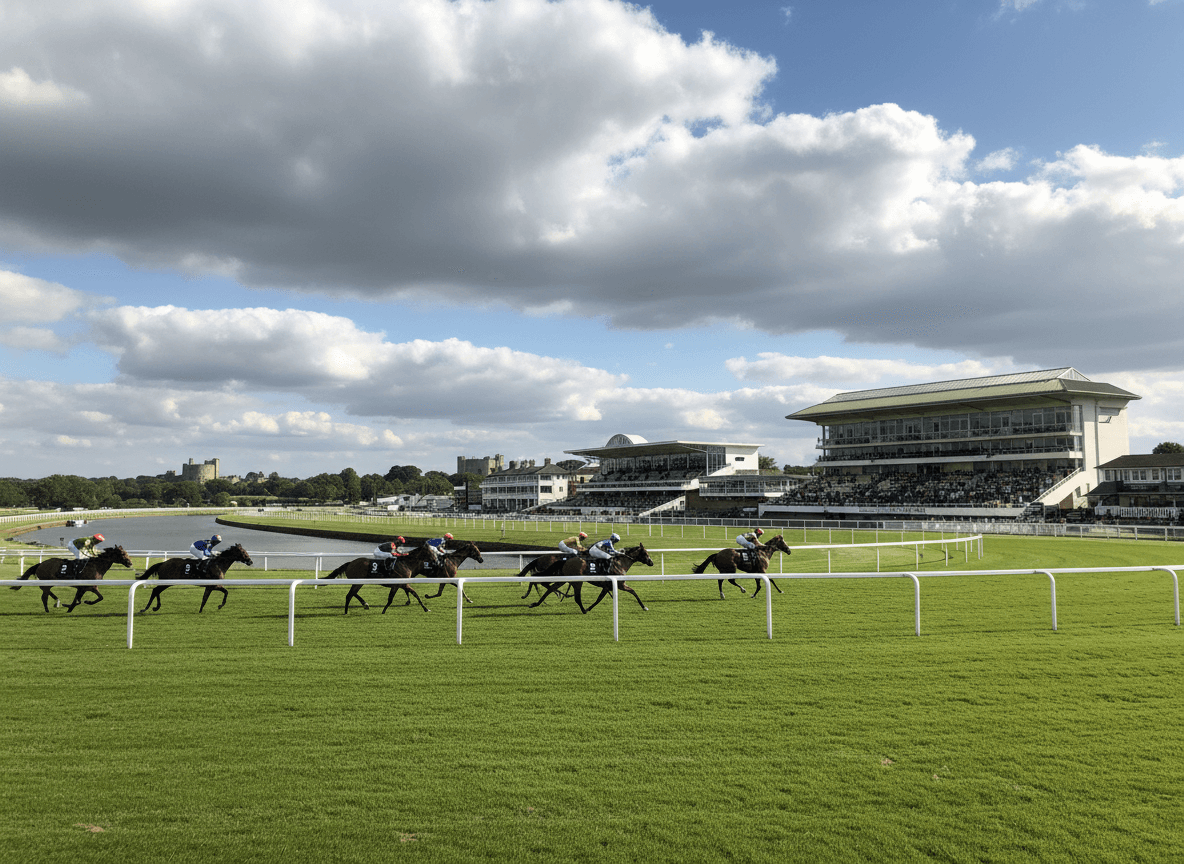
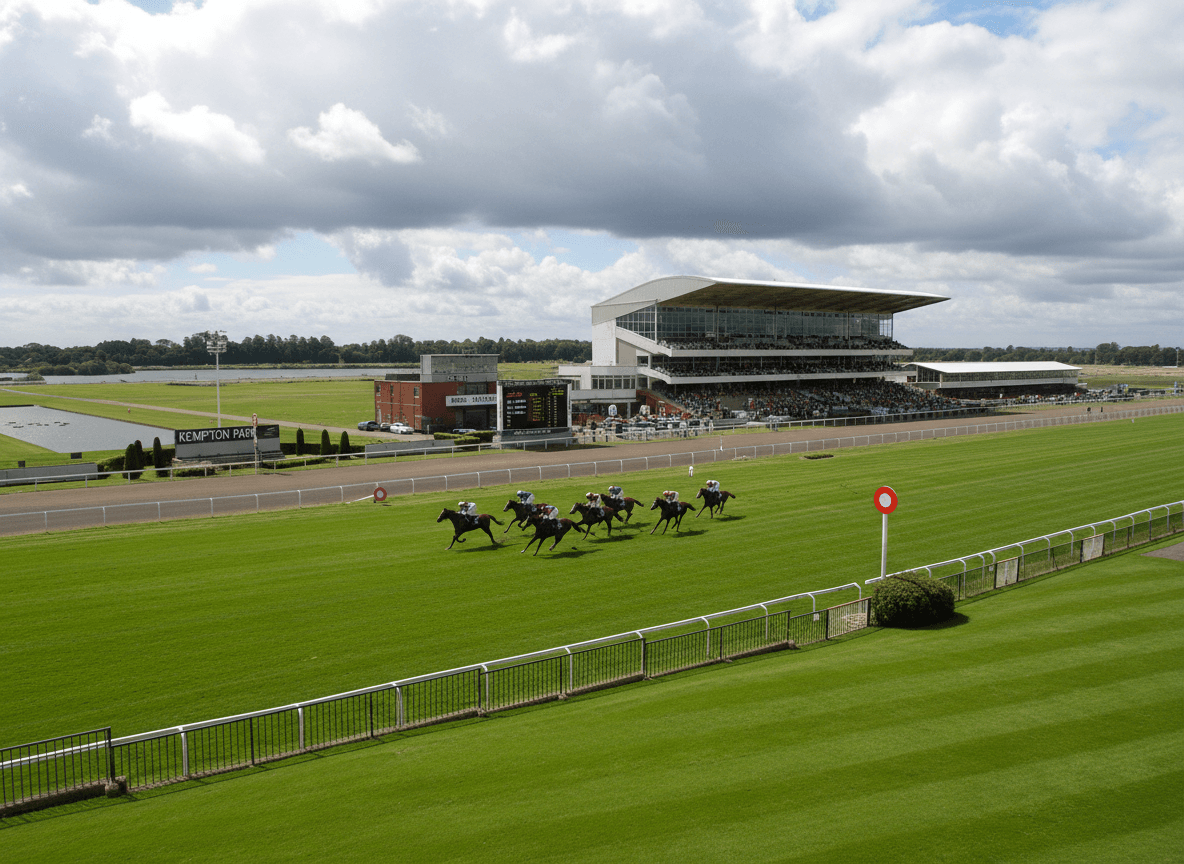
This is Aintree in a different register. Unhurried, autumnal, the grandstands less feverish than in April but no less worth visiting. If you have only ever seen the place in Grand National week, you owe it to yourself to experience it like this.
This Week's Fixtures at a Glance
Racing runs across three consecutive afternoons, each card comprising seven races on good to soft ground. The going is consistent across all three days, which will reward those who do their homework on how horses handle cut in the ground rather than those who simply back on reputation.
- Aintree Thursday, 17 September 2026 — Flat, afternoon, 7 races, Good to Soft
- Aintree Friday, 18 September 2026 — Flat, afternoon, 7 races, Good to Soft
- Aintree Saturday, 19 September 2026 — Flat, afternoon, 7 races, Good to Soft
September racing in the northwest carries a particular texture — the light starts to soften, the ground holds moisture from the first autumnal rains, and the horses that have been campaigned sensibly through the summer tend to arrive here in good order. Good to soft at Aintree is genuine, not a polite euphemism. Expect it to play a meaningful role in how races unfold.
Understanding the Aintree Flat Track
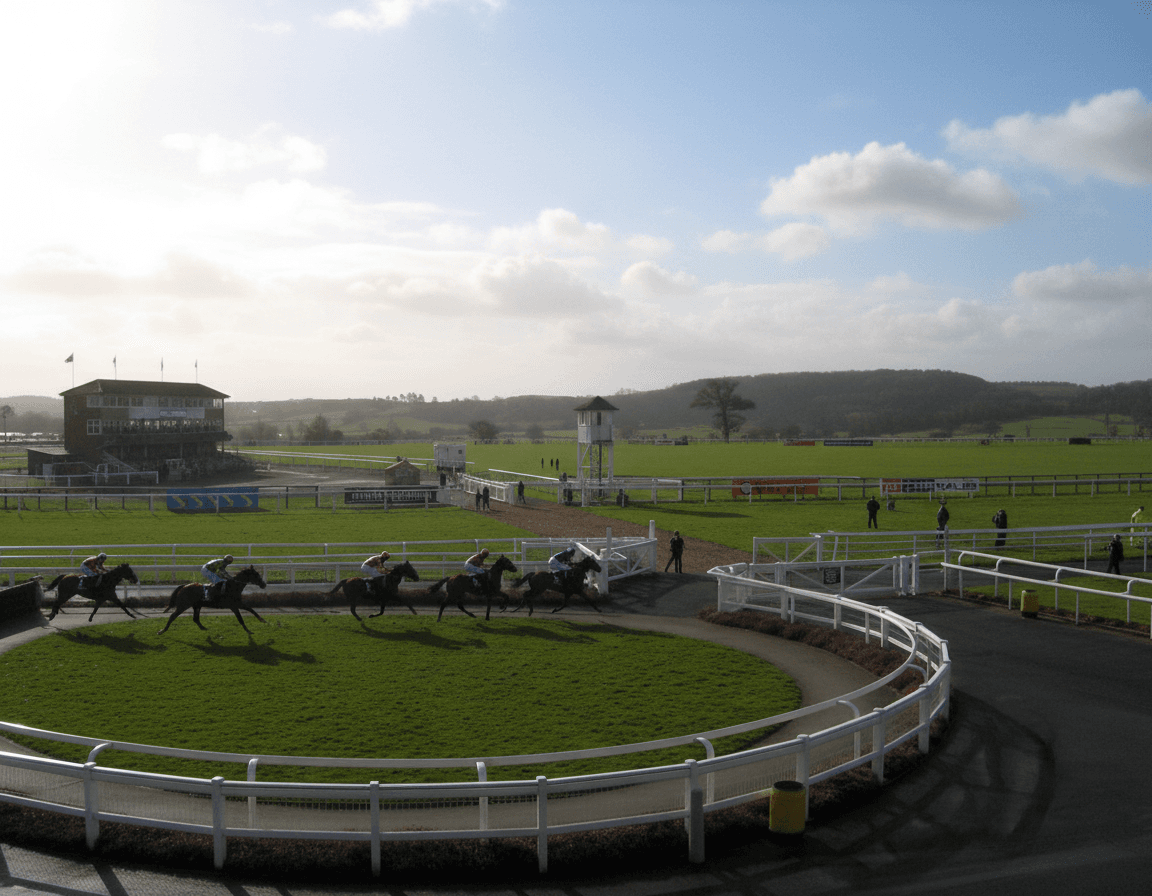
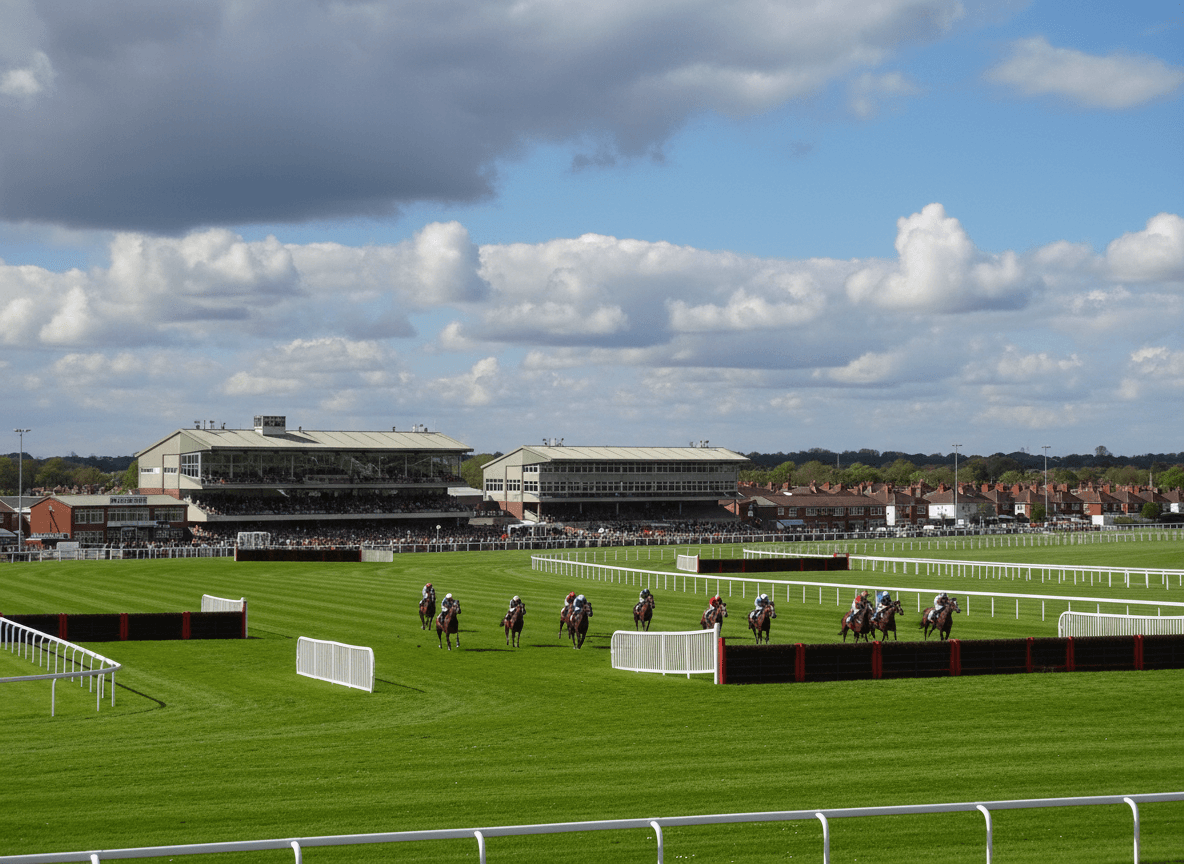
This is where many punters come unstuck. Aintree's Flat course is not a circuit that rewards casual familiarity. It is a left-handed, essentially flat track, but its configuration and the width of the straight introduce variables that repay close study.
The Draw
In fields of any significant size, particularly over sprint distances and the shorter middle-distance trips, the draw is worth examining carefully. On good to soft ground, which tends to concentrate the best of the going towards certain parts of the track, low to middle draws have historically held an advantage over the straight course. That said, the bias is not absolute — pace scenario and field size interact with the draw in ways that can override any simple rule of thumb. Treat draw statistics as context rather than conclusion.
Pace and Stamina
Aintree's Flat track does not particularly flatter front-runners, and the good to soft conditions this week will amplify that tendency. Horses that travel comfortably through the race and finish strongly tend to be rewarded here. Pace scenarios that set up a truly run contest — where the early fractions are honest rather than pedestrian — suit closers and hold-up horses disproportionately. Be cautious of backing anything that needs a soft lead and an uncontested gallop to show its best.
Ground Sensitivity
With three days of racing on the same surface, the ground will likely ease as the week progresses, particularly if there is any overnight rain. Horses running on Saturday may encounter conditions measurably softer than those on Thursday. This matters more than it might seem — a horse that handles good to soft adequately may find genuine soft ground a step too far, while a confirmed mudlark could find Saturday's conditions a significant advantage over earlier in the week.
The Type of Horse to Follow
Aintree's Flat course, particularly in September, has a way of finding out horses that are merely talented and rewarding those that are genuinely versatile and tough. The profile of a course winner here tends to share several characteristics.
- Ground versatility — horses that have won or run creditably on soft or heavy ground in the past are immediately more interesting than those whose form is built entirely on a sound surface.
- Stamina in the pedigree — even over sprint and mile distances, the good to soft ground places an additional premium on staying power. Horses by sires associated with stamina and soft-ground performance are worth a second look.
- Consistent finishing position — Aintree does not particularly suit horses with a tendency to flash in and out of form. The track rewards reliability, and horses that run their race every time tend to be competitive here.
- Proven left-handed form — not every horse handles a left-handed track with equal comfort. Where you have a choice between two otherwise comparable horses, the one with a left-handed course win on its record is the safer proposition.
Practical Tips for Racegoers and Punters
Whether you are making the trip to Merseyside or watching from home, a few practical considerations are worth keeping in mind as you approach this week's cards.
For those attending in person: Aintree in September is a very different experience from the Grand National Festival, and that is not a criticism. The crowds are manageable, the paddock is accessible, and you can actually watch the horses being saddled and walked up without fighting for position. Spend time in the paddock. On good to soft ground, the way a horse moves before the race — whether it picks its feet up cleanly, whether it looks comfortable in itself — can tell you something that the form book cannot.
For punters working from the racecards: prioritise horses with recent runs over those returning from a long break. The ground will ask questions quickly, and a horse that has had a run or two in the past few weeks will be better equipped to answer them than one that is short of race fitness. Trainers with a strong record at the course in this type of conditions are also worth noting — certain yards have a habit of targeting these September Aintree fixtures with purpose.
Finally, and this is a point worth making plainly: do not over-bet the week. Three cards of seven races each represents twenty-one opportunities for the ground, the draw, and the pace scenario to conspire against you. Be selective. The best punters at a meeting like this find two or three races across the week where they have a genuine edge, and they back their judgement there rather than spreading themselves thinly across every card.
A Final Word on the Place Itself
Aintree in September is a reminder that great venues carry their character in their bones, not just in their showpiece occasions. The stands that witnessed Red Rum's third victory, that absorbed the noise of a hundred Grand National mornings, are quieter this week — but they are no less themselves. There is something to be said for seeing a famous place at rest, for understanding what it is when the spectacle has been stripped away.
Three days of good Flat racing on honest ground, at a course with more layers than most give it credit for. Study the Thursday racecard, the Friday racecard, and the Saturday racecard with care, and Aintree this week may well reward you. It usually rewards those who pay attention.