A Place Like No Other
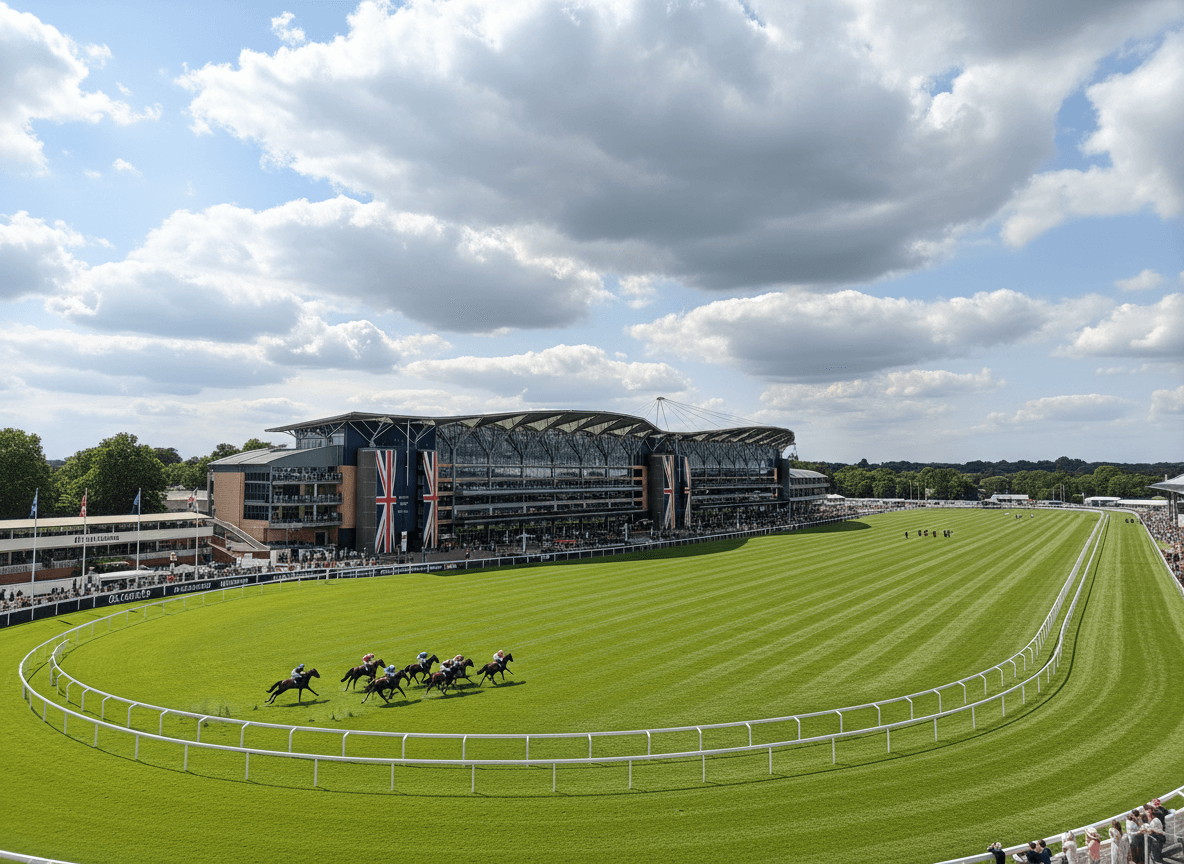
I remember the first time my dad took me to Ascot. I must have been about nine years old, and I had absolutely no idea what was going on — but I knew, even then, that something about this place was different. The grandstand seemed to stretch up forever. The horses gleamed. Even the grass looked like it had been ironed. My dad handed me a racecard, told me to pick one horse per race based purely on the name, and said, "That's how most of us do it, son." I backed a horse called Brigadier Something-or-Other and it finished last. I've been hooked ever since.
That's the magic of Ascot. It has a way of getting under your skin. Founded by Queen Anne in 1711 — yes, over 300 years ago — this Berkshire treasure is one of the most storied racecourses on the planet. It's the home of Royal Ascot in June, British Champions Day in October, and some of the finest jump racing you'll find anywhere in the country. Whether you're a seasoned punter or someone who's never watched a race in your life, Ascot has a habit of making you feel like you've arrived somewhere that genuinely matters.
And this week, it delivers something a little special: a dual-purpose weekend that combines the grace of Flat racing with the raw bravery of jumping. Let's take a closer look at what's in store.
This Week's Fixtures at a Glance
Ascot is pulling double — and in one case triple — duty this week, with racing across two days and three distinct cards. Here's the breakdown:
- Friday, 4 September 2026 — Jump Racing (Afternoon, 7 races): Going is Good, Good to Soft in places. A lovely surface for the jumpers, with just enough give to keep things safe and fair.
- Friday, 4 September 2026 — Flat Racing (Afternoon, 7 races): Going is Good to Firm. Worth noting that following recent track renovations, recovery has been a little slow — there are patches of younger grass with a less dense sward in places, so keep that in mind.
- Saturday, 5 September 2026 — Flat Racing (Afternoon, 7 races): Going again Good to Firm, with the same renovation caveat applying. Fast ground, quick times, and horses that love a rattling pace.
You can find the full racecards here: Ascot Friday, 4 September 2026 and Ascot Saturday, 5 September 2026. Get them bookmarked now — these are the kinds of meetings where a bit of homework pays off.
Know Your Course: What Makes Ascot Tick
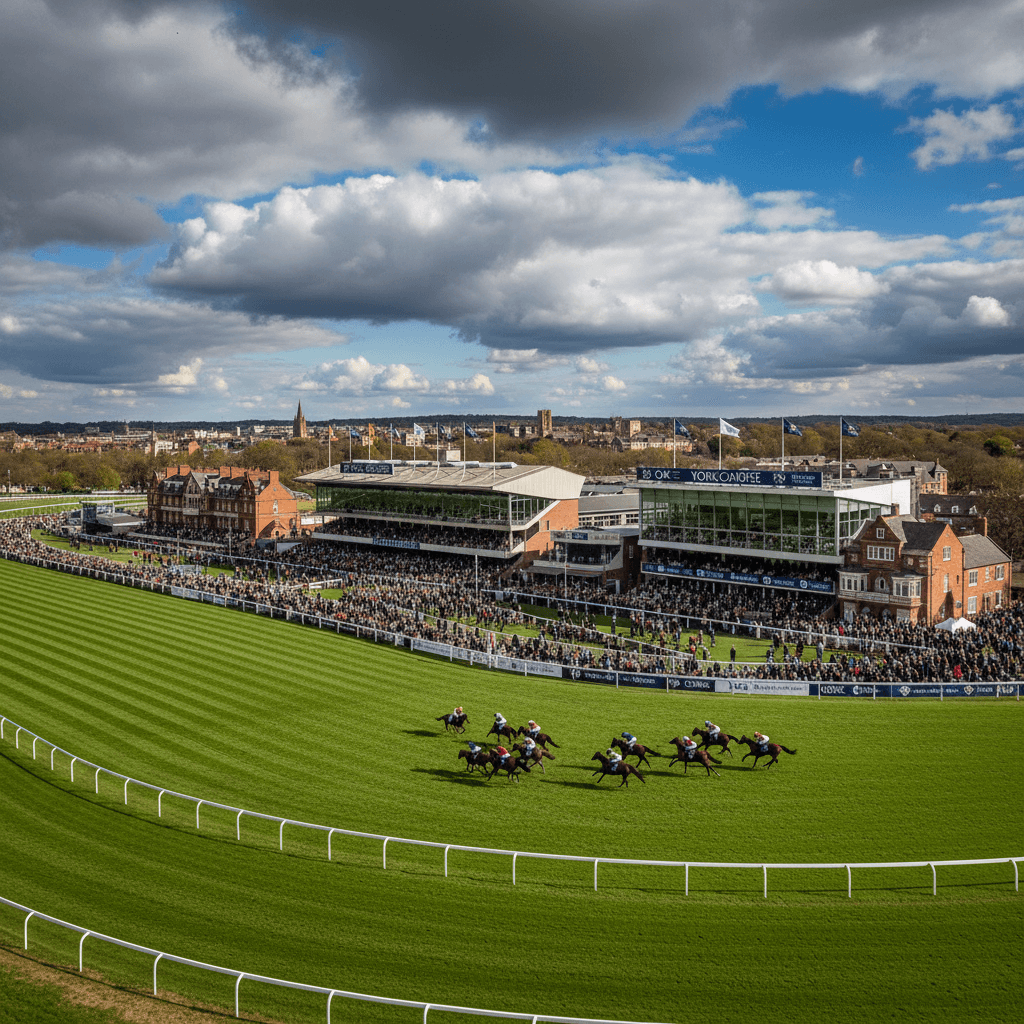
Ascot is a right-handed track, and that alone is worth scribbling on the back of your racecard. For the Flat, the course has a distinctive triangular shape with a notably long, uphill run-in that sorts the stayers from the pretenders. That finishing climb is relentless — horses who look to be cruising two furlongs out can suddenly find their legs going to jelly. It rewards genuine stamina and a strong, efficient action.
The straight mile is a beast in its own right. Running entirely on the straight course, it's one of the most testing in the country, with a pronounced rise that punishes any horse not travelling sweetly. On Good to Firm ground, pace is at a premium here — you want a horse that can settle, travel, and then find more when asked. Horses that front-run on the straight course often get swallowed up late on, so be wary of backing anything that needs to make all the running.
On the draw, the conventional wisdom at Ascot varies by distance and field size. Over sprint trips on the round course, a high draw can be advantageous as the track bends right-handed early. Over longer trips, it matters less, though horses that can settle in a good position through the first bend tend to be better placed. In big fields, always check where the pace is likely to come from — Ascot's wide, galloping nature suits horses ridden prominently but with enough class to sustain it.
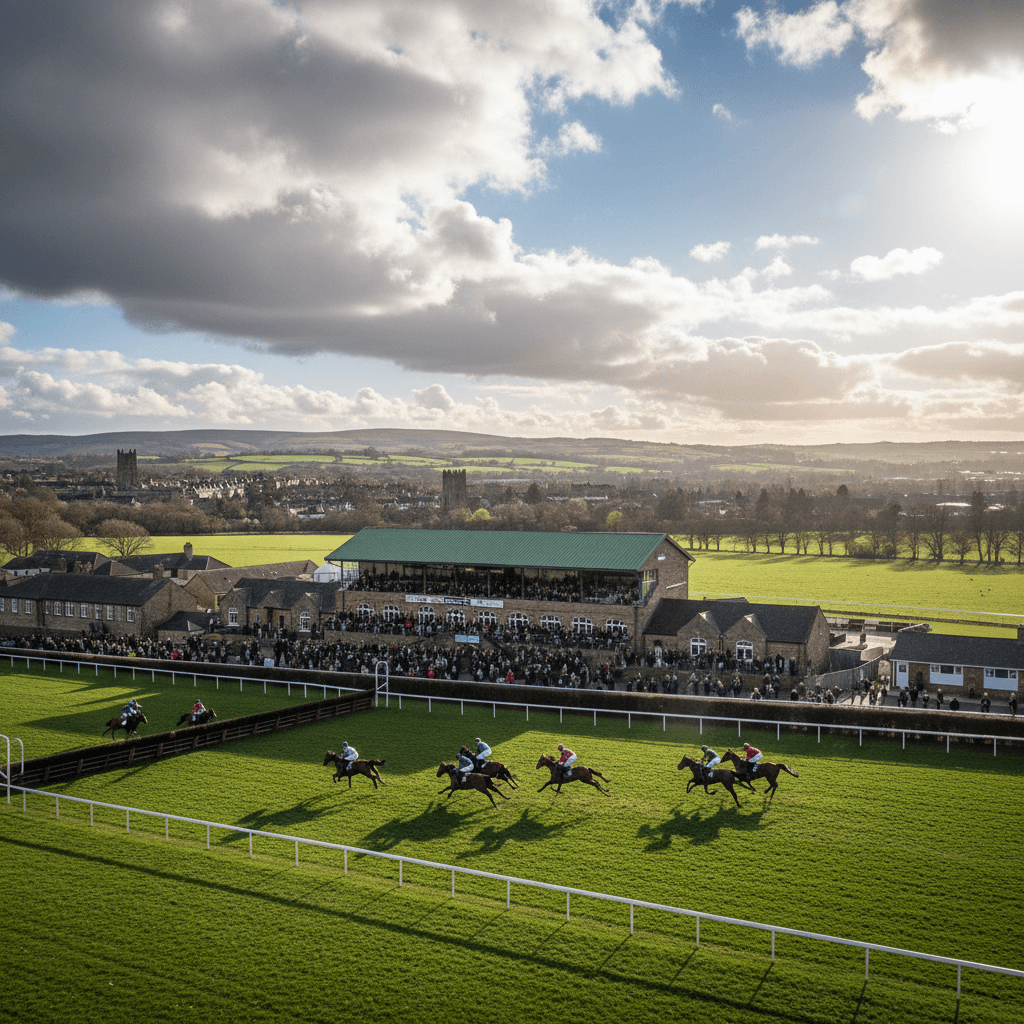
For the Jump card on Friday, the National Hunt course mirrors the Flat's challenges with well-placed fences and hurdles that reward jumping ability as much as raw speed. The uphill finish is just as punishing for the jumpers, and horses who are still on the bridle turning for home tend to have a significant edge. Novices and unexposed types can spring surprises here — keep an eye on anything from a top yard making a seasonal debut.
A Word on the Going and the Renovation Patches
The Good to Firm ground on the Flat course is generally excellent news for quick, athletic types — but the renovation note is genuinely worth heeding this week. Patches of younger, less dense grass can behave unpredictably, particularly in areas where hooves cut through more easily. Horses with a high knee action or those who tend to get unbalanced on uneven surfaces might not be at their very best. Conversely, horses with a low, ground-eating stride who handle fast ground efficiently should be fine. If in doubt, check the trainer comments in the racecard — good trainers will often give a steer on whether they're happy with the surface.
What Type of Horse Wins at Ascot?
Ascot, put simply, is a big horse's track. The wide, galloping nature of the course and that punishing uphill finish mean that small, nippy types who rely on a tight track to maximise their effectiveness often find Ascot a bridge too far. The horses who thrive here tend to share a few common traits:
- Strong stayers with a high cruising speed — they can sit in behind, travel sweetly, and still have plenty left for that climb to the line.
- Horses proven on fast or good-to-firm ground — particularly relevant this weekend. Check the form book for previous runs on similar going.
- Well-handicapped runners from leading stables — Ascot attracts quality, and trainers like to target it with horses they believe are ahead of their mark.
- Jump horses with a clean jumping record — the fences at Ascot are unforgiving of sloppy technique. A horse that jumps left-handed consistently might also find the right-handed track a challenge.
Practical Tips for Punters and Racegoers
Whether you're heading through the gates in person or settling in at home with a brew and a betting slip, here are a few things worth keeping in mind this week:
- Arrive early on the dual-purpose Friday. Two separate cards running on the same afternoon means the atmosphere will be lively and the car parks will fill up faster than you'd expect for a September fixture.
- Watch the market moves. Ascot attracts serious money from serious connections. If a horse drifts noticeably in the hour before the off, there's often a reason. Equally, a horse that firms up late is usually fancied.
- Don't ignore the each-way option. In competitive handicaps on a track this size, the placed positions can be your best friend. Three or four places are often paid in bigger fields.
- Check trainer and jockey combinations. Certain partnerships absolutely love Ascot. A top jockey who knows this track well — and knows when to hold a horse up for that uphill finish — is worth a premium.
- For the jumps card, look at seasonal debutants. Early September jump racing can catch a few horses who've summered well and are sharper than their rivals. Fresh horses, well-prepared, can be hard to beat.
Final Thoughts: Don't Miss This One
There's something quietly wonderful about September racing at Ascot. The Royal Ascot crowds have long since gone home, British Champions Day is still a few weeks away, and the course settles into a slightly more relaxed rhythm — but the quality remains. This isn't a filler meeting. This is Ascot doing what Ascot does: putting on proper racing, on a proper track, with proper horses.
The dual-purpose nature of Friday's card in particular is a real treat. Jump and Flat racing on the same afternoon at one of the world's great venues? My dad would have loved it. I intend to enjoy it on his behalf.
Head over to our Ascot course page for the full track profile, and make sure you've got the Friday racecard and the Saturday racecard pulled up and ready. Do your homework, trust your instincts, and enjoy every minute of it. That's what we're all here for.