There's Nowhere Quite Like Ascot
My grandfather used to say that Ascot was the only racecourse in Britain where even the pigeons looked well-dressed. He wasn't entirely wrong. There's a quality to the place — a kind of quiet grandeur — that gets under your skin the very first time you walk through the gates. I was about twelve years old on my first visit, trailing behind my dad with a racecard rolled up in my back pocket like I knew exactly what I was doing. I didn't, of course. But I remember the roar of the crowd as the field swept around the home turn and up that punishing uphill finish, and I thought: yes, this is it. This is the sport.
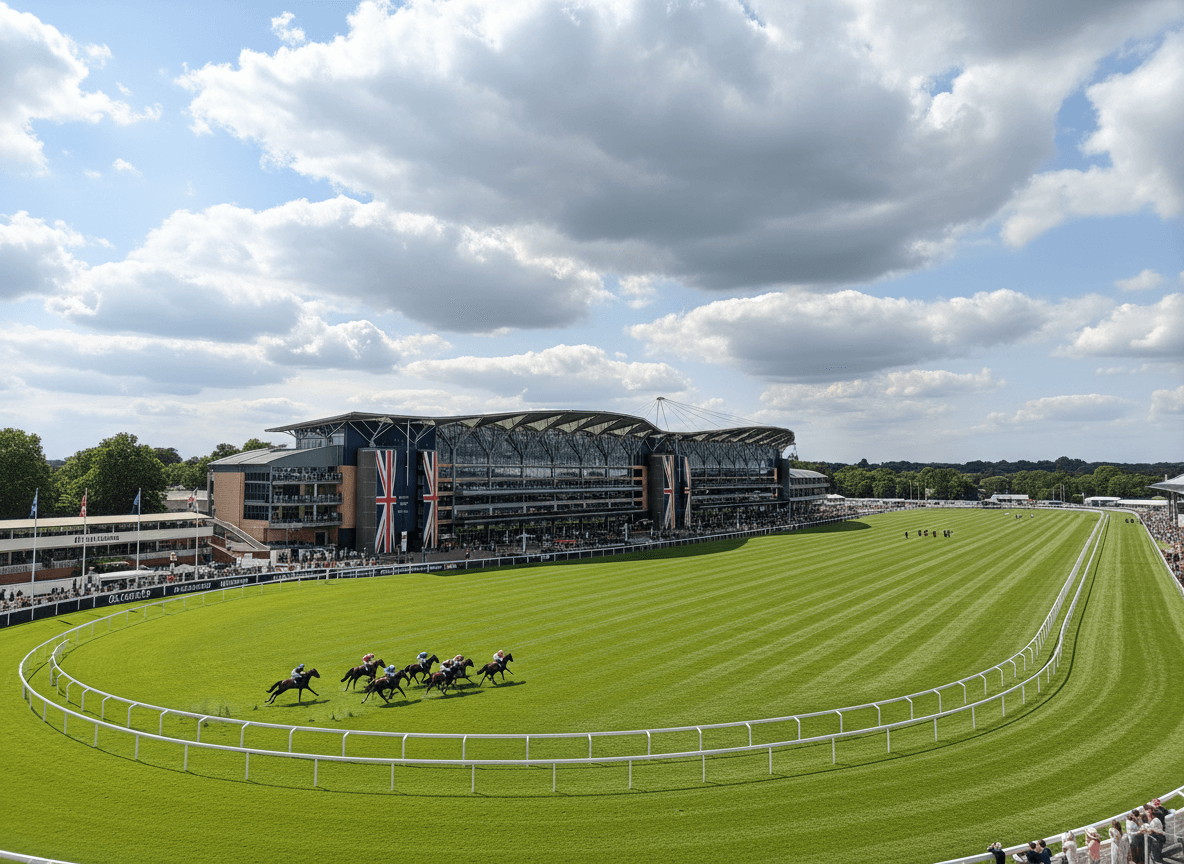
More than 300 years have passed since Queen Anne looked out across the Berkshire heathland and decided it would make a rather fine place to race horses. She had impeccable taste. Ascot has grown from those royal beginnings into one of the most celebrated racecourses on the planet — home to Royal Ascot in June, British Champions Day in October, and some of the finest Jump racing the winter calendar has to offer. But you don't need a top hat or a television crew to enjoy it. On any given raceday, it's simply a brilliant place to watch horses run fast.
This week, Ascot is back with two days of Flat racing to savour, and whether you're planning to be there in person or watching from your armchair with a cup of tea and a betting slip, we've got everything you need right here.
This Week's Fixtures at a Glance
Ascot stages two afternoon Flat meetings this week, both on what promises to be lovely ground for the horses and the punters alike.
- Friday, 2 October 2026 — Flat, afternoon, 6 races. Going: Good to Firm. See the full Ascot Friday, 2 October 2026 racecard.
- Saturday, 3 October 2026 — Flat, afternoon, 6 races. Going: Good to Firm. See the full Ascot Saturday, 3 October 2026 racecard.
Good to Firm in early October at Ascot is a genuine treat. The ground is quick enough to bring out the best in the speedier, more athletic types, but there's still just enough give to keep things safe and fair. If we get a couple of dry days leading in — and the forecast looks kind — conditions should be close to ideal. Fingers crossed the British weather behaves itself for once.
Know Your Course: Ascot's Quirks and Challenges
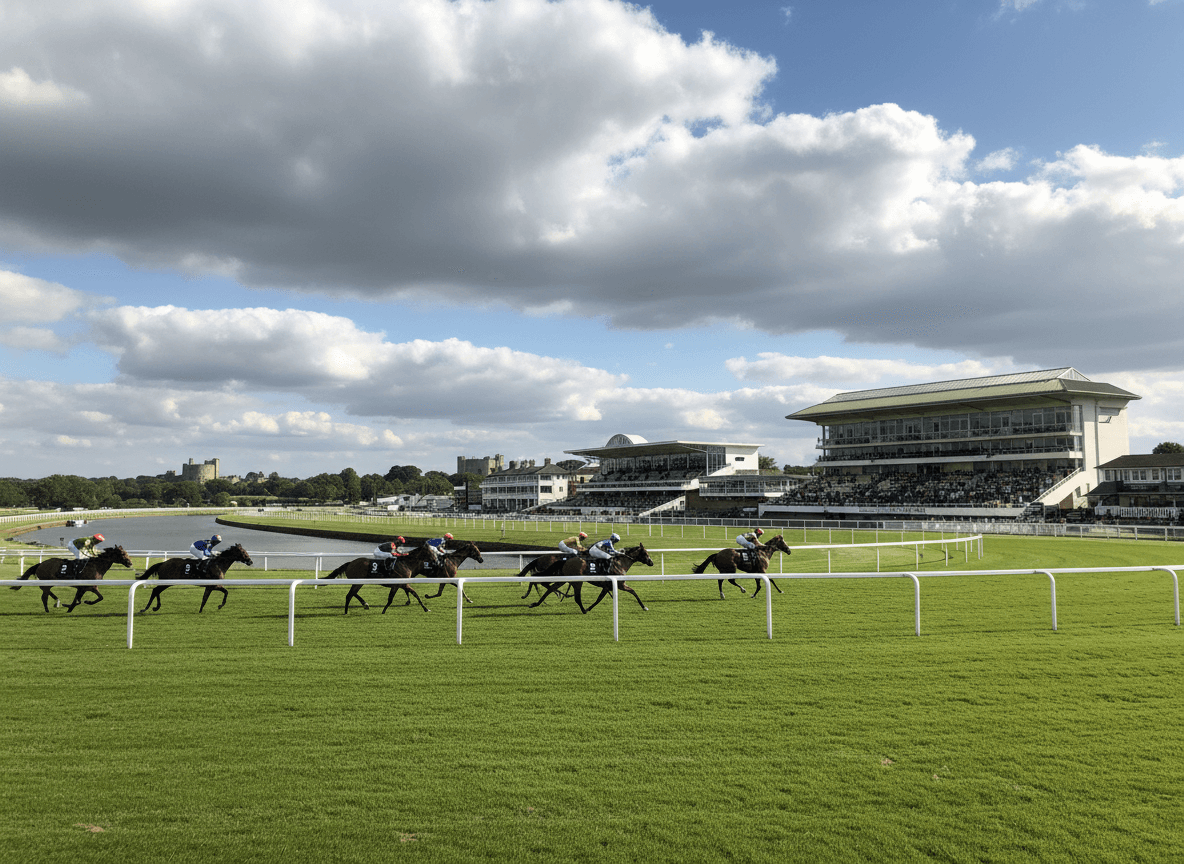
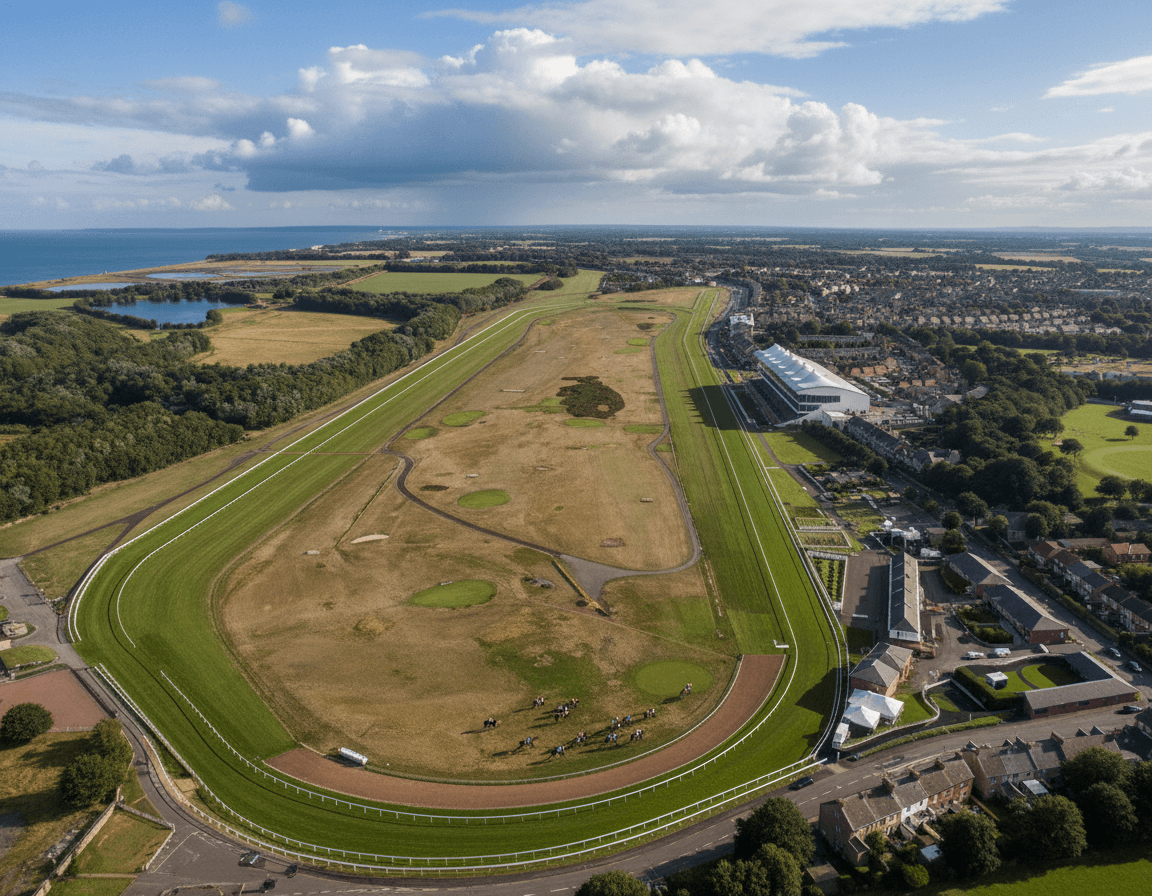
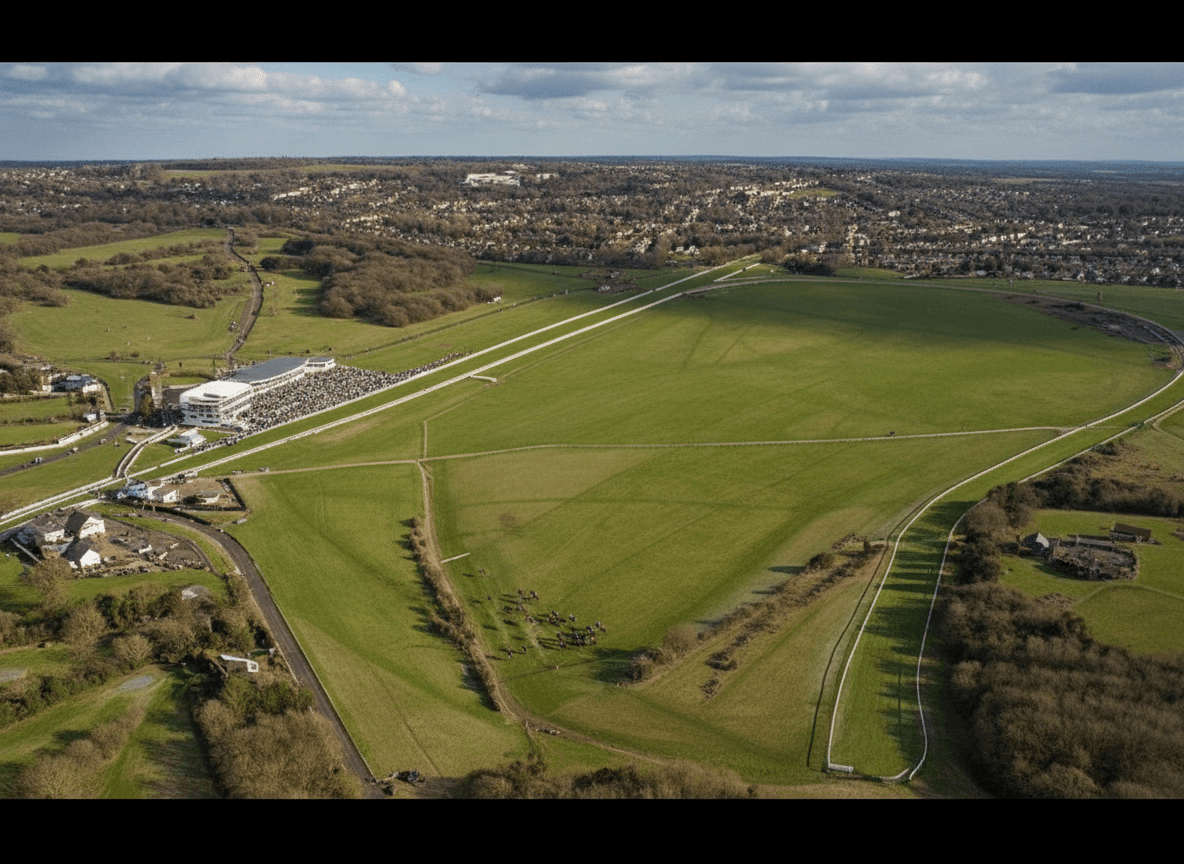
Ascot is a right-handed, triangular Flat track, and it has a personality all of its own. Understanding it gives you a real edge when you're studying the form.
The Uphill Finish
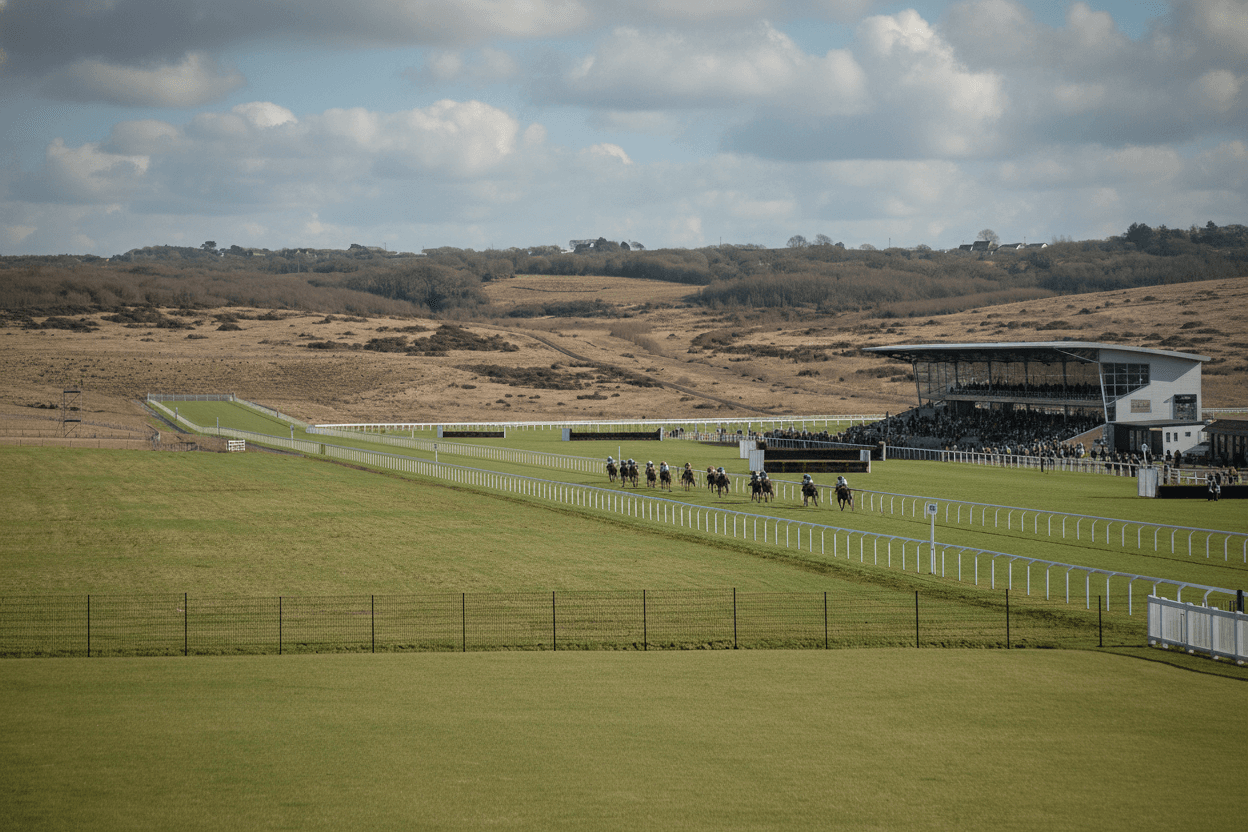
The most important thing to know about Ascot is that the home straight rises noticeably from the two-furlong pole to the winning post. It doesn't look dramatic on television, but horses feel it — especially those that have been ridden prominently and used up their energy early. This is a track that rewards stamina, class, and a well-timed challenge. Horses that can quicken late up that hill are the ones you want to be on.
Draw Bias
On the round course, draw bias tends to be relatively neutral, though in larger fields — particularly over shorter distances — horses drawn in the middle to high stalls can find themselves slightly disadvantaged if the pace is uneven. On the straight mile, which is one of the finest tests of a Flat horse in Britain, a low draw is generally considered an advantage, particularly on Good to Firm ground when horses want to hug the stands' rail. It's always worth checking where your selection is drawn before committing your money.
Pace and Race Shape
Ascot's uphill finish means that a truly run race often sorts itself out on merit — but if the pace is slow, you can get scrappy finishes where the front-runners pinch it. Keep an eye on how many confirmed pace-setters are in each race. If there's a genuine gallop on, the hold-up horses get their chance. If it's a dawdle, be wary of anything that needs a strong pace to show its best.
The Type of Horse That Wins at Ascot
Ascot is not a course for the faint-hearted or the one-dimensional. The horses that thrive here tend to share a few key qualities:
- Stamina and class — The uphill finish finds out those that are all speed and no substance. Look for horses with a proven ability to stay their distance comfortably.
- Previous course form — Ascot winners tend to come back and win again. If a horse has won here before, especially on similar ground, that's a significant tick in the box.
- Horses that travel well in their races — Those that settle into a rhythm and travel smoothly through the field tend to have enough left in the tank when the hill bites. Tearaways that lead from the front and burn themselves out rarely hold on.
- Horses trained by the big yards — Trainers like John and Thady Gosden, Aidan O'Brien, and Charlie Appleby have exceptional records here. When the top stables send their better horses to Ascot, they usually mean business.
None of this means you should blindly follow the favourites — where's the fun in that? But it does mean that when a horse ticks several of these boxes, it's worth paying close attention.
Practical Tips for Punters and Racegoers
Whether you're heading to Berkshire in person or betting from home, a few practical pointers can make all the difference.
If You're Going to the Races
Ascot is well set up for a day out, but it's worth arriving early — especially on Saturday when crowds tend to be larger. The parade ring is superb here; take the time to watch the horses before each race. You can learn an enormous amount just from seeing how a horse moves, how it's sweating up (or not), and how relaxed it looks. A horse that's on its toes and sweating heavily before a race is often using up energy it might need later. A calm, bright-eyed horse walking out well is usually a good sign.
If You're Betting From Home
- Check the going reports on the morning of racing — conditions can shift, and trainers sometimes withdraw horses if the ground isn't quite right for them.
- Study the draw carefully, particularly in races over the straight mile.
- Look for horses with previous Ascot form. The Ascot course page has all the historical data you need.
- Don't neglect the each-way market in competitive handicaps — Ascot fields can be deep, and a place return is often very worthwhile.
A Final Word
Ascot in October isn't Royal Ascot — there are no top hats, no carriage processions, no quite-so-theatrical hats in the enclosures. But in some ways, that's exactly what makes it special. The racing stands on its own two feet. It's honest, competitive, and often very, very good.
Two days of Flat racing on Good to Firm ground, six races a day, and all of it set against the backdrop of one of the great sporting venues in the world. You could do a lot worse with your Friday and Saturday this week, I'll tell you that much.
Check out the racecards for Friday, 2 October and Saturday, 3 October, do your homework, and enjoy every minute of it. Good luck out there — and may your horses all find the uphill finish a little less steep than usual.