A Course Unlike Any Other
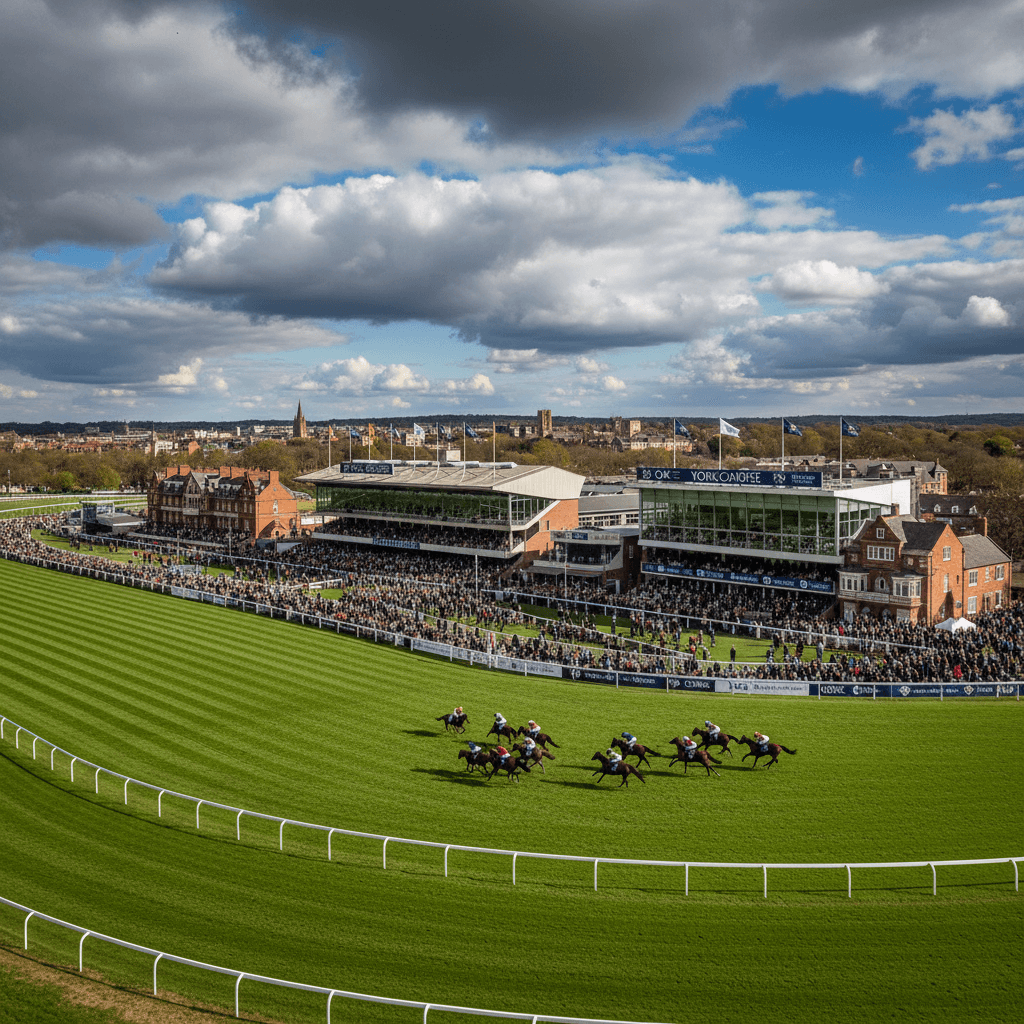
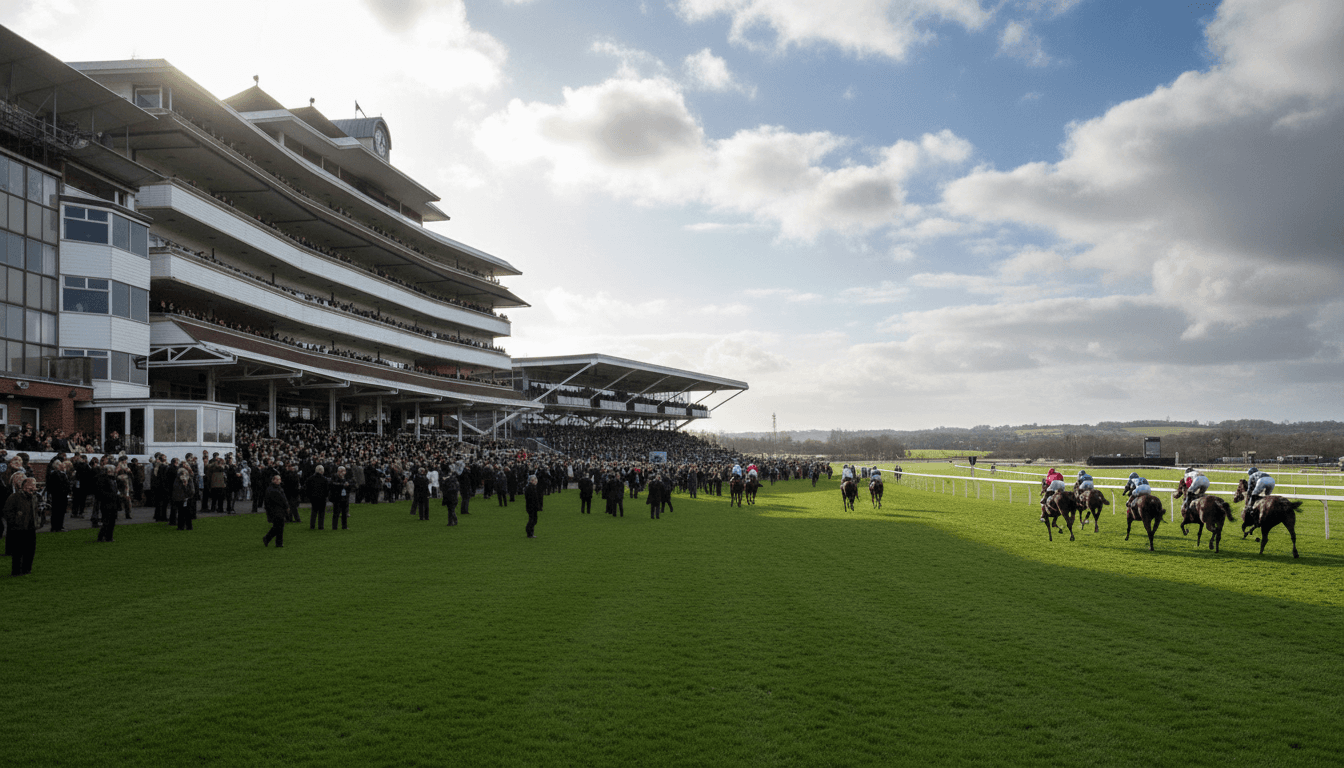
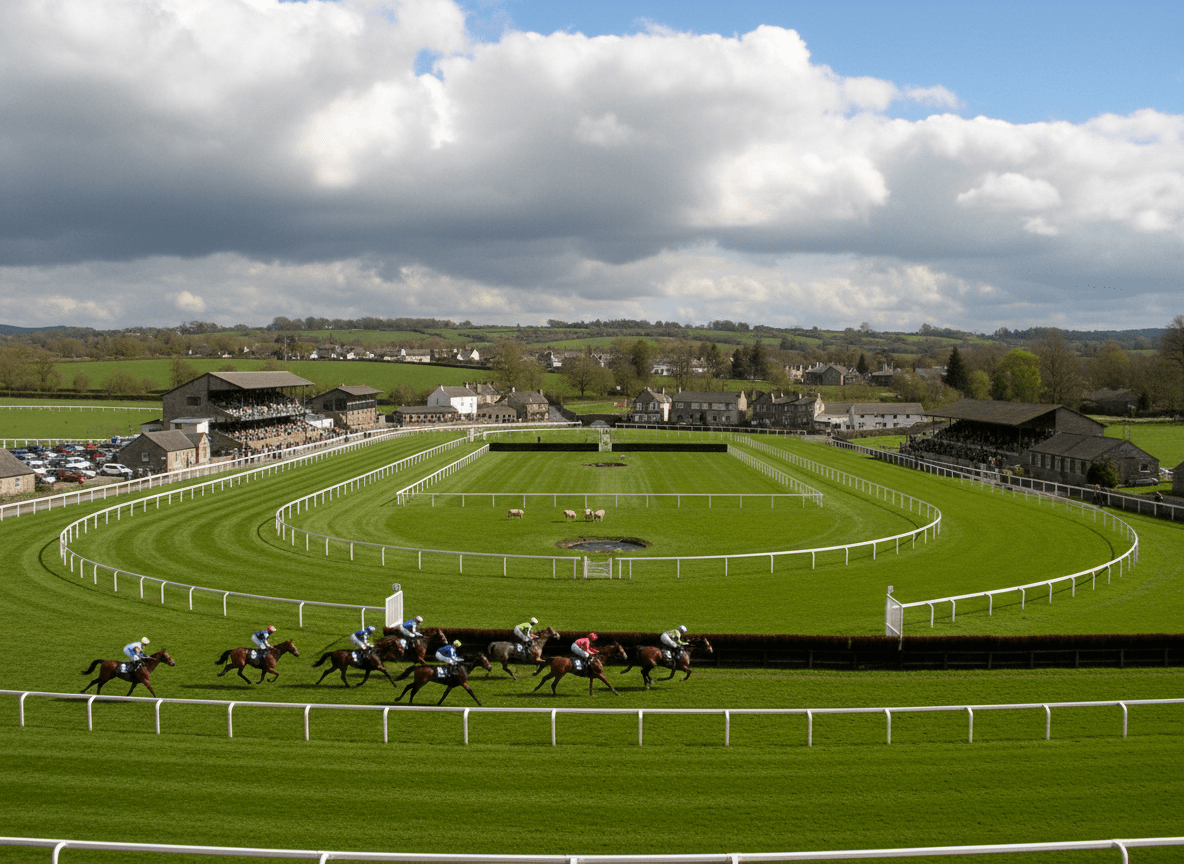
There are racecourses that impress through sheer scale — vast grandstands, manicured parade rings, the hum of corporate hospitality — and then there is Bangor-on-Dee. Tucked into a gentle bend of the River Dee in Wrexham, this quietly extraordinary track has been hosting racing since 1859, and in all those years it has never felt the need to build a grandstand. Not one. That absence, which might sound like a shortcoming to the uninitiated, is in fact the source of much of the course's considerable charm. Racegoers stand along the bankside, close to the action in a way that no tiered concrete structure could ever replicate, the horses passing near enough that you can hear the breath in their lungs and the turf giving under their hooves. It is, for want of a better word, intimate — and in an era when so much of racing risks feeling packaged and remote, that intimacy matters enormously.
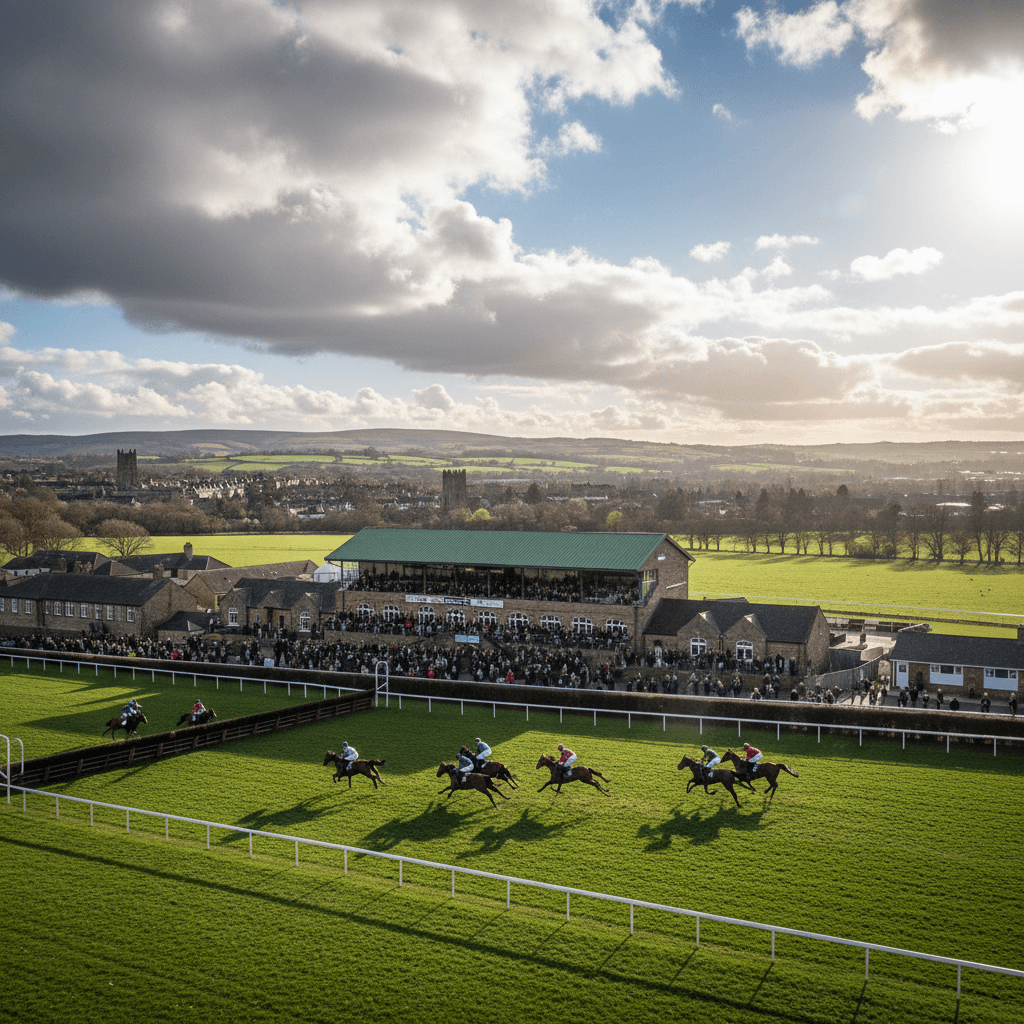
The course is also, it should be said, a proper test. Its left-handed, undulating circuit demands horses that are balanced, agile, and genuinely honest in their effort. This is not a track that flatters the lazy or forgives the unbalanced. It has a long and proud history as a proving ground — a place where promising young horses take early steps that sometimes lead, in time, to the very top of the sport. That story, repeated across more than 160 years of fixtures, gives Bangor-on-Dee a warmth and a sense of purpose that few tracks can match.
This Weekend's Fixtures: Flat Racing on the Bank Holiday
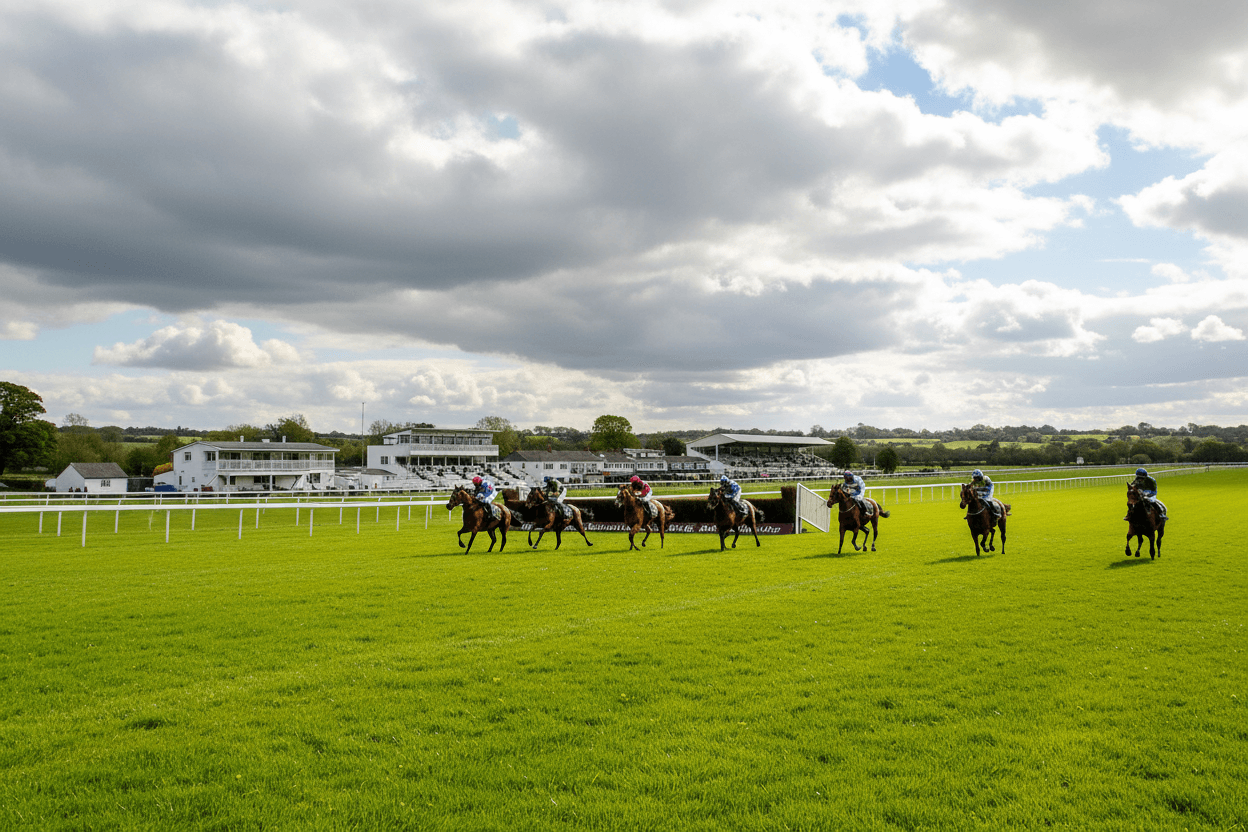
Now, here is something that catches the eye this particular week: Bangor-on-Dee, so closely associated in many minds with National Hunt racing — the jumping game, the winter months, the muddy boots and steaming horses — is hosting a Bank Holiday flat racing double-header. Two afternoon cards, back to back, on Saturday 29 and Sunday 30 August 2026, with six races on Saturday and seven on Sunday. The going is reported as Good to Soft on both days, which feels about right for late August in north Wales, where the summer has a habit of softening at the edges just when you'd like it to hold firm.
Good to Soft is, in many respects, a generous surface — testing enough to reward genuine stamina, but not so deep that it becomes a lottery or raises welfare concerns. It rewards horses that travel well through the ground rather than those that depend on a fast, bouncy surface to show their best. For racegoers, it also means conditions underfoot that are perfectly walkable, which matters when there is no grandstand to retreat to. Do bring a layer, though. The Dee Valley has its own microclimate, and a Bank Holiday afternoon by the river can turn breezy with very little warning.
You can view the full racecard for Bangor-on-Dee Saturday, 29 August 2026 and the Bangor-on-Dee Sunday, 30 August 2026 card on our site — both are worth studying carefully, because this is a track where course knowledge genuinely pays dividends.
Reading the Track: What Bangor-on-Dee Rewards
For those coming to Bangor-on-Dee's flat cards with fresh eyes, a few things are worth understanding about how this track rides and what it tends to reward.
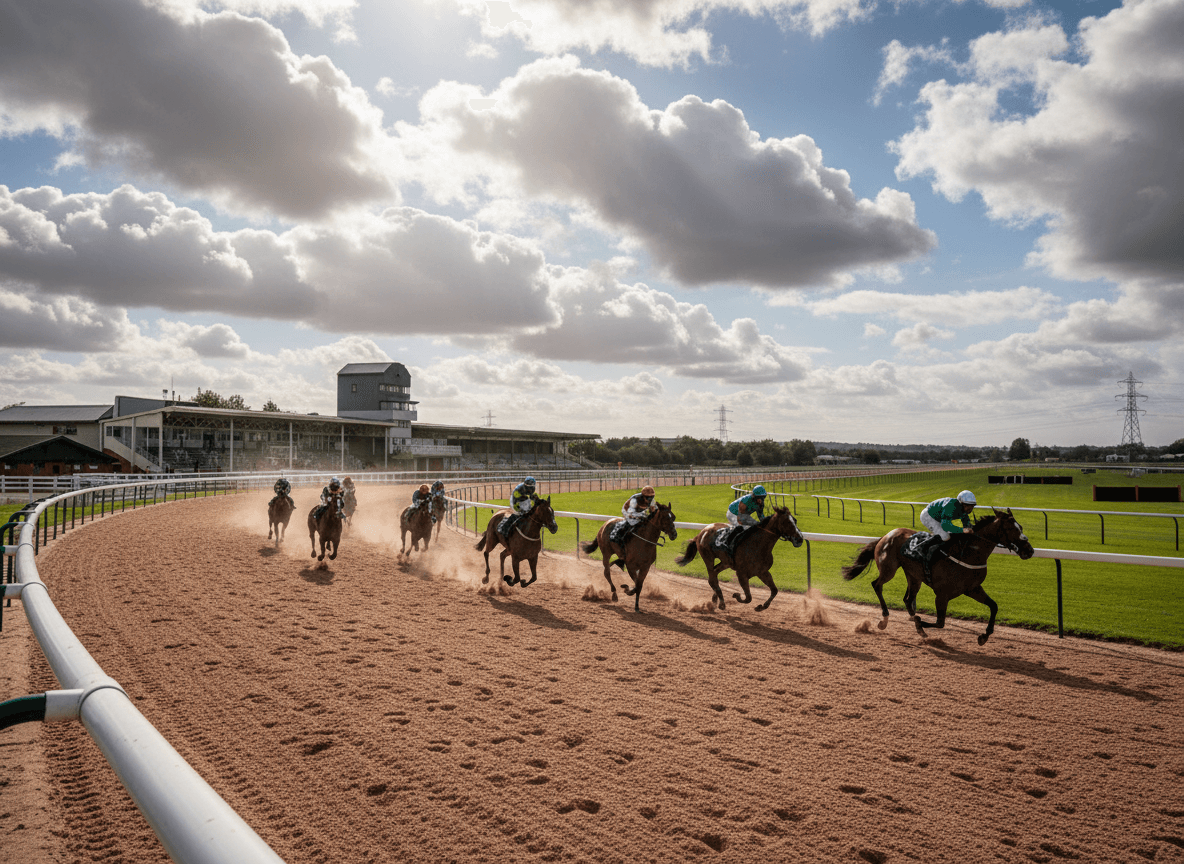
The circuit is left-handed and undulating, with turns that arrive sooner than some horses expect. On the flat, this places a premium on horses that are naturally balanced through a bend — those that can maintain their rhythm without losing momentum as the track curves. Horses that race prominently tend to do well here, simply because the tight nature of the track makes it difficult for runners coming from off the pace to find clear daylight in the closing stages. If a horse has the ability to travel comfortably in the first three or four, it is worth noting.
The Good to Soft going this weekend will stretch the races out slightly in terms of effort, meaning that genuine stamina becomes a factor even in what might appear to be sprint distances. Horses that have shown they stay their trip well — and ideally that have form on a soft-ish surface — deserve to be near the top of your shortlist. Conversely, be cautious about horses whose best form has come on fast ground or on wide, galloping tracks. Bangor-on-Dee is neither of those things.
Draw and Pace Considerations
On a track of this nature, draw bias can shift depending on the distance and the state of the going, so it is always worth checking how the stalls are positioned on the day. As a general guide, low draws tend to be favoured on left-handed tracks of this configuration, particularly over shorter trips where the first bend arrives quickly. Over longer distances, the draw becomes less decisive, and it is pace and jumping ability — even on the flat, the ability to handle the undulations cleanly — that comes to the fore. Watch the market moves on the morning of each race; local trainers who know this track well often have a clear sense of which of their horses will handle the conditions, and that confidence tends to be reflected in the betting.
Practical Tips for Racegoers and Punters
If you are planning to attend either day this weekend, here is what I would suggest:
- Arrive early and walk the course perimeter. Without a grandstand, the viewing experience here is genuinely participatory — you choose your spot, you move around, you get close to the action. Give yourself time to find the right vantage point before the first race.
- Watch the parade ring carefully. At a track this size, the parade ring is accessible and unhurried. Horses that are calm, well-presented, and moving freely through the ring often carry that ease into their performance. It is one of the few courses where a good eye in the parade ring can genuinely inform your betting.
- Respect the going report, but look at the horses' coat and condition. Good to Soft covers a range of surfaces. A horse that has been trained on similar ground in the preceding weeks will handle the conditions more naturally than one arriving off a summer break on a different surface entirely.
- Back course specialists and course-and-distance winners. This sounds obvious, but it is especially true at Bangor-on-Dee. The track's quirks are specific enough that horses which have already shown they handle them are genuinely advantaged over those encountering them for the first time.
- Don't overlook Welsh-trained runners. Trainers based in and around north Wales know this track with an affection and familiarity that shows in their results. When a local yard sends a horse here with obvious intent — first-time headgear, a step up in trip, a jockey booking that suggests confidence — it is worth paying attention.
A Final Word: Why Bangor-on-Dee Matters
Racing needs its Bangor-on-Dees. In a sport that can sometimes seem to be pulling inexorably toward the big, the commercial, and the televised, there is something quietly vital about a course that has spent 167 years doing things its own way — no grandstand, no pretension, just horses and people and a river and a stretch of turf that has witnessed more drama than most of us will ever know. The welfare of horses here is taken seriously; the tight, undulating nature of the track means that officials, trainers, and jockeys alike approach it with respect, and the intimate atmosphere means that the crowd, too, tends to watch with a kind of attentiveness you don't always find at larger venues.
A Bank Holiday weekend at Bangor-on-Dee is, in the truest sense, a racing occasion — unhurried, genuine, and quietly unforgettable. Whether you are there in person or following along with the racecards for Saturday and Sunday, I hope the weekend delivers exactly the kind of racing this special little course has always been so good at providing.