A Course That Deserves More Than a Cancelled Week
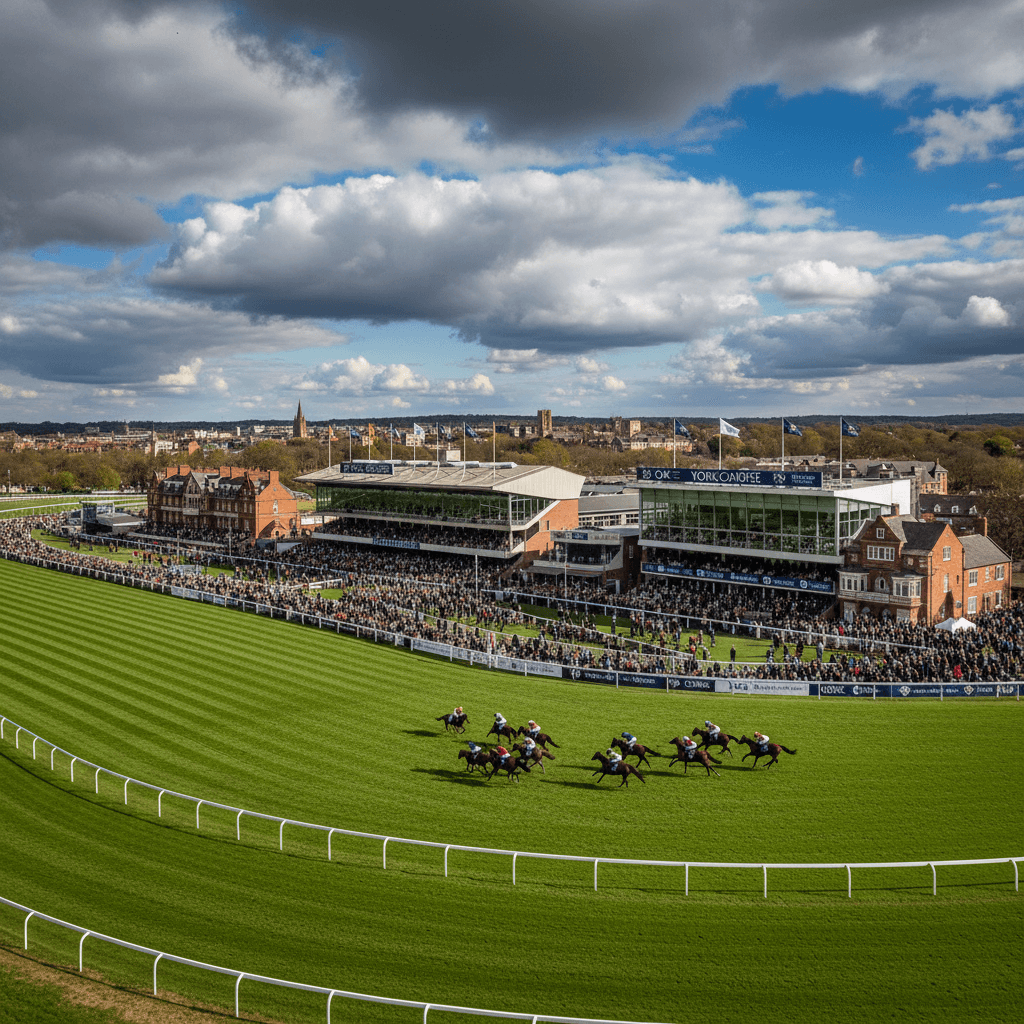
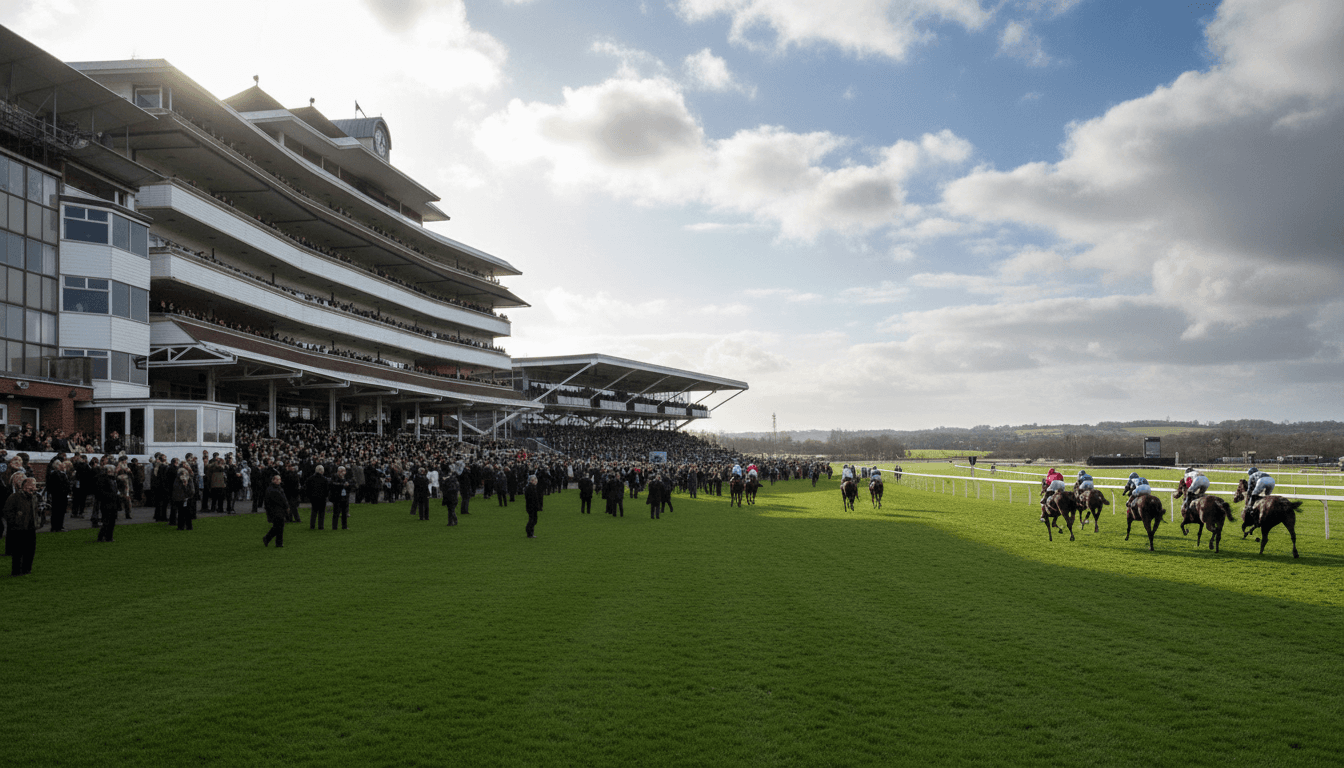
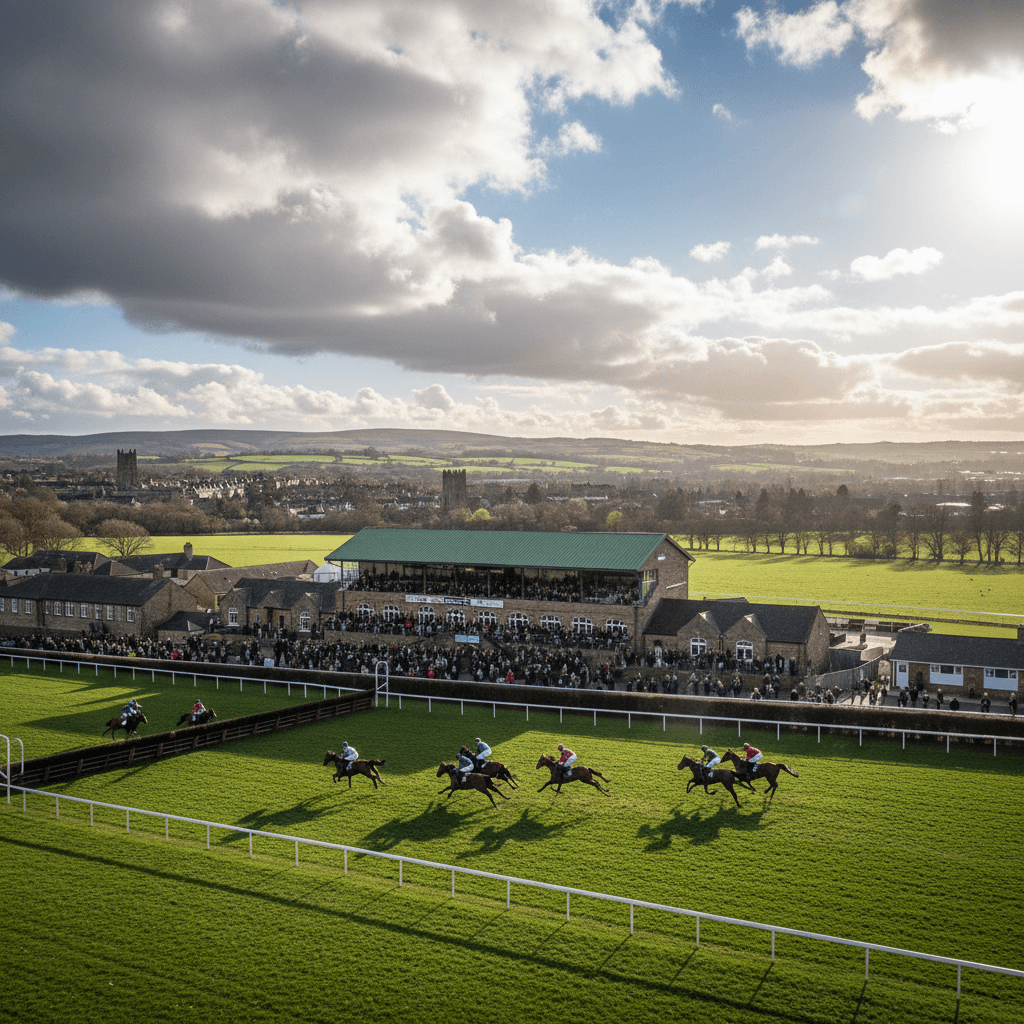
There are racecourses you visit out of habit, and there are racecourses you visit because they make you feel something. Chelmsford City has always belonged firmly in the second category. Tucked away in the Essex countryside, this compact, well-appointed track has quietly built a reputation as one of the most enjoyable flat racing experiences in the country — a place where the racing is sharp, the atmosphere is genuine, and the horses seem to run with a particular kind of relish that you don't always find elsewhere.
Which makes it all the more frustrating to report that this week, Chelmsford City falls silent on both of its scheduled racedays. The Thursday afternoon card and the Saturday evening fixture have both been abandoned, and while the reasons are entirely understandable — and, crucially, handled with the proper care and diligence that horse welfare demands — it still stings a little when a course this good goes dark, even briefly.
So rather than simply note the cancellations and move on, let's take the opportunity to do what Chelmsford City deserves: give it the full attention it has earned.
This Week's Fixtures — and Why They Won't Be Running
The Chelmsford City Thursday, 27 August 2026 card — a six-race afternoon flat fixture — was abandoned more than 72 hours in advance, with the decision supported by a BHA Inspector. That kind of early, transparent call is exactly what responsible racecourse management looks like. There's no glory in abandoning a meeting, but there is integrity in doing so promptly, giving connections, punters, and racegoers the maximum possible notice rather than dragging the uncertainty out until the last moment.
Similarly, the Chelmsford City Saturday, 29 August 2026 evening card — seven races under the lights — was also called off within the 72-hour window. Evening fixtures at Chelmsford have a particular magic to them: the floodlights casting long shadows across the track, the summer warmth lingering into the early evening, the sense that racing after dark is somehow both more glamorous and more intimate than its daytime counterpart. Losing that this Saturday is a genuine disappointment.
Whatever the underlying conditions prompted these decisions, the process was followed correctly. That matters. The welfare of horses, stable staff, and everyone who travels to a racecourse should always take precedence over the commercial appeal of a fixture, and Chelmsford City — along with the BHA — has acted accordingly here.
What Makes Chelmsford City So Special
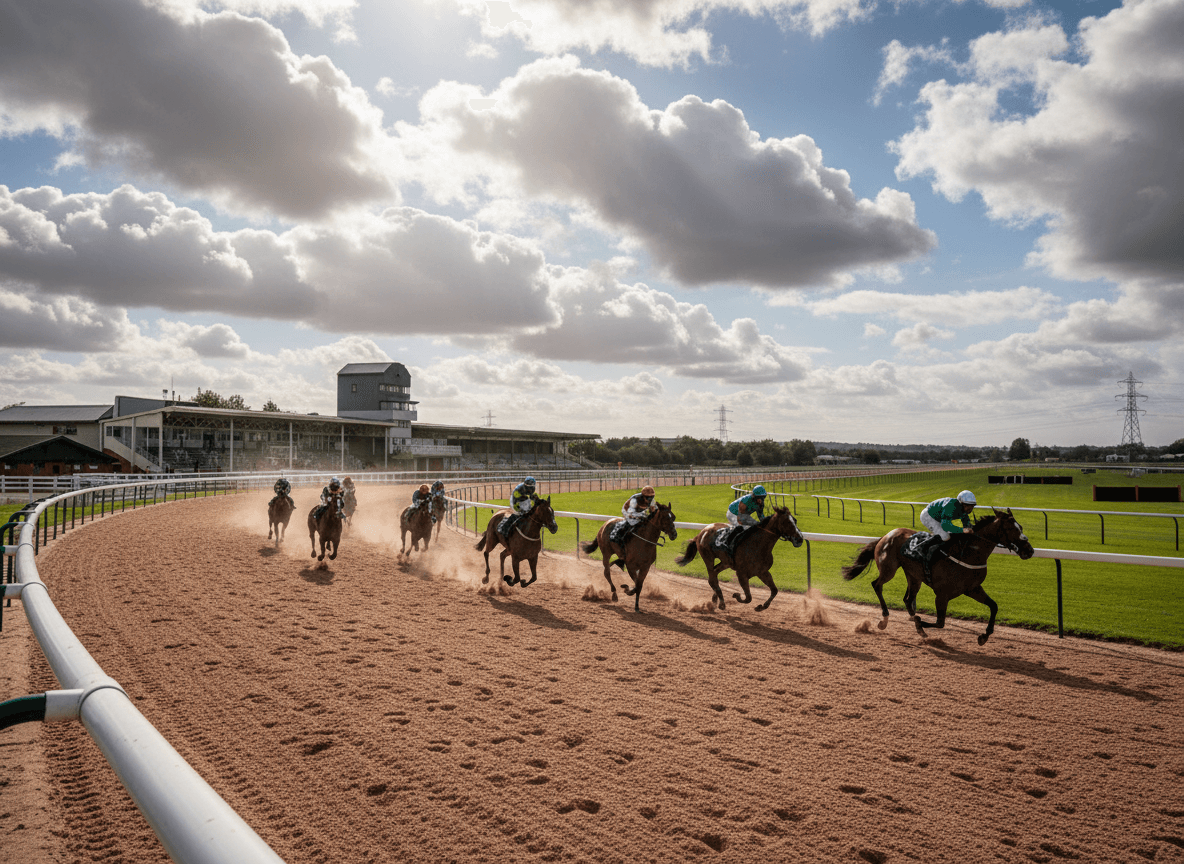
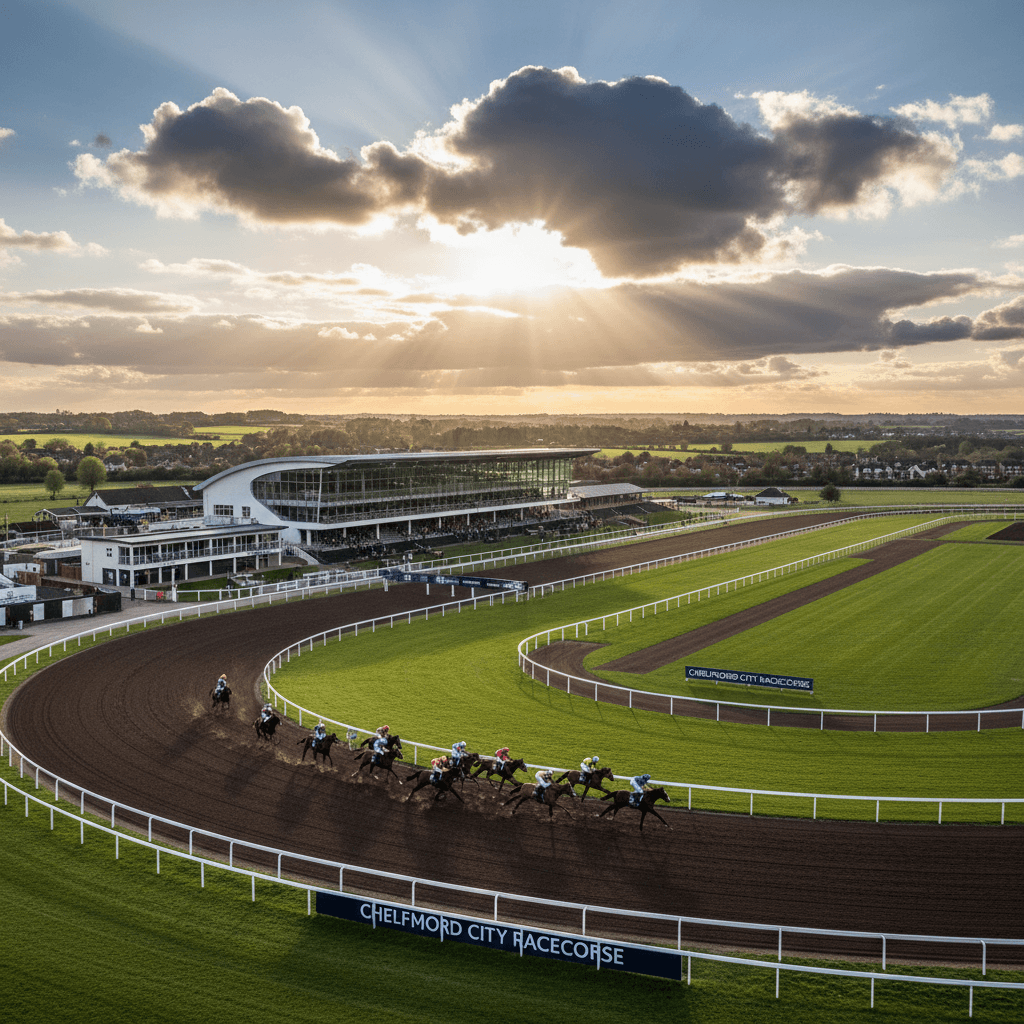
For those who haven't yet made the trip, Chelmsford City is built around a tight, left-handed oval circuit with a circumference of around a mile and a quarter. The all-weather surface — a Polytrack configuration — means the course operates year-round, and it's that consistency that has helped it cultivate such a loyal following among both trainers and punters alike.
The track rewards horses with a particular profile. Prominent racers and those who travel smoothly through their races tend to have an advantage here, particularly over the shorter distances, where the tight turns can catch out horses that need time and space to find their stride. Over six furlongs and seven furlongs, the draw can play a meaningful role — lower draws have historically shown an advantage in larger fields, particularly when the pace is strong and the rail becomes a genuine asset. It's the kind of detail that separates a casual flutter from a considered one.
Over a mile and beyond, the picture becomes more nuanced. The additional distance allows the race to develop more organically, and horses that might struggle with the sharp early pace over shorter trips often come into their own as the field strings out through the back straight. Chelmsford has a way of finding out which horses are genuinely good and which ones are flattered by easier opportunities — there's a quality to the racing here that punters have learned to respect.
The Type of Horse That Thrives at Chelmsford
Ask any trainer who regularly targets Chelmsford City and they'll tell you the same thing: horses with a slick, efficient action tend to be rewarded here. The Polytrack surface is forgiving without being too giving, and it suits horses that are well within themselves — those that don't need soft ground to perform and can handle a consistent, reliable surface week after week.
Horses trained on all-weather gallops and those with a proven record on synthetic surfaces are always worth noting on the racecard. Equally, lightly raced improvers can be particularly dangerous at Chelmsford — the track doesn't expose weaknesses in the way that a stiff, undulating turf course might, and a horse with natural ability and a clean bill of health can run well beyond its official rating here.
From a welfare perspective, it's also worth noting that the all-weather surface at Chelmsford is generally considered kinder on horses' joints and tendons than firm turf, which is one reason you'll often see older, more experienced horses performing with great credit here long after they might have retired from turf campaigns. There's something quietly moving about watching a ten-year-old veteran run with genuine enthusiasm on a surface that keeps them sound and happy — and Chelmsford provides that environment.
Practical Tips for When Racing Returns
For those planning future visits or looking to sharpen their betting approach when the gates open again at Chelmsford, a few things are worth keeping in mind:
- Check the draw carefully in sprint fields. In competitive six- and seven-furlong handicaps with large fields, low draws have a consistent historical edge. It's not absolute, but it's real enough to factor into your thinking.
- Pace matters enormously. Chelmsford races are often set up by a strong early gallop, and horses that can sit just off the pace — rather than leading or chasing hard from the back — tend to be ideally positioned at the business end.
- Evening fixtures have a different energy. The Saturday evening cards attract a different crowd and a slightly different set of runners. Trainers sometimes target these meetings specifically, and a horse appearing at an evening fixture for the first time can be a positive rather than a negative signal.
- Don't overlook course specialists. Some horses simply love Chelmsford. When you see a horse returning to a track where it has previously won or run well, the form deserves serious weight — the surface suits them, and they know it.
- Arrive early if you're attending in person. The paddock at Chelmsford is compact and intimate, which means you can get genuinely close to the horses before a race. That's invaluable — watching a horse's demeanour, coat, and movement in the pre-parade ring tells you things that no form guide ever can.
Looking Ahead — Chelmsford Will Be Back
Abandoned fixtures are part of racing's rhythm, frustrating as they are. The sport operates in the real world, subject to weather, ground conditions, and the thousand variables that no racecard can fully anticipate. What matters is that when Chelmsford City does return — and it will, very soon — it will do so as the same warm, well-run, genuinely exciting venue it has always been.
This is a course that cares about getting things right, and that philosophy runs from the stewards' room to the stable yard. For those of us who love racing not just as a betting medium but as a living, breathing spectacle built around extraordinary animals, places like Chelmsford City are worth celebrating even in the weeks when they're quiet.
Keep an eye on the Chelmsford City course page for updates on upcoming fixtures, rescheduled cards, and all the latest going information. The horses will be back. And so, with any luck, will we.