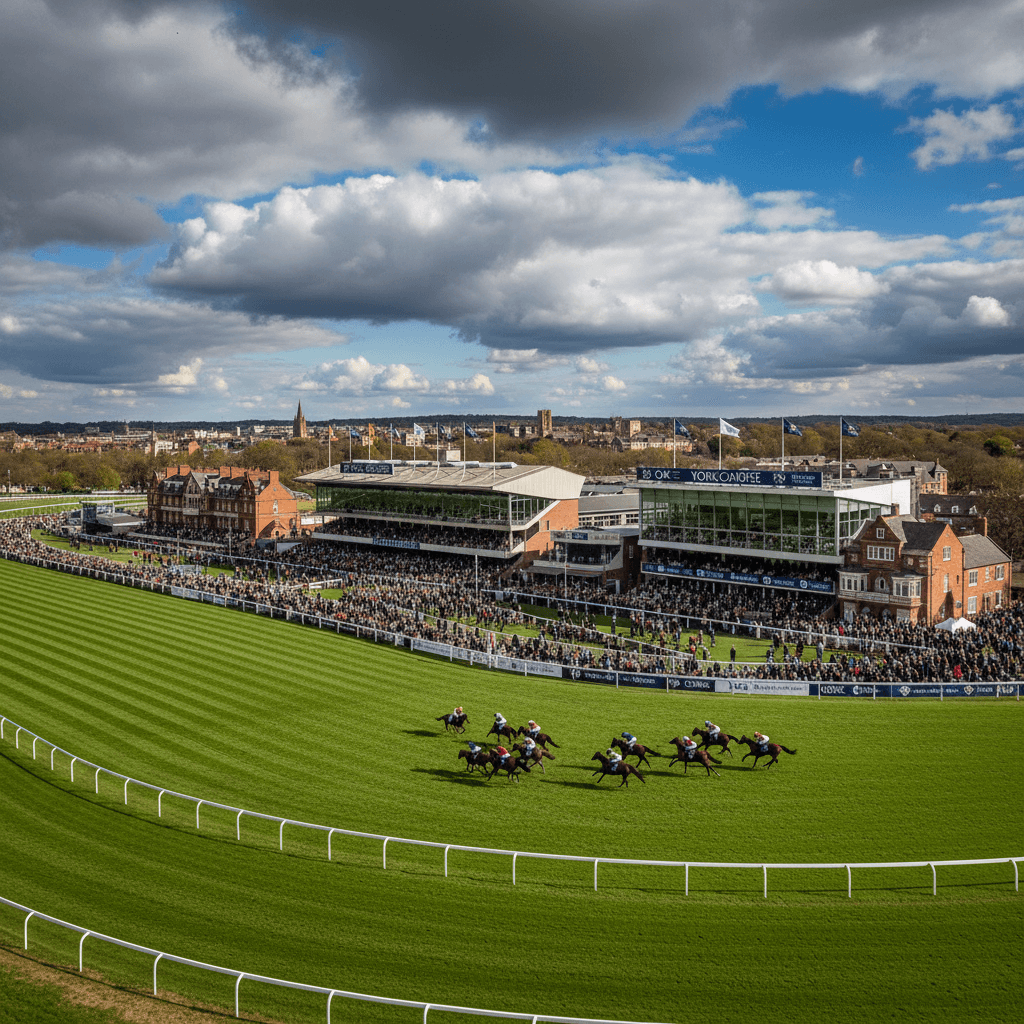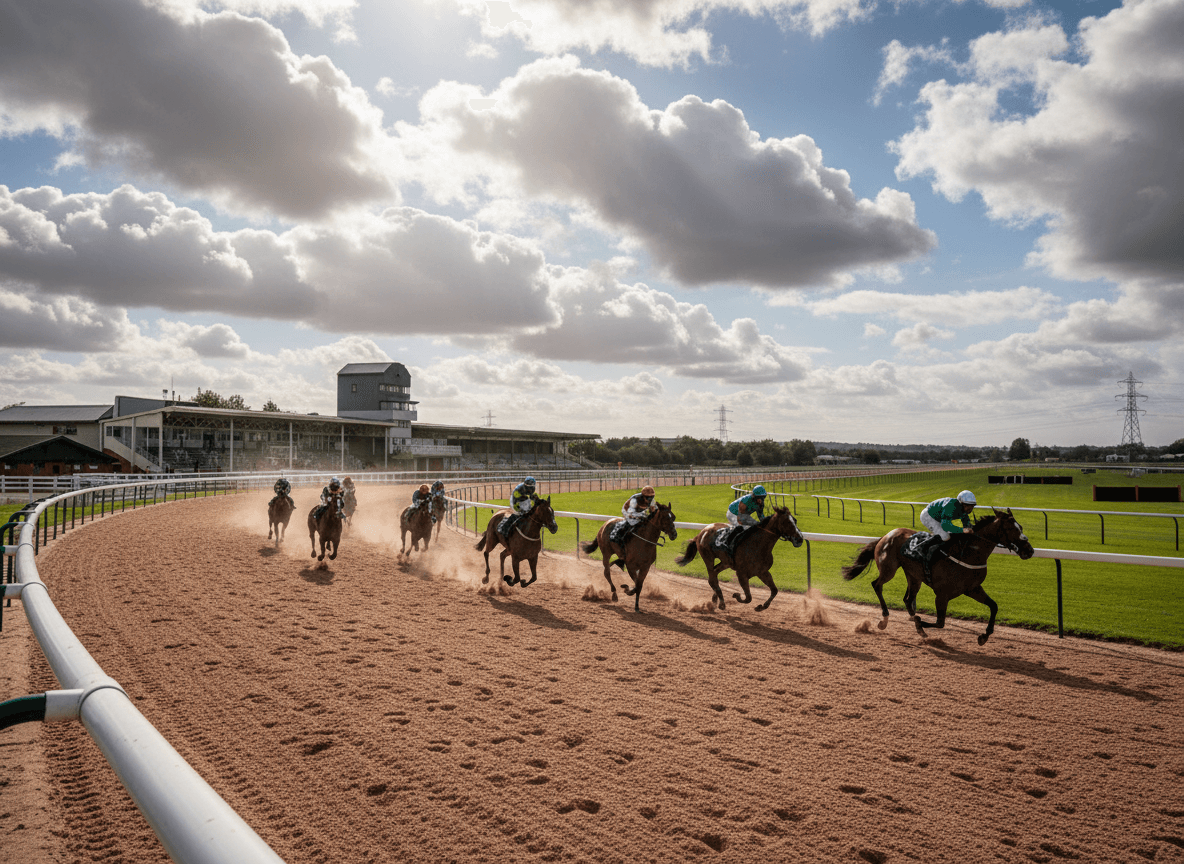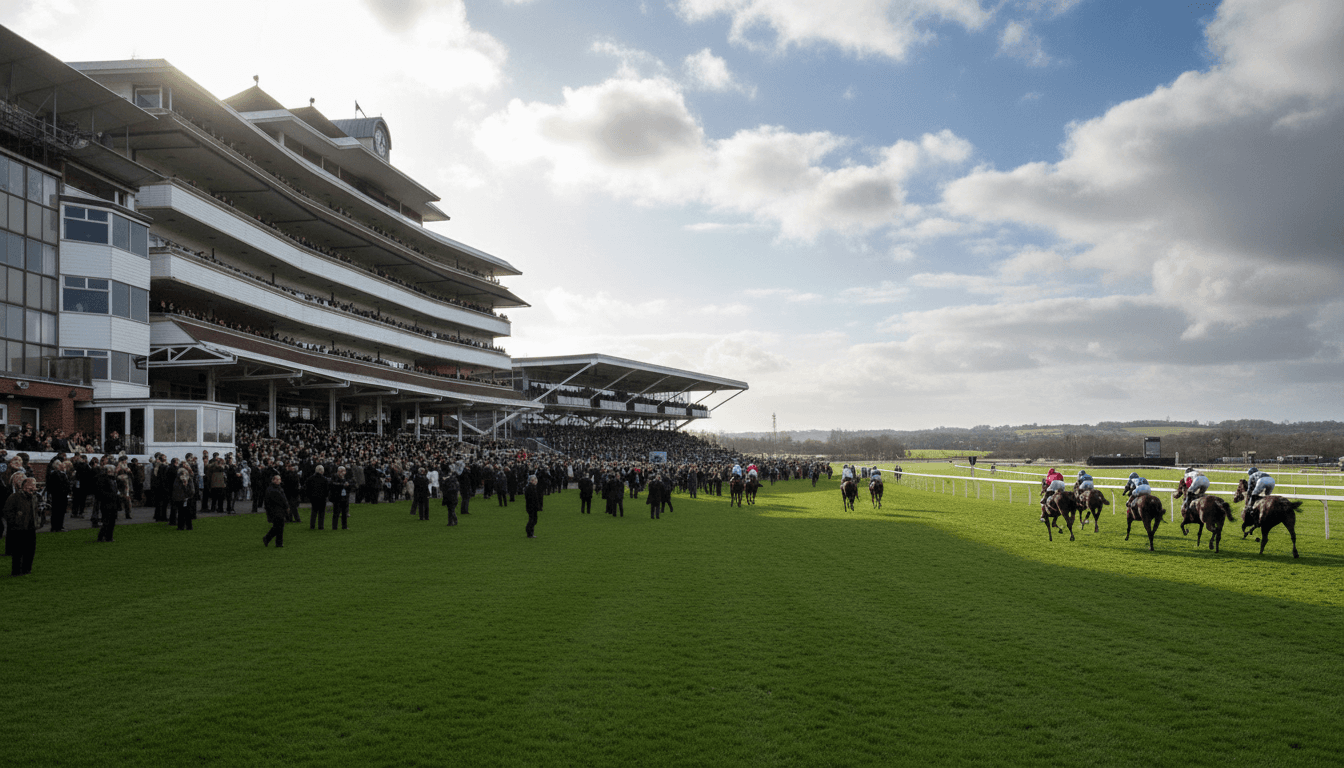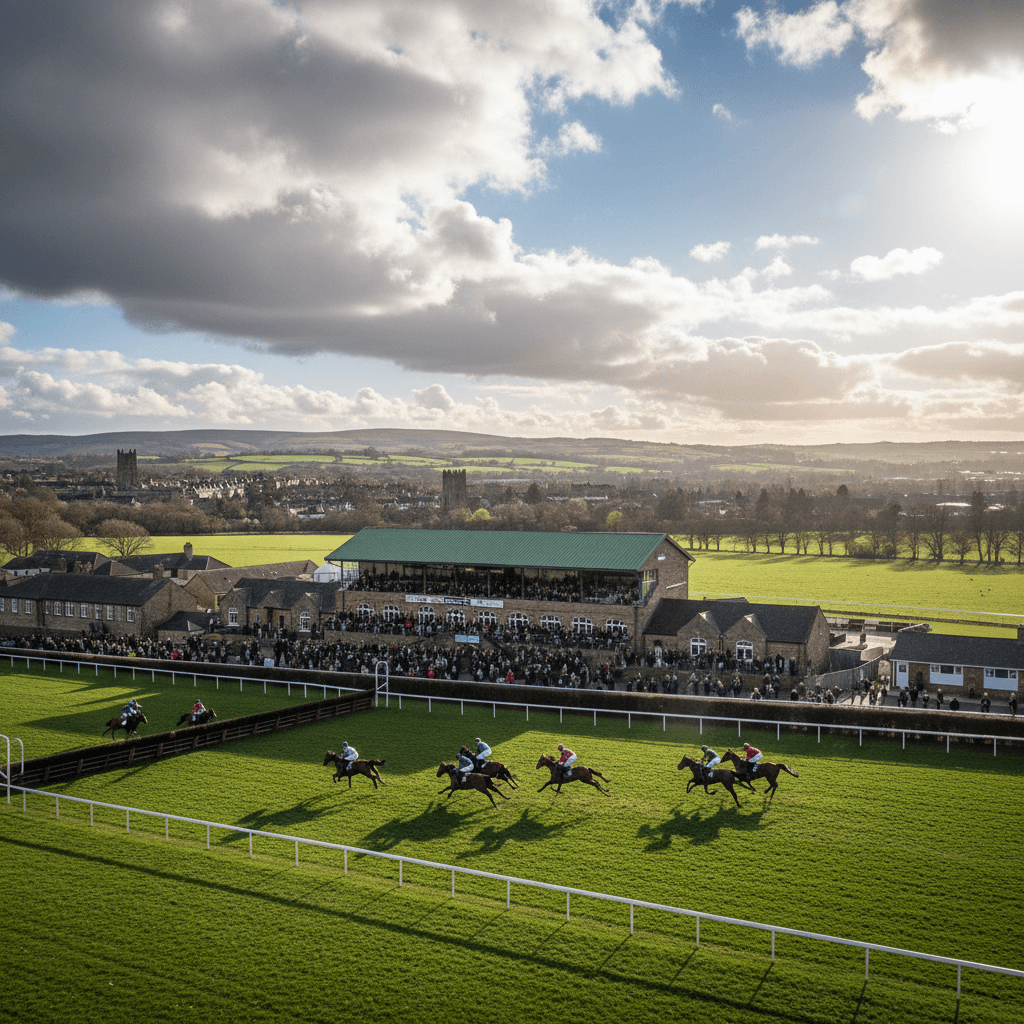
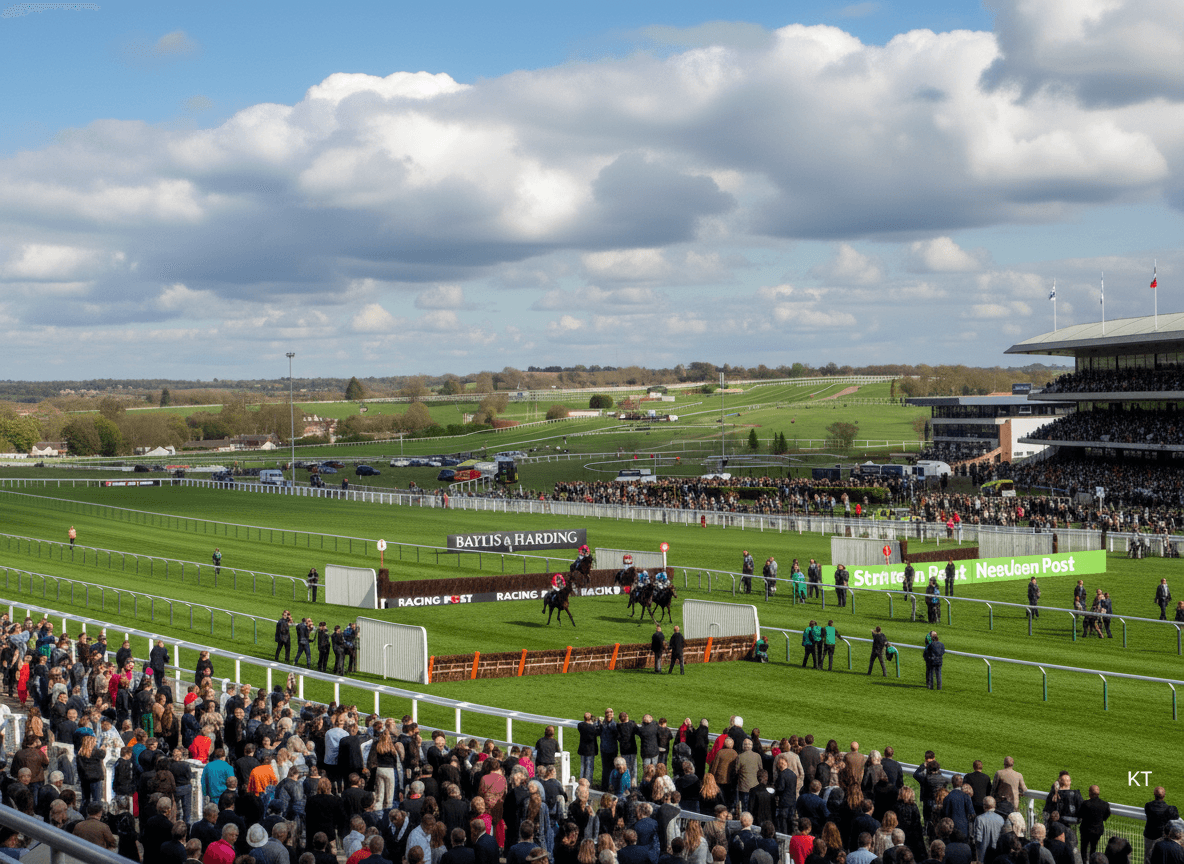
My father used to say that Cheltenham in May was like seeing Pavarotti attempt a folk ballad – technically proficient, but somehow not quite what you'd come to expect. He wasn't wrong, mind you, but after thirty-odd years of covering racing at this magical Gloucestershire venue, I've come to appreciate that Cheltenham possesses a unique charm whether the horses are flying over birch or thundering along the level.
There's something wonderfully incongruous about watching flat racing at the sport's most famous jumping venue. The same hallowed turf that witnesses the roar of Gold Cup day becomes a stage for an entirely different kind of drama during the summer months. The famous uphill finish that has broken the hearts of so many chasers and hurdlers takes on a completely different complexion when the obstacles are removed and pure speed becomes the currency.
This Week's Flat Racing Festival
This week sees Cheltenham host three consecutive days of flat racing, with Wednesday's seven-race card kicking things off, followed by Thursday's afternoon session, before Friday's eight-race finale rounds off what promises to be a cracking week of action. The going is currently riding Good across all three days – perfect conditions that should see the track at its most fair and testing.
What strikes me most about Cheltenham's flat meetings is how they retain that special atmosphere that makes this venue so beloved. Yes, you won't get the 60,000-strong crowds of Festival week, but there's an intimacy to these summer afternoons that allows you to truly appreciate the amphitheatre-like setting of this remarkable racecourse. The Cotswold Hills provide a stunning backdrop, and on a clear May afternoon, there are few more beautiful places to watch horses race.
Understanding Cheltenham's Flat Track
Now, here's where things get interesting for those of us more accustomed to seeing this track with obstacles dotted around it. Cheltenham's flat course retains many of the characteristics that make it such a stern test for jumpers, most notably that famous uphill finish. From the final turn to the winning post, it's a relentless climb that sorts out the genuine stayers from the pretenders.
The track plays fairly to all runners, which is something I've always admired about Cheltenham. Unlike some flat venues where the draw can be everything, here it's more about having a horse with the right attitude and stamina reserves. That said, those drawn on the stands' side (high numbers) often have a slight advantage as they can use the rail, but it's marginal at best.
The pace of races here tends to be more honest than at some flat tracks. Perhaps it's the uphill finish that encourages jockeys to be more patient, or maybe it's the influence of the jumping heritage, but you rarely see the stop-start affairs that can plague other venues. This makes for more reliable form reading – always a blessing for us punters.
What Type of Horse Thrives at Cheltenham?
In my experience, Cheltenham's flat races reward horses with genuine stamina and a willing attitude. The sort of horse that might find Epsom's undulations or Goodwood's speed bias challenging often discovers a new lease of life on this honest, testing track. I've lost count of the number of times I've seen moderate performers from other venues suddenly find their form when faced with Cheltenham's unique demands.
Look for horses with a bit of size and scope – the type that might have made decent hurdlers in another life. Those compact, speedy types that thrive at tracks like Haydock or York often find the sustained climb to the line just beyond their compass. Progressive three-year-olds can be particularly interesting here, especially if they're showing signs of needing further than they've been campaigned over.
From a jockey perspective, this track rewards patience and tactical awareness. The long straight allows time for a horse to pick up and find their rhythm, but leave it too late and that hill will find you out. Watch for riders who time their challenges to hit the front just as the gradient begins to bite – it's a skill that separates the good from the great around here.
Practical Tips for This Week
If you're planning to attend any of this week's meetings, my advice is to arrive early and soak up the atmosphere. There's something special about Cheltenham on a quiet weekday – you can get much closer to the action and really appreciate the skill involved. The viewing from the grandstand is excellent, but don't overlook the paddock area where you can get a proper look at the horses before they race.
For those betting from home, remember that Cheltenham's flat form often doesn't translate directly to other tracks, and vice versa. A horse that's been struggling at Chester or Newmarket might be worth a second look here, especially if the breeding suggests stamina. Conversely, be wary of short-priced favourites whose best form has come at sharp, speed-favouring venues.
The afternoon timing of all three meetings makes them perfect for a civilised day out or a relaxed evening's punting from the comfort of your armchair. With good ground promised and competitive fields expected, we should be in for some excellent racing.
A Different Kind of Cheltenham Magic
While Cheltenham will always be synonymous with jumping – and rightly so – these flat meetings offer something equally valuable: honest, competitive racing on one of Britain's most characterful tracks. The same qualities that make this venue so special in March – the testing finish, the fair racing surface, the incredible atmosphere – all translate beautifully to the summer game.
Whether you're a seasoned Festival veteran or someone discovering Cheltenham for the first time, this week's flat racing provides the perfect opportunity to appreciate why this Gloucestershire gem holds such a special place in racing hearts. The horses might not be jumping, but the magic remains very much intact.