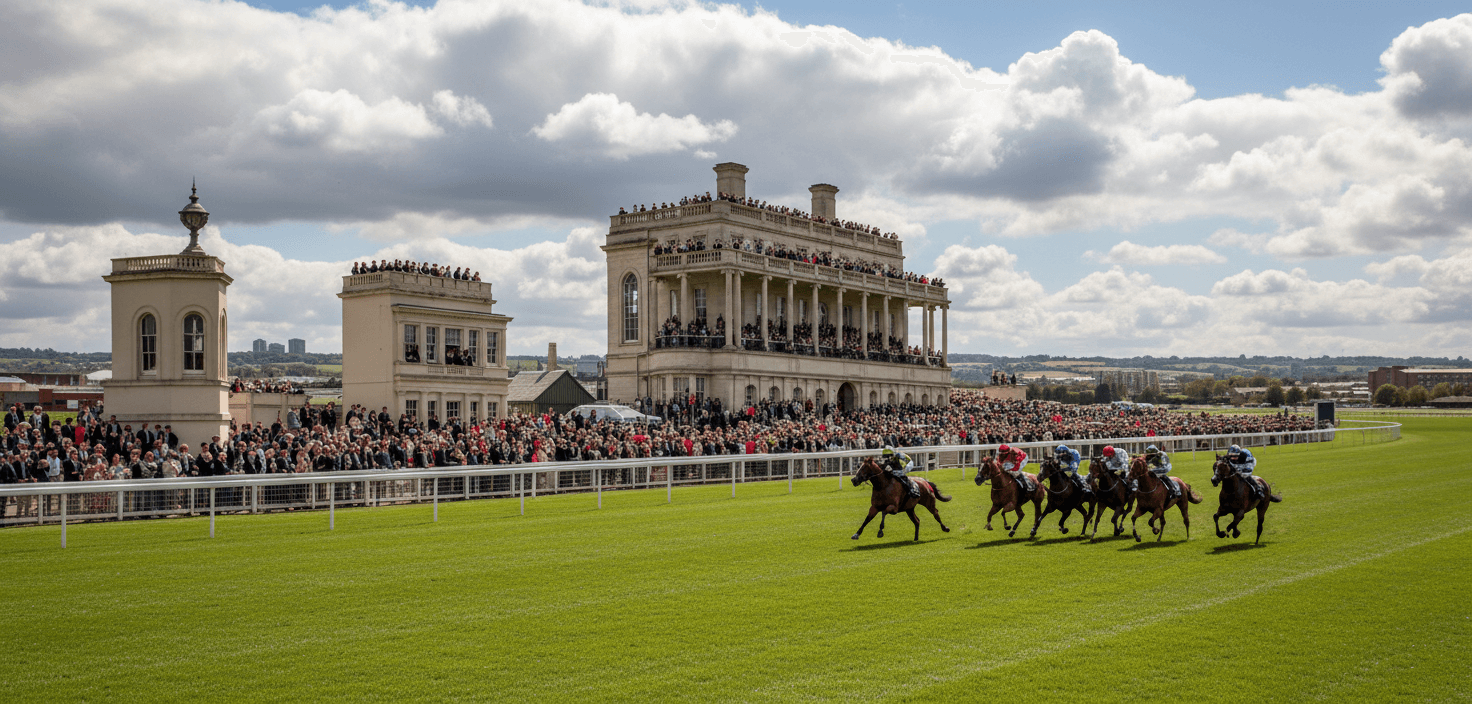
A Course That Earns Its Reputation
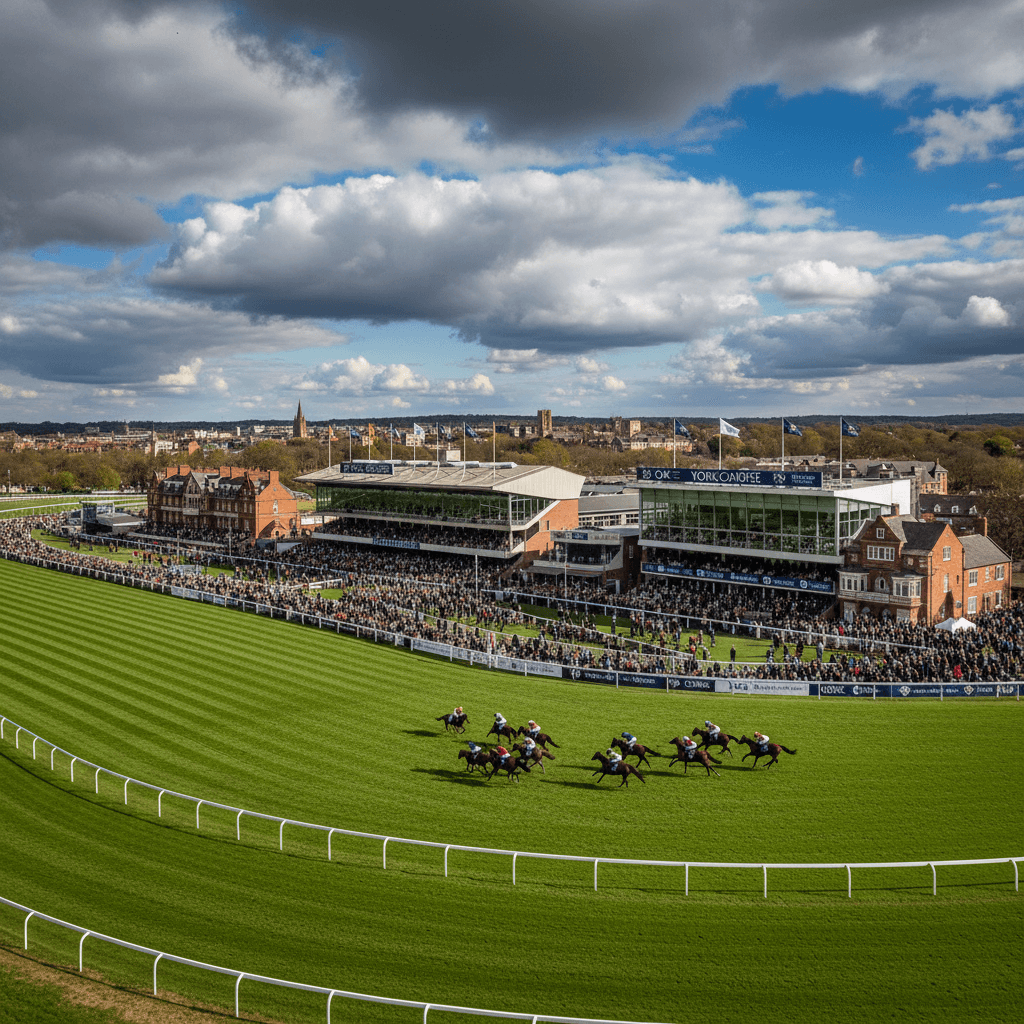
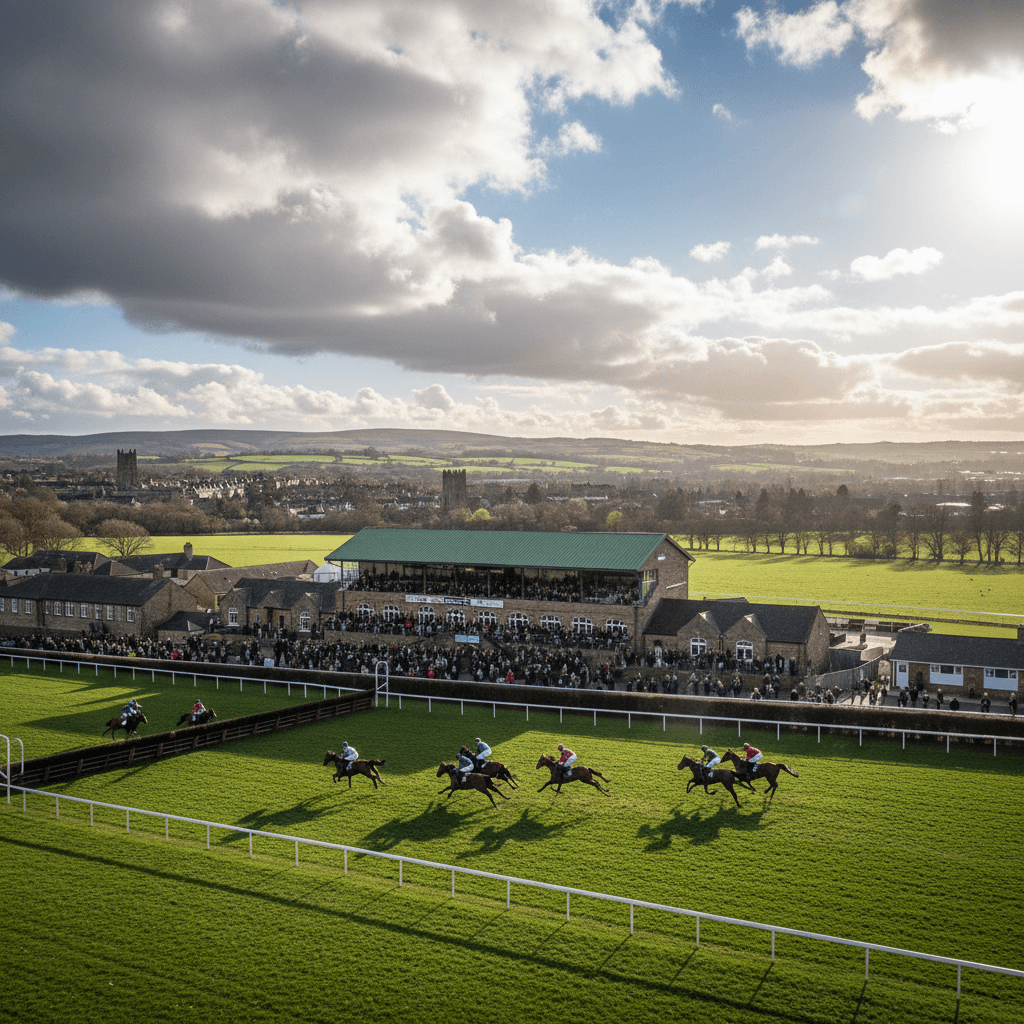
There are racecourses that feel like they were built for the sport, and then there is Doncaster — a place that feels as though the sport itself was built around it. Racing has been conducted on Town Moor since the 17th century, and that longevity is not merely a marketing footnote. It is written into the bones of the place. The wide, galloping circuit, the long run-in, the sense of space that few British tracks can match — all of it speaks to a course that has been shaped by centuries of horses finding out what they are truly made of.
Doncaster is, of course, the home of the St Leger Stakes, established in 1776 and the oldest Classic in the world. Even on a quiet Monday in August, that history lingers. You feel it in the grandstand, in the way the straight seems to stretch just a little further than you expect, in the knowledge that horses have been pulling themselves apart on this turf for longer than most nations have existed. It is a course that rewards honest, genuine racehorses — and it has a habit of exposing those that are not.
This Week's Fixtures at a Glance
Doncaster hosts two afternoons of Flat racing this Bank Holiday week, with cards on Monday, 24 August and Tuesday, 25 August, each featuring six races. Both meetings are afternoon fixtures, making them well-suited to a day out — the course is accessible by rail from Doncaster station, and the Town Moor setting gives the whole occasion a pleasantly unhurried feel.
Going conditions are yet to be confirmed for both days, which is worth monitoring closely as the week approaches. Late August in South Yorkshire can deliver almost anything — firm ground baked by a retreating summer, or softening turf after an overnight shower. The course drains well and tends to ride on the quicker side during dry spells, but it is not immune to the unpredictability of the British season. Keep an eye on the going updates as they emerge, because at a track like Doncaster, the ground can materially alter the complexion of a race.
Understanding the Doncaster Track
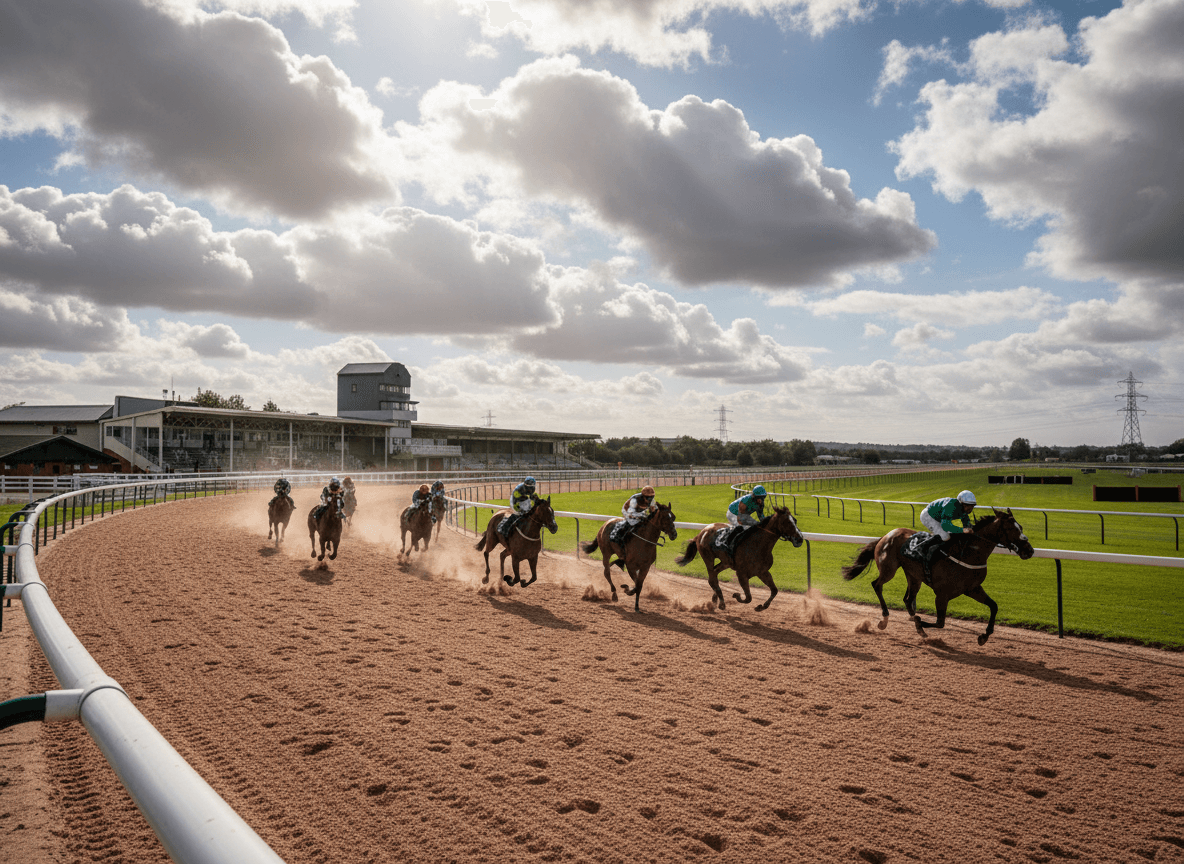
Doncaster is a left-handed, essentially flat, galloping circuit — and those three descriptors matter more than they might initially suggest. The absence of significant undulation means there is nowhere to hide. Horses cannot coast downhill to conserve energy or use a camber to their advantage; they simply have to gallop, and gallop honestly, for every yard of the race.
The Straight and the Run-In
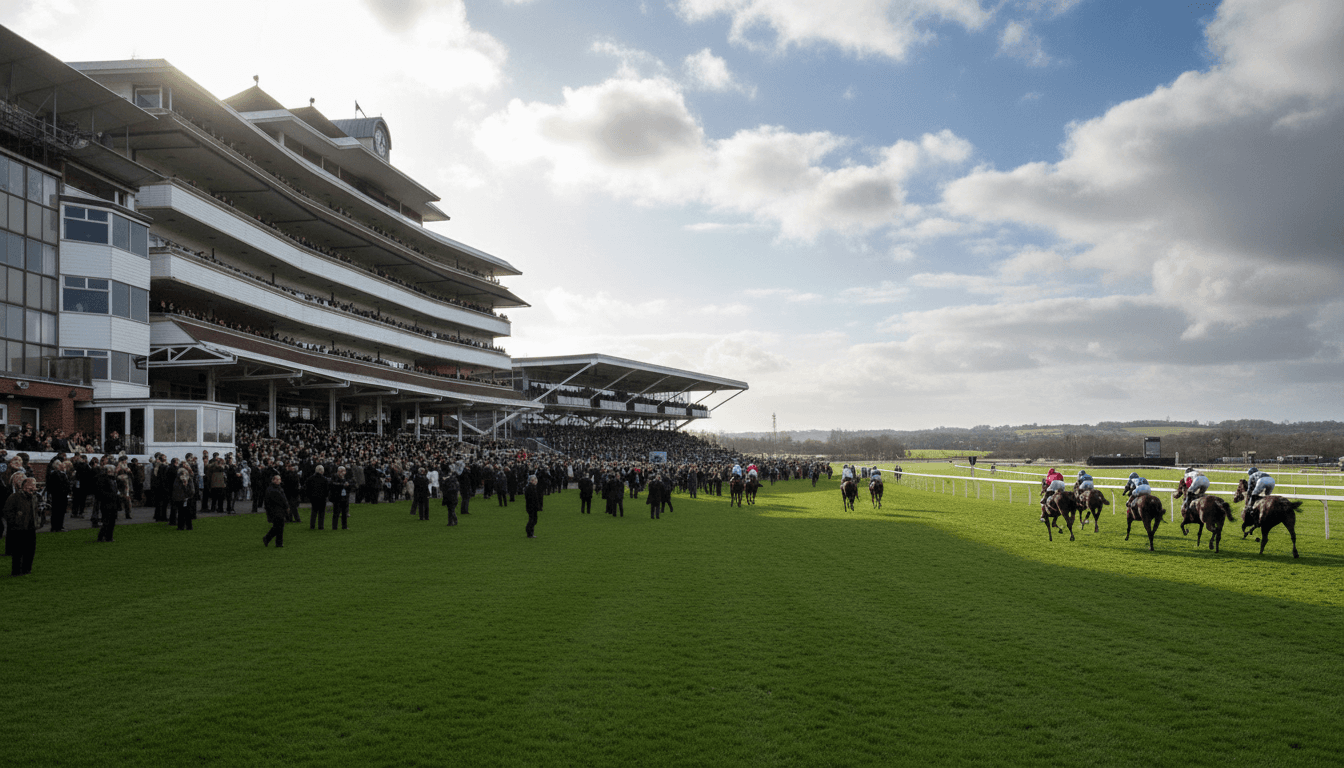
The straight course at Doncaster is one of the longest in the country, and it is here that the track reveals its truest character. Sprinters and milers contesting races over the straight mile face a sustained examination that few other venues can replicate. The run-in from the final two furlongs is notably testing — horses that idle once they hit the front have been caught out here more than once, and those with a tendency to hang can find the long, unbroken nature of the straight amplifies the problem.
For races run on the round course, the sweeping left-handed bend into the straight is relatively gentle, which suits long-striding gallopers rather than nippy, sharp-turning types. A horse that needs a tight track to show its best is unlikely to be flattered by Doncaster's expansive geometry.
Draw Bias
Draw bias at Doncaster is one of the more nuanced topics in British Flat racing, and it shifts depending on distance, field size, and going. As a general principle, low draws tend to be advantageous in sprint races on the straight course, particularly when the ground is on the faster side and horses can race tight to the far rail. In larger fields over five and six furlongs, horses drawn in the teens can find themselves at a meaningful disadvantage, expending energy to get across to a favourable position.
Over the round mile and beyond, the draw becomes less decisive — the run to the first bend gives horses time to find their position — but it is never entirely irrelevant. In competitive handicaps, a horse drawn wide over a mile can still face a stiff task if the pace is strong and the field fans out. Always check the stall positions before committing to a selection, particularly in fields of ten or more.
Pace Scenarios
Doncaster's galloping nature tends to suit horses ridden with a degree of restraint. Pace scenarios here often play into the hands of hold-up horses and strong finishers, because the long straight gives them time to wind up their challenge. That said, a horse with a high cruising speed that can dictate from the front without being pressured can be very difficult to peg back — the key is identifying whether the pace will be genuine or manufactured.
The Type of Horse That Thrives Here
If you had to distil the ideal Doncaster horse into a single phrase, it would be: a genuine, well-balanced galloper with stamina in the pedigree. This is not a course for the flashy, the quirky, or the specialist. Horses that win here tend to be straightforward, consistent, and built for a test rather than a trick.
- Stamina-laden pedigrees — particularly relevant over a mile and beyond, where the relentless nature of the straight sorts out those with a question mark over their staying power.
- Course-and-distance winners — Doncaster form tends to be reliable and repeatable. A horse that has won here before is never to be dismissed lightly.
- Horses suited by cut in the ground — if the going softens, the premium on stamina increases further, and pedigrees with a National Hunt influence can come into their own even in Flat races.
- Relaxed, settled types — the long straight can unsettle keen horses that want to race too freely. A horse that switches off and travels kindly will invariably be better placed to deliver its finishing effort.
Practical Tips for Punters and Racegoers
Whether you are heading to Town Moor in person or following the action from home, a few practical considerations are worth keeping in mind for this week's fixtures.
First, monitor the going reports diligently. Doncaster's going can shift meaningfully over 24 hours, and trainers are not shy about withdrawing horses if the ground moves against them. A selection that looks solid on Sunday evening may look very different by Monday morning.
Second, pay close attention to the draw in sprint races. It sounds elementary, but it is remarkable how often punters overlook stall positions in the excitement of studying form. At Doncaster, particularly in fields of eight or more over five and six furlongs, it can be the difference between a winner and a hard-luck story.
Third, respect course form. Doncaster is one of those tracks where previous course winners carry genuine significance. The combination of the track's galloping nature, its long straight, and its fair but testing character means that horses which have already demonstrated an affinity for the place are statistically worth their premium in the market.
Finally, for those attending in person: the Doncaster experience is best enjoyed unhurriedly. Arrive early enough to walk the track, study the paddock properly, and absorb the atmosphere before the first race. The parade ring at Doncaster is spacious and well-positioned — use it. A horse that looks ill at ease before it even reaches the start is telling you something worth hearing.
Looking Ahead
Two afternoons of Flat racing at Doncaster this Bank Holiday week may not carry the weight of a St Leger meeting, but they offer something quietly valuable: a chance to see genuine racehorses tested on a genuine track. The Monday card and the Tuesday card will each tell their own small stories — of pace and stamina, of draw and ground, of horses finding their level or exceeding it.
That, in the end, is what Doncaster has always offered. Not theatre for its own sake, but racing stripped to its essentials. It has been doing so for the better part of four centuries, and it shows no sign of losing the habit.