A Phoenix from the Coalfields
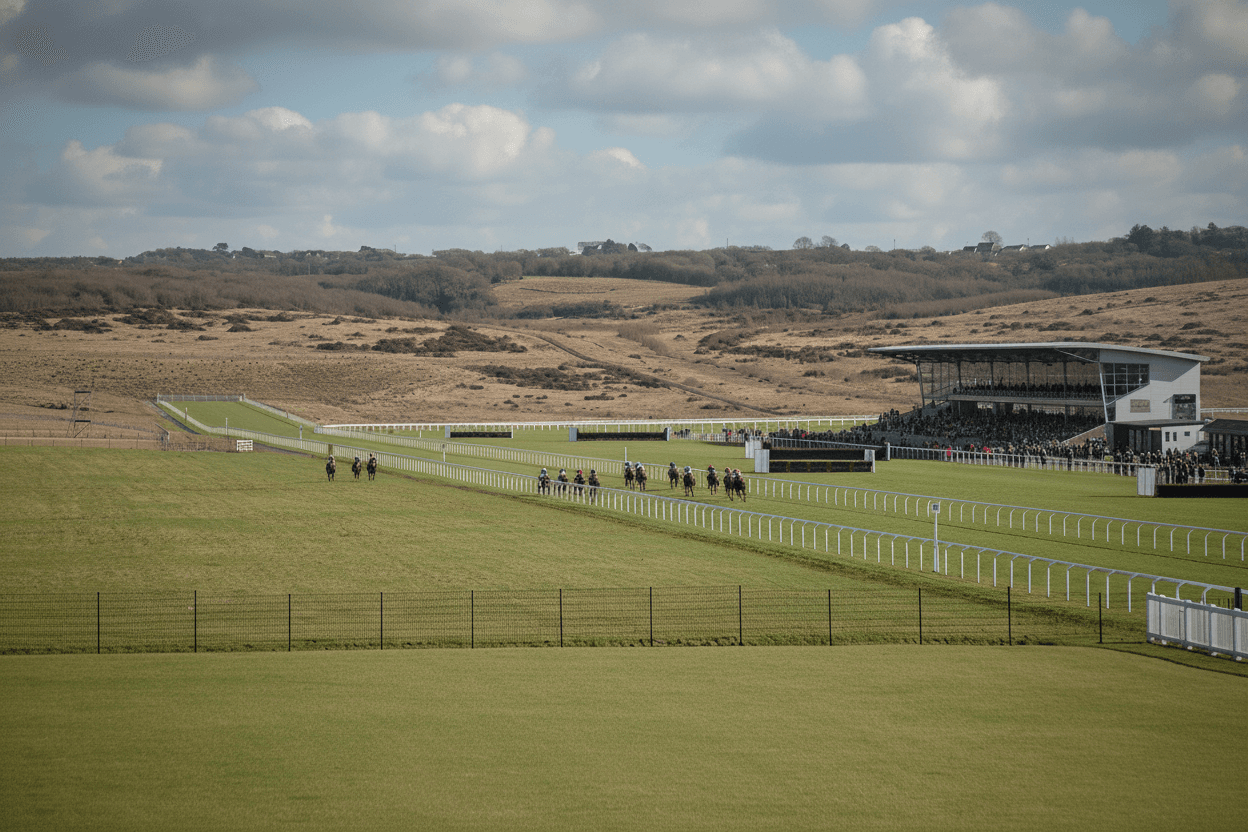
There's something rather poetic about watching thoroughbreds thunder across ground that once echoed with the machinery of heavy industry. Ffos Las stands as perhaps the most remarkable transformation story in modern British racing—a testament to vision and renewal that saw a former open-cast coal mine in Carmarthenshire reborn as Wales' premier dual-purpose facility.
Since opening in 2009, this left-handed galloping track has quietly established itself as one of the fairest tests in the jumping calendar. The distinction of being Britain's first new National Hunt course in eight decades carries weight, but it's the quality of racing and the consistent ground conditions that have earned Ffos Las its growing reputation among trainers and punters alike.
This week presents two opportunities to witness the course at its jumping best, with Wednesday's six-race card followed by Sunday's seven-race programme. Both meetings promise the kind of competitive action that has become synonymous with this Welsh venue.
The Week's Racing Canvas
Wednesday's afternoon session arrives with ground described as Good, Good to Firm in places, with a soil moisture reading of 42 suggesting conditions on the faster side of good. The six-race card represents the kind of quality fixture that Ffos Las has made its calling card—competitive handicaps and conditions races that reward careful analysis.
Sunday's seven-race programme tells a different story underfoot, with Good, Good to Soft in places conditions expected to provide "consistent ground on the easy side." This shift in going between the two meetings offers an intriguing contrast for students of the course, particularly given how Ffos Las tends to ride differently as conditions change.
The afternoon timing for both fixtures allows the Welsh sunshine—when it cooperates—to showcase the course's picturesque setting, though more importantly, it provides optimal ground conditions as the track benefits from morning preparation without the deterioration that can affect evening meetings.
Reading the Ffos Las Riddle
The key to understanding Ffos Las lies in appreciating its modern design philosophy. Unlike many British courses shaped by centuries of agricultural boundaries and historical accident, this track was purpose-built for racing. The result is a fair, galloping test that rarely produces freak results.
The one-mile-four-furlong circuit features a crucial four-furlong home straight that can expose stamina limitations in the closing stages. This extended run-in means that pace judgement becomes critical—horses need to be positioned to strike with roughly three furlongs to travel, as the long straight can be unforgiving to those who hit the front too early or leave their challenge too late.
The left-handed configuration generally favours horses that handle the turning action well, though the long straight provides ample opportunity for wide-running types to make their presence felt. Unlike some tracks where draw or running style can dominate, Ffos Las tends to reward the best horse on the day—a characteristic that makes it popular with trainers seeking a fair test.
Track positioning rarely follows rigid patterns here. The wide, modern layout accommodates different running styles, though horses that can travel strongly into the straight before quickening tend to fare better than pure front-runners or hold-up specialists who rely on a devastating turn of foot.
The Ffos Las Prototype
Seventeen years of racing has revealed certain characteristics in the horses that handle Ffos Las best. The galloping nature of the track favours horses with a strong, rhythmical action rather than those that rely on sharp acceleration. The extended straight rewards stamina and sustained effort over explosive pace.
Horses with previous course experience carry a notable advantage—the modern layout can catch newcomers off-guard, particularly the way the home turn opens into that long straight. Trainers often use Ffos Las as a stepping stone for horses being prepared for the major festivals, and this can create opportunities for punters who recognise horses returning to their optimum trip or conditions.
The consistent ground conditions mean that horses' form on similar going elsewhere translates well. A horse that has shown ability on good ground at Chepstow or Hereford, for instance, often handles the Ffos Las surface with confidence. The excellent drainage means that even after rain, the ground rarely becomes truly testing—an important factor when assessing horses' previous form on heavy going.
Age profiles tend to favour horses in their prime rather than novices or veterans. The galloping nature and fair test mean that experience and class usually prevail, though the track's honest character means that improving types can often outrun their odds when stepping up in grade.
A Punter's Perspective
For those planning to attend either fixture, Ffos Las offers one of the more pleasant racegoing experiences in Wales. The modern facilities and excellent sightlines mean that every race can be followed from start to finish—a luxury not always available at Britain's more traditional venues.
From a betting perspective, the course's fair nature means that form study rewards careful attention to detail. Recent course winners often return to form here, while horses that have shaped promisingly in defeat frequently improve markedly for the experience. The consistent ground conditions make pace analysis particularly valuable—times recorded here translate well between meetings.
The extended straight makes for compelling viewing and often dramatic finishes, but it can be deceptive for those watching horses' actions. What appears to be a comfortable lead with two furlongs to run can evaporate quickly as the long straight takes its toll.
Weather conditions rarely affect racing here as dramatically as at some venues, thanks to the excellent drainage and modern construction. This reliability has made Ffos Las increasingly popular for weekend racing, particularly during the winter months when other courses might struggle with conditions.
As Welsh racing continues to flourish, Ffos Las stands as both symbol and catalyst—a modern venue that honours the sport's traditions while embracing its future. This week's twin fixtures offer the perfect opportunity to witness this evolution in action, where every race tells a story of renewal, ambition, and the enduring appeal of horses at full stretch.