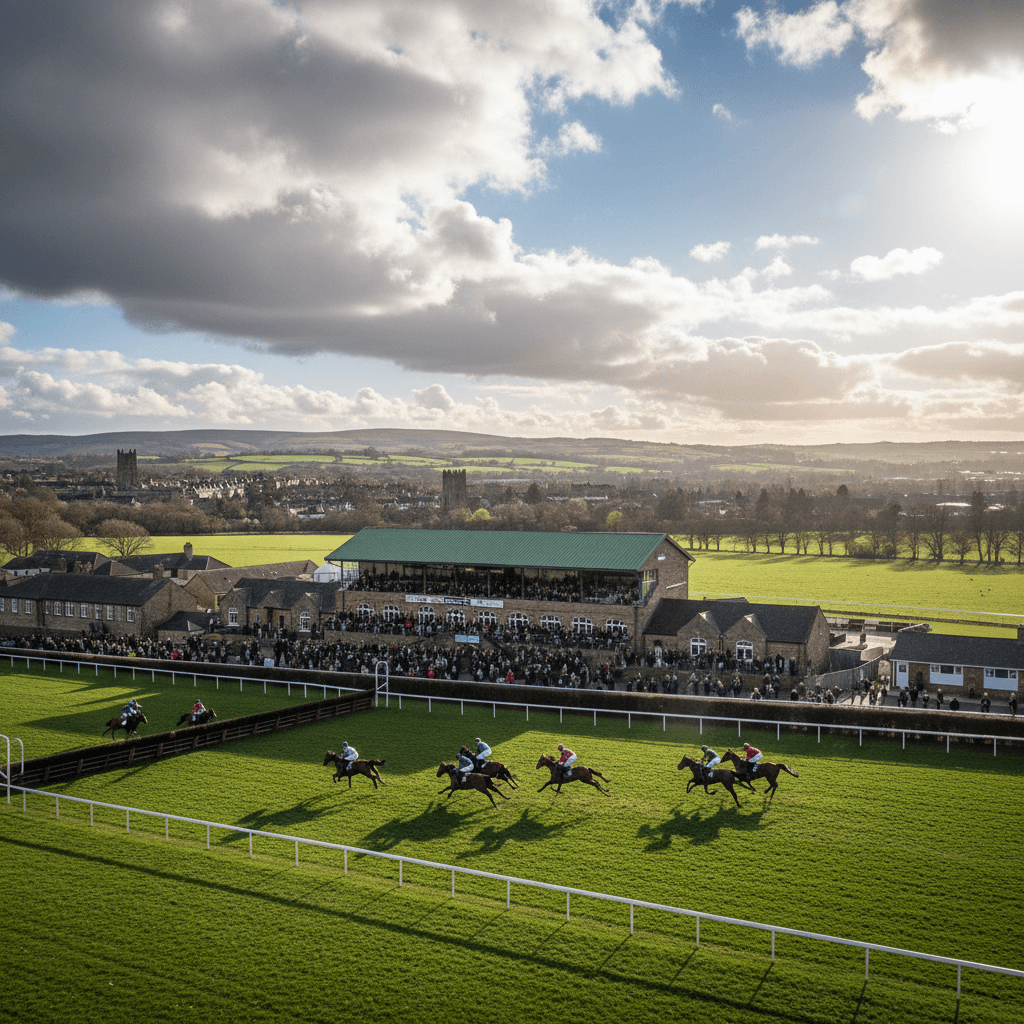
A Course Unlike Any Other
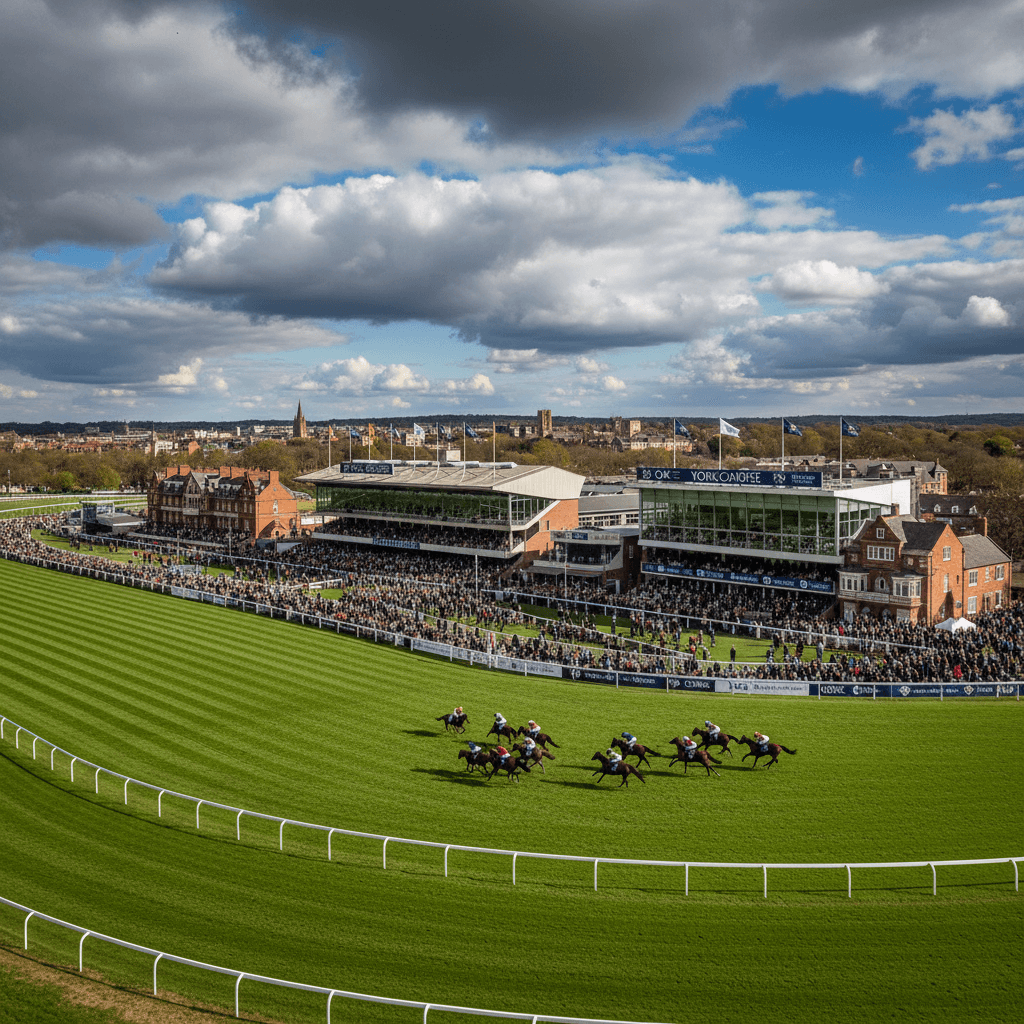
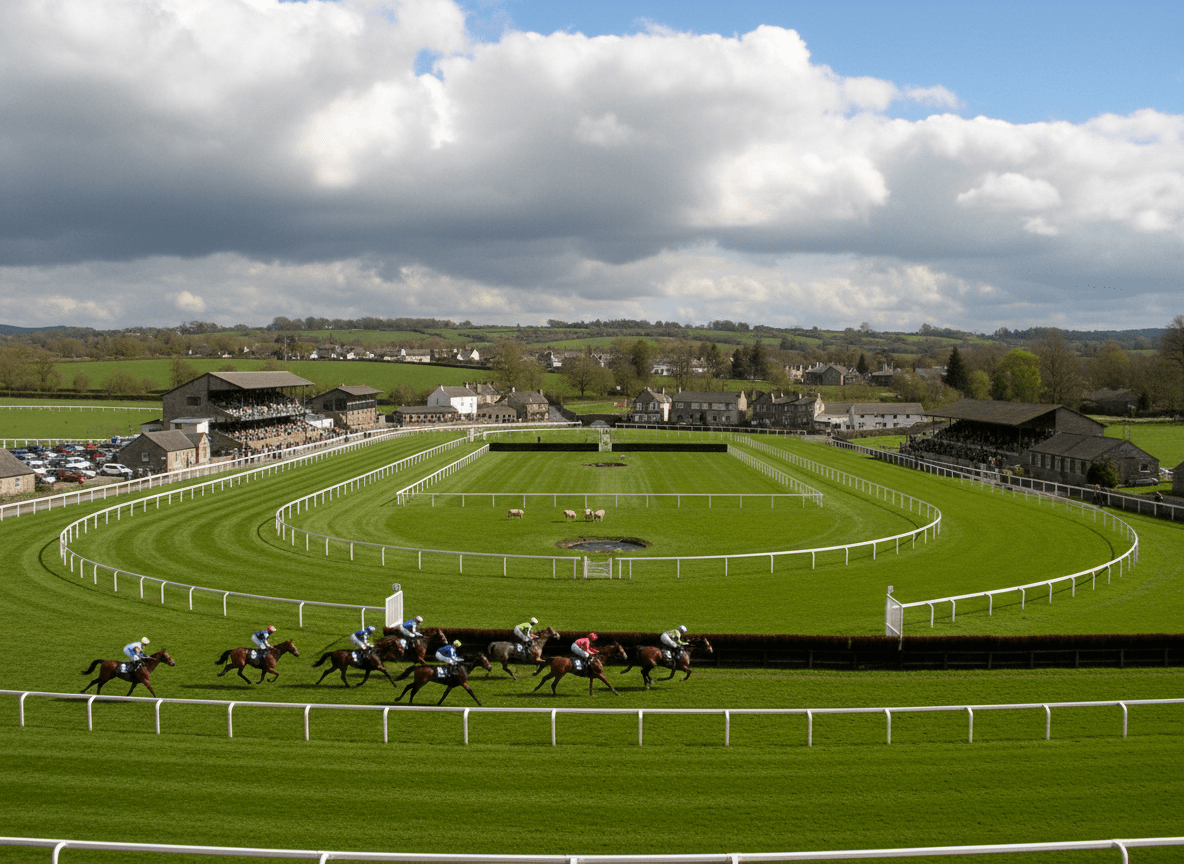
There are racecourses you visit, and then there are racecourses you feel. Hexham belongs firmly in the second category. Perched high in the Northumberland hills, with the Tyne Valley rolling away beneath you in every direction and the wide northern sky pressing down overhead, this is a place that gets under your skin in a way that the grander, more polished venues simply cannot replicate. Established in 1890, it holds the distinction of being England's highest racecourse, and on a clear day — or even a moody, cloud-wrapped afternoon — the views alone are worth the journey.
But Hexham has never traded on scenery alone. This is a course with genuine character, the kind that can only be earned over more than a century of honest, competitive racing. It has always been a place where horses and jockeys are asked real questions, where effort and ability matter more than reputation, and where the crowd — loyal, knowledgeable, deeply northern in the best possible sense — appreciates a hard-fought finish as much as any in the country. If you love racing for what it actually is, rather than what the hospitality brochures say it should be, Hexham will speak to you.
This Week's Fixtures: What's On and When
Hexham offers two fixtures this week, both providing an excellent opportunity to see the course in its summer guise. The first comes on Monday, 10 August 2026, an afternoon card featuring six races, with the going currently described as Standard to Slow. You can find the full Hexham Monday, 10 August 2026 racecard on our site, and it's well worth studying carefully ahead of time — fields at Hexham tend to be competitive, and doing your homework pays dividends.
The second fixture follows on Wednesday, 12 August 2026, an evening meeting, again over six races and again on Standard to Slow ground. Evening racing at a course like Hexham carries its own particular magic — the light softening over the valley, the crowd a little more relaxed, the atmosphere somewhere between a race day and a social occasion. The Hexham Wednesday, 12 August 2026 racecard will be updated as declarations come in, so keep checking back.
It is worth noting that while Hexham is primarily celebrated as a National Hunt venue, these summer fixtures represent the flat-racing side of the course's calendar — a reminder that this is a venue with more range than its jump-racing reputation might suggest. Standard to Slow going on both days will place a premium on stamina and a clean, economical action, which shapes the kind of horse you should be looking to back.
Understanding the Track: What Hexham Asks of Horse and Rider
Hexham is not a course that flatters the unprepared. Its left-handed, undulating layout is one of the most demanding in the north of England, and understanding its particular characteristics is essential if you want to bet with any confidence here.
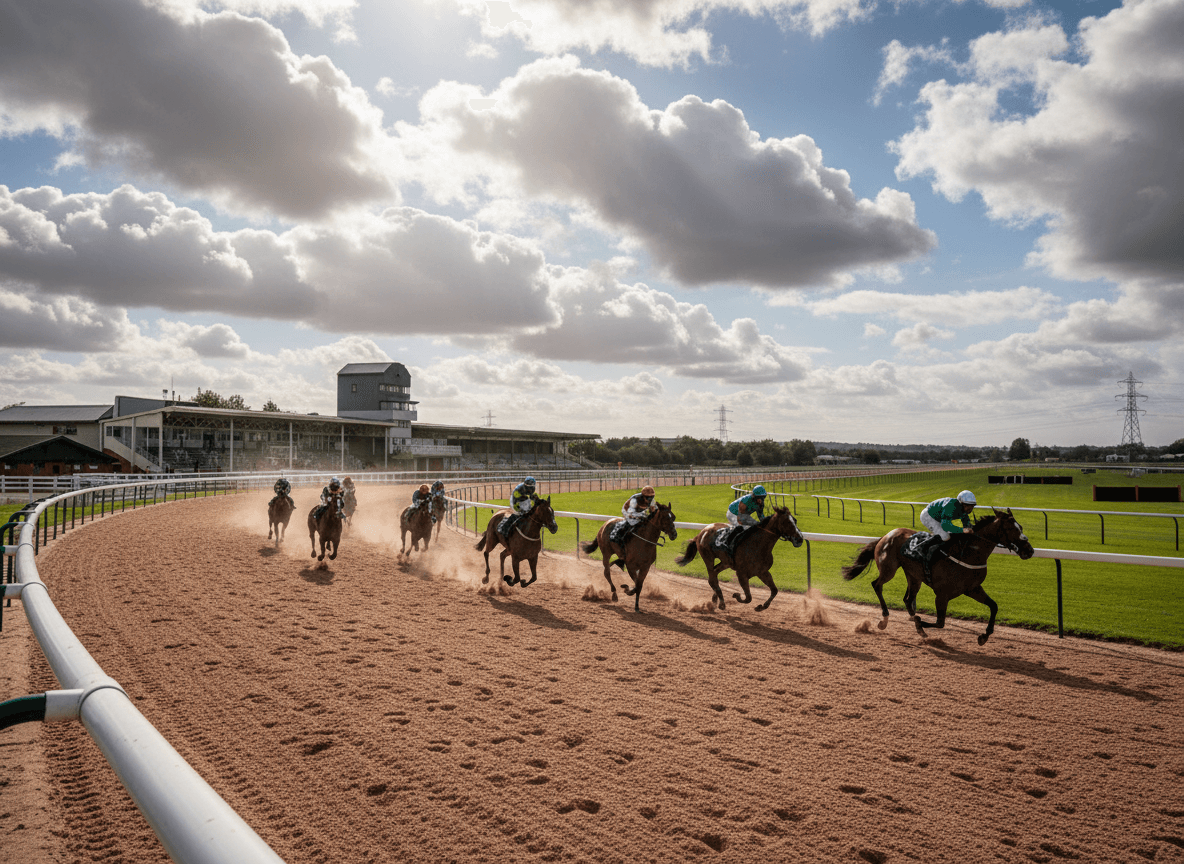
The track climbs and falls in a way that tests a horse's constitution as much as its raw ability. There are stiff uphill sections that demand genuine stamina, followed by a notably sharp downhill run to the finish that rewards balance and sure-footedness. Horses who travel well through a race, conserving energy during the climbs and finding their stride on the descent, tend to have a significant advantage over those who front-run aggressively or burn their reserves too early.
Draw and Pace Considerations
On the flat at Hexham, the draw can play a meaningful role depending on field size and the position of the stalls, so it is always worth checking the draw statistics for the specific distances on the card. As a general principle, with Standard to Slow going in play this week, horses drawn towards the inside may find an advantage in smaller fields, where they can hug the rail and minimise the ground covered. In larger fields, the picture becomes more complex, and tracking a prominent, well-positioned runner often proves more reliable than betting purely on stall position.
Pace is arguably the most important variable at Hexham. The undulating nature of the track means that a race run at a genuinely even gallop tends to suit the stronger stayer, while a falsely slow early pace can compress the field and produce a sprint finish that favours a horse with a sharp turn of foot. Watch the early sectionals where possible, and be wary of backing a confirmed front-runner if the pace looks likely to be contested.
The Type of Horse That Thrives at Hexham
Ask any trainer who has saddled winners at Hexham regularly and they will tell you the same thing: this course rewards genuine stayers with a good attitude. Horses who idle in front, who need everything to go perfectly, or who lack the physical robustness to handle undulating ground rarely perform to their best here. What you are looking for is a horse with a willing temperament, a long, economical stride that eats up the ground without wasting energy, and the kind of fitness that comes from a trainer who understands what this course demands.
On Standard to Slow going, that preference for stamina is amplified further. The ground will be testing enough to expose any horse who is less than fully fit or who carries a little too much condition. Horses dropping back in trip from a longer distance, or those with proven form on similar going, deserve particular attention this week. Equally, keep an eye on horses trained locally or in the north more broadly — they will often have had the opportunity to work on similar terrain, and their handlers will understand the specific demands of the track in a way that a southern trainer visiting for the first time simply may not.
Practical Tips for Racegoers and Punters
Whether you are making the trip to Hexham in person or following the action from home, a few practical considerations are worth keeping in mind.
- Arrive early if you're attending in person. Hexham's position means the approach roads can become congested, particularly for afternoon meetings. Give yourself time to walk the course, study the going, and watch the horses in the paddock — information you simply cannot get from a form book.
- Dress for the weather, not the calendar. At this elevation, August can still deliver a sharp breeze and the occasional shower. Layers are your friend, and sensible footwear is non-negotiable on the undulating terrain around the course.
- Watch the market moves. Hexham attracts sharp, knowledgeable northern punters and trainers who know their horses well. Significant market support for a runner here often means something, and it is worth paying attention to any meaningful drifters or steamers in the hour before racing.
- Study the trainer and jockey combinations. Certain partnerships thrive at Hexham, and the course's loyal training community means that local knowledge counts for a great deal. A trainer with a strong strike rate at the course, combined with a jockey who rides it regularly, is a combination worth respecting.
- Don't overlook the each-way market. With competitive fields and a track that can throw up surprises, the each-way option often represents excellent value at Hexham, particularly in the larger handicaps.
A Final Word on Why Hexham Matters
In an era when racing sometimes seems in danger of losing itself in the pursuit of glamour and spectacle, places like Hexham serve as an important reminder of what the sport is fundamentally about. It is about horses being asked to perform at their physical and mental limits, in conditions that test them honestly, before crowds who genuinely care about the outcome. It is about the specific pleasure of watching a well-matched contest unfold on a track with real character, in a setting that no amount of money could manufacture.
This week's two fixtures — Monday afternoon and Wednesday evening — offer exactly that. The going will be testing, the racing will be competitive, and the Northumberland hills will provide a backdrop that no other course in England can match. Whether you are making the journey north or following along from afar, Hexham deserves your attention. It always does.