A Course That Earns Its Affection
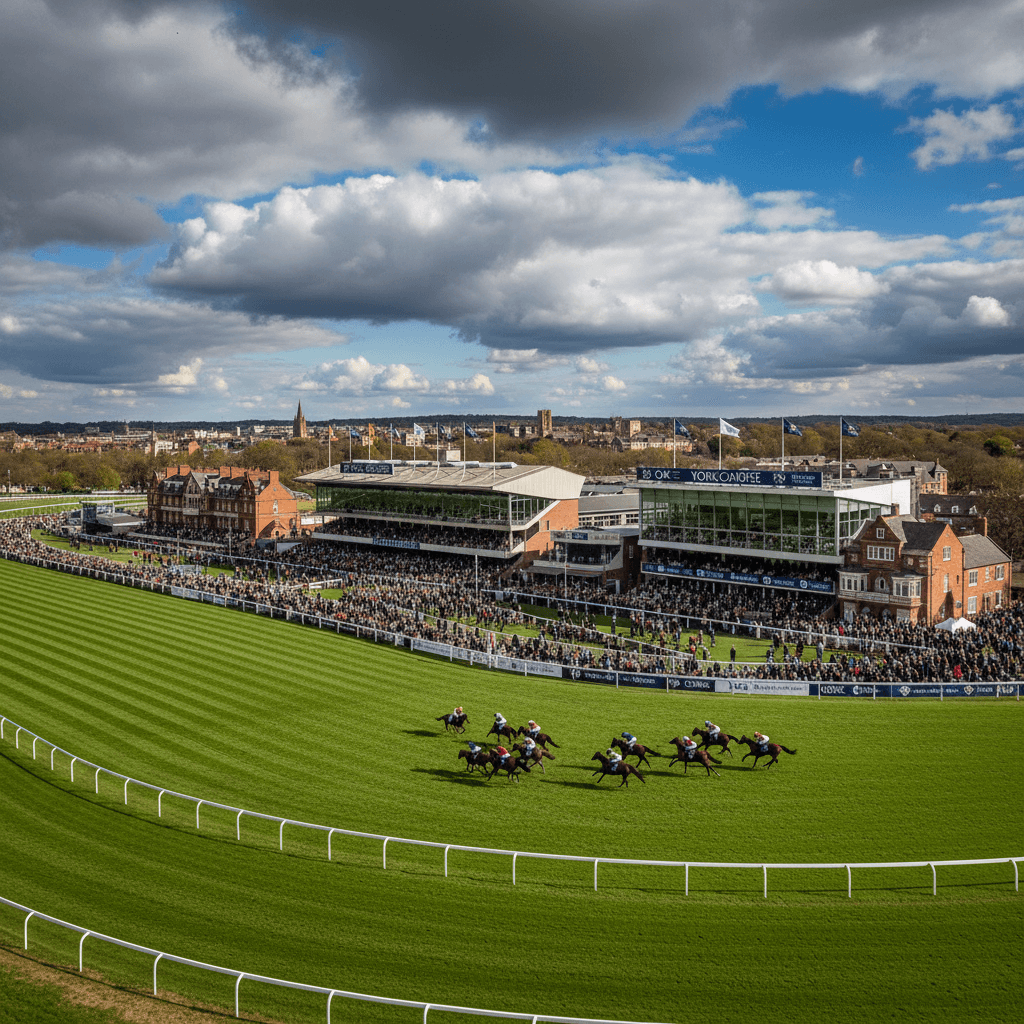
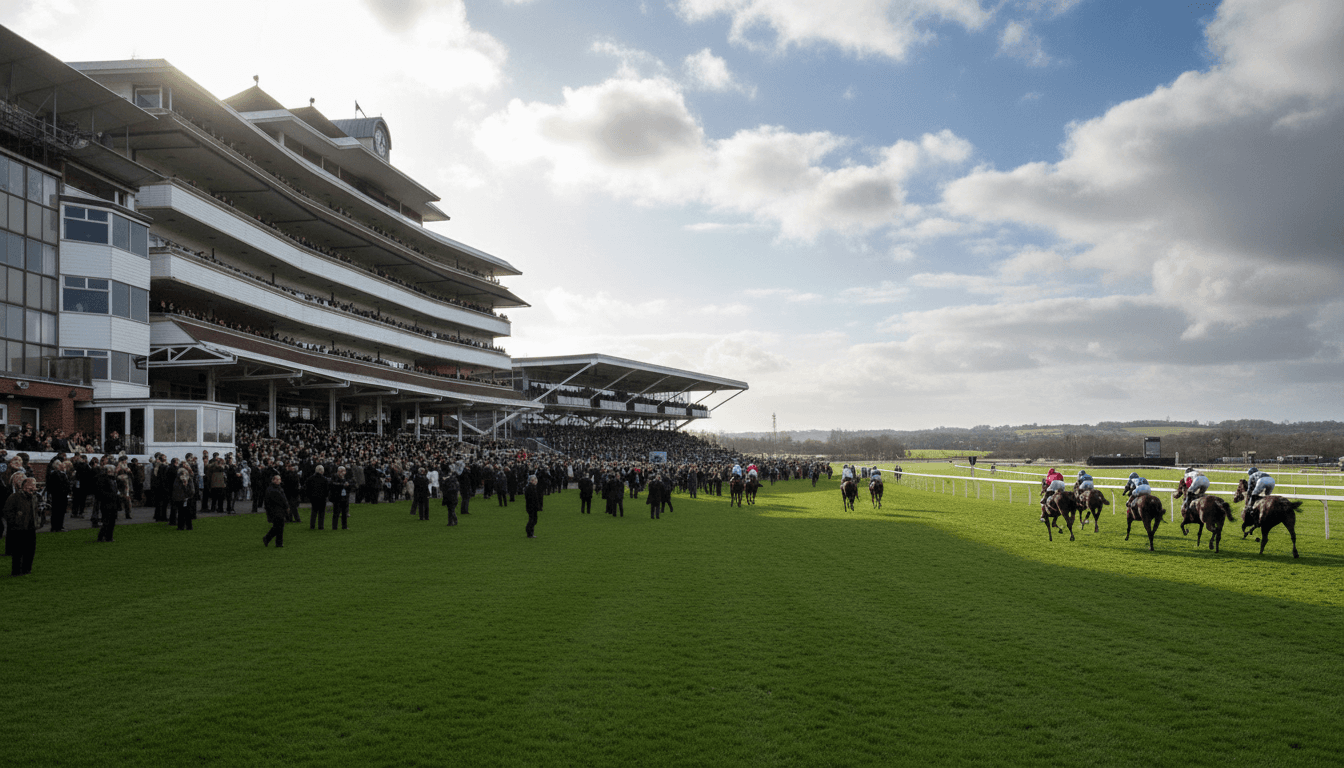
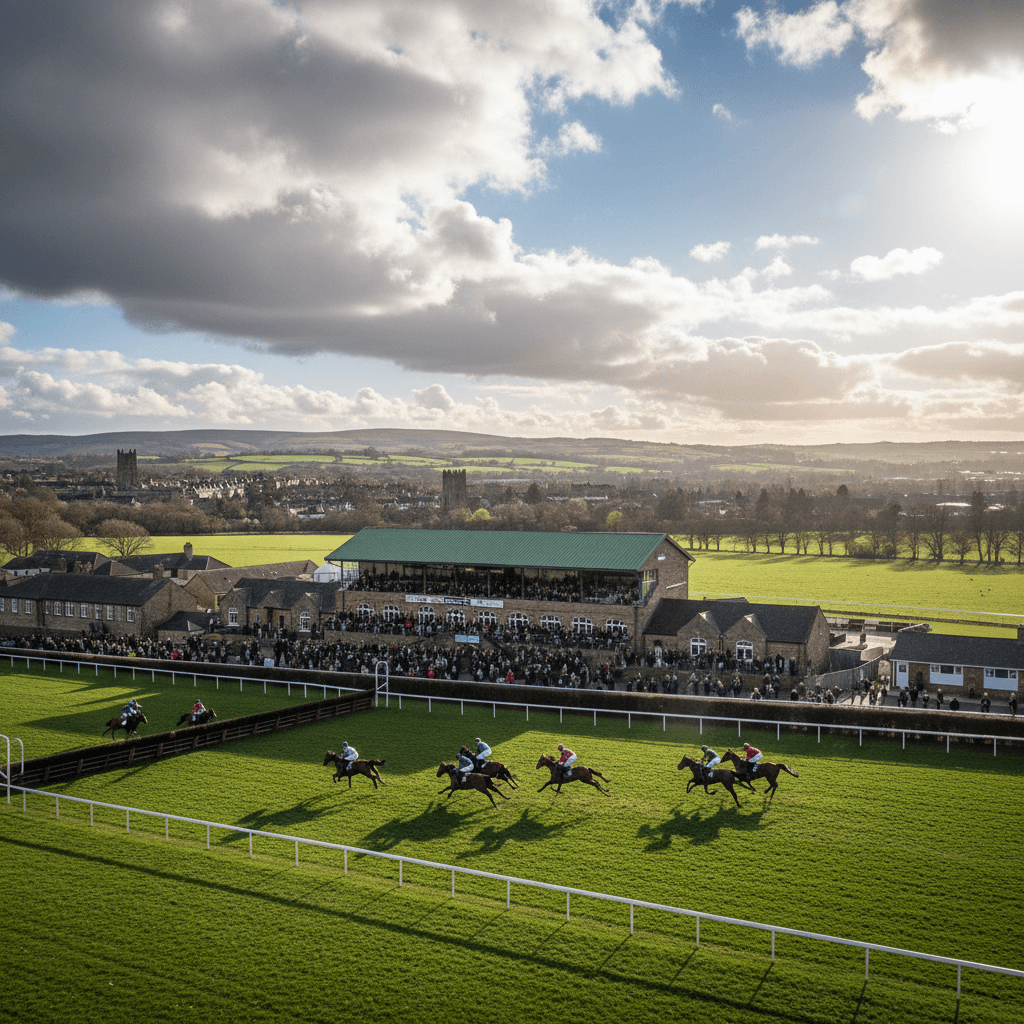
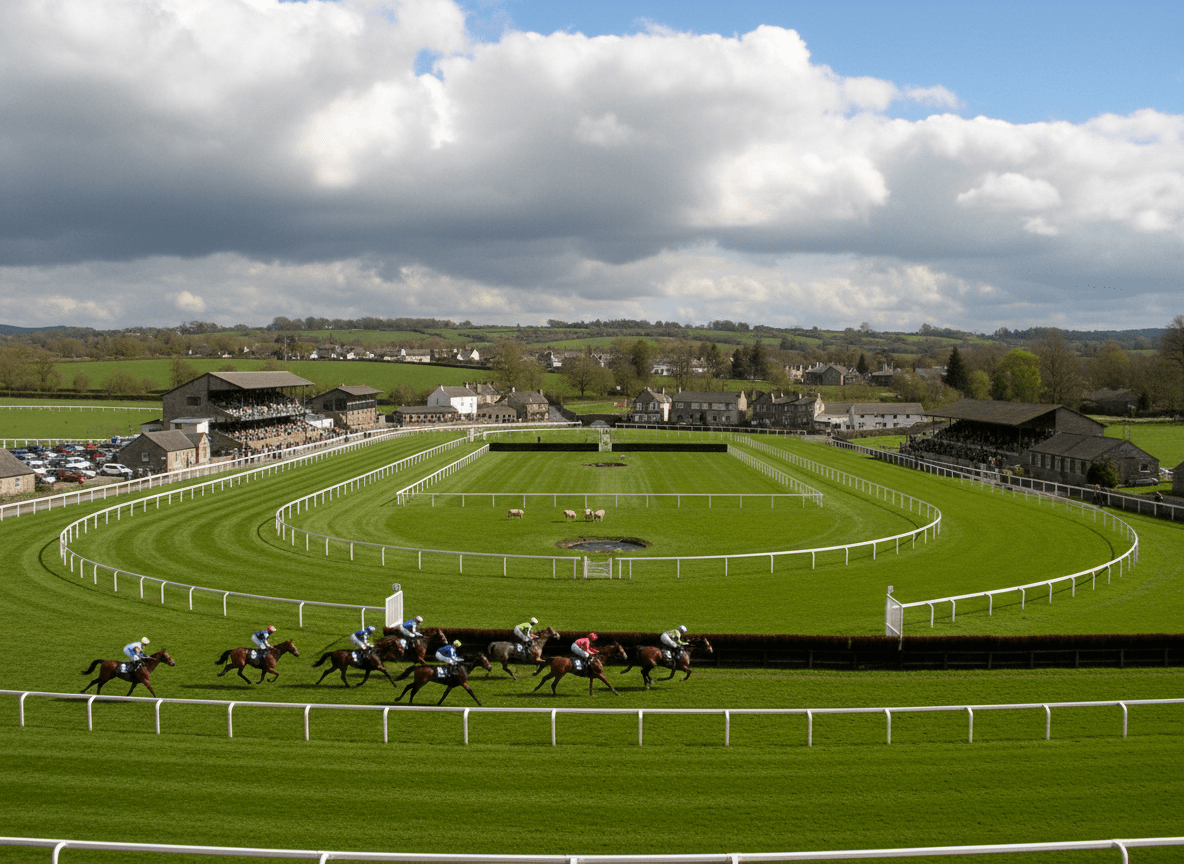
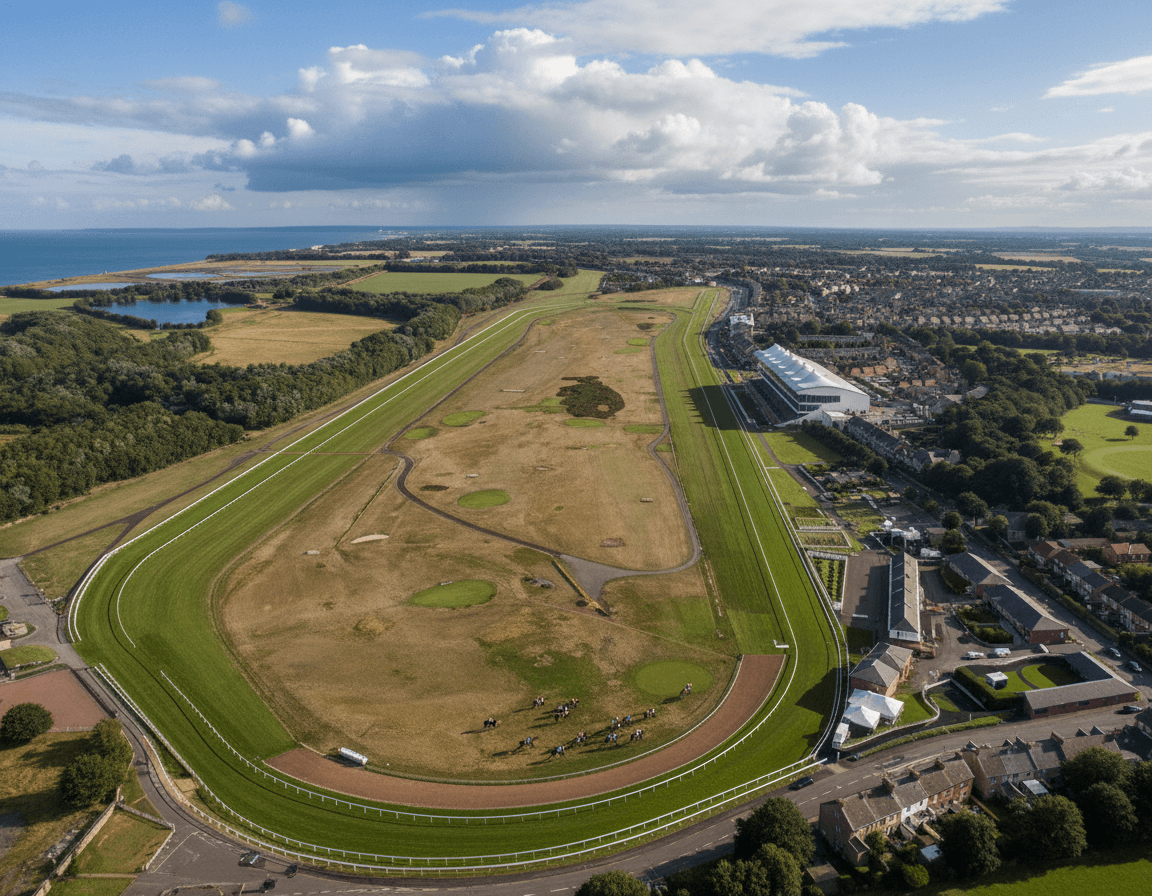
There are racecourses you visit out of habit, and then there are racecourses that quietly get under your skin — the kind where the setting does half the work before a horse has even left the stalls. Musselburgh belongs firmly in the second category. Tucked along the banks of the River Esk in East Lothian, with the Firth of Forth glinting in the distance on a clear September afternoon and the gentle hum of a crowd that actually knows its racing, this is a place that reminds you why you fell in love with the sport in the first place.
Founded in 1816, Musselburgh carries more than two centuries of racing history in its bones, yet it never feels like a museum piece. Scotland's second-largest racecourse has always maintained a vitality that many older venues struggle to sustain — a calendar that balances the big occasion with the bread-and-butter midweek meeting, and a track that, crucially, gives every horse a fair opportunity to show what it can do. That fairness matters enormously, both to the punter trying to find value and to those of us who care deeply about the welfare of the animals at the heart of this sport. A flat, galloping, right-handed circuit with excellent drainage is not just a technical asset — it is a course that places fewer unnatural demands on horses, and that is something worth celebrating.
This Week's Fixtures: What's On and When
Musselburgh offers a generous three-meeting programme this week, with Flat racing the order of the day across all three afternoons — and one evening session to round off the week in style.
The action begins on Wednesday, 2 September, with an eight-race afternoon card run on standard going. Thursday follows in identical fashion — another eight-race afternoon fixture on 3 September, again on standard ground. Then, to close out the week, Saturday brings something a little different: an eight-race evening fixture on 5 September, also on standard going, with that particular magic that only an evening meeting in early autumn can conjure — the light softening over the Esk, the shadows lengthening across the track, the day's tension releasing into something altogether more pleasurable.
Standard going on the all-weather-influenced Musselburgh surface means a consistent, reliable racing surface throughout the week. There will be no excuses for connections, no ground concerns for the welfare-conscious observer, and no artificial variables to muddy the form picture. What you see is, broadly, what you get — and that makes for cleaner analysis and fairer racing.
Reading the Track: What Musselburgh Rewards
Understanding Musselburgh's character is essential if you want to bet here with any confidence, and the good news is that this is one of the more straightforward tracks to decode once you know what to look for.
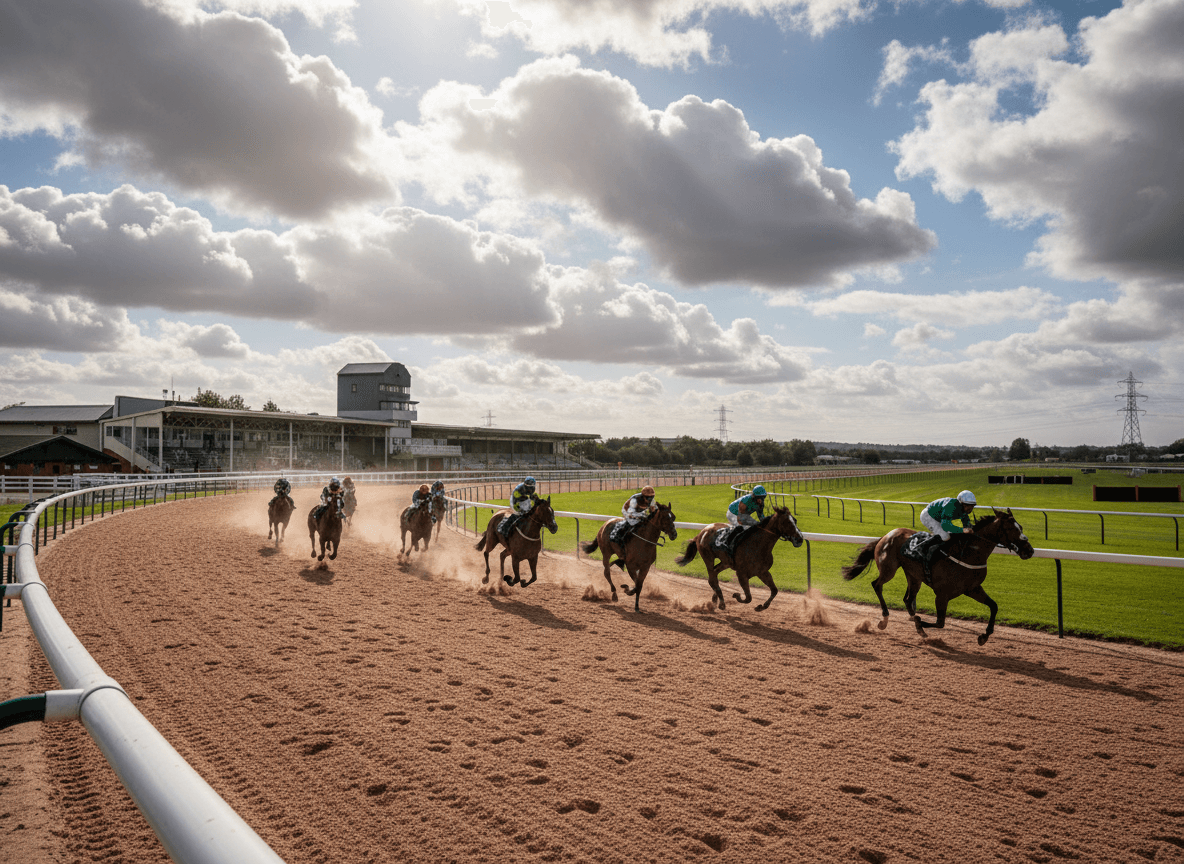
The circuit is right-handed and essentially flat, with a run-in of around two furlongs from the final bend. That run-in is significant: horses need to be travelling well turning for home, because there is enough straight to reward genuine ability but not quite enough to rescue a horse that has been badly positioned or asked to make up ground from an impossible angle. Pace judgement is everything here, and horses that race prominently — or at least within striking distance of the pace — tend to hold a meaningful advantage over those who need to come from off the bridle late.
Draw Bias
Draw bias at Musselburgh is one of the more nuanced puzzles in British Flat racing, and it shifts depending on the distance. In sprint races over five and six furlongs, a low draw has historically been favoured, particularly when fields are large and the pace is strong — horses on the rail can find a cleaner passage and avoid the drift that catches out wider-drawn runners. Over middle distances, the bias becomes less pronounced, though a mid-to-low draw still carries a marginal benefit in competitive handicaps. Always check the field size: the larger the field, the more the draw matters, and the more generously a low-drawn front-runner should be weighted in your assessment.
The Type That Thrives Here
Musselburgh suits the honest, uncomplicated galloper — the horse that travels smoothly through a race, doesn't need soft ground to show its best, and can sustain its effort on a flat track without relying on a downhill camber or a tight bend to manufacture momentum. Horses with a high cruising speed and a consistent stride pattern are ideally suited. Quirky horses that need a particular setup, or those who have shown a preference for left-handed tracks, tend to underperform here relative to their ratings.
Trainers based in the north of England and Scotland have an obvious logistical advantage, and it is always worth noting when a yard like Keith Dalgleish or Jim Goldie — both of whom know this track intimately — saddles a runner in a competitive handicap. Local knowledge is a real and underappreciated edge at regional tracks, and Musselburgh is no exception.
Practical Tips for Racegoers and Punters
Whether you are making the trip to East Lothian this week or following the action from home, a few practical considerations are worth keeping in mind.
- Arrive early for the paddock. Musselburgh's pre-parade ring and paddock area are compact and accessible, and spending time watching horses before the race is genuinely informative here. A horse that is sweating heavily or showing signs of anxiety in the parade ring should be noted — the track's flat, galloping nature means there is nowhere to hide if a horse isn't mentally settled.
- Watch the market moves. Competitive northern handicaps often see significant market support for horses whose form is less visible to southern-based punters. A horse drifting in the market at Musselburgh is usually drifting for a reason; one being quietly backed deserves your attention.
- Check trainer and jockey combinations. Certain jockeys have exceptional records at Musselburgh — the kind of statistics that reflect genuine track craft rather than coincidence. A top northern jockey on a well-handicapped horse from a yard that runs here regularly is a combination worth taking seriously.
- For the evening Saturday fixture, be aware that going conditions can shift slightly as temperatures drop — not dramatically on a standard surface, but worth noting if you are assessing pace scenarios in sprint races.
- Value hunting. Musselburgh consistently produces competitive fields, which can suppress the price of the obvious market leaders. The each-way opportunities in larger handicaps are frequently generous, and the track's fairness means that a well-handicapped horse with a favourable draw has a genuine chance of running to its mark.
A Week Worth Watching
Three fixtures, twenty-four races, and one of the most characterful venues in British racing — there is a great deal to enjoy at Musselburgh this week. The standard going removes the uncertainty that can make welfare-conscious racegoers anxious, the flat track rewards genuine ability over gimmickry, and the setting provides a backdrop that few courses anywhere in the country can match.
Musselburgh has never been a course that shouts for attention. It earns it, quietly and consistently, meeting after meeting, year after year. Whether you are there in person on a warm September evening watching the shadows fall across the Esk, or following the racecards from your armchair, take a moment to appreciate what this course represents — more than two centuries of Scottish racing, still going strong, still fair, still wonderful.
Full racecards and form guides are available for Wednesday's fixture, Thursday's card, and the Saturday evening meeting. We will have tips and analysis for each race as the week unfolds — do check back, and enjoy the racing.