A Track That Earns Its Reputation
There are racecourses that trade on prestige, and there are racecourses that justify it. Newbury belongs firmly in the second category. Since the gates first opened in 1905, this Berkshire venue has quietly accumulated a reputation built not on glamour alone but on the quality of its racing surface, the fairness of its test, and the consistency with which it produces results that make sense. Trainers trust it. Punters respect it. And horses — the good ones, at least — tend to tell you something meaningful here.
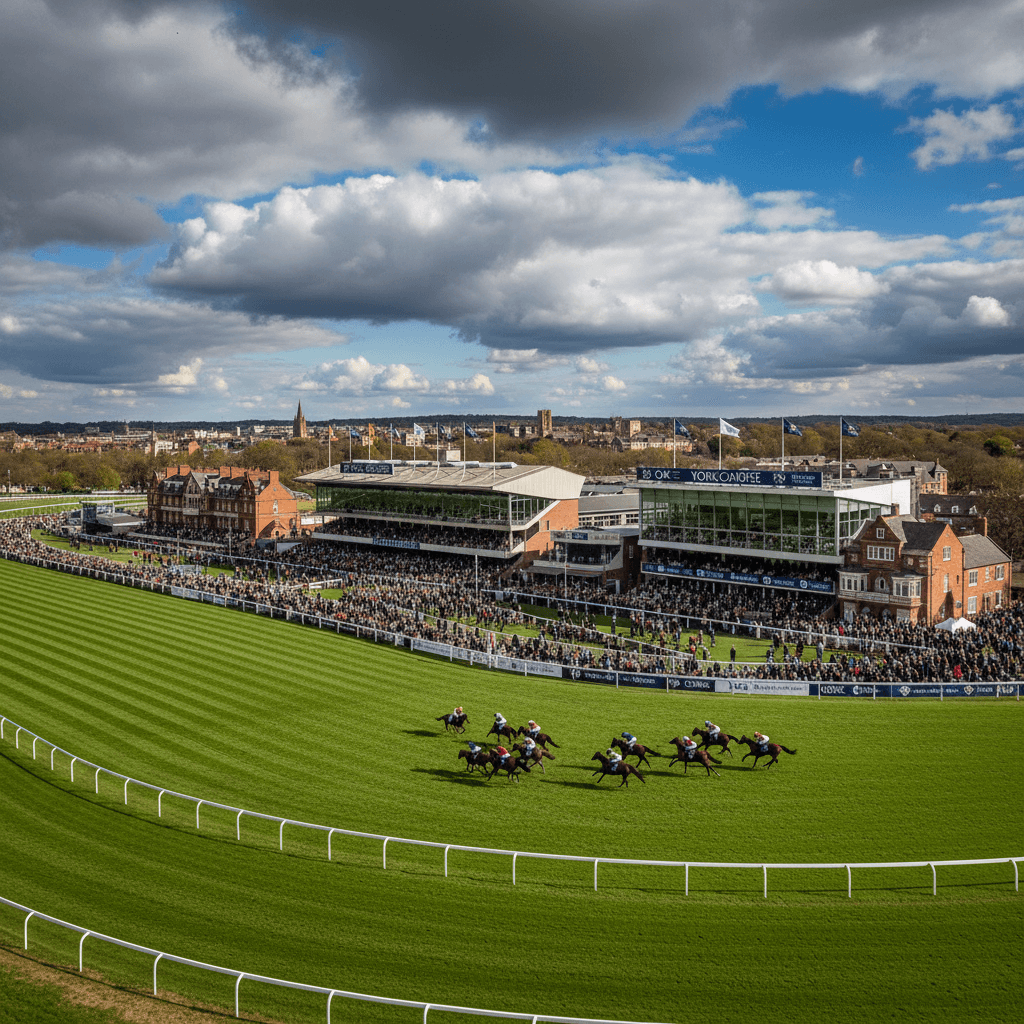
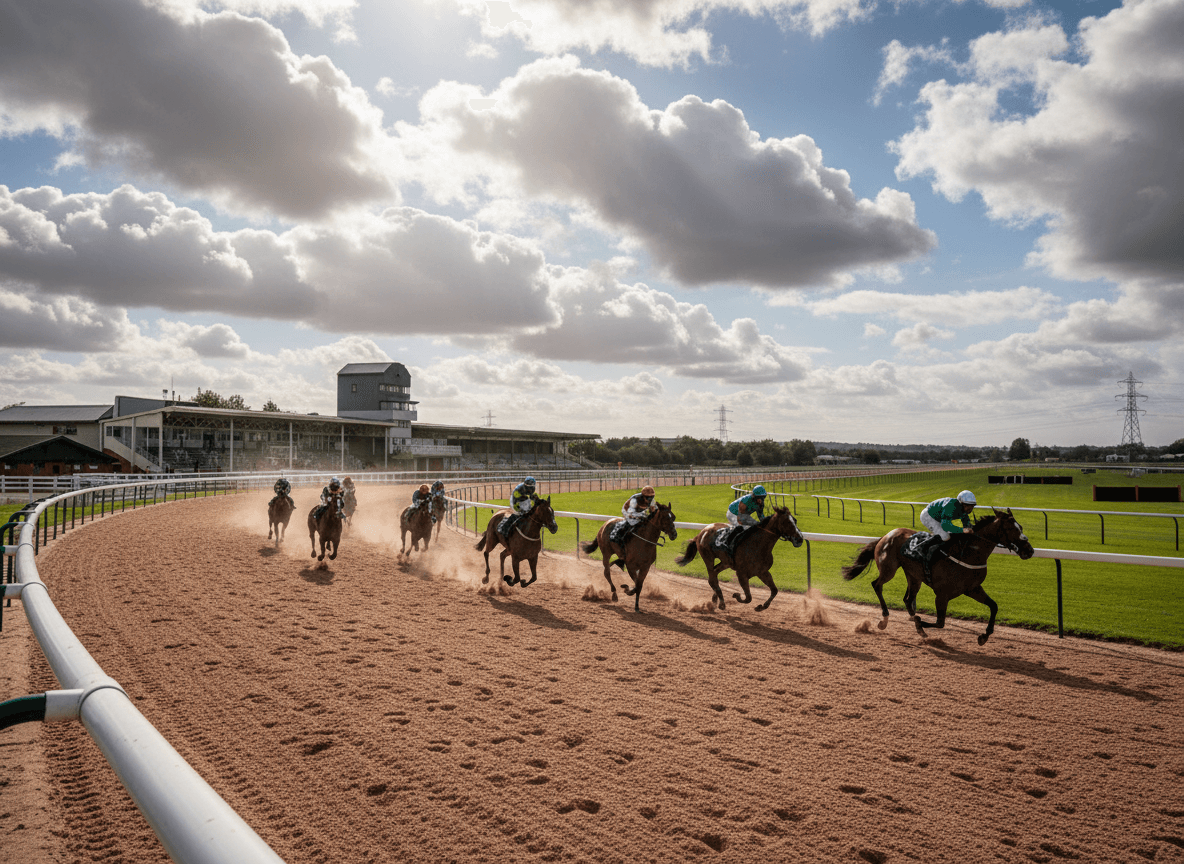
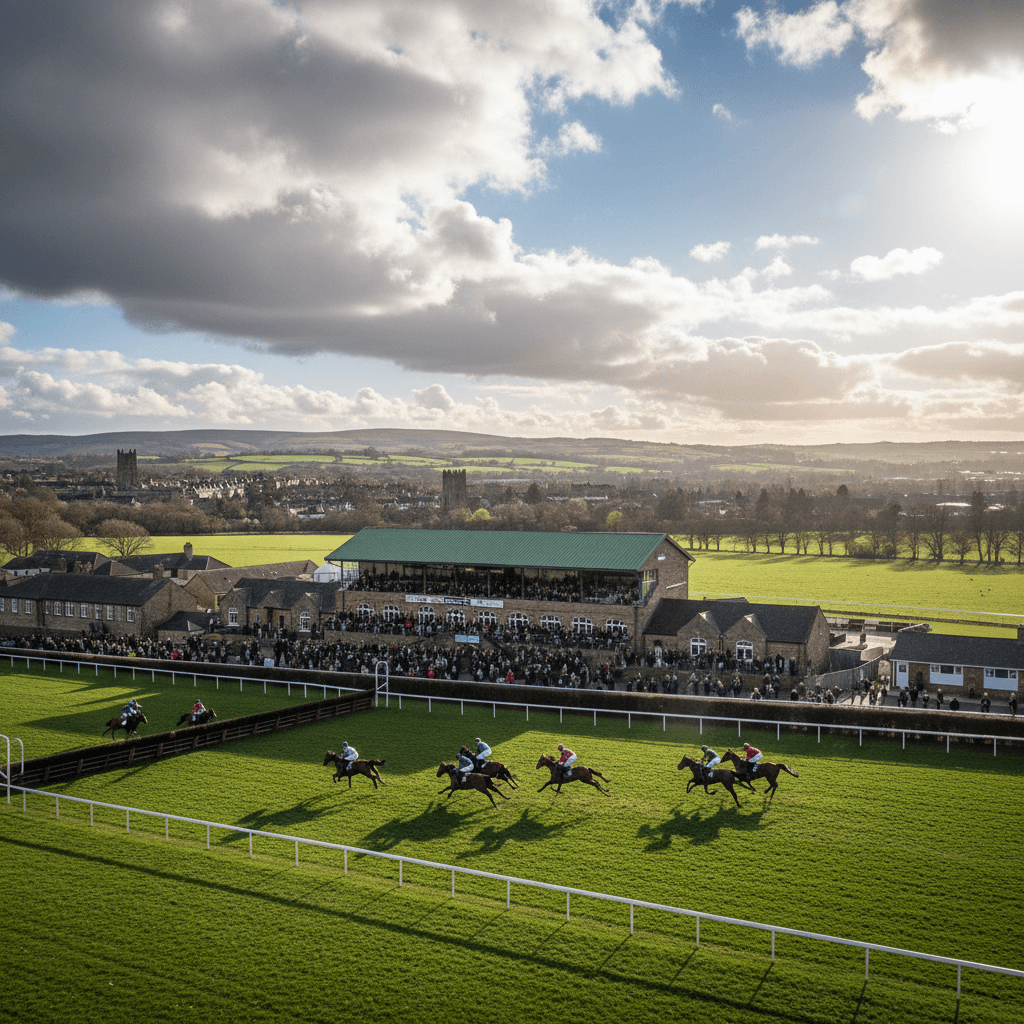
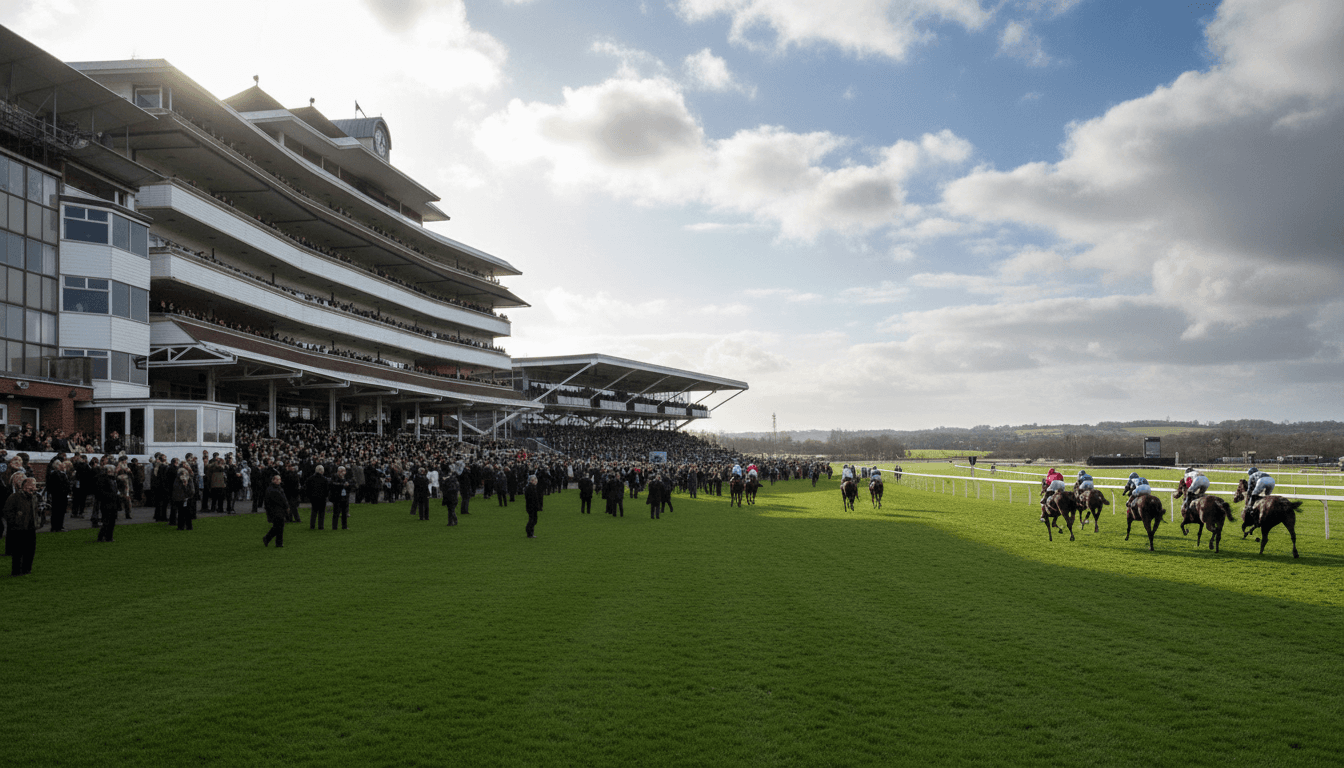
Set in the broad, unhurried landscape of the Kennet Valley, Newbury has the feel of a course that knows exactly what it is. Wide, left-handed, and largely flat, it offers a galloping track with long, sweeping bends and a home straight that stretches to nearly five furlongs. There is no trickery here, no camber to catch the unwary or tight turn to flatter the nippy. What Newbury rewards, above all else, is quality — and that is precisely what makes it such a satisfying place to study.
This week brings two Flat fixtures on good to firm ground: a Friday evening card on 14 August and a Saturday afternoon programme on 15 August. Six races on Friday, seven on Saturday. A pleasant midsummer double-header, and well worth your attention.
The Week's Fixtures at a Glance
Friday's evening card at Newbury is the kind of fixture that tends to be underestimated. Evening meetings carry a certain informality — the crowds are lighter, the atmosphere a little more relaxed — but the racing itself is often sharper than you might expect. With six races under the long August sky, there is plenty to engage the serious racegoer, and the good to firm ground will ensure the track rides at its very best. Expect quick times and a premium on horses that travel fluently through their races.
Saturday's afternoon card steps things up with seven races and the fuller pageantry of a weekend fixture. Good to firm going again — the ground team at Newbury have always taken pride in their surface, and in high summer it tends to be presented in excellent condition. Seven races gives trainers and punters alike a broader canvas, and you can expect a range of distances and class levels that will reward careful preparation.
Both days carry the same essential message: the ground is fast, the track is fair, and the horses that handle a proper galloping test will be at an advantage.
Understanding the Track: Draw, Pace, and Shape
Newbury's width is one of its defining characteristics, and it matters more than casual observers might assume. In sprint races — particularly those run over five and six furlongs — the draw can play a significant role, especially when fields are large. On good to firm ground, there is a general tendency for horses drawn towards the stands' rail to hold a slight advantage in the straight, as the ground there tends to ride marginally quicker and the rail provides a psychological guide for jockeys hunting the best ground. It is not a dominant bias, and it shifts with field size and conditions, but it is worth factoring in when the draw is wide.
Over longer distances — a mile and beyond — the draw becomes less critical. Newbury's long run to the first bend gives horses time to find their position, and by the time the field turns for home, what matters most is the quality of the horse and the timing of the challenge. The extended home straight is both a gift and a test: it gives closers room to build momentum, but it also exposes any horse that hits the front too soon. Pace judgement is crucial here, and horses that race with cover before being produced late tend to have a structural advantage.
One pattern worth watching: hold-up horses often flourish at Newbury in the summer months, particularly when the ground is quick and the pace is genuine. The straight is long enough to absorb a sustained run from off the pace, and on good to firm ground the surface rewards horses with a clean, economical action rather than those that bash into the ground.
What the Ground Tells You
Good to firm at Newbury in August is about as reliable a racing surface as you will find in Britain. The course drains well, the going tends to be consistent across the track, and there are rarely the hidden soft patches that can distort results elsewhere. Trust the going description here. If the card says good to firm, ride it as good to firm — and look for horses whose form figures on similar ground are strong.
The Type of Horse That Wins at Newbury
Ask any experienced trainer what kind of horse goes well at Newbury and the answer tends to be consistent: a proper horse. That sounds glib, but there is real meaning in it. The track does not flatter. It does not gift races to horses that have found a weakness to exploit elsewhere. What it rewards is a balanced, well-made animal with a smooth, ground-covering stride and the physical scope to sustain a gallop over the full length of the straight.
Pedigree is worth considering, particularly in maiden and novice races. Horses by sires associated with a staying pedigree — those that tend to produce runners who improve with distance and maturity — often find Newbury's galloping nature to their liking. Conversely, sharp, speedy types bred for the minimum trip can sometimes find the track's demands slightly beyond their comfort zone, particularly when the pace is strong and the race develops over the full straight.
In handicaps, look for horses that have been running consistently without winning — the ones whose form lines read like a near-miss sequence. Newbury's fair track has a habit of finding out the horse that has been a shade unlucky or slightly outpaced elsewhere. If the draw and pace scenario align, those horses can be rewarding finds.
Practical Tips for Racegoers and Bettors
- Arrive early on Friday evening — parking fills up faster than you might expect for evening fixtures, and the atmosphere before racing is worth savouring.
- Study the draw carefully in sprints, particularly in fields of ten or more. The stands' side has historically offered a marginal advantage on quick ground, though it is never absolute.
- Watch the market moves in the hour before each race. Newbury attracts well-informed yards, and significant support for a horse — particularly in maidens and novice races — often reflects genuine stable confidence.
- In longer races, note the pace scenario. A truly run mile or mile-and-a-quarter at Newbury on good to firm ground tends to produce a winner from off the pace. If the field is short of obvious front-runners, be wary of hold-up horses who may find the race run too slowly for their style.
- Check trainer form at the track. Certain yards — particularly those based in the south — have strong records at Newbury and return repeatedly with well-prepared horses. Familiarity with the track is a genuine edge.
A Final Word
There is something quietly reassuring about a week of racing at Newbury. It does not demand that you suspend your judgement or back against the form book in search of a hidden angle. It asks, instead, that you look carefully, think clearly, and trust the evidence in front of you. The best horse, run in the right way, on the right ground, tends to win here — and that, in a sport full of variables, is a comfort worth appreciating.
Whether you are heading through the gates on Friday evening with a glass of something cold in prospect, or settling in on Saturday afternoon for the full card, Newbury will reward your attention. It always does. Explore the full Newbury course page for historical stats and trends, and make sure you have the racecards for both Friday and Saturday close to hand before the first race goes to post.