A Somerset Institution Worth Celebrating
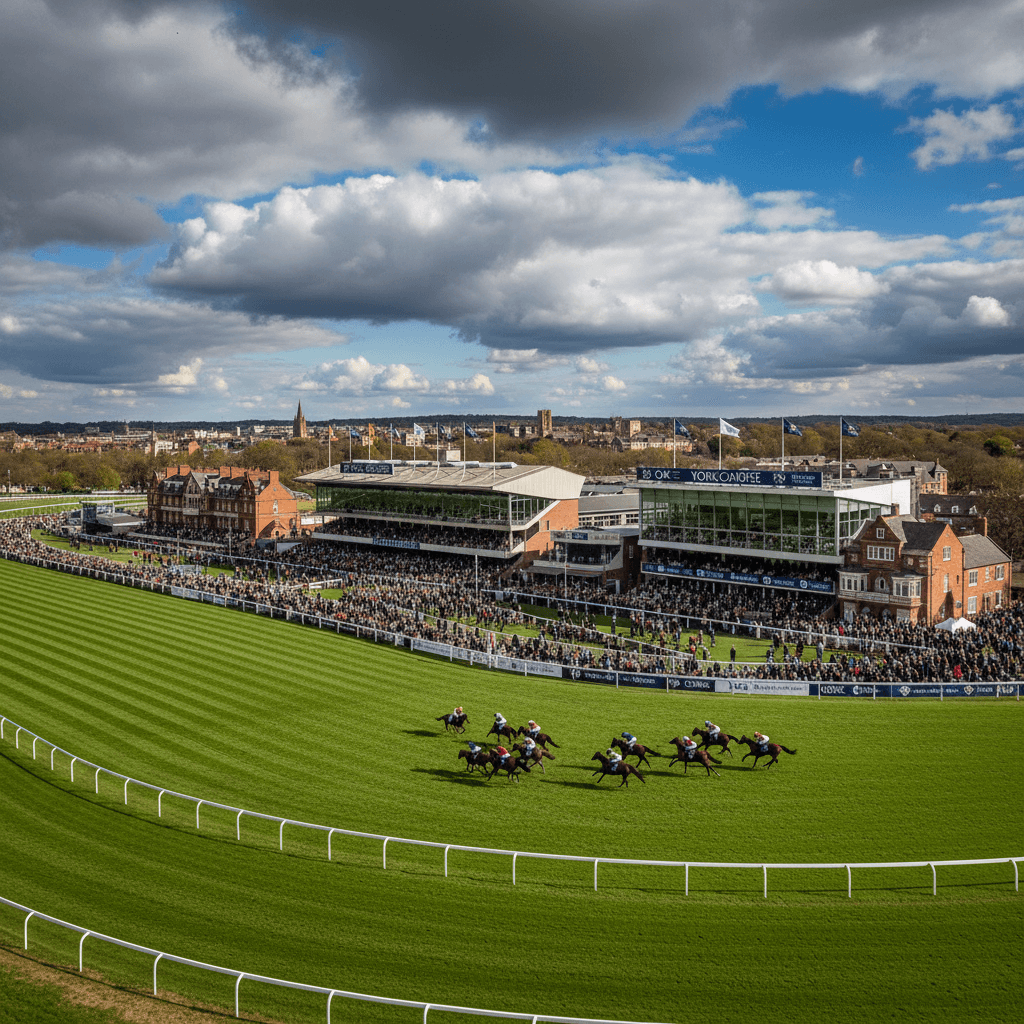
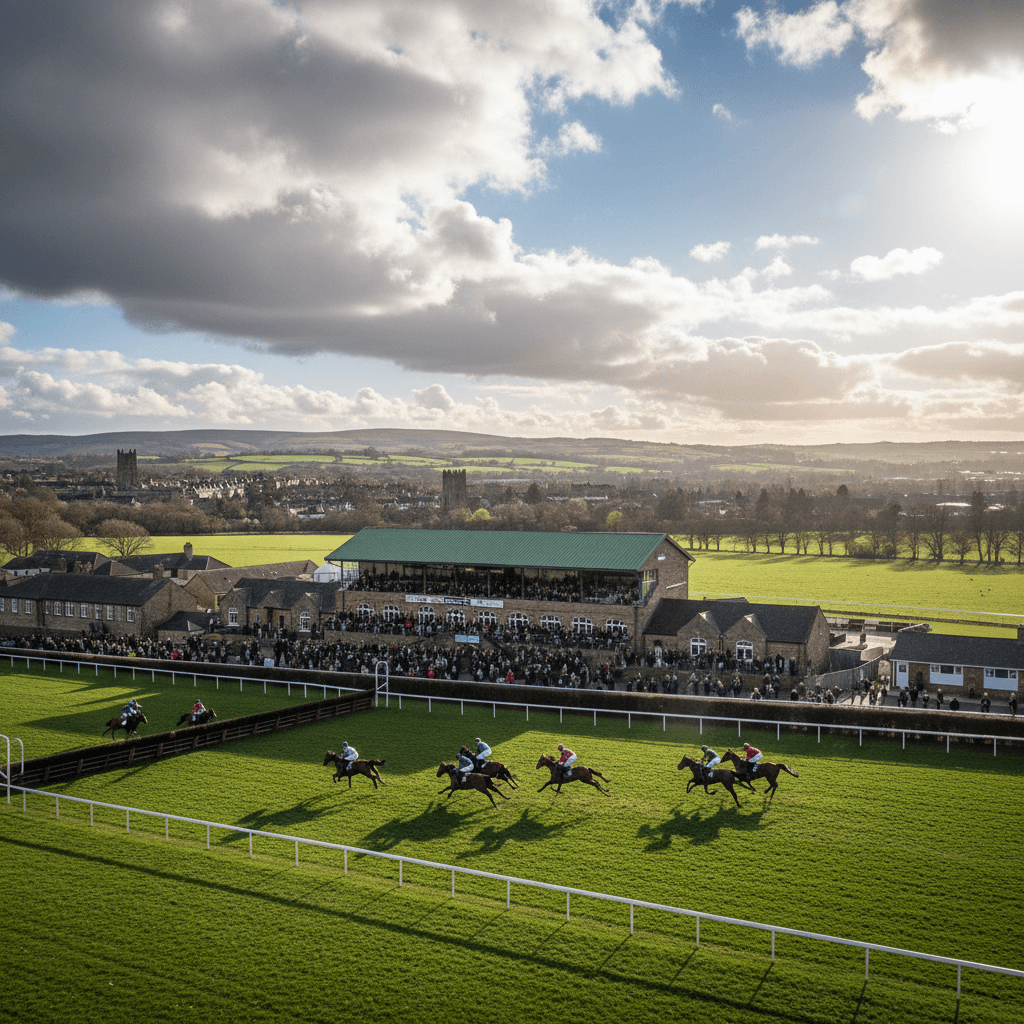
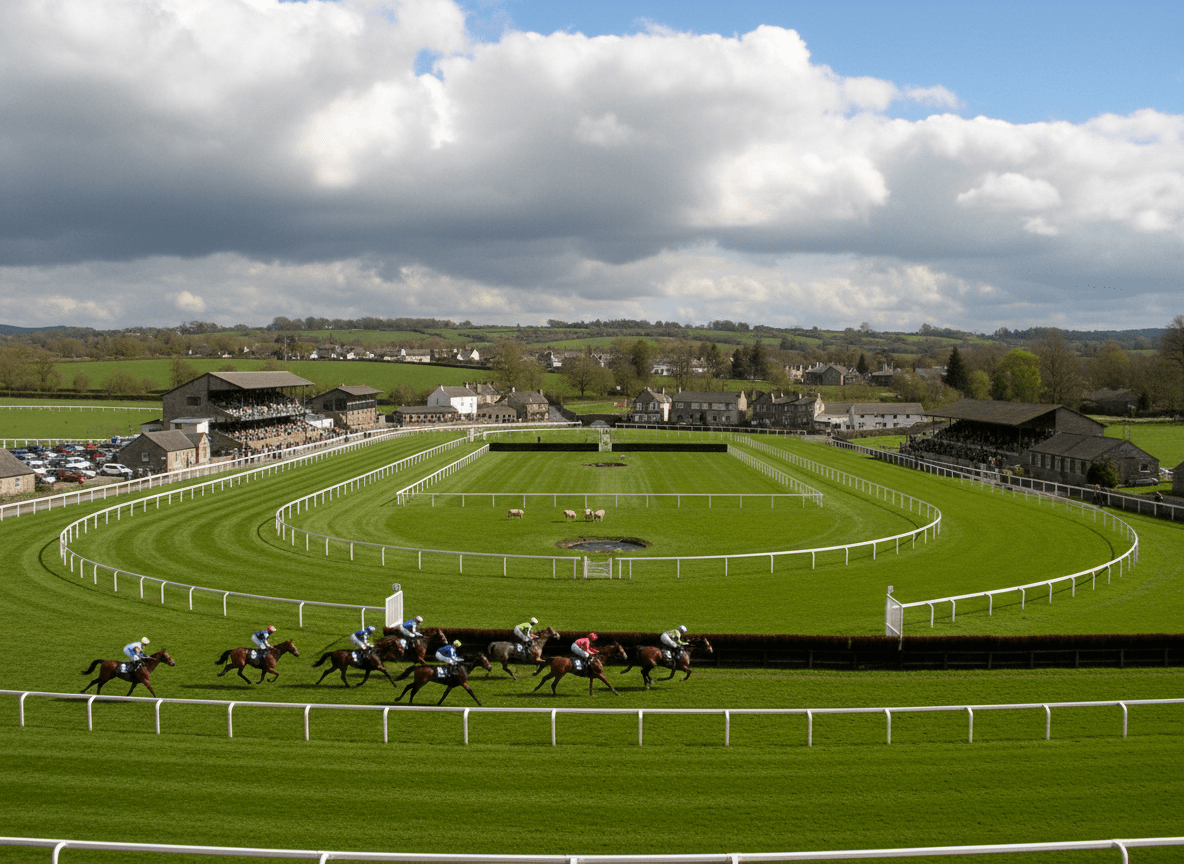
There are racecourses you visit for the prestige, and then there are racecourses you visit for the feeling — the particular warmth of a crowd that genuinely loves its sport, the smell of cut grass and good earth, the sense that something real and unsponsored is happening in front of you. Wincanton has always belonged firmly in that second category. Tucked into the gentle folds of Somerset since 1890, it carries more than a century of jump racing heritage with a quiet, unassuming pride that feels increasingly rare in modern sport.
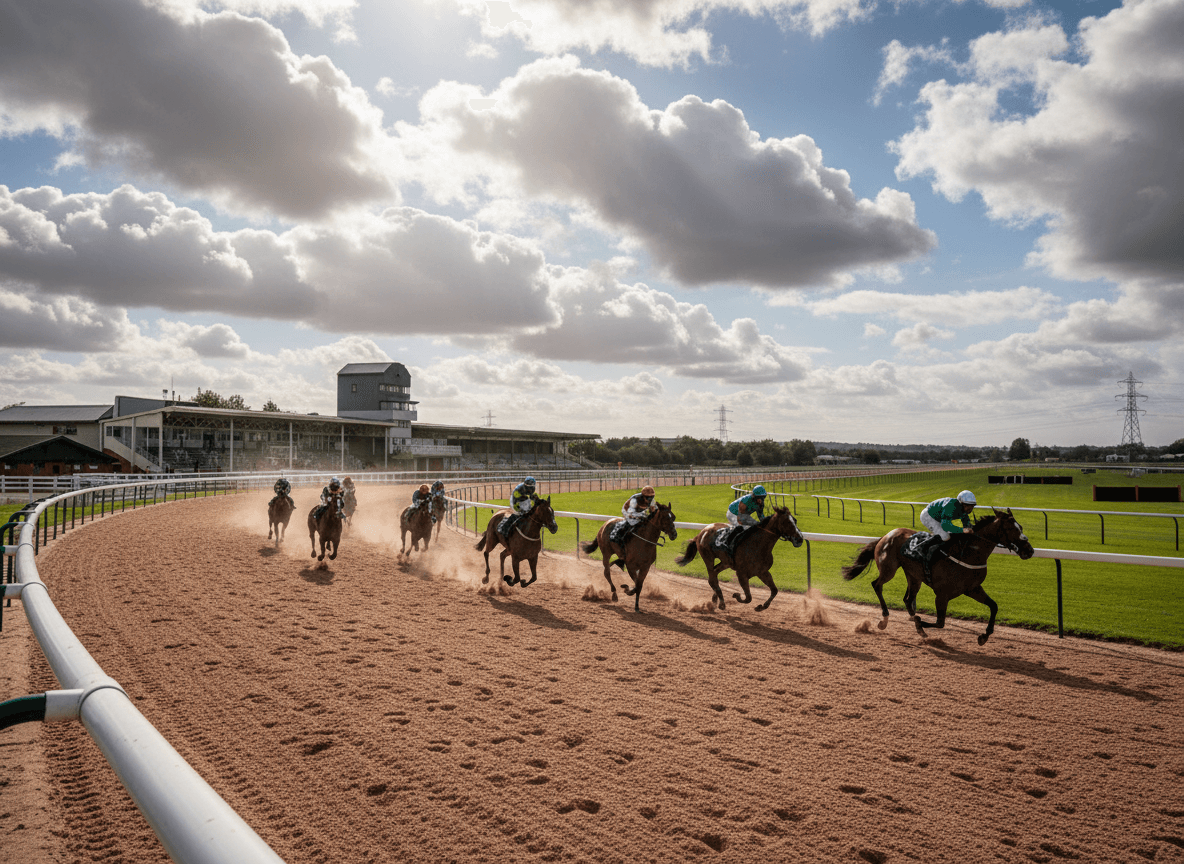
Of course, this week Wincanton steps a little outside its usual identity. The National Hunt course — beloved for its right-handed, undulating circuit, its stiff uphill finish, and the honest demands it places on horse and rider alike — gives way this August to a pair of flat evening fixtures. And while purists might raise an eyebrow, there is something rather lovely about seeing this grand old venue dressed in its summer clothes, the long evenings stretching out over the Somerset hills as a different kind of racing drama unfolds.
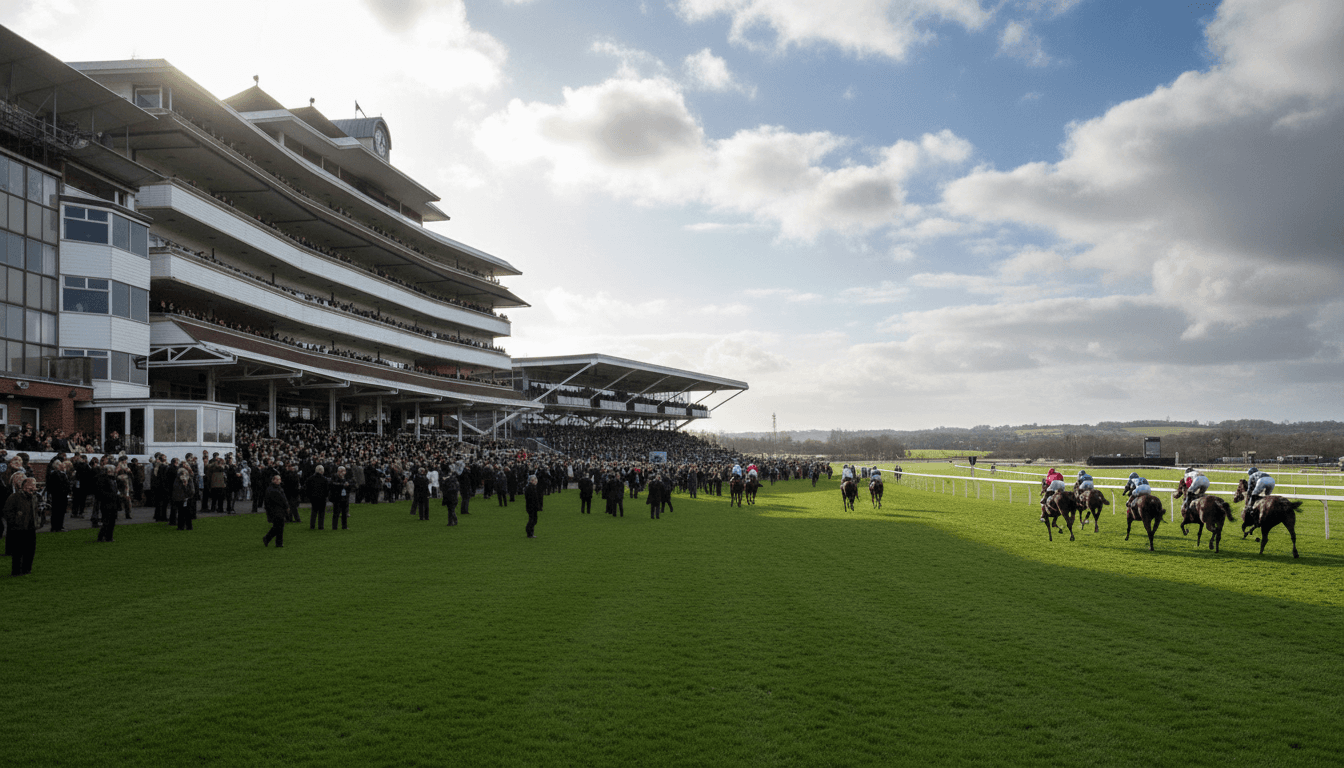
Whether you are a Wincanton regular who has cheered home a novice chaser on a frost-bitten January afternoon, or someone discovering the course for the first time through the more accessible gateway of summer flat racing, this week offers something genuinely worth your time.
This Week's Fixtures at a Glance
Wincanton stages two evening meetings this week, both run under flat racing conditions and both on what promises to be good to firm ground — a reflection of the dry summer Somerset has been enjoying. The first fixture takes place on Monday, 10 August 2026, with six races on the card, while the second follows just three days later on Thursday, 13 August 2026, again offering six races across the evening programme.
Evening meetings at a course like Wincanton carry their own particular magic. The working day done, the crowd arrives a little looser, a little more willing to linger. The light changes beautifully across the Somerset landscape as the card progresses, and there is an intimacy to the smaller evening fields that rewards the careful observer. Six races on each night gives you plenty to work through without the session feeling overwhelming — this is racing at a human pace, which suits the course's character perfectly.
Going Conditions
Good to firm ground is the declared going for both fixtures, and on a course that measures approximately one mile three furlongs per circuit, that surface will place a premium on horses with a clean, efficient action who don't need soft ground to show their best. Expect quicker times than the course's National Hunt season would ever produce, and pay close attention to any horse that has previously shown a preference for faster ground — on a summer evening at Wincanton, that preference can be the difference between a placed effort and a winning one.
Understanding the Wincanton Track for Flat Racing
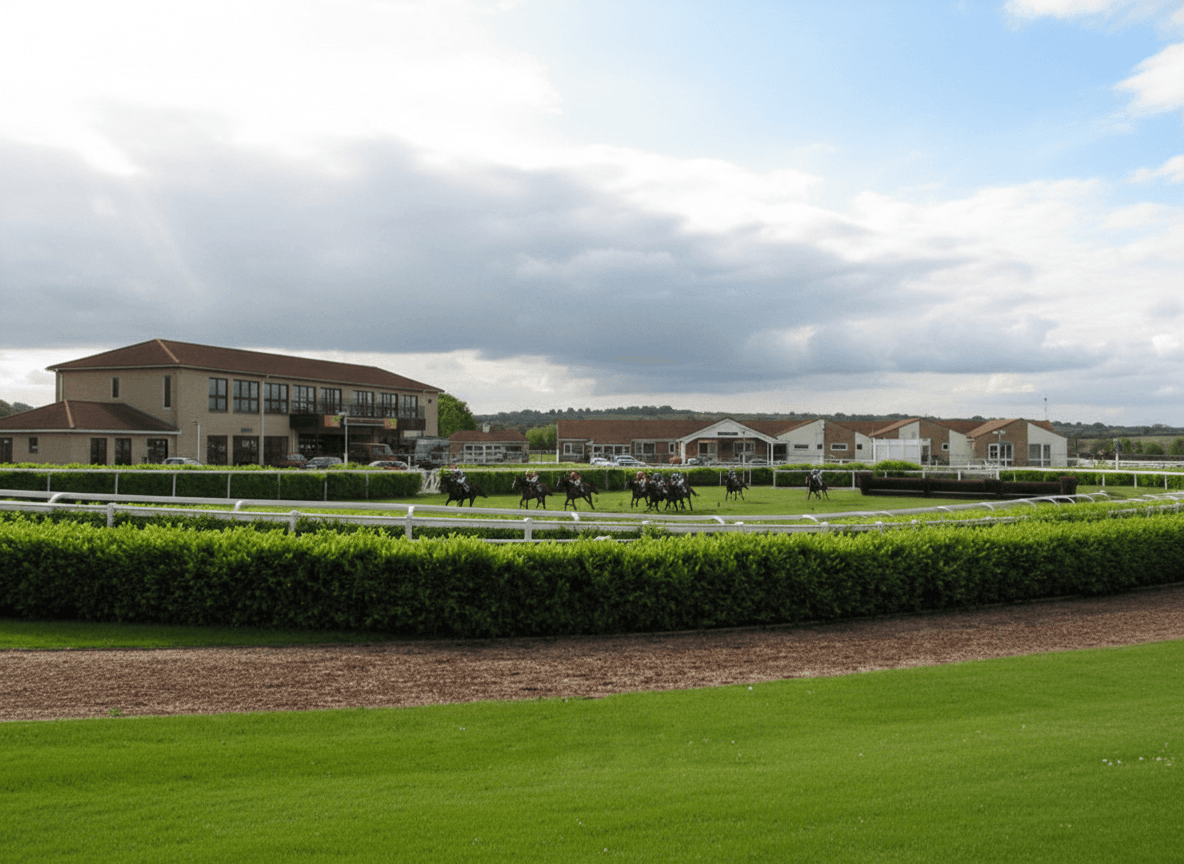
Wincanton's layout was designed with jump racing in mind, and that heritage shapes the experience even when the fences come down. The right-handed, undulating circuit with its characteristic uphill finish means that flat horses are asked questions here that a conventional track might not pose. The turns are relatively sharp by flat racing standards, which rewards horses with natural balance and an ability to settle into a rhythm rather than those who rely on a long, sweeping bend to find their stride.
The uphill finish is perhaps the most important factor for punters to absorb. Stamina, even over shorter flat distances, will be tested in the closing stages, and horses who tend to idle when hitting the front — who need something to race against — will find Wincanton's run-in an honest examination of their character. Conversely, genuine stayers and horses with a strong, sustained gallop will relish the climb to the line.
Draw and Pace Considerations
On a right-handed track with relatively tight bends, draw biases in flat racing tend to favour horses drawn towards the inside rail in larger fields, as the rail offers the most economical route around the turns. In smaller evening fields, however, the draw matters less than positioning and the pace of the race. Watch for horses that can travel comfortably in the first half of the race without being asked questions — at Wincanton, those who arrive at the final bend with something in reserve will almost always outperform those who have been scrubbing along from the outset.
What Type of Horse Tends to Thrive Here?
For these summer flat fixtures, the profile of a Wincanton winner is fairly consistent. You are looking for horses with proven form on fast ground, ideally with experience of undulating or testing tracks rather than purely flat, galloping circuits. A horse that has run well at courses like Chepstow, Ffos Las, or Exeter — venues that similarly ask questions of balance and stamina — will often translate that form to Wincanton more reliably than one whose best efforts have come on the wide, flat expanses of Newmarket or Doncaster.
Trainers who are local to the West Country tend to know this course intimately, and their runners — particularly those making a second or third appearance at the track — deserve respect even when the market underestimates them. Horses that have run here before and shown any signs of promise, even in defeat, are worth a second look when they return.
- Ground preference: Good to firm or faster — horses who have previously shown reluctance on soft ground are well-placed this week
- Stamina: Even in sprint distances, the uphill finish rewards those with a genuine galloping action
- Balance: The sharp, right-handed turns suit neat, balanced movers over those with a wide, sweeping stride
- Course form: Previous Wincanton experience — particularly over similar conditions — is a meaningful positive
- Trainer knowledge: West Country stables with a strong record at this track are worth following closely
Tips for Racegoers and Punters
If you are making the trip to Somerset this week, a few practical thoughts. Evening meetings at Wincanton are wonderfully relaxed affairs — arrive early enough to walk the course perimeter if you can, because understanding the undulations firsthand gives you a genuine edge when assessing pace and finishing positions. The paddock at Wincanton is compact and accessible, which means you can get a proper look at the horses before each race without fighting through crowds. Trust your eyes in the paddock: horses who are calm, well-muscled, and moving freely through their joints on good to firm ground are showing you exactly what you need to know.
For those betting from home, keep a close eye on the market moves in the twenty minutes before each race. Evening meetings at smaller tracks often attract sharp, informed money from connections who know their horses' wellbeing and readiness better than any form book can capture. A horse that drifts in the market on fast ground despite apparently strong form might be telling you something about its comfort on the surface — and conversely, a horse that shortens despite modest recent form may simply be ready to run the race of its life.
Both racecards are available now — the Monday evening card and the Thursday evening card — and it is well worth studying them side by side to identify any horses running twice across the week, which can offer useful insight into trainer intentions and horse fitness.
A Final Word on Why Wincanton Matters
It would be easy to treat these fixtures as minor summer filler — two quiet evenings on the racing calendar before the season builds towards its autumn crescendo. But that would be to misunderstand what courses like Wincanton actually provide. They are the connective tissue of British racing: the places where careers begin, where handlers experiment, where horses find their level and occasionally exceed it in front of a crowd that genuinely cares. The same turf that has seen future Cheltenham stars take their first tentative steps over obstacles will this week host a different kind of ambition, under a different kind of light.
Go for the racing, stay for the atmosphere, and remember that every winner at Wincanton — whether it arrives over a fence in January or up that stiff flat hill on a warm August evening — carries with it a little piece of something that matters. That is what this course has always been about, and long may it continue.