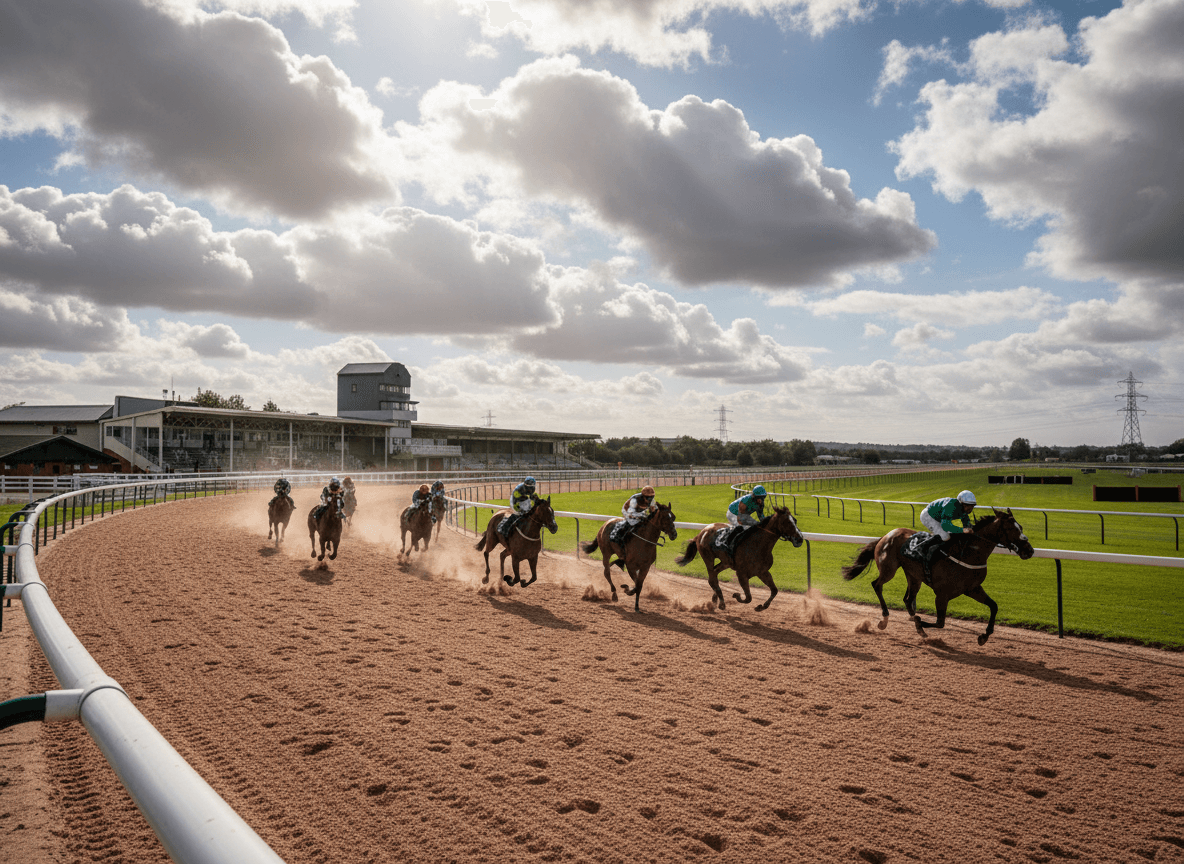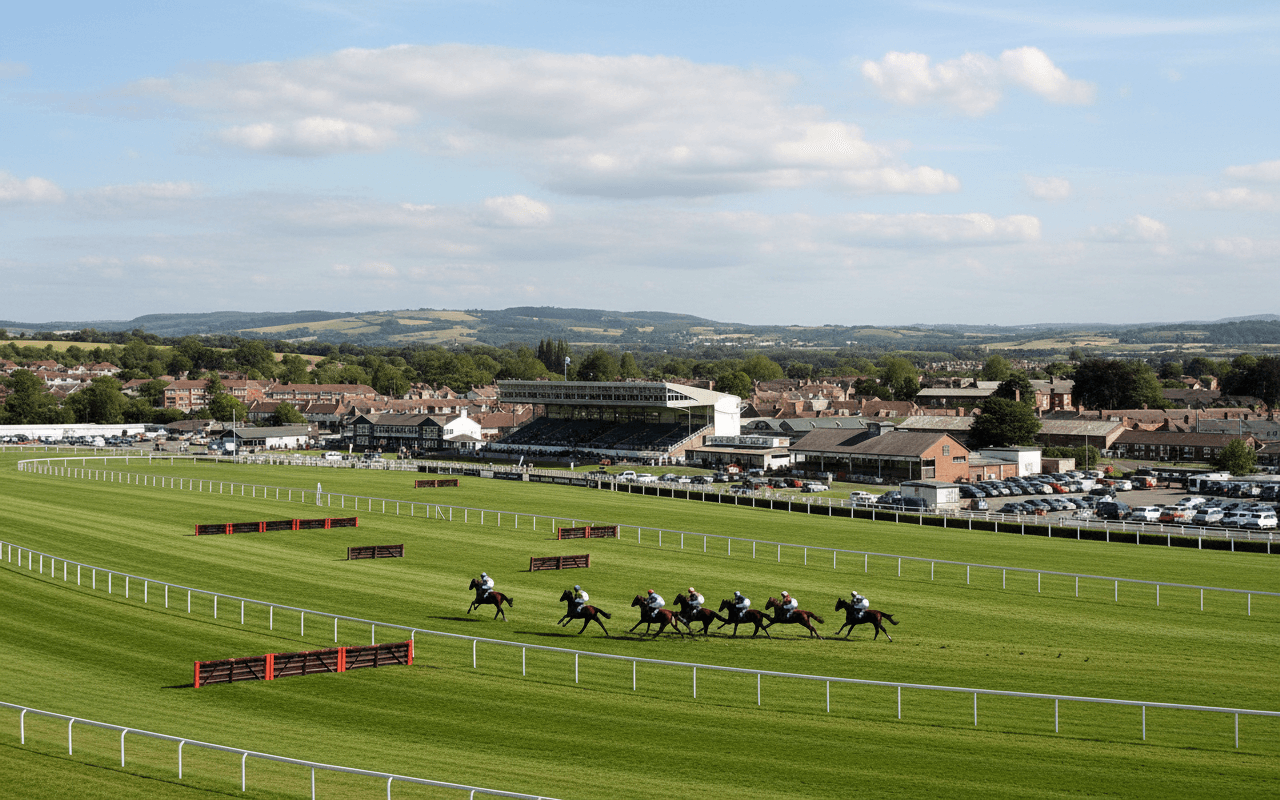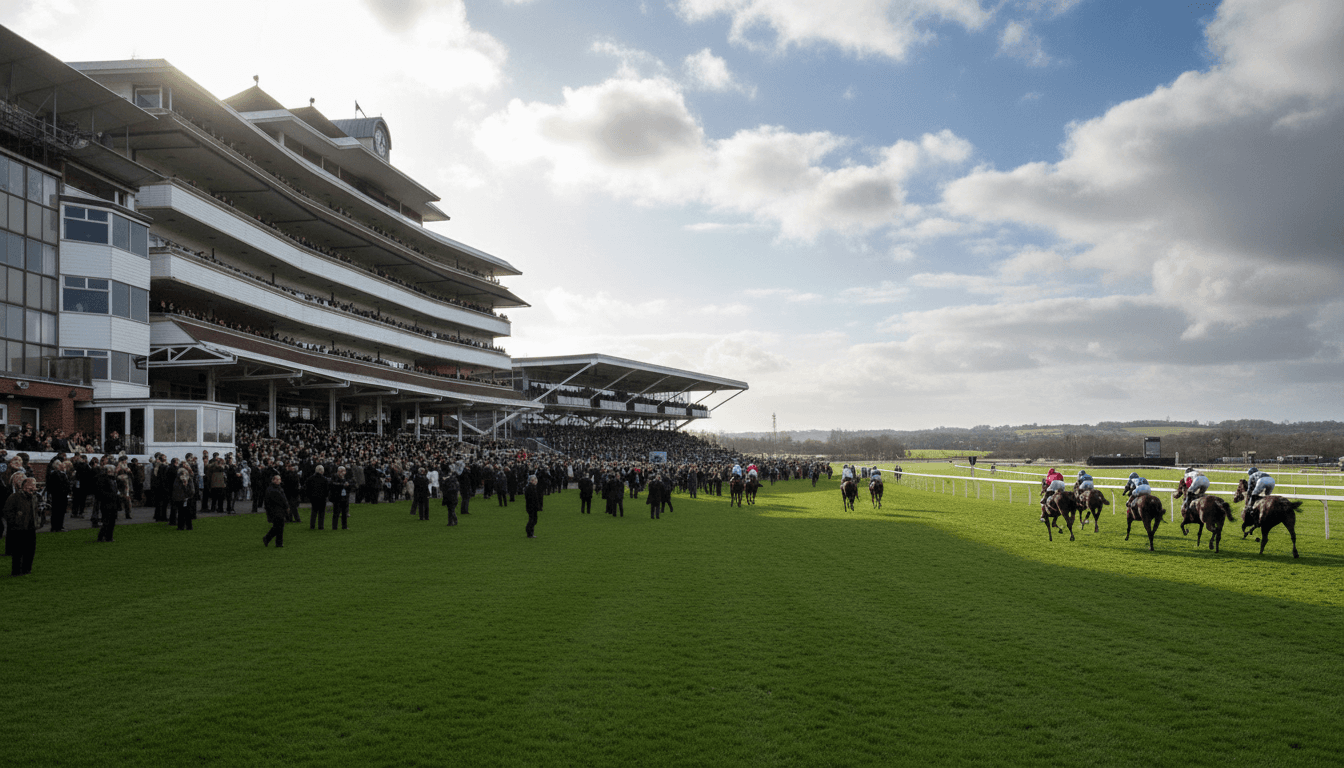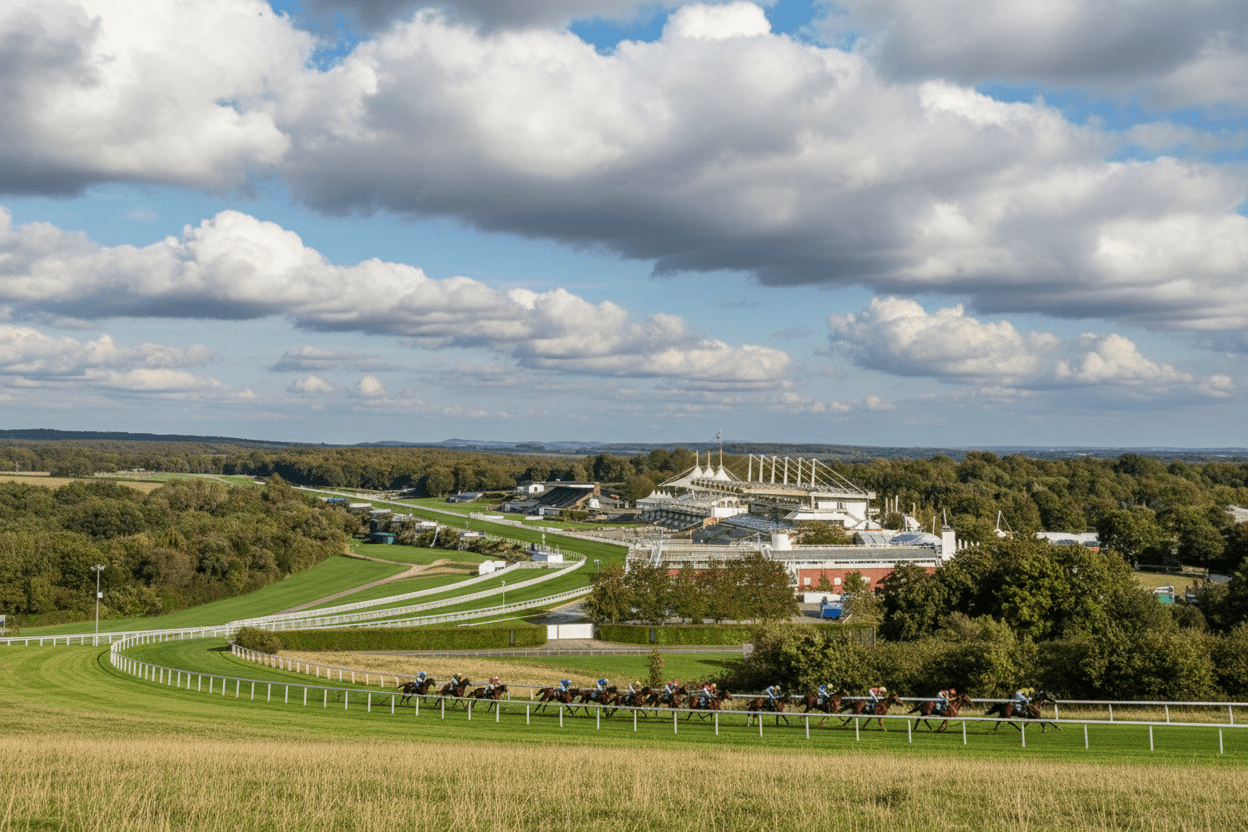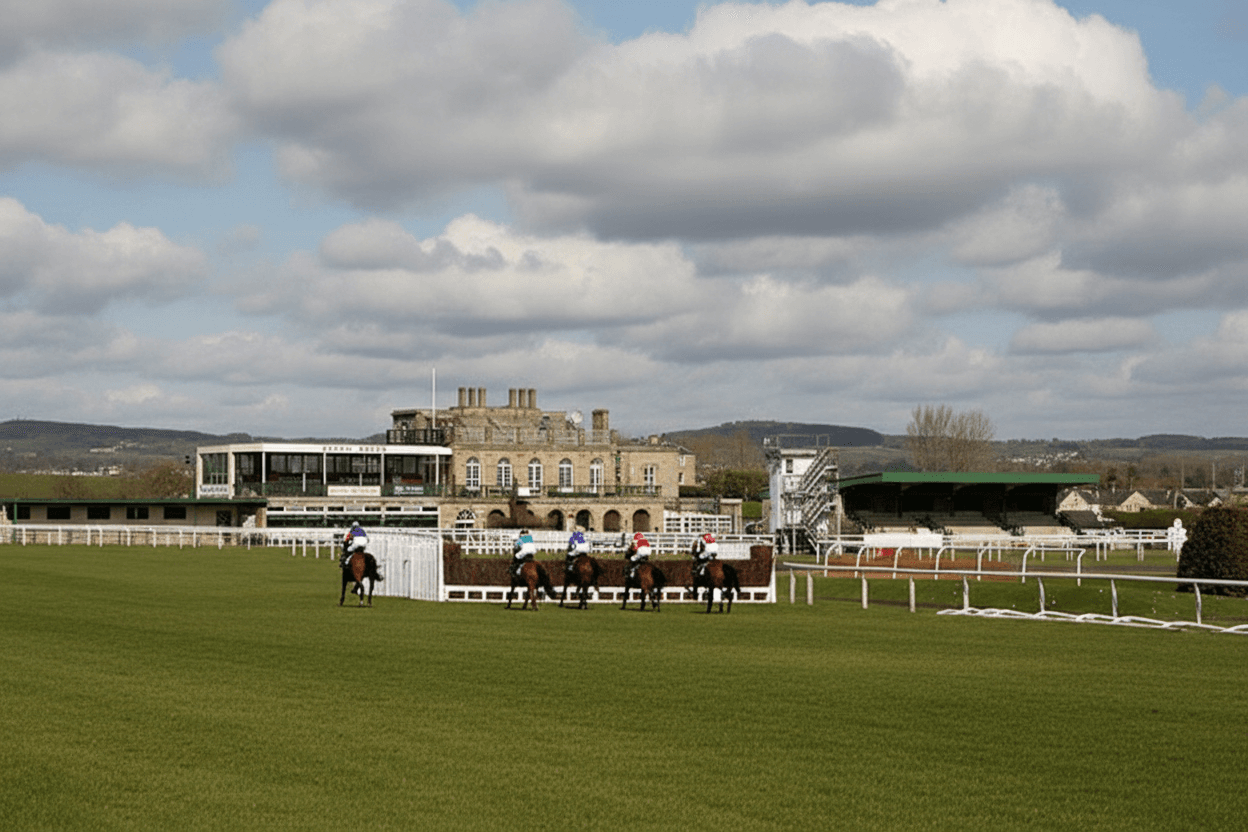
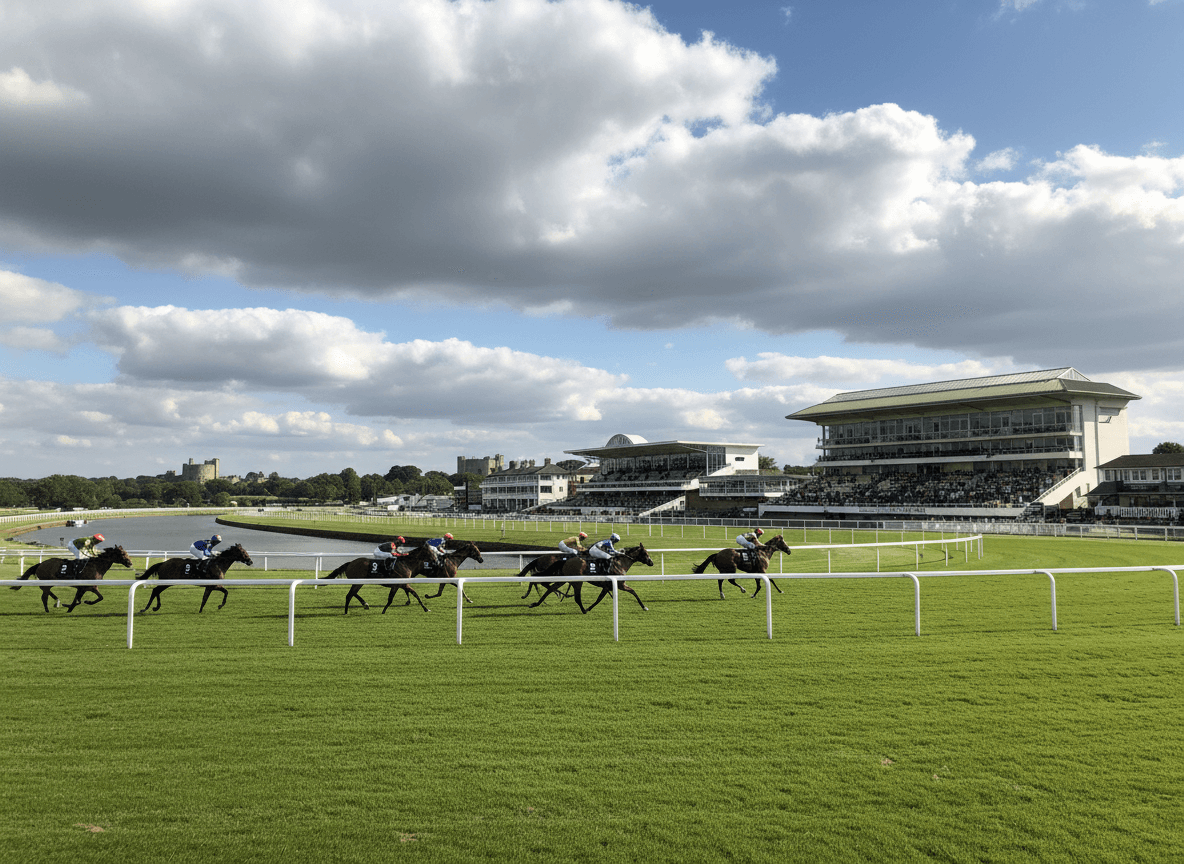
A Course Like No Other
There are racecourses you visit and racecourses you fall in love with, and Windsor has always belonged firmly in the second category. Nestled beside the River Thames in the heart of Royal Berkshire, with the castle itself brooding magnificently on the horizon, this is a venue that carries its history lightly but wears it proudly. Since its opening in 1897, Windsor has offered something genuinely rare in British flat racing — a figure-of-eight configuration that makes it one of only two such tracks in the country, a quirk that gives the course its distinctive personality and keeps both horses and jockeys permanently on their toes.
The atmosphere on a warm summer evening here is something that stays with you. The crowds spill across the lawns, the river glitters beyond the rails, and there is a sense — difficult to articulate but impossible to miss — that racing at Windsor is as much about the experience of being alive on a July evening as it is about the form book. That said, for those of us who take the racing seriously, there is plenty to get your teeth into, and this week's two fixtures offer a fine opportunity to do exactly that.
This Week's Fixtures at a Glance
Windsor hosts two meetings in quick succession this week, and both are worth your attention whether you are planning to attend in person or following along from home.
The first is an evening fixture on Thursday, 30 July 2026, with seven races run under flat conditions on standard going. Evening racing at Windsor is something of an institution — the Monday night fixtures are perhaps the most famous, but a Thursday evening card carries much of the same magic, drawing a sociable crowd and offering a relaxed, convivial atmosphere that afternoon racing sometimes struggles to replicate. If you have never experienced Windsor under the long light of a summer evening, this is as good a starting point as any. You can find the full Windsor Thursday, 30 July 2026 racecard on our site.
The second meeting follows swiftly on Friday, 31 July 2026, an afternoon card again comprising seven races on standard going. The pace of a Friday afternoon at Windsor has its own particular rhythm — slightly more purposeful than the evening sessions, with a crowd that tends to include more dedicated racegoers alongside the casual summer visitors. Standard ground on both days is encouraging news; it suggests a fair, consistent surface that should allow the best horses to express themselves without the lottery that testing ground can sometimes introduce. The Windsor Friday, 31 July 2026 racecard is also available to browse in full.
Understanding the Windsor Track
To bet or watch intelligently at Windsor, it helps to understand what makes this course so distinctive — and occasionally so deceptive. The figure-of-eight layout means that horses racing over certain distances will actually cross the course's own path, navigating the intersection point that gives Windsor its unique shape. This is a left-handed, predominantly flat galloping track, and the undulating nature of some sections means that balance and tractability are prized qualities here.
Draw and Distance Considerations
Draw bias at Windsor is a subject that rewards careful study. Over the shorter distances — particularly five and six furlongs — high draws have historically held an advantage, particularly on good to firm or standard ground, where the pace of the race tends to develop along the far rail. However, this is not an absolute rule, and the bias can shift depending on the size of the field and how the race is run. In larger fields over sprint trips, it is worth checking recent draw statistics before committing to a selection.
Over middle distances — a mile and beyond — the draw becomes less of a determining factor, and the race tends to develop more organically through the figure-of-eight configuration. Horses that handle turns well and maintain their rhythm through the course's changes of direction tend to thrive, which is why you will often see compact, well-balanced horses outperforming their more angular, free-going counterparts here.
The Run-In and Finishing Kicks
Windsor's run-in is genuinely testing, and it catches out horses that have been ridden too aggressively in the early stages. There is enough of a straight to reward a horse with a genuine late kick, but the run-in is not so long that it becomes a pure stamina test. Horses that travel smoothly through a race and have something left to give in the final two furlongs are the ones that tend to get their heads in front when it matters.
What Type of Horse Thrives at Windsor?
Windsor rewards a particular profile of horse, and once you understand it, patterns begin to emerge across the card. Horses that are relaxed in their racing style — those that settle readily, travel within themselves, and switch off behind the pace — tend to be well suited to the track's demands. The figure-of-eight layout and the multiple changes of direction mean that keen, hard-pulling types can exhaust themselves before the race has properly begun.
Equally, horses with a proven record on flat, galloping tracks — think Newbury, Kempton, or Sandown — often translate their form well to Windsor. The surface rewards horses that stride out fluently rather than those that prefer a sharper, tighter circuit. Trainers with strong Windsor strike rates are worth noting too; certain handlers clearly understand the course's nuances and target it deliberately with suitable horses.
On standard going specifically, horses with a high cruising speed rather than a short, sharp burst of acceleration tend to be favoured. The ground this week should be consistent and fair, which means the form book ought to be a reliable guide — always reassuring when you are trying to make sense of a card.
Practical Tips for the Week
- Arrive early for the evening fixture — parking and access at Windsor can be congested on popular summer evenings, and the experience is far more enjoyable if you have time to settle in before the first race.
- Check the draw statistics before finalising any sprint selections; a high draw on standard ground is a meaningful advantage in smaller fields.
- Watch the market moves — Windsor attracts shrewd local connections who know their horses well, and well-supported runners from yards with strong course records deserve respect.
- Look for horses making their second start of the season — the standard going and summer conditions often suit horses that have had a run to strip their fitness and are now ready to improve.
- Consider the pace of each race — in fields where there is likely to be a strong early gallop, horses racing prominently can be vulnerable late on. Identify the likely pace-setters before the off.
A Final Word on Windsor
There is something deeply reassuring about Windsor's place in the flat racing calendar. It is not a course that trades on glamour or prestige alone — it earns its affection through the quality of the racing it consistently produces and the warmth of the experience it offers to everyone who passes through its gates. This week's two meetings, on standard ground with seven races apiece, represent exactly the kind of mid-summer programme that keeps the sport ticking over beautifully between the bigger festivals.
Whether you are heading to Berkshire in person to enjoy the evening air beside the Thames, or settling in at home with the Thursday racecard and the Friday racecard open on your screen, Windsor this week deserves your full attention. It always does.